4 Things You Didn’t Know About Middle Fork Bottoms State Park

Copy linkShare to Facebook (opens in new window)X (opens in new window)Share by email
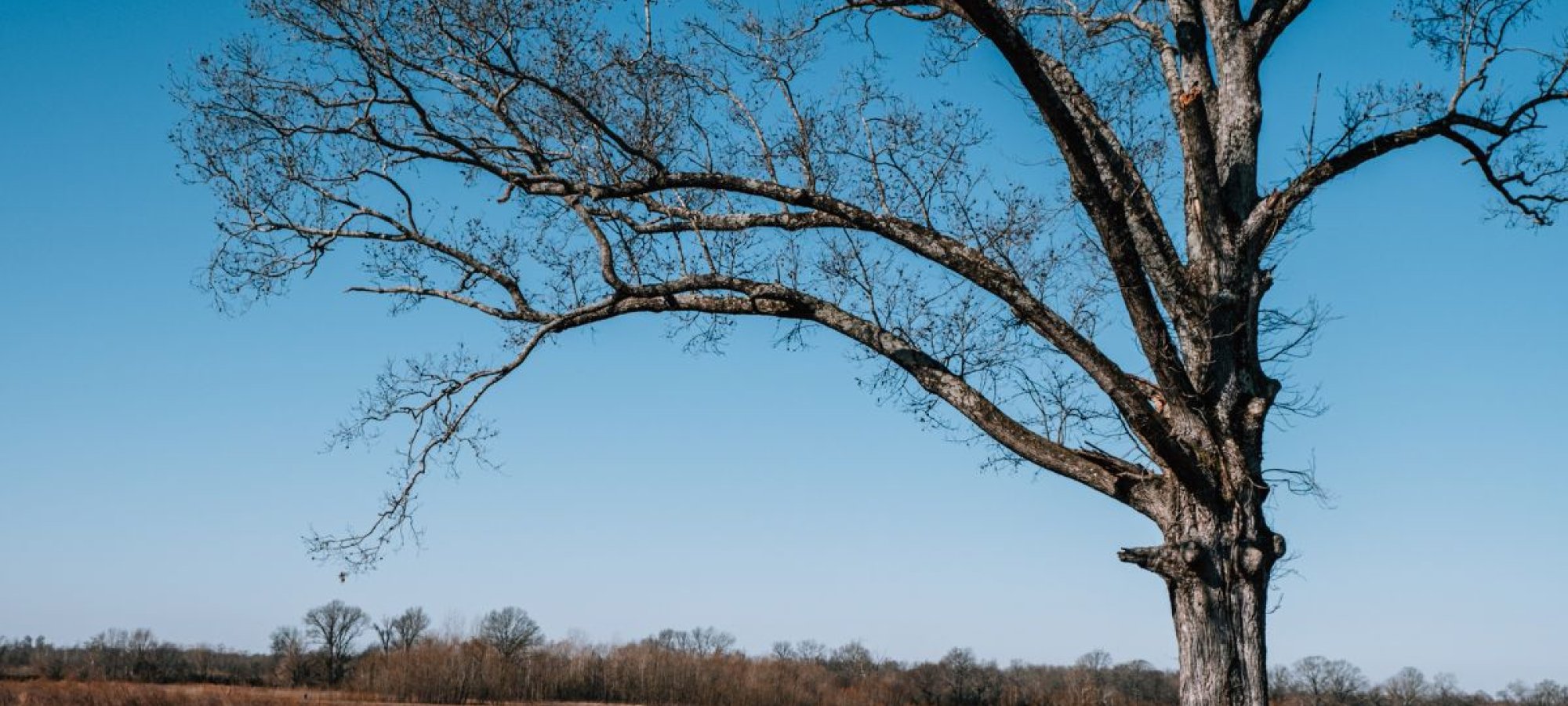
  • paved concrete path surrounded by grass and a large tree in a flat field
  • DID YOU KNOW? The park’s land was meant to flood.

    For the last hundred years or so, this land, like much in the area, had been used for farming. Channels were built throughout the western part of the state, draining the natural lowlands for agriculture. But it’s hard to keep water out of where it wants to go, and in 2018, the land was purchased with flood grants to restore it as a floodplain. Reverting the space back to its natural design and purpose - allowing it to capture flood waters instead of channeling the water to other areas - would benefit agriculture and development in the area by minimizing flood risks.

    puddles of water surrounded by tall grass and mud

    It makes sense, then, that water became a central feature as the park evolved into a recreation area, as well. Today when you visit Middle Fork Bottoms, you can fish in four of its five lakes as well as the Middle Fork of the Forked Deer River. If you’re looking to get out on the water, you can bring your own paddlecraft for a float on Middle Fork Lake, or, if your timing is right, join a seasonal ranger-led paddle - check the park’s website for a calendar of upcoming events!

    You can also enjoy the water just by proximity. Paved trails run alongside all five lakes with benches that offer a spot to sit for a spell and watch for wildlife. Lastly, the observation deck located just across the river provides a scenic overlook of a quiet pond and the varied flora of the park.

    large pond with flat land in the distance

    DID YOU KNOW? Its 800+ acres contain a surprisingly high number of unique ecosystems. 

    As the Middle Fork Bottoms land has been revitalized, conservation and wildlife efforts have been at the forefront. The park’s space is intentionally designed to support its natural resources and bring native species back to the area. In addition to the wetlands it fosters with natural flooding, the park also boasts hardwood forest, a cypress grove, a pollinator area, and native grasslands–which is worthy of particular note. 

    grasslands with a river flowing in it

    Grasslands are one of the most threatened ecosystems in our state. The Tennessee Wildlife Federation estimates that nearly 90% of the state’s native grasslands have been lost to urbanization and invasive ecological development (when fast-growing trees take root and eventually grow into dense forests). When an ecosystem is lost, so is the biodiversity associated with it. The park’s designated areas are intentionally maintained to foster these varied ecosystems–invasive species are removed from the grasslands through weeding and controlled burns; multiple species of newly planted trees will grow into a hearty hardwood grove. In the few short years since restoration efforts began, Middle Fork Bottoms has already seen a noticeable increase in the native plants and animals returning to the area. 

    Visitors may spot turkeys, deer, foxes, coyotes, or bobcats roaming the park’s acreage, and because of the variety of ecosystems, birding enthusiasts can spot a huge range of species at the park. “We’ve already seen the return of quail, eastern meadowlark, short-eared owl, and northern herriers,” Ranger Champagne told me, as well as sparrows, great blue herons, egrets, killdeer, and red-winged blackbird. The list will continue to grow as these environments flourish.

    Wooden boardwalk over a river under a clear blue sky.

    The park hosts many different programs to educate visitors on its unique wildlife communities, including guided walks, introductory birding, plant identification, foraging, and other ranger-led informational sessions. (You can find a calendar of upcoming events on the park’s website.)

    DID YOU KNOW? It’s always evolving.

    Despite being one of the newest Tennessee State Parks, Middle Fork Bottoms has already seen a lot of growth and change. Once the land was purchased in 2018, it was structurally reengineered to create a system of creeks and lakes that would welcome area flood waters. The ecological management of the space began, as well, with the intentional development of the varied native habitats. Under the management of the West Tennessee River Basin Authority, the space opened as a recreation park in 2022 with the new hiking trails and recreational ponds. 

    two young children playing with a wooden post board with information on it

    Now, as Middle Fork Bottoms has joined the state park system, a new phase of development is on the horizon. On the docket is a brand new visitor center, park office, gift shop, event space, and maintenance facility as well as picnic shelters, kayak and canoe launches, and, perhaps most-anticipated, restroom facilities. (Currently, port-a-potties are available at easternmost Entrance #1.) As visitors and amenities grow, so will its program offerings. Ranger Champagne envisions a space that works in tandem with the local community for recreation-based, wildlife-centric, and research-driven opportunities.

    DID YOU KNOW? The four miles of connected trails are fully accessible.

    If you’re an outdoorsy parent, especially of young children, you no doubt have suffered their moods and emotions as you attempt a nice outing into nature. Though my children do share my excitement as we plan and embark upon any state park trip, they don’t always love the prospect of a long walk. When we visited Middle Fork Bottoms, it was so early in the day that they hadn’t even had time to tire out–and they’re young enough that early morning energy is the norm–but they still weren’t super enthused about our morning walk! Fortunately, I could promise there were zero hills to climb in our immediate future. As a day-use park, Middle Fork Bottoms offers a quick escape to the outdoors for visitors of all ages and abilities.

    child walking on concrete path towards a bridge

    Tennessee State Parks is committed to connecting more people to the outdoors through accessibility improvements. Some signs of this improved user experience that you may have seen across the park system include all-terrain wheelchairs, adult-sized changing tables, accessibility information at trailheads, and accessible kayak and canoe launches. According to Ranger Champagne, Middle Fork Bottoms’s goal is to be 100% wheelchair-accessible which will guide the development of its amenities and offerings.

    As we enjoyed a quick snack at the trailhead pavilion, we saw a group of cyclists finish their ride, a mother pushing a stroller with one hand and carrying a dog leash with the other, and a family with elementary-aged kids cruising on their (non-motorized) scooters. The trails offer such an easy and accessible way to enjoy the scenery that it’s no wonder the visitor count has risen to around 15,000 people a month in the summer!

    child running on concrete path away from water

    We could not have picked a better morning to visit and explore; if anything, the morning sky was too clear and the sun too bright for my camera lens. But Middle Fork Bottoms is a space that’s going to look different every time you visit, whether it’s because you spot a different critter hopping through the grasslands, observe the flora of another season, or witness a new angle of light hitting the water.

    Middle Fork Bottoms is evidence that small spaces can have a big ecological impact, and a reminder that nature is always evolving. While your purpose of visit may just be a walk in the park, there is a lot more there to discover.

    And one last piece of advice from Ranger Champagne: “We have the most magnificent sunsets.” Next time I’ll be sure to plan my visit accordingly.

    Family observing a waterfall in a lush, wooded area.

    Kari Edgens