


October 27, 2021 |
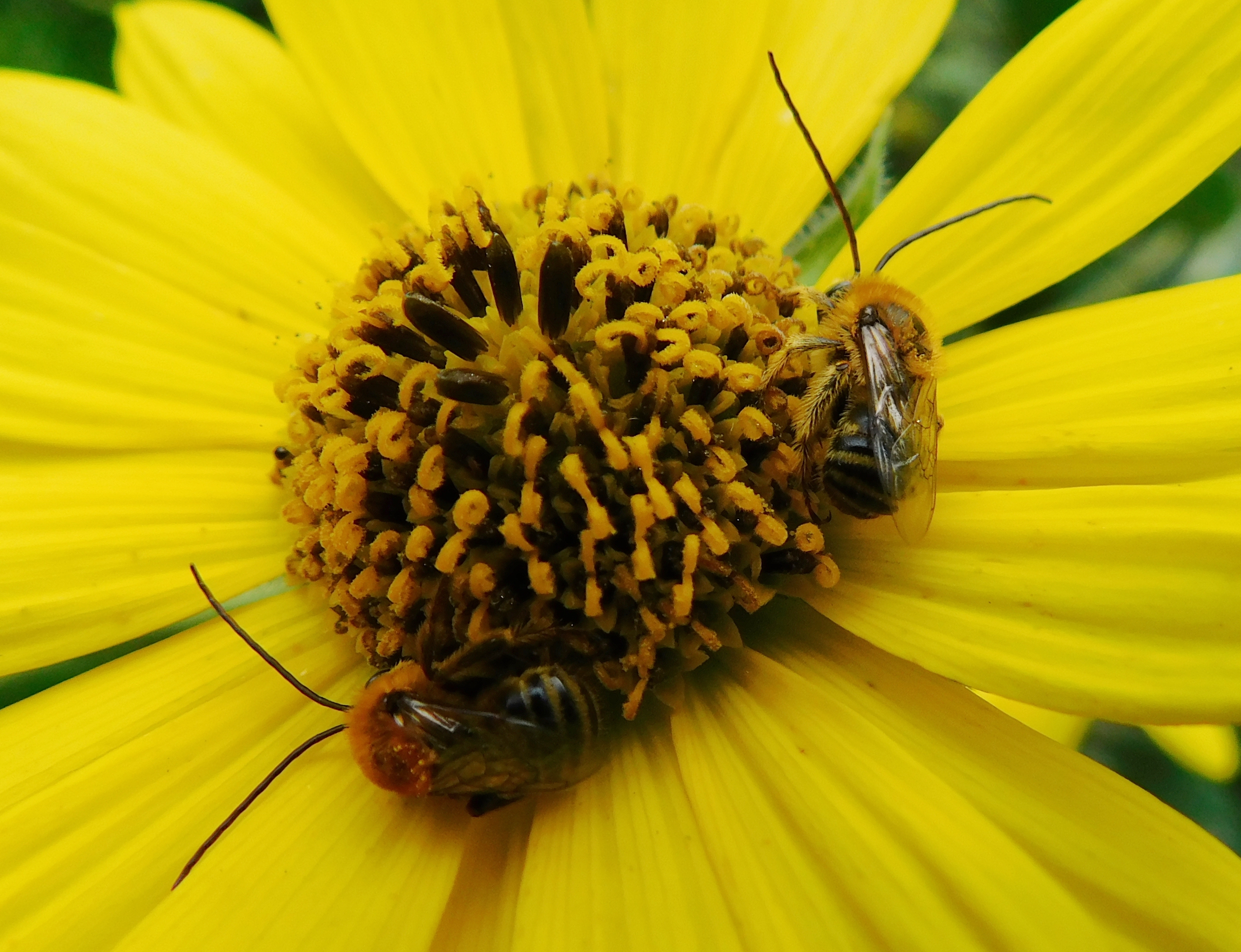
Two male Long-Horned Bees (Melissodes) rest on a Downy Sunflower (Helianthus mollis), Putnam County
As the warmer days draw to a close, splashes of color can be seen in fields and along roadsides; boasting hues of white, yellow and purple. Fall wildflowers are not only a feast for our eyes, but a literal feast for the pollinators! This is the last chance for insects and hummingbirds to fuel up before the first freeze of autumn puts an end to the blooming season . While the hummingbirds are packing on energy reserves to fuel their migration south, the insect pollinators are racing to complete their life cycles while nectar and pollen are present.
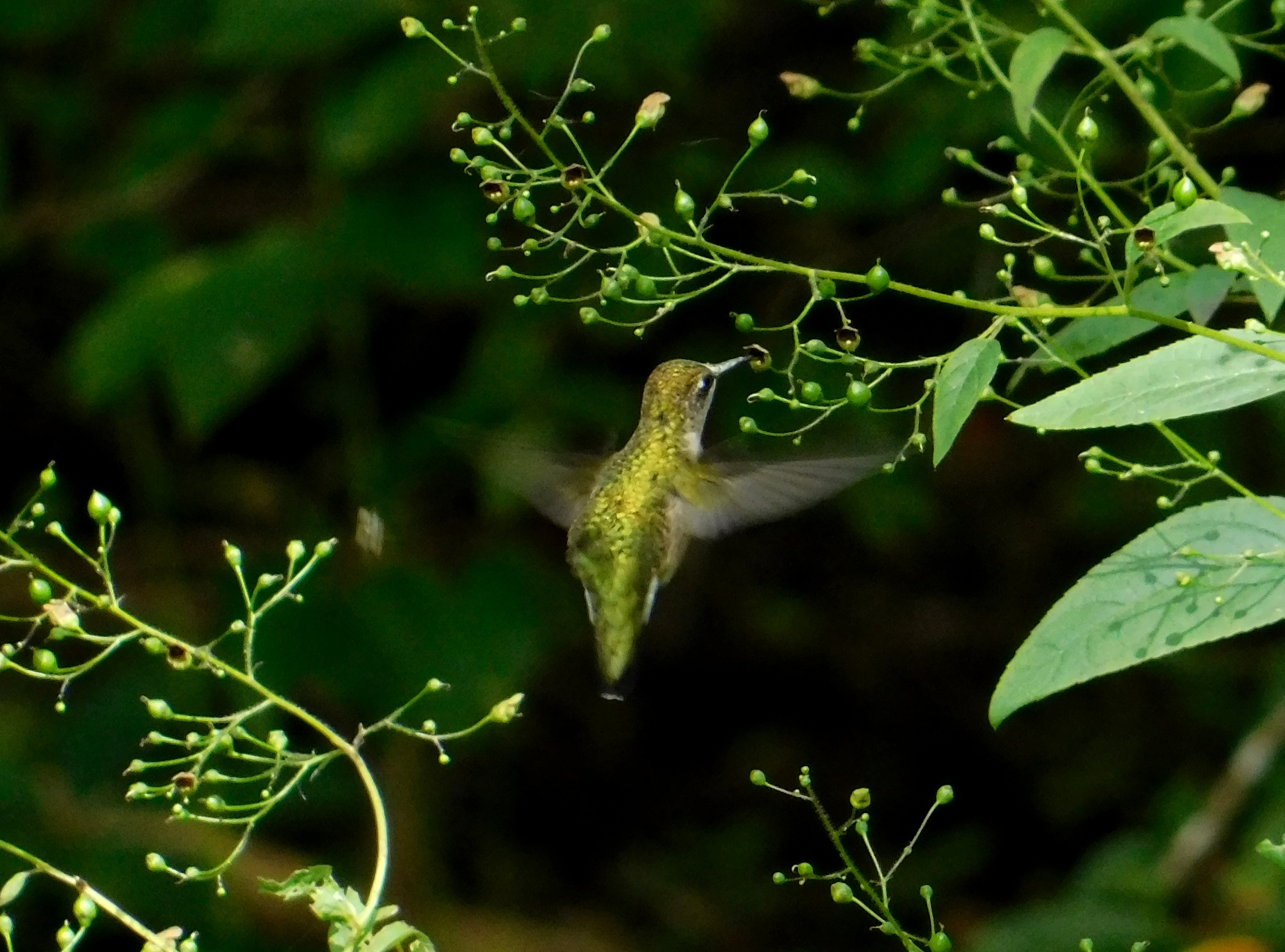
A Ruby-Throated Hummingbird visiting an uncommon and often overlooked wildflower known as Carpenter's Square (Scrophularia marilandica), Putnam County
Autumn has historically been the harvest time for us; a time to gather up what we have grown and set up stores for the colder months. Many insect pollinators are doing much the same.
Goldenrods (Solidago), Frostweeds (Verbesina) and Ironweed (Vernonia) are some of the most common wildflowers to be seen.
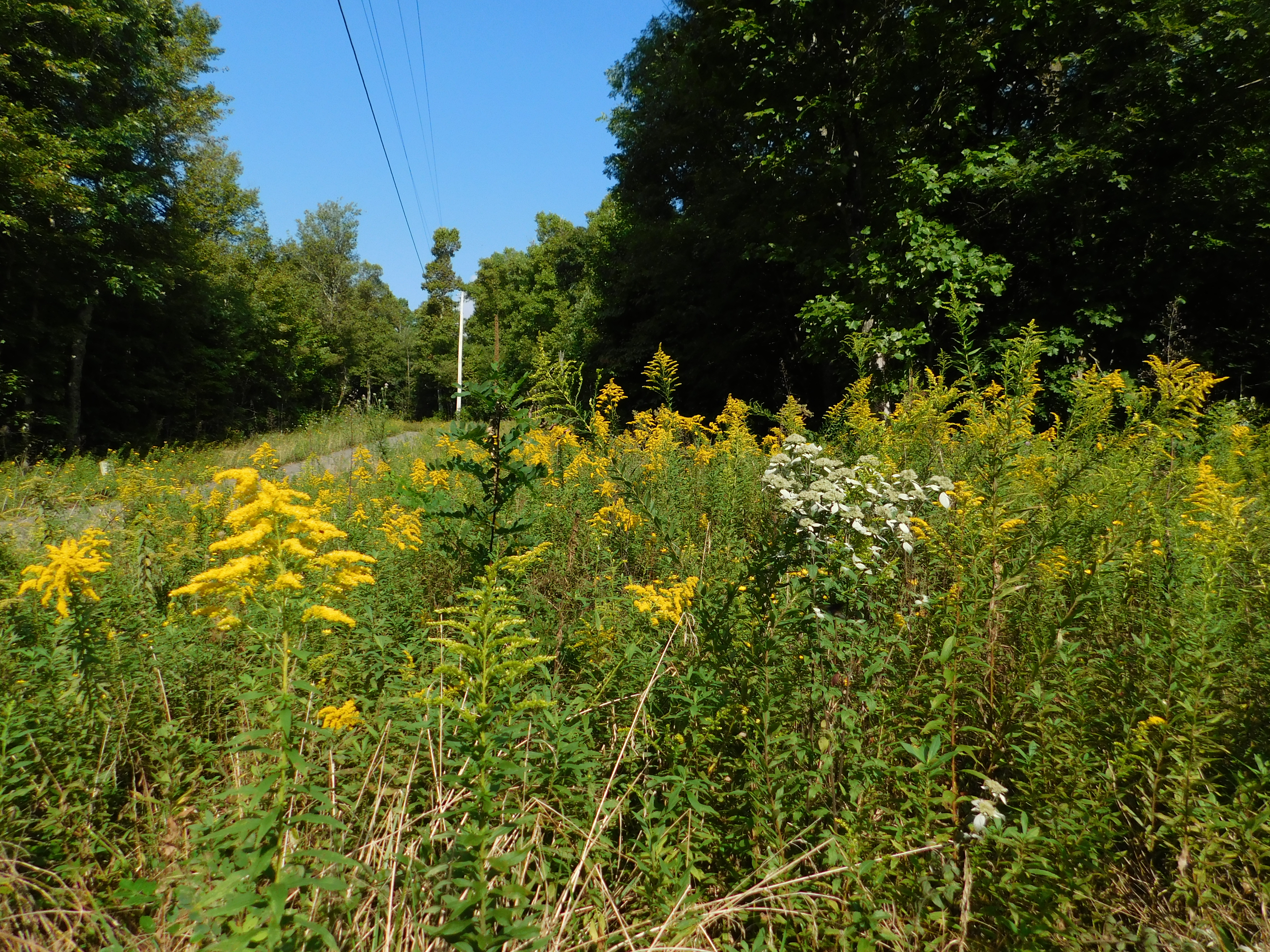
Goldenrod and Mountain Mint in full bloom on top of Black Mountain, Cumberland Trail State Park.
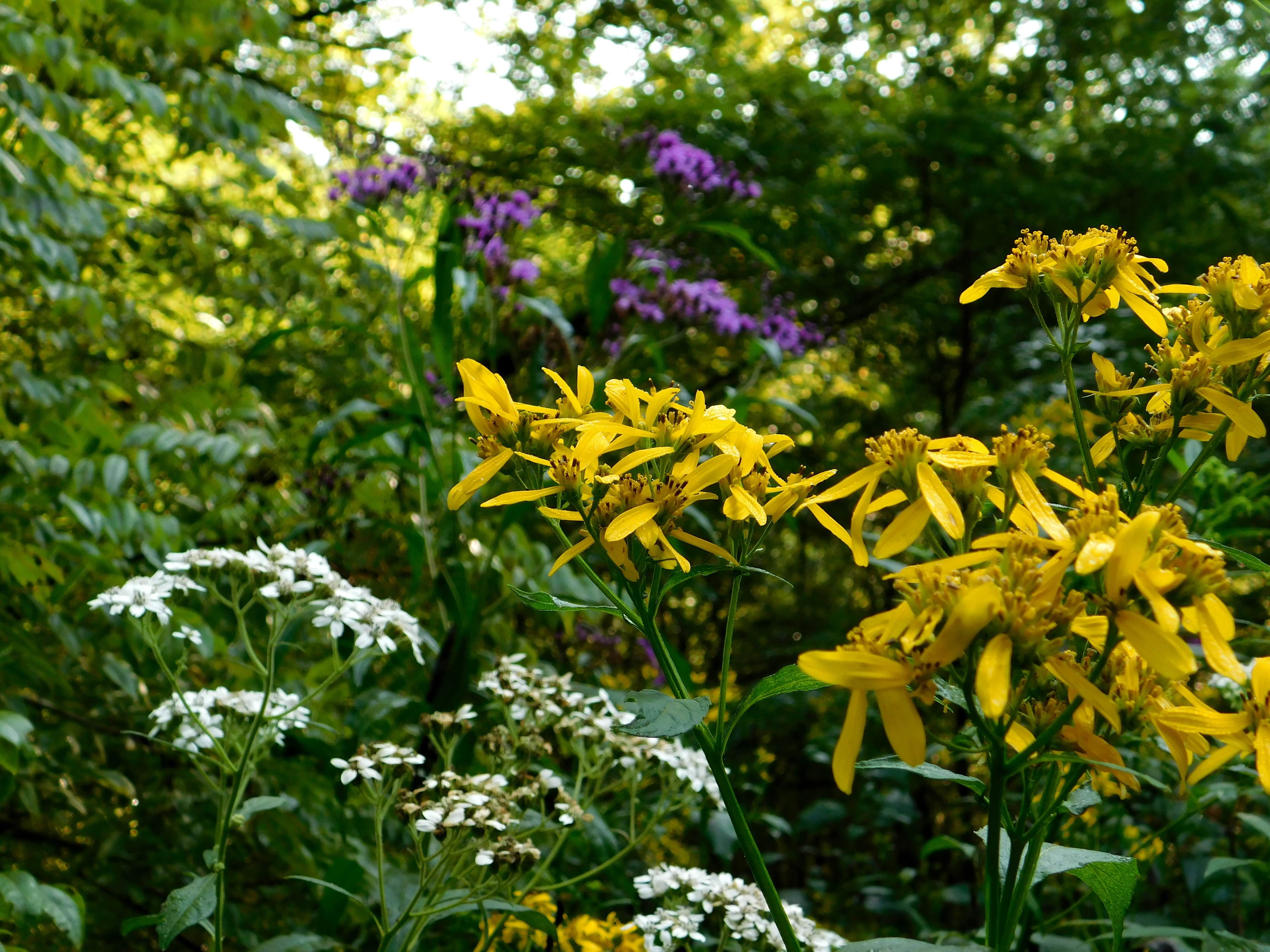
White Frostweed (Verbesina virginica, Yellow Crownbeard (Verbesina occidentalis) and Tall Ironweed (Vernonia) blooming in Putnam County
Asters (Symphiotrichum), Sunflowers (Helianthus), Black-Eyed-Susans (Rudbeckia) and Snakeroot (Ageratina) are also blooming in abundance. If you spend any amount of time watching these colorful stands of blooms you will no doubt notice near constant insect activity. Bees, wasps, beetles and even flies can be observed busily gathering nectar and pollen.
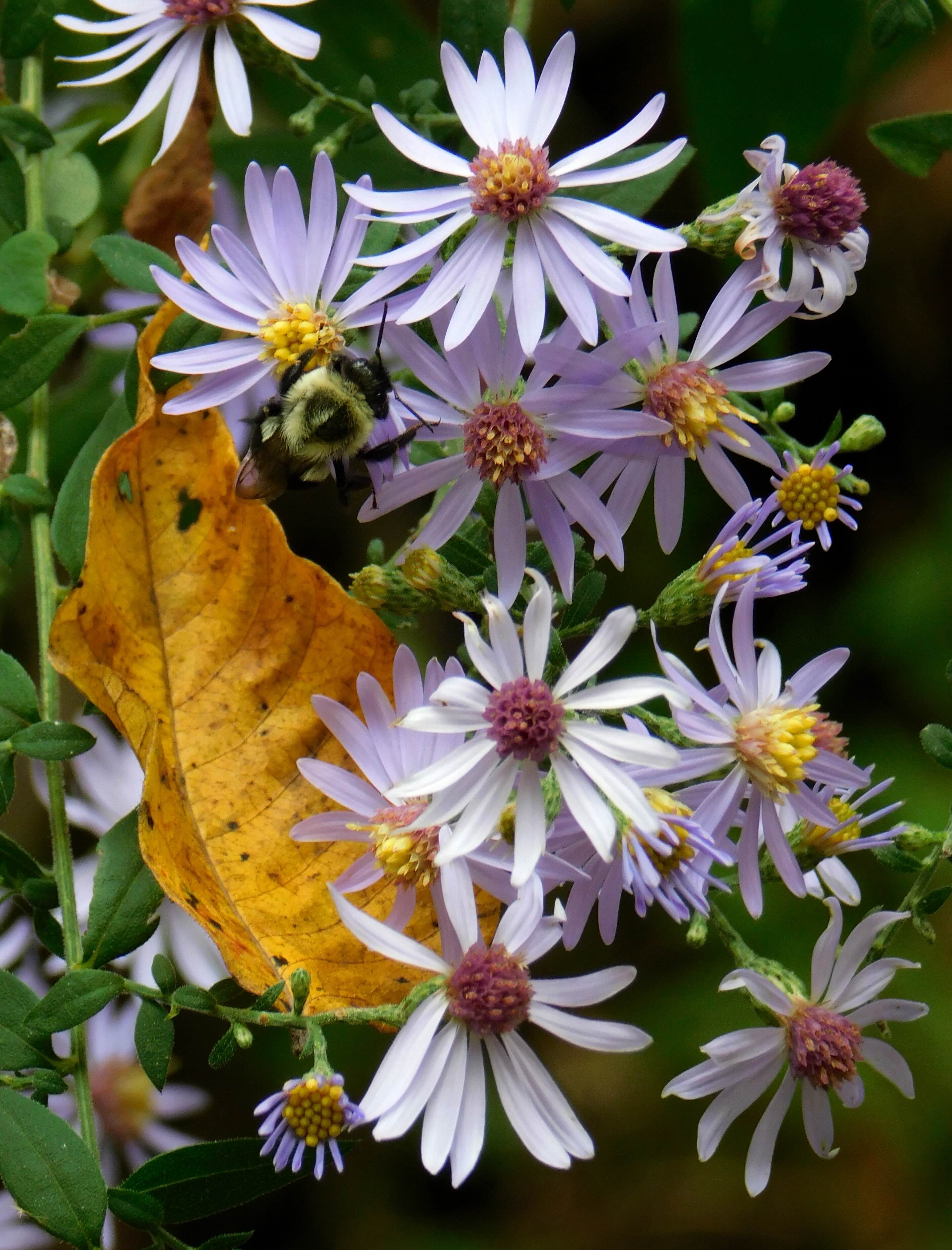
A Bumble Bee visiting Late Purple Asters (Symphyotrichum), Putnam County
Most insect pollinators complete their life-cycles within the growing season. Bumble Bees, for example, are seasonally social insects. This means that unlike Eurpean Honeybees, their entire population does not persist from year to year. Only a single queen Bumble Bee will overwinter in a cozy burrow, and then emerge the following spring to start a new colony.
Most of our native bees are solitary, stocking nests for their offspring in cavities under the ground, inside wood, between rock piles or inside plant stems. These devoted bee mothers will never meet their children, but work incredibly hard to provide for them.
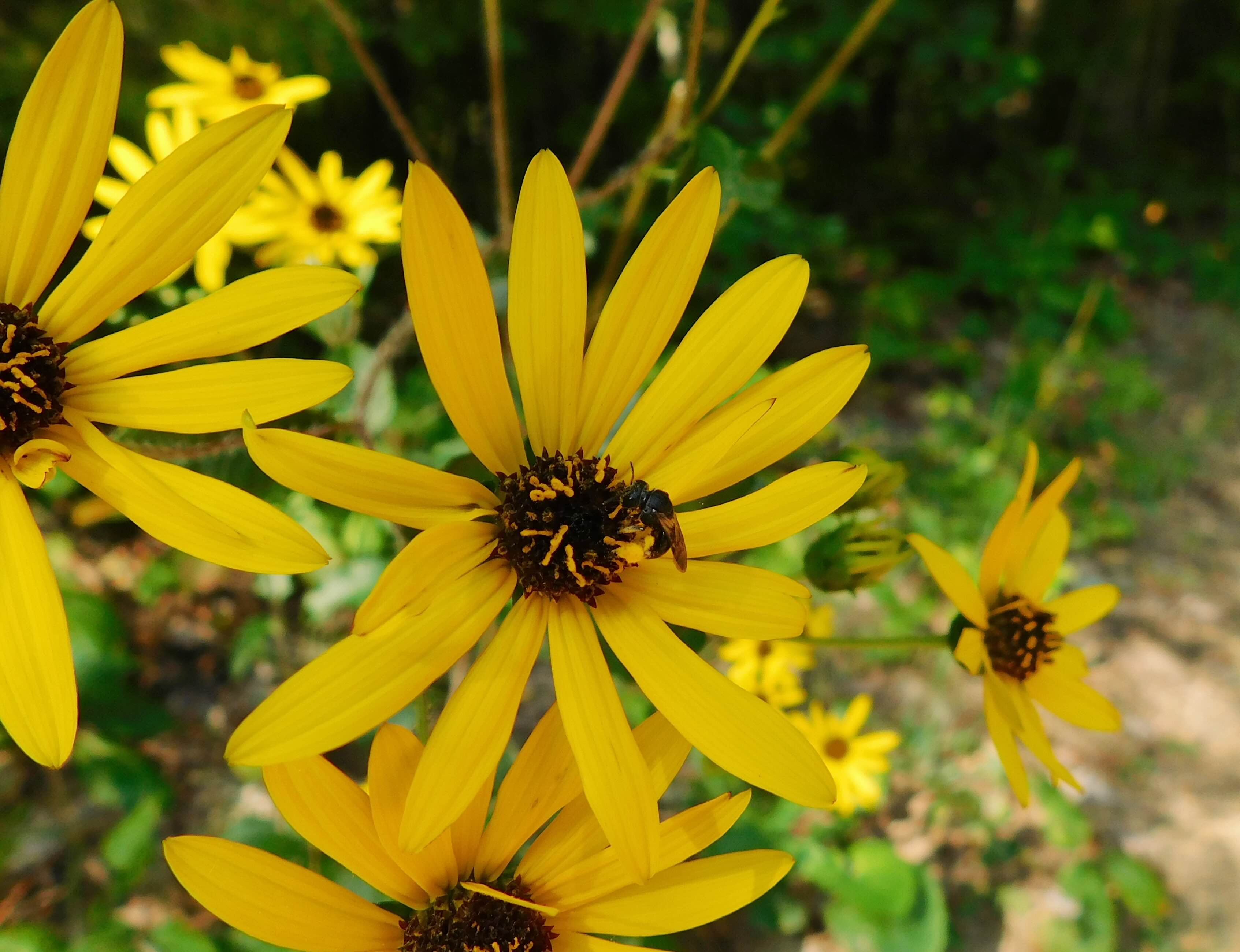
A tiny native bee (Halictidae) visiting Rosinweed (Silphium) at Piney Falls State Natural Area. Notice the large amount of pollen packed onto her legs!
The stores of pollen and nectar will keep thier larvae fed until they are ready to emerge the following year. Some species will emerge in the early spring, others later in the summer months. These emergence schedules often coincide with the blooming of a particular plant genus. In fact, many plants and pollinators (native bees, especially) are completely dependent on the other for survival! These pollinators are known as specialists, and many are incredibly important for our native flowering plants.
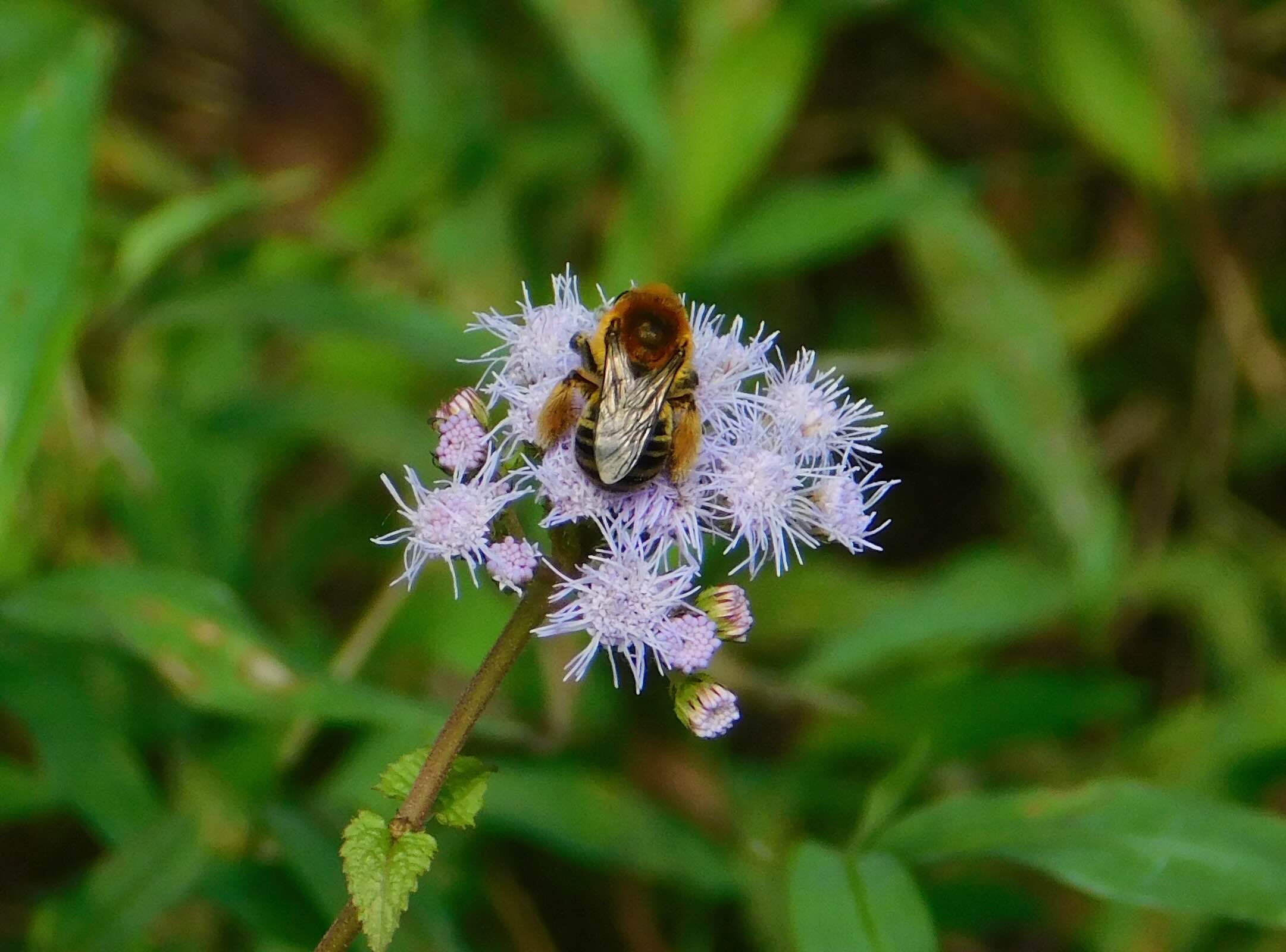
The big, fuzzy legs of this female native bee (possibly Svastra sp.) are made for maximum pollen packing! She is visiting a Blue Mistflower (Conoclinium coelestinum) at my residence in Putnam County
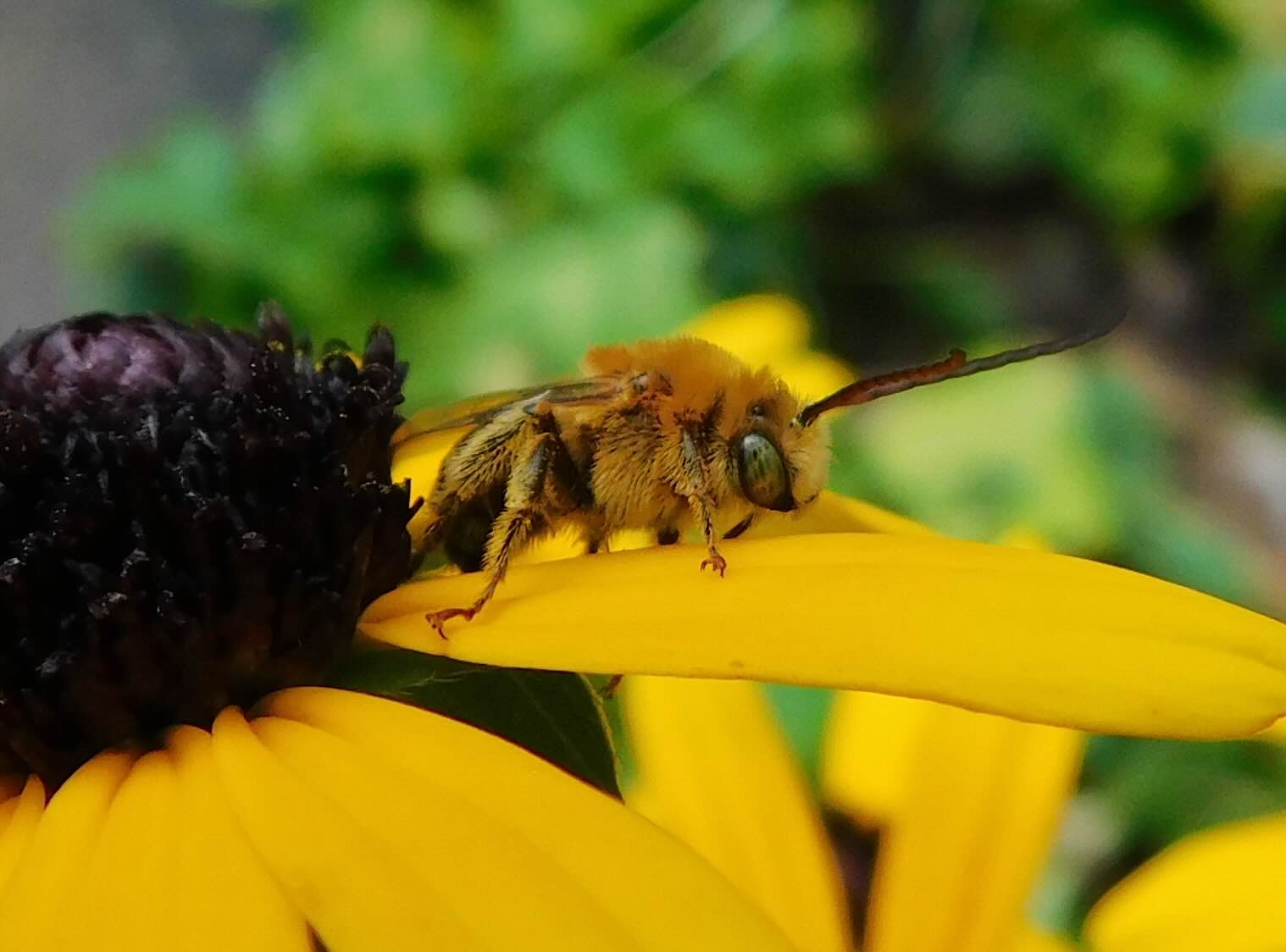
Long-Horned Bees in the genus Melissodes can be commonly seen visiting composite flowers like Asters, Sunflowers and Black-Eyed Susans in late summer and fall. They are named for the long antennae sported by the males.
Many species of wasps can also be observed visiting fall wildflowers. They seek mostly nectar to fuel their high energy lives, since their babies are largely carnivorous. While the social wasps are very familiar to us (like paper wasps and yellow jackets), the vast majority of our wasps are solitary and non-aggressive. Keep an eye out for these lovely ladies….
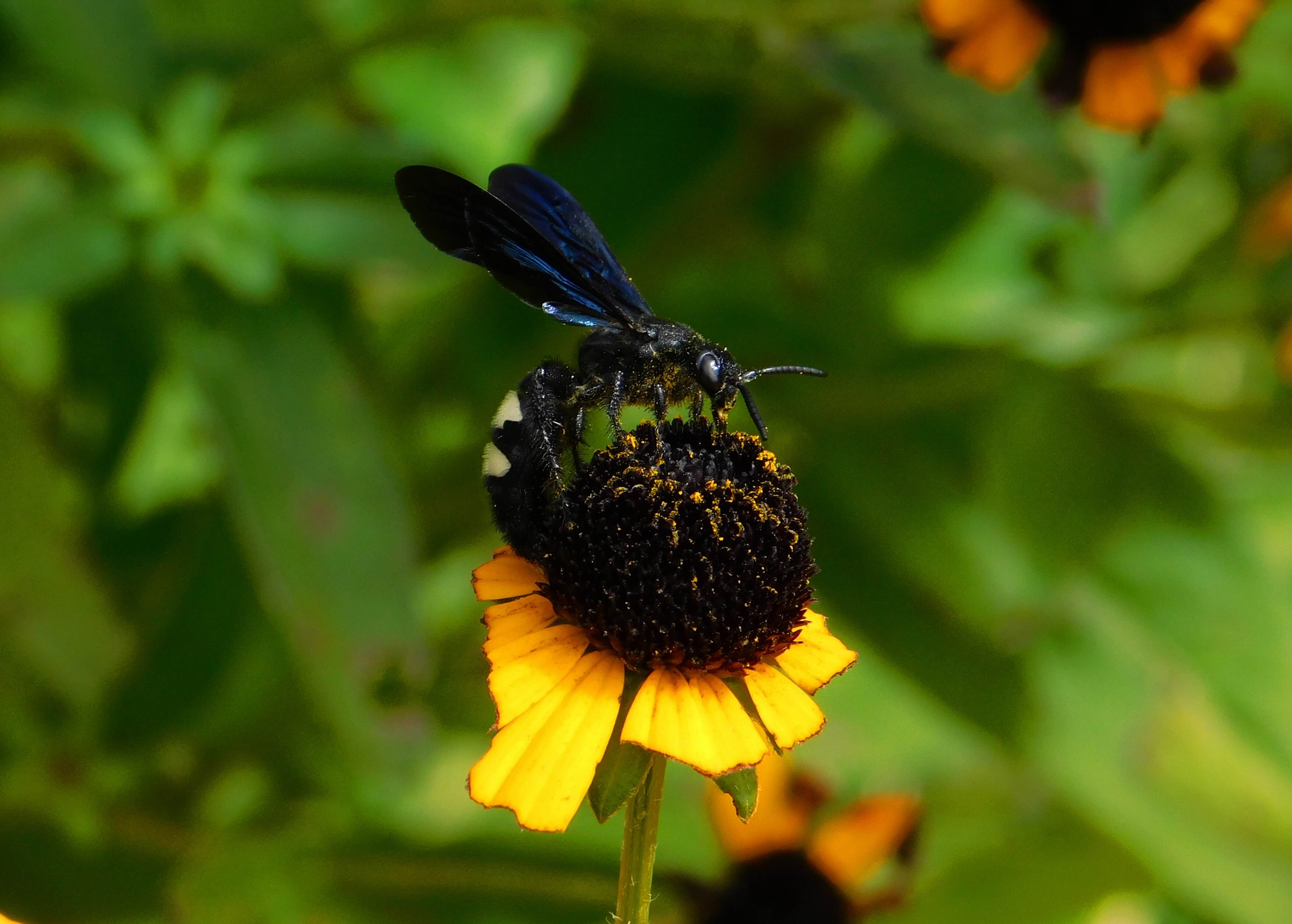
A Double-Banded Scoliid (Scolia bicincta) wasp visiting a Black-Eyed Susan (Rudbeckia). These wasps are not only amazing pollinators - their larvae parasitize the grubs of beetles, including the noxious and invasive Japanese Beetle (Popillia japonica)
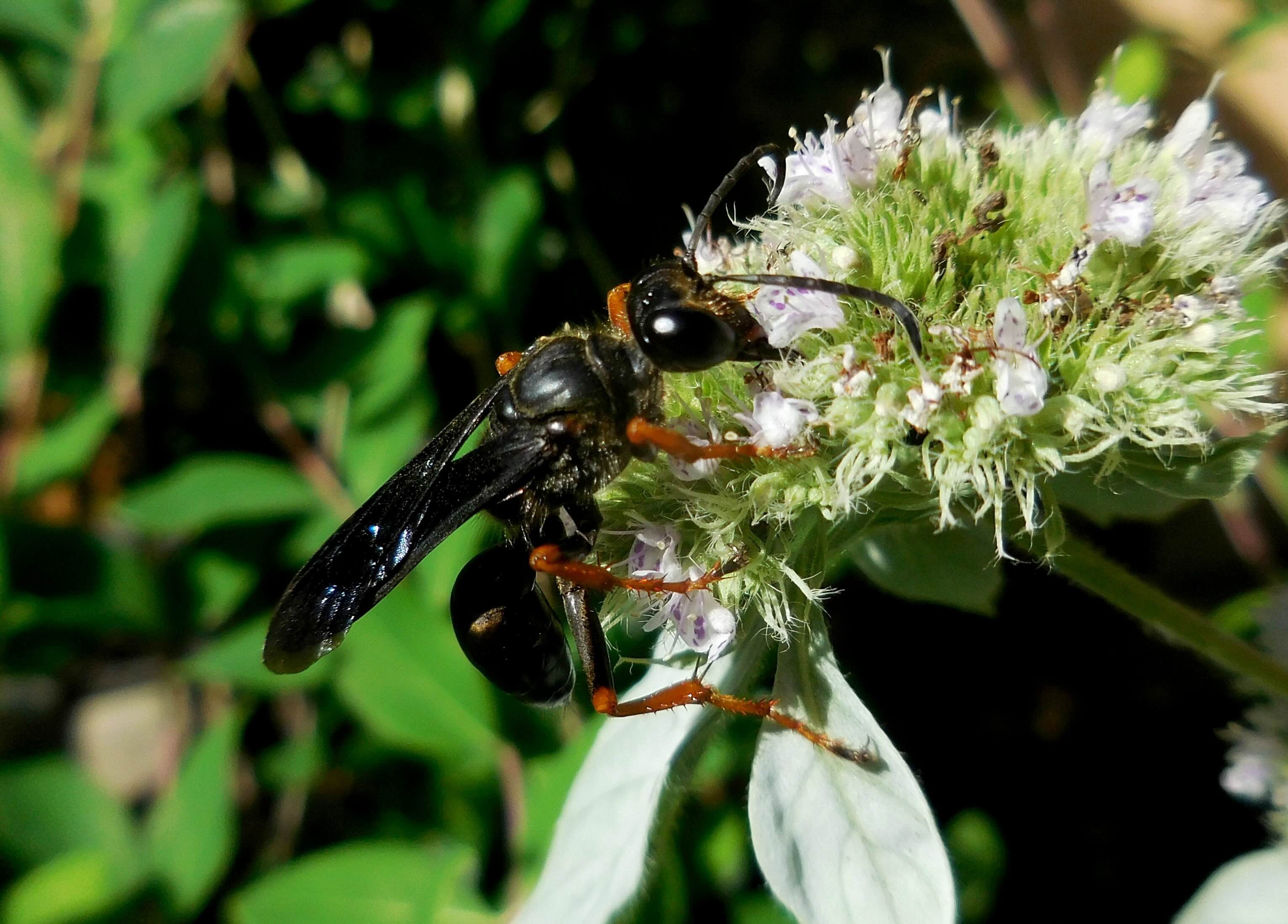
A large solitary wasp known as the Kadydid Wasp (Sphex nudus) nectars on Mountain Mint (Pycnanethemum incanum) at Edgar Evins State Park. These wasps paralyze large orthopterans such as katydids and crickets to store in underground chambers to feed their young.
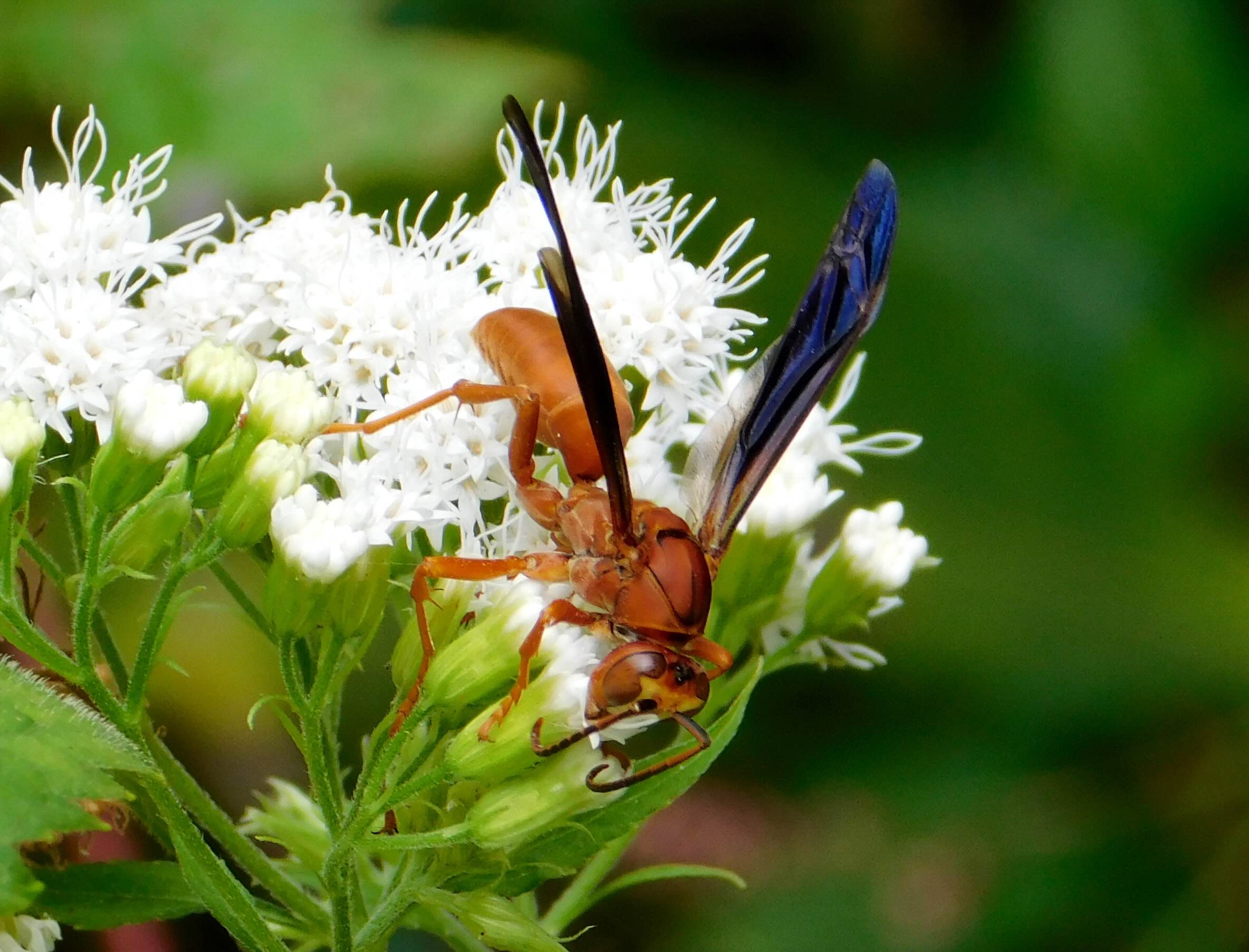
Social wasps like this Red Paper Wasp (Polistes) also enjoy nectaring on late season flowers. This is White Snakeroot (Ageratina altissima).
Beetles can also be seen chowing down on pollen and the occasional floral structure, helping to pollinate as they go.
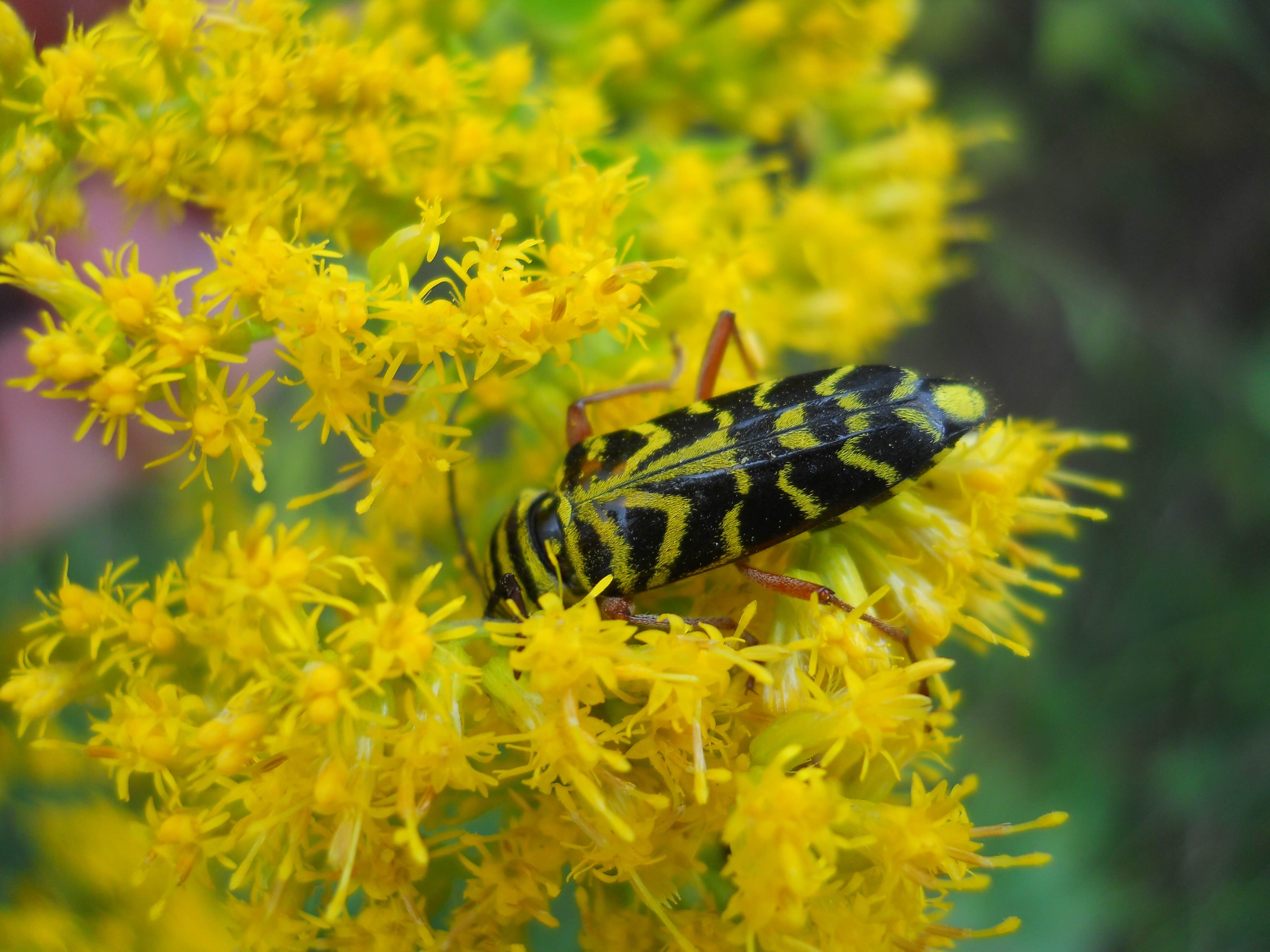
Locust Borer (Megacyllene robiniae) on Goldenrod (Solidago) at Edgar Evins State Park
One of the most common late season beetles is the Pennsylvania Leatherwing (Chauliognathus pennsylvanicus), a type of Soldier Beetle.
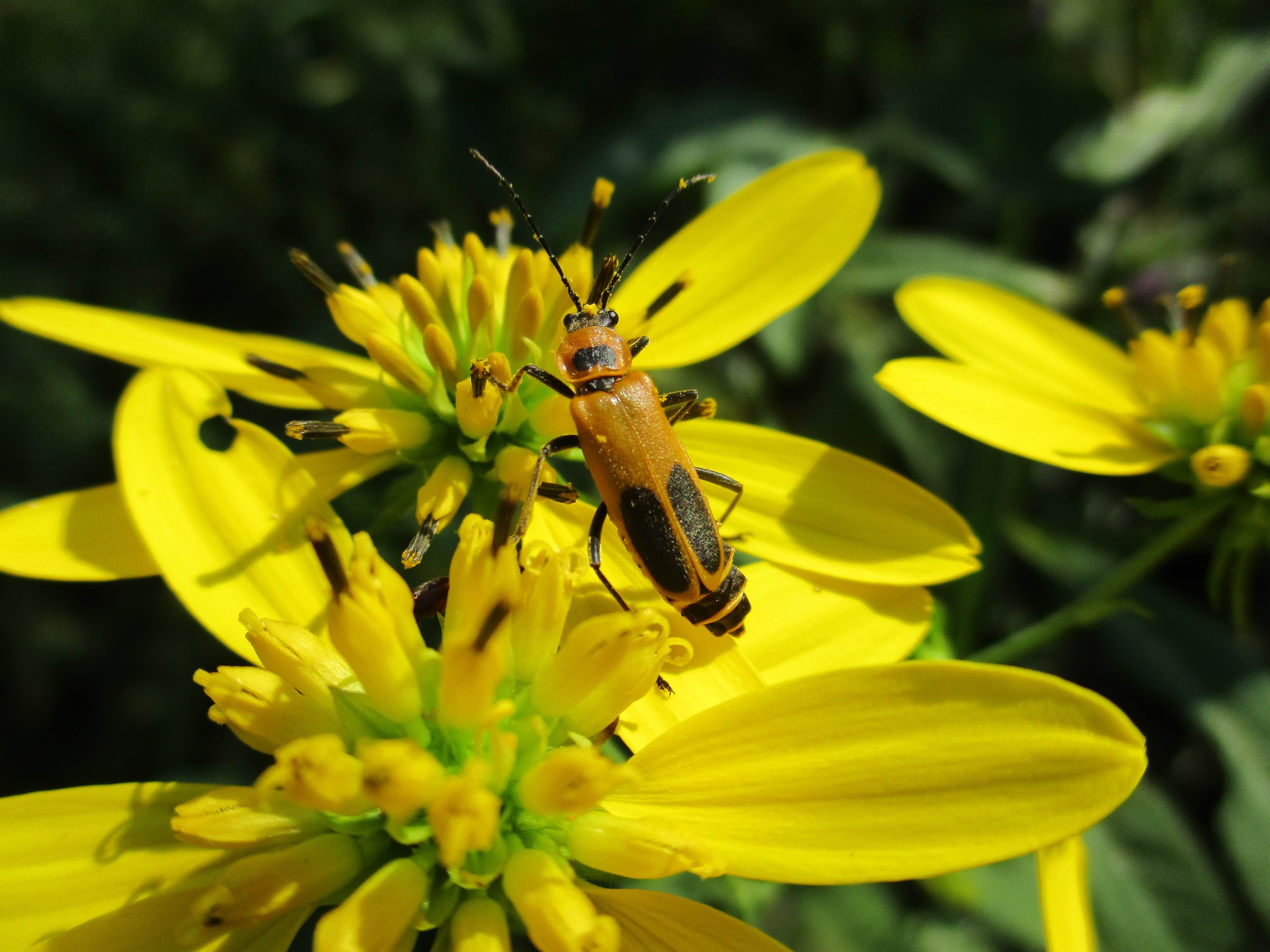
This Pennsylvania Leatherwing beetle is pollinating Wingstem (Verbesina alternifolia) at Edgar Evins State Park
Many species of flies are also incredibly important pollinators and can be viewed sipping nectar on a variety of late season wildflowers.
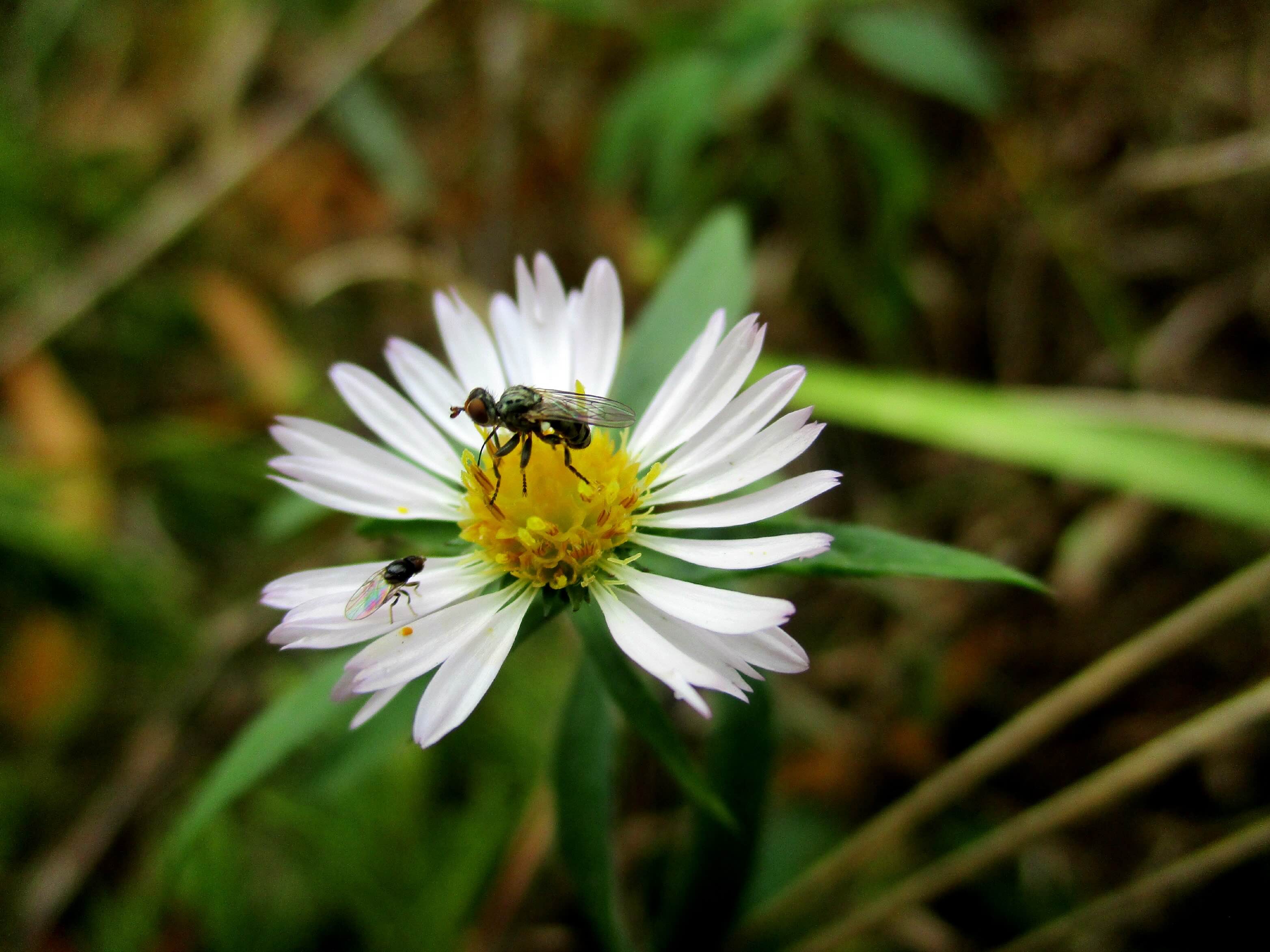
Nectaring flies flock to Frost Aster (Symphyotrichum pilosum) at Edgar Evins State Park
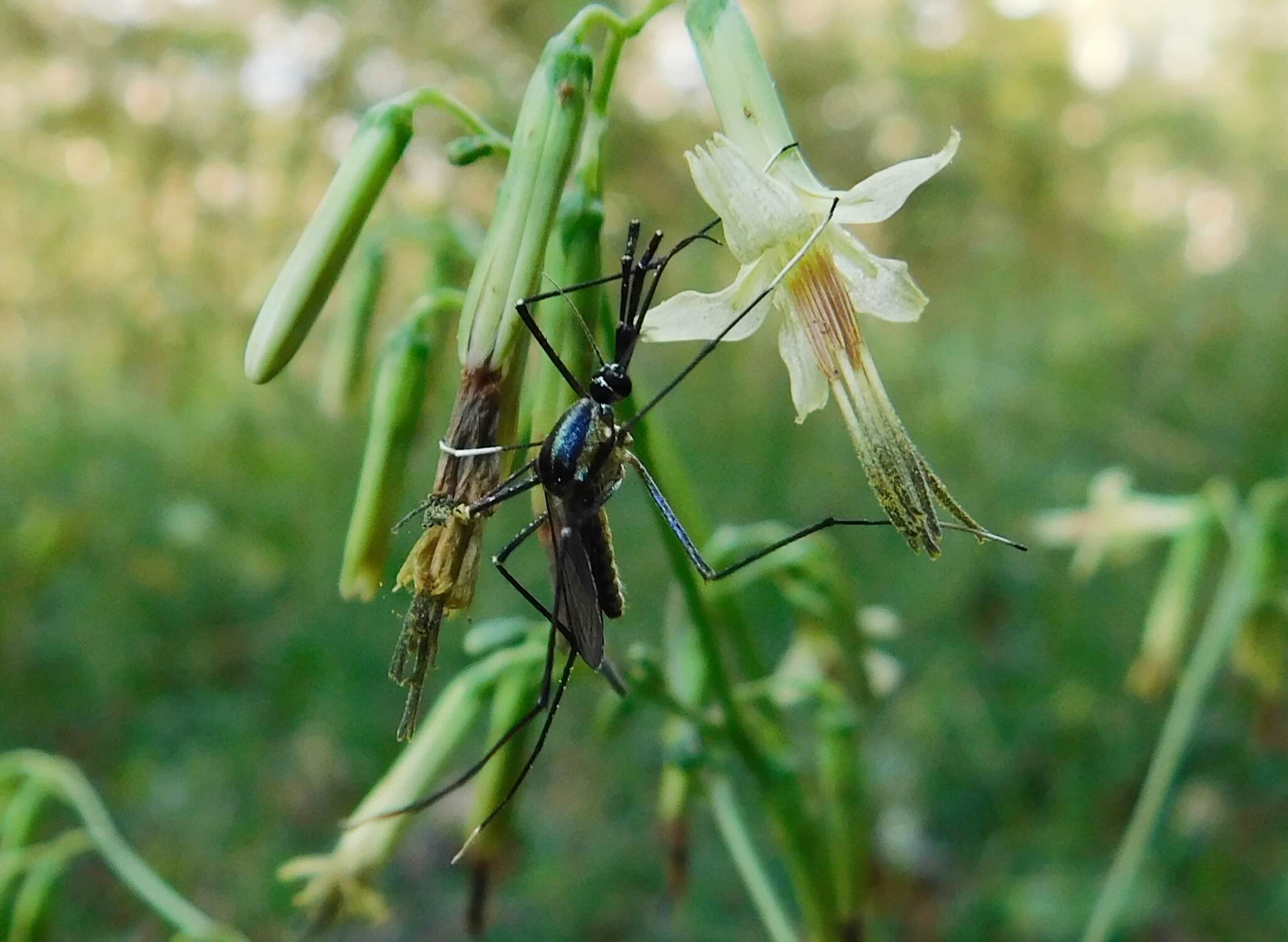
The rarely seen Elephant Mosquito (Toxorhynchites rutilus) visiting Rattlesnake Root (Prenanthes) at Montgomery Bell State Park. These large mosquitoes suck nectar rather than blood, and their larvae are predators of blood-sucking mosquitoes.
Speaking of nectar lovers, let’s not forget the butterflies!
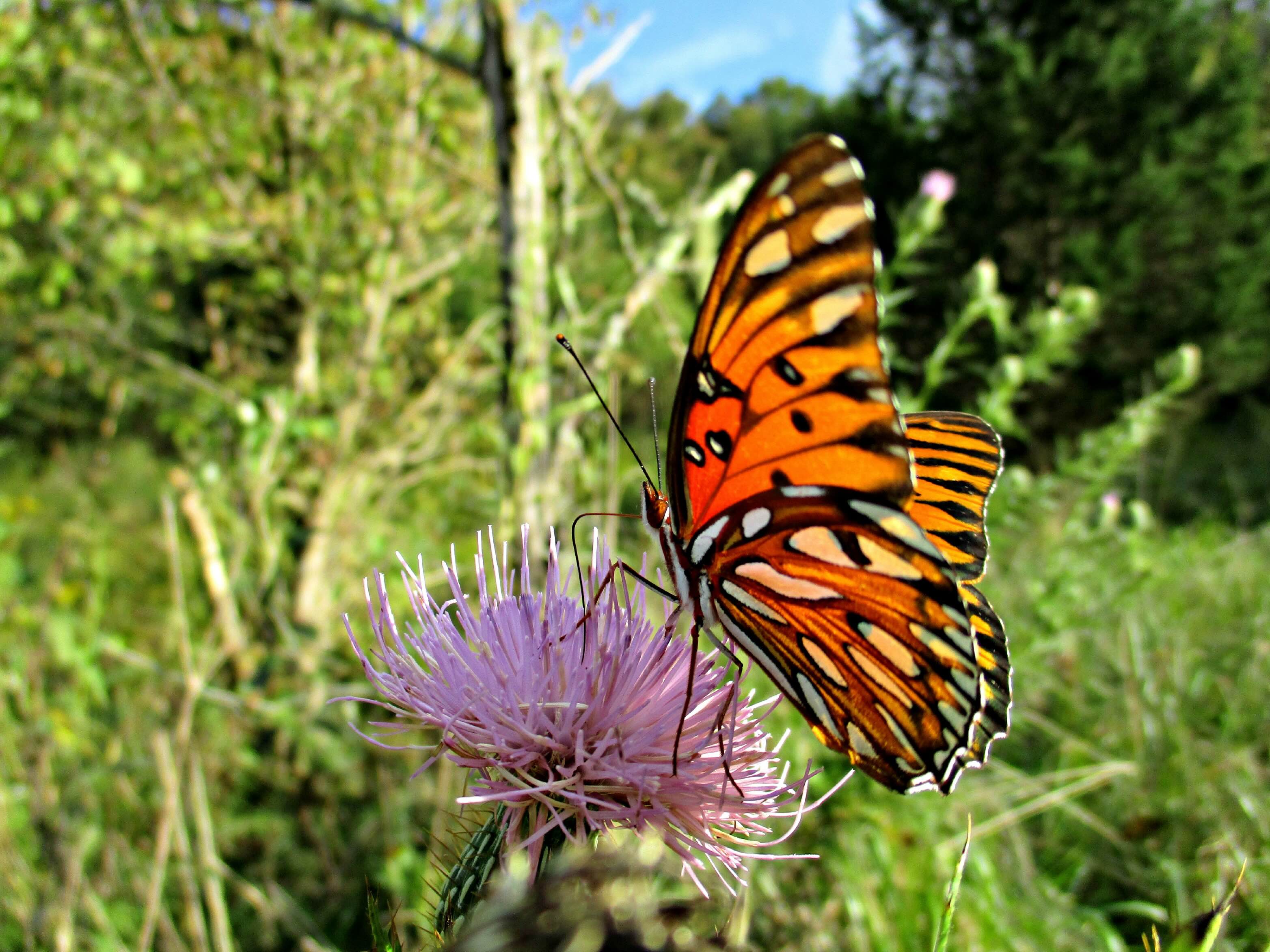
A Gulf Fritillary (Agraulis vanillae) nectaring on a Field Thistle (Cirsium discolor) in Putnam County
Many species can be observed nectaring on late season flowers while the days are still sunny and warm.
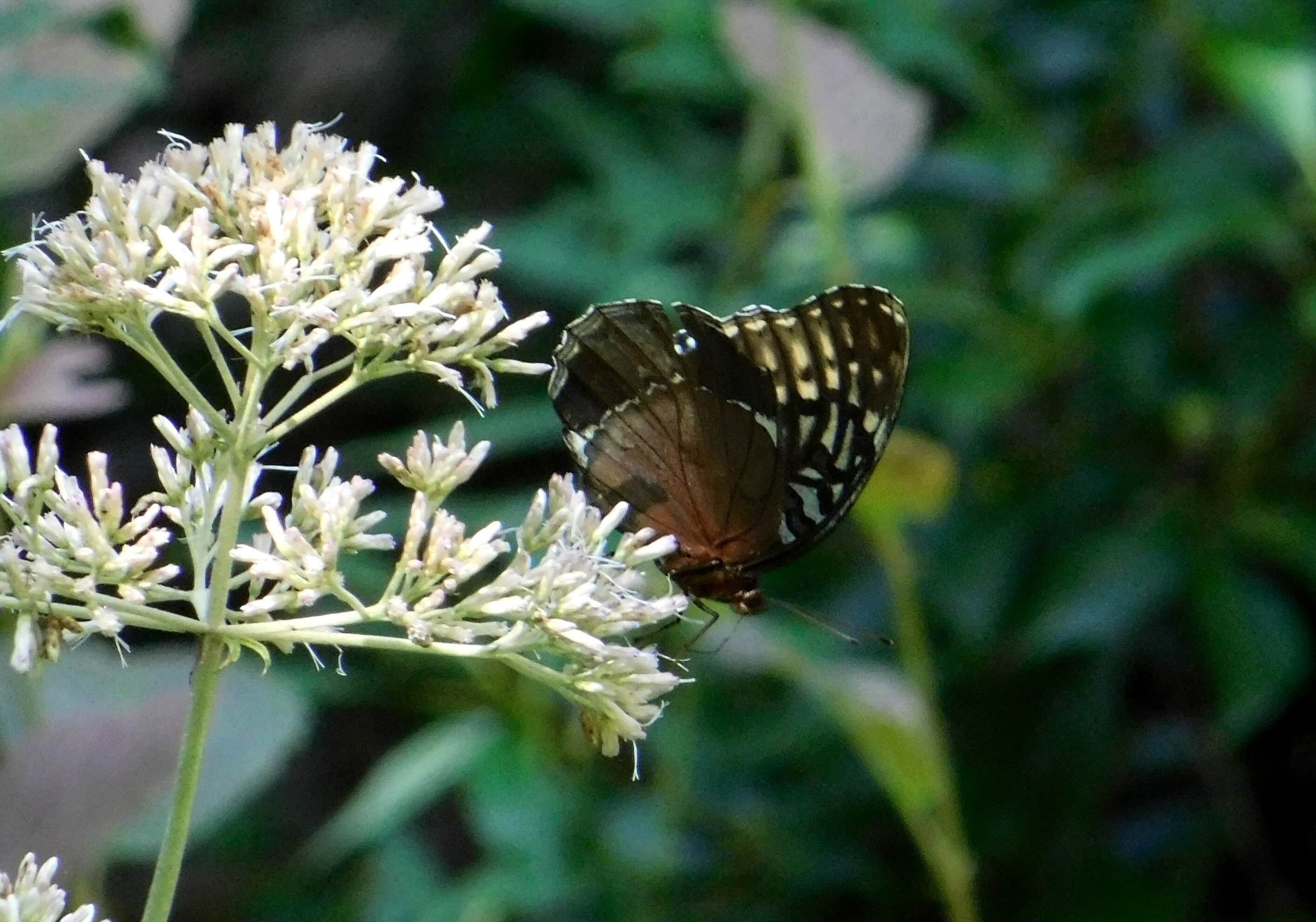
A female Diana Fritillary nectaring on Joe-Pye Weed (Eutrochium purpureum), Savage Gulf State Natural Area
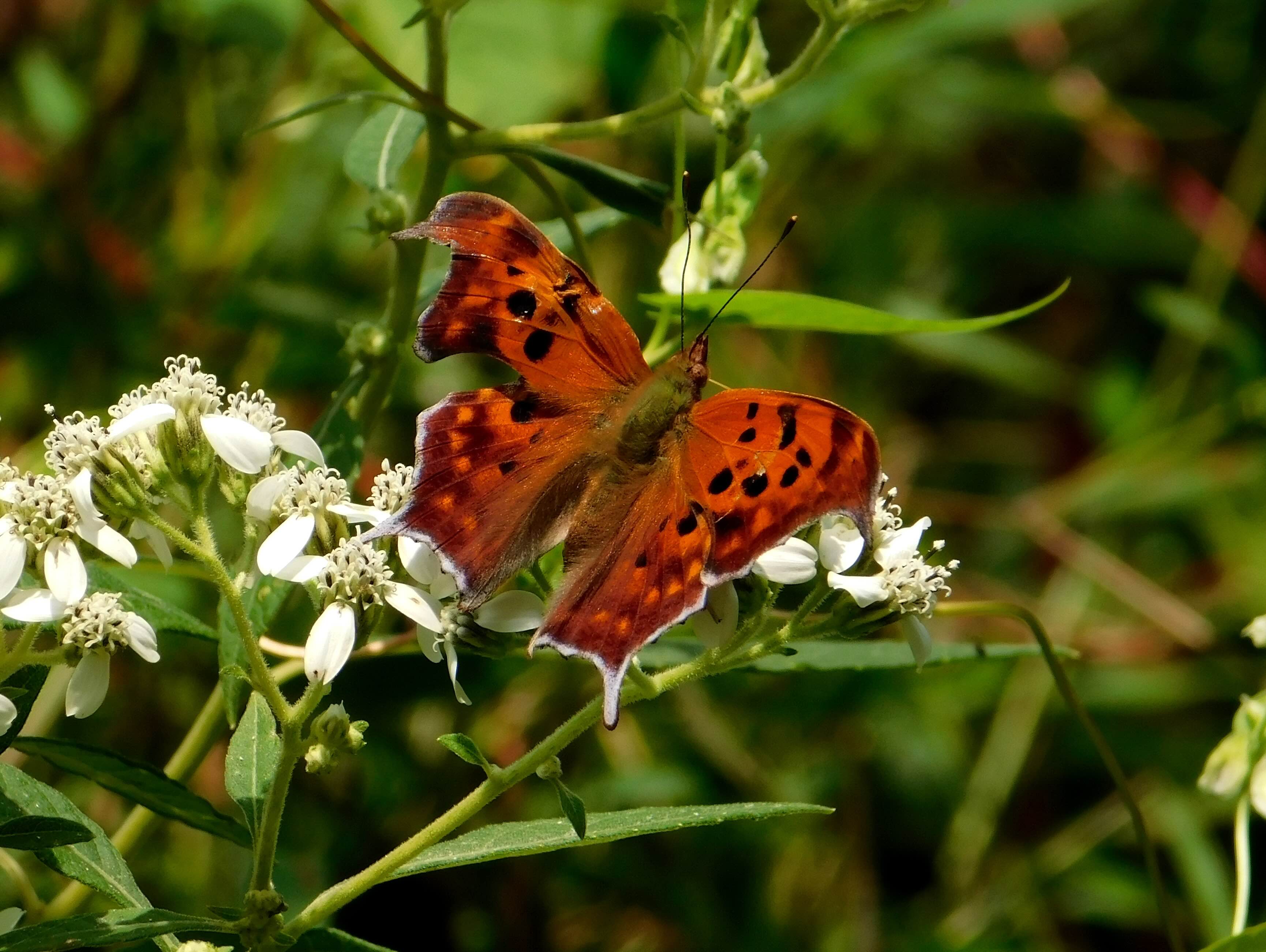
A Question Mark (Polygnia interrgogationis) nectaring on White Frostweed (Verbesina virginica) in Putnam County
The final generation of Monarchs migrating to the Sierra Madre Mountains in Mexico utterly depend on these late season flowers to fuel their southward journey.
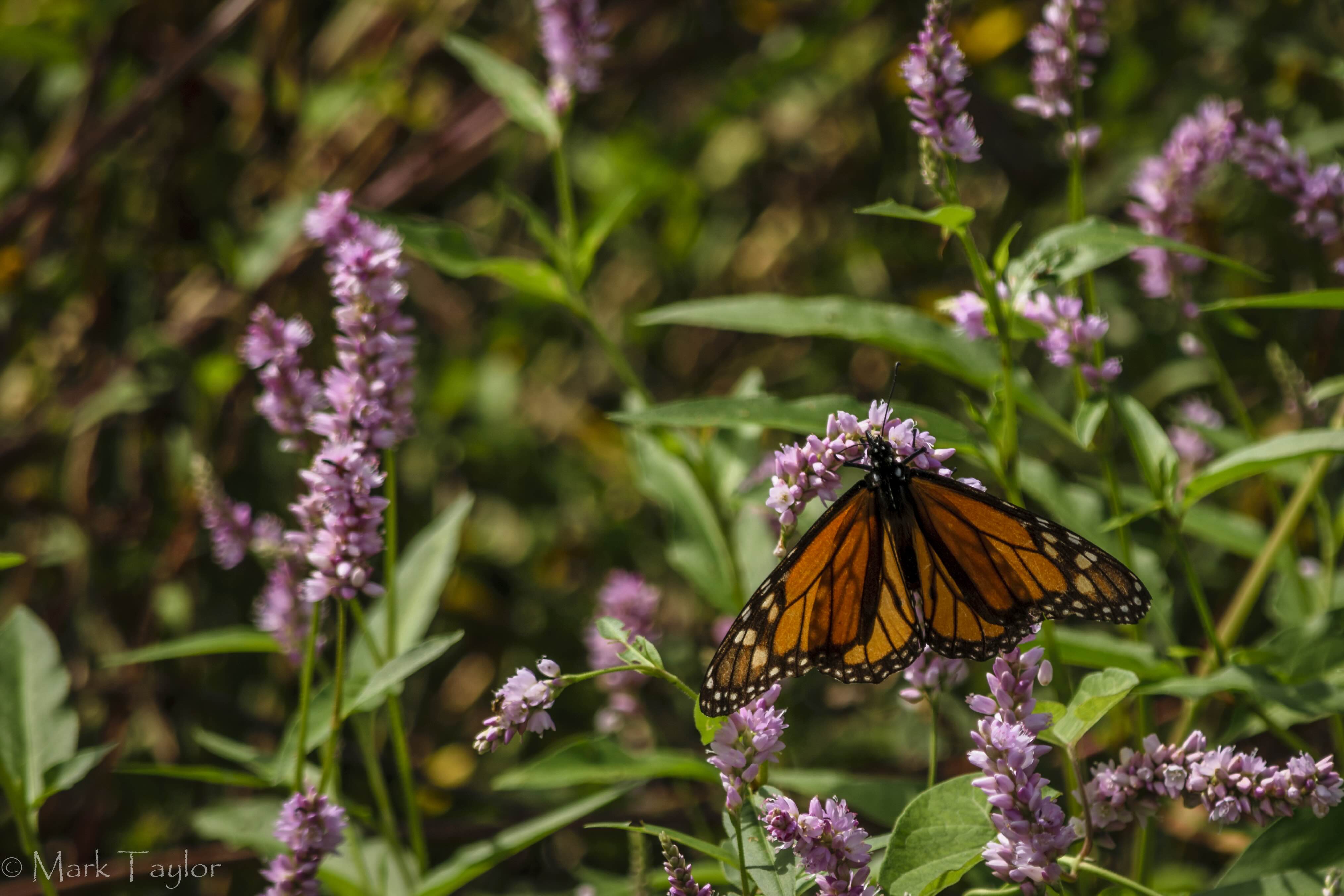
A Monarch sips life-giving nectar from Smartweed (Polygonum amphibium) at the Hatchie National Wildlife Refuge in Haywood County. (Photo by Ranger Mark Taylor)
Most of our insect pollinators will overwinter in their pupal stages – underground or in the leaf litter (be sure to leave those leaves!). They are absolutely essential for the continuation of the fall wildflowers we so enjoy
Like the pollinators, let’s make the most of these last warm days to get out and spend time among the wildflowers. Many of our State Parks and Natural Areas manage native wildflower areas that are fantastic for pollinators, but blooming fields, roadsides and powerline right-of-ways can also be great places to make these observations. Go where the flowers are and the pollinators are sure to be there! Take a moment to lean in closely and watch the insects at work. In a few short weeks the activity will give way to winter's silent repose, holding its breath until the days warm and the flowers bloom once more.
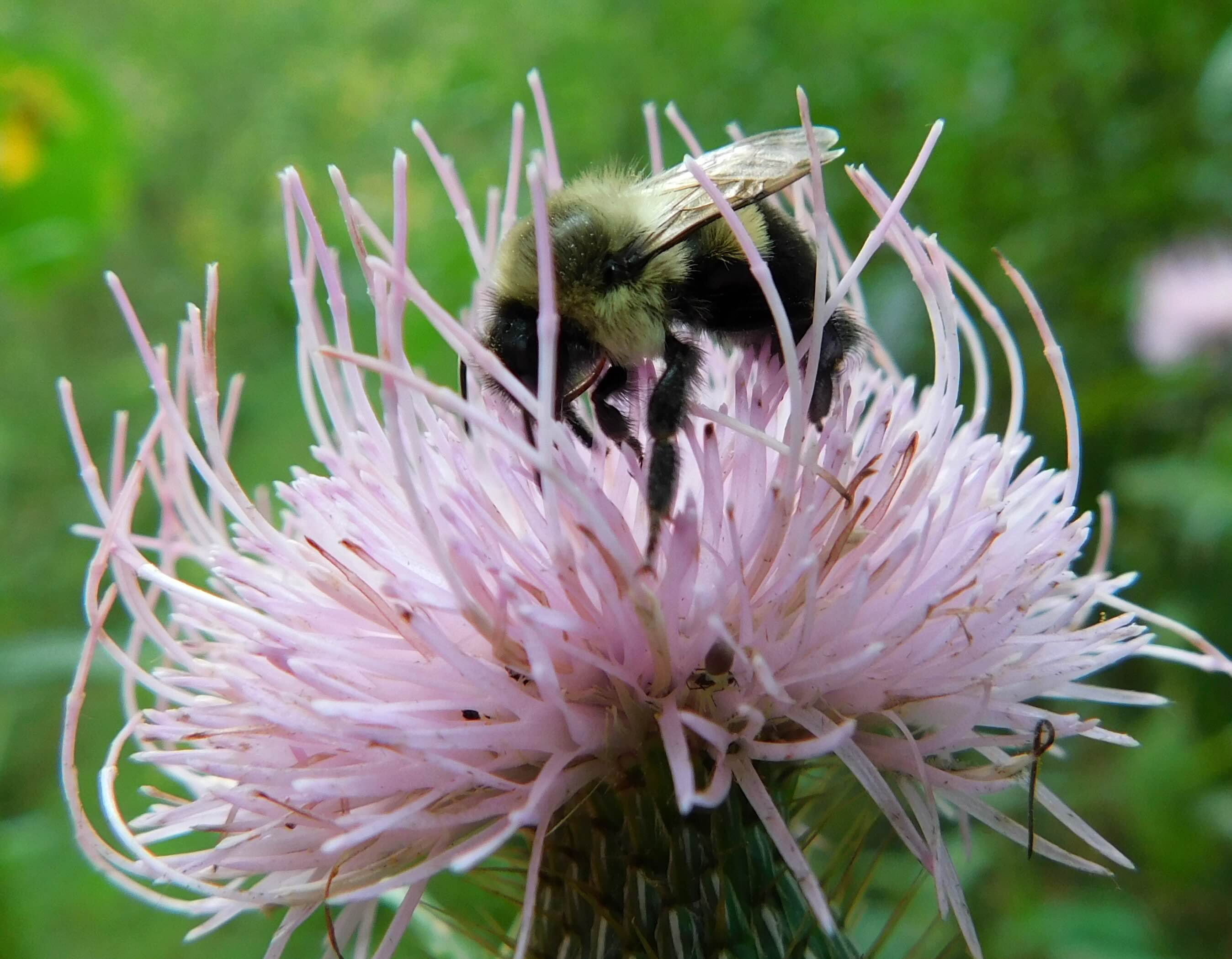
Bumble Bee on a Field Thistle (Cirsium discolor), Putnam County
About the author
Holly Taylor

Holly Taylor got her start with Tennessee State Parks as a Seasonal Interpretive Ranger in 2006, working six years at Edgar Evins State Park before working as a wildlife presenter for the Natural History Education Company of the Mid-South. She took time off to stay at home with her son before returning to TN State Parks as the assistant to State Naturalist Randy Hedgepath in 2018. She graduated from TTU in 2009 with a B.S. in Conservation Biology and also serves as the chapter coordinator for the Cumberland Mountain Chapter of the Tennessee Naturalist Program. She has a life-long passion for the natural world and loves nothing more than sharing that passion with others.