


September 16, 2021 |
Many of us associate Tennessee State Parks and Natural Areas with places to enjoy wildflowers. Indeed, these lands often protect unique and imperiled plant species and are excellent places to admire and photograph them.
Yet there is another organism that I find just as beautiful and intriguing as the flowering plants: fungi!
Fungi are incredibly diverse, and like wildflowers, they make wonderful photography subjects because they can’t run away. Once you train your eye you begin to notice them everywhere; emerging from stumps, peeking out of the leaf litter and even sprouting from the bodies of insects!
While you can see them practically any time of the year, autumn into winter is one of the best times to see fungi.
But what are they exactly? Mushrooms are what we call the fruiting bodies of fungi – sort of like the equivalent of the flower to a plant. They exist only for reproduction, which in the fungus’ case, is facilitated through the production of spores rather than seeds. The actual organism lurks unseen, stretching for many square feet (or even miles!) under the leaf litter or inside a rotting log. Many of these species form what are known as mycorrhizal associations; mutualistic relationships with the surrounding plants and trees. The fungal threads, known as mycelium, intertwine with the roots, creating an interlacing network where food and even chemical information are exchanged. These relationships are vital to plant communities and we are only just beginning to understand them. Science is just now beginning to catch up with what Indigenous People have always known: all life is connected.
Whenever conditions are right, often after a rainy spell, these fungal communities send up their mushrooms to reproduce. Some of these only last for a couple of days, so if you wish to embark on a fungal photography foray it is best to watch the weather. Hitting the trails within a few days after a good rain often yields a nice display. Mature forests that have experienced less disturbance typically have the greatest fungal diversity.
Here are a few of my favorite fungal finds over the past year or so …..
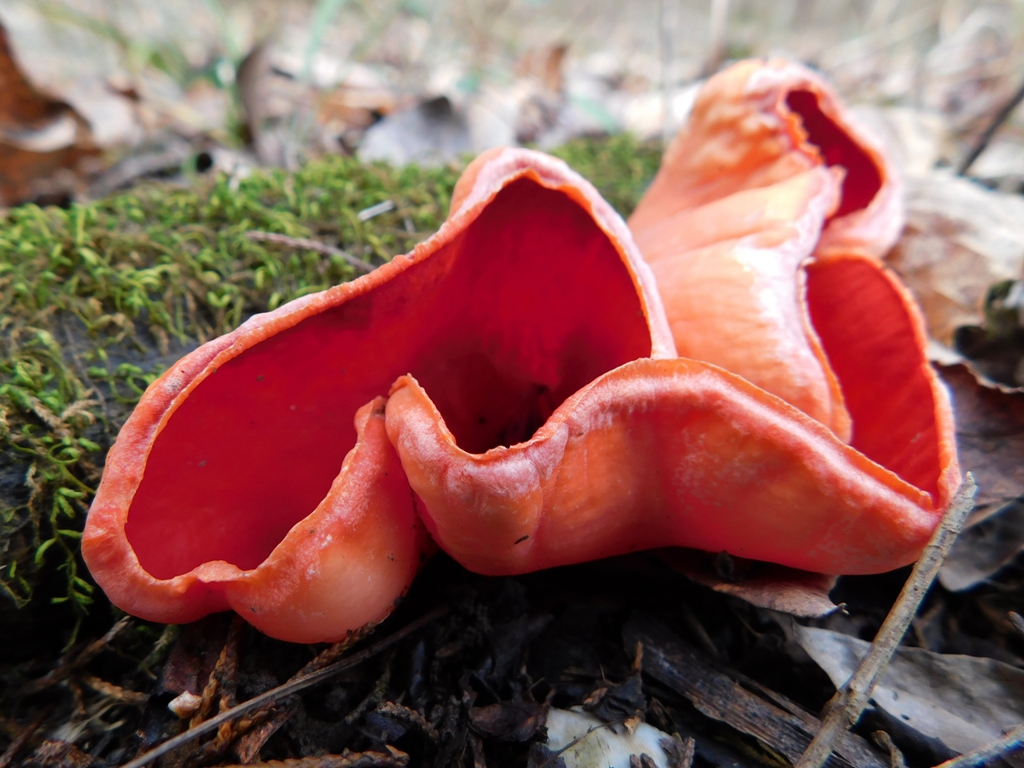
Scarlet Elf Cup (Sarcoscypha), Edgar Evins State Park
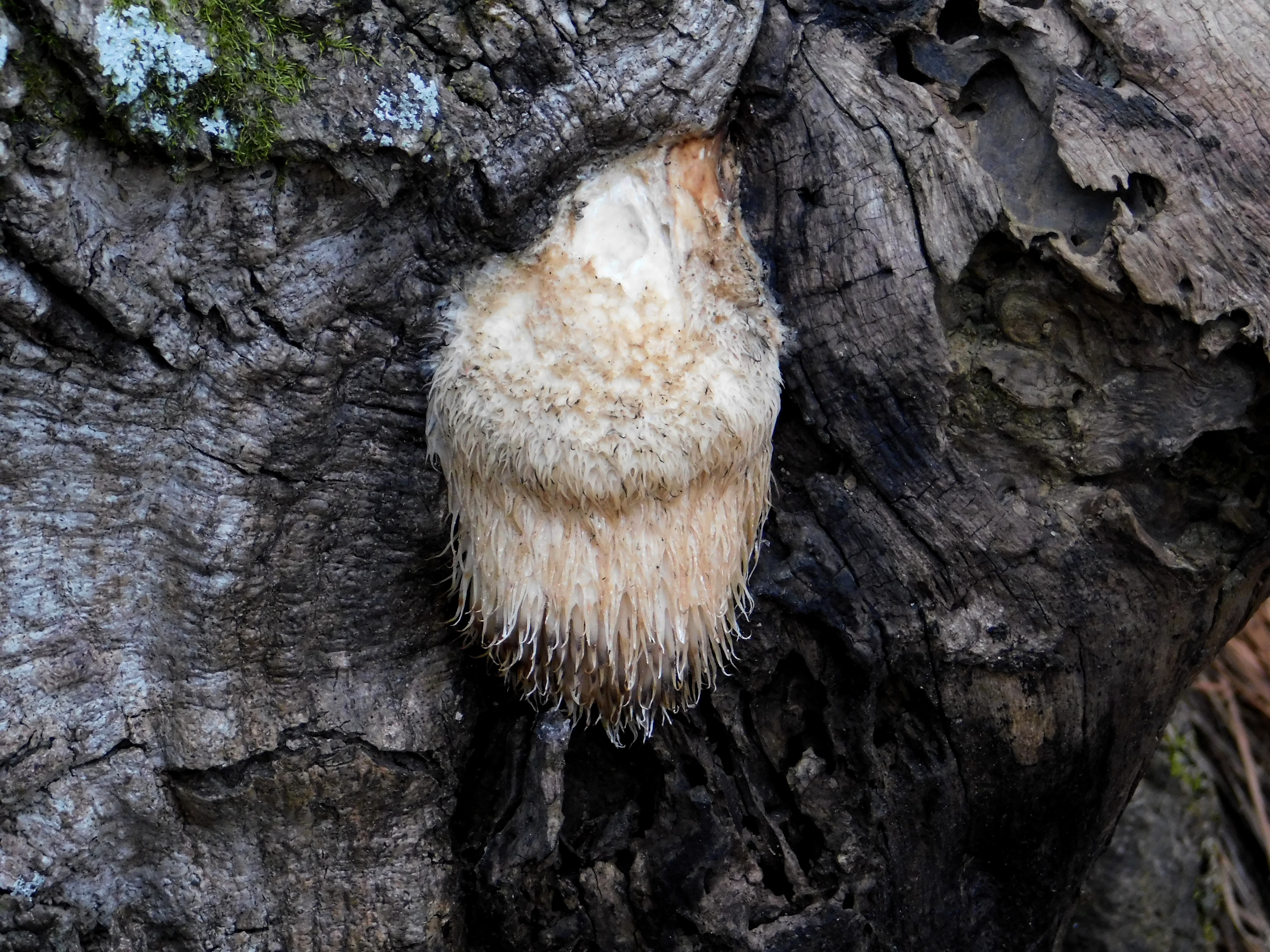
Lion's Mane (Hericium), Natchez Trace State Park
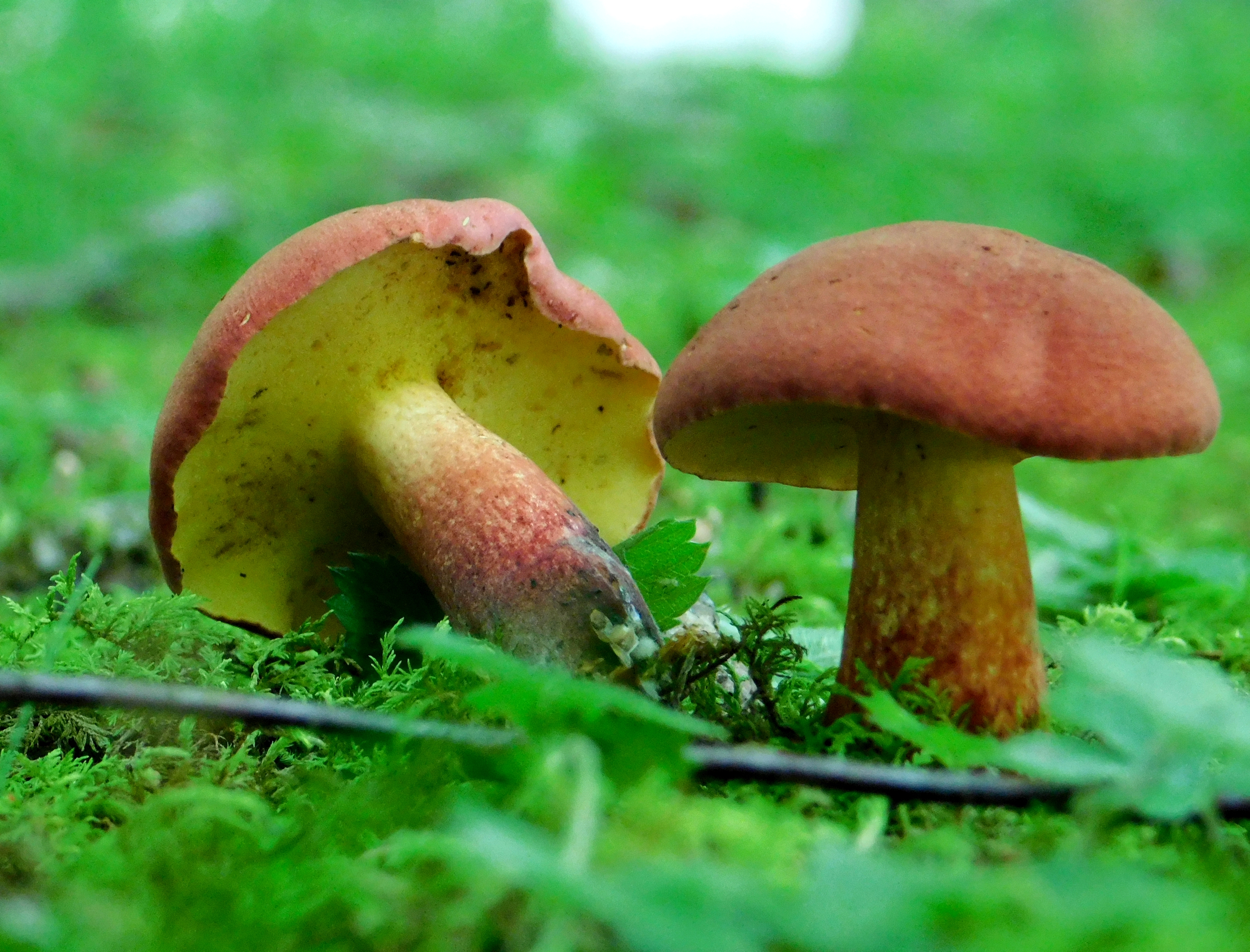
Two-Colored Bolete (Baorangia bicolor), Roan Mountain State Park
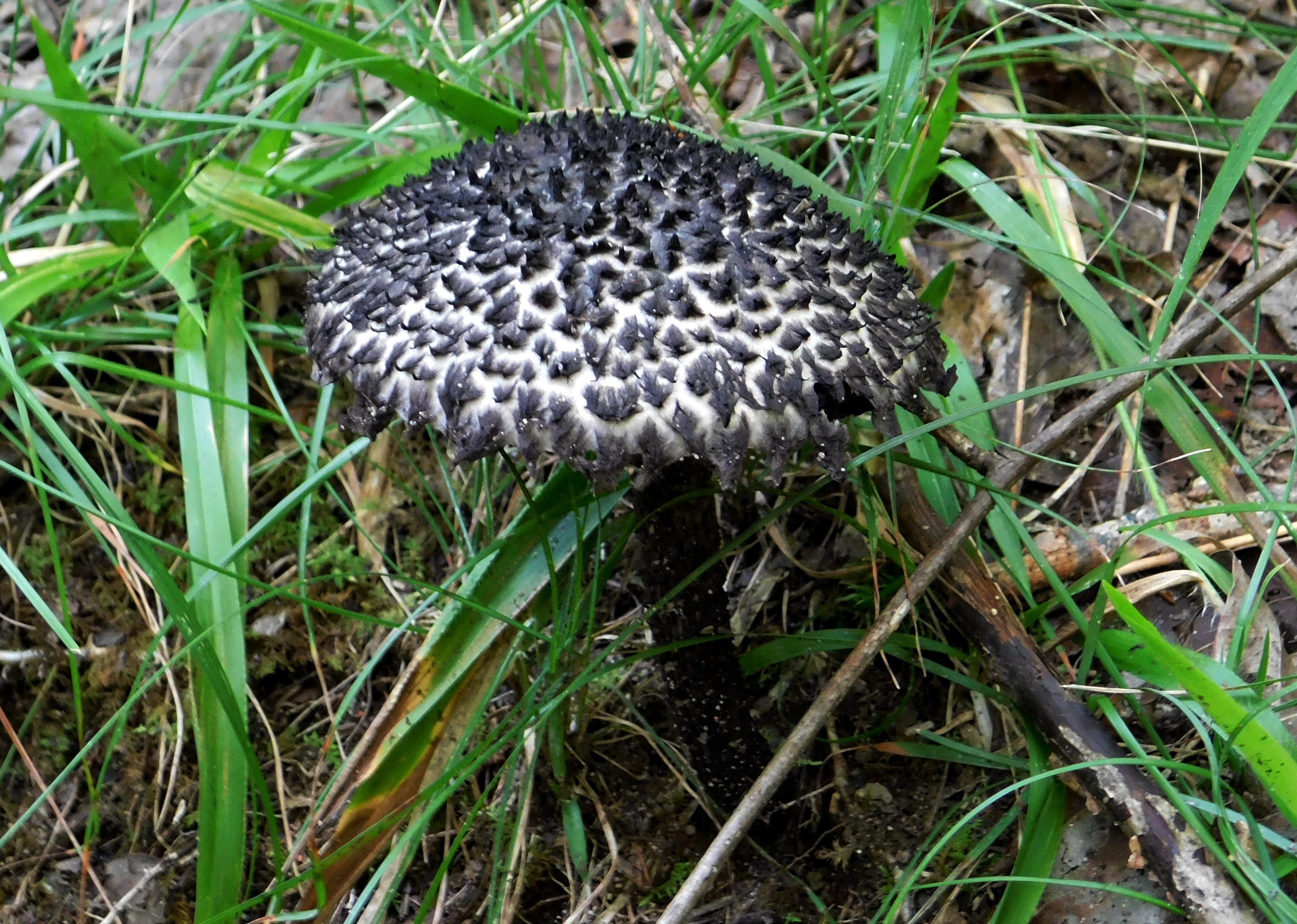
Old Man of the Woods (Strombilomyces strobilaceus), Sewanee Natural Bridge State Natural Area
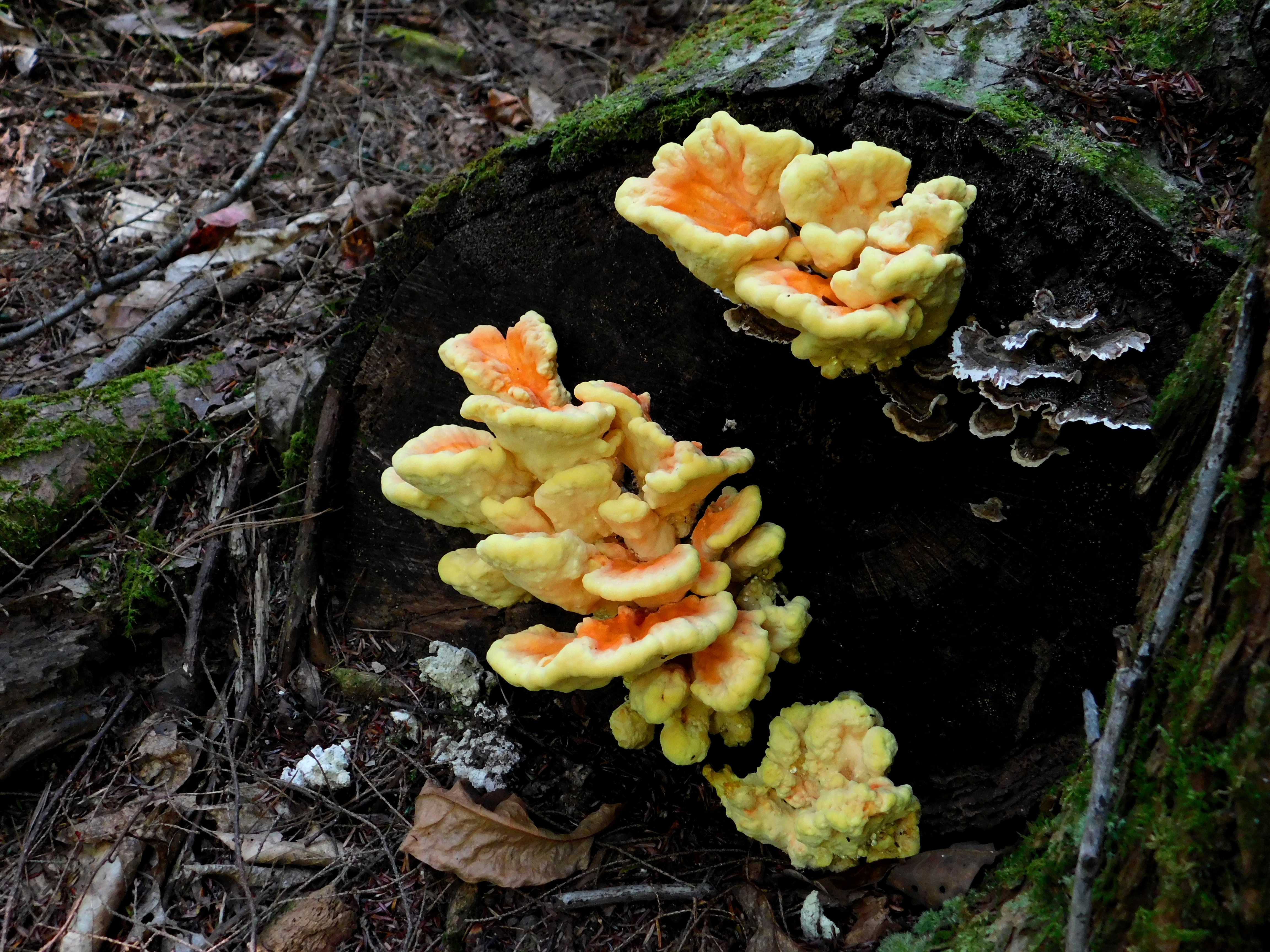
Chicken of the Woods (Laetiporus sulphureus), Rugby State Natural Area
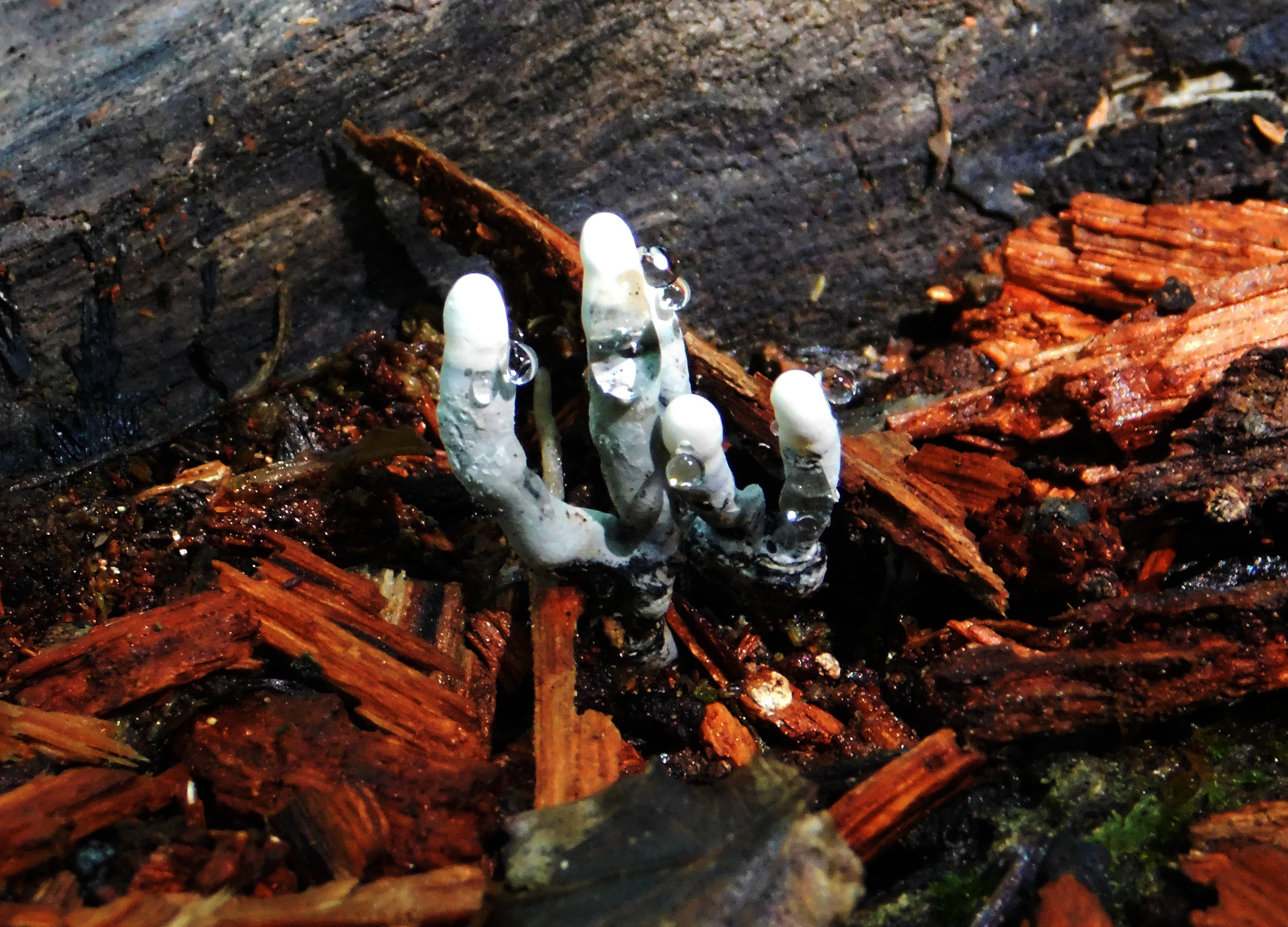
Dead Man's Fingers (Xylaria polymorpha) - one of my absolute favorites! Edgar Evins State Park
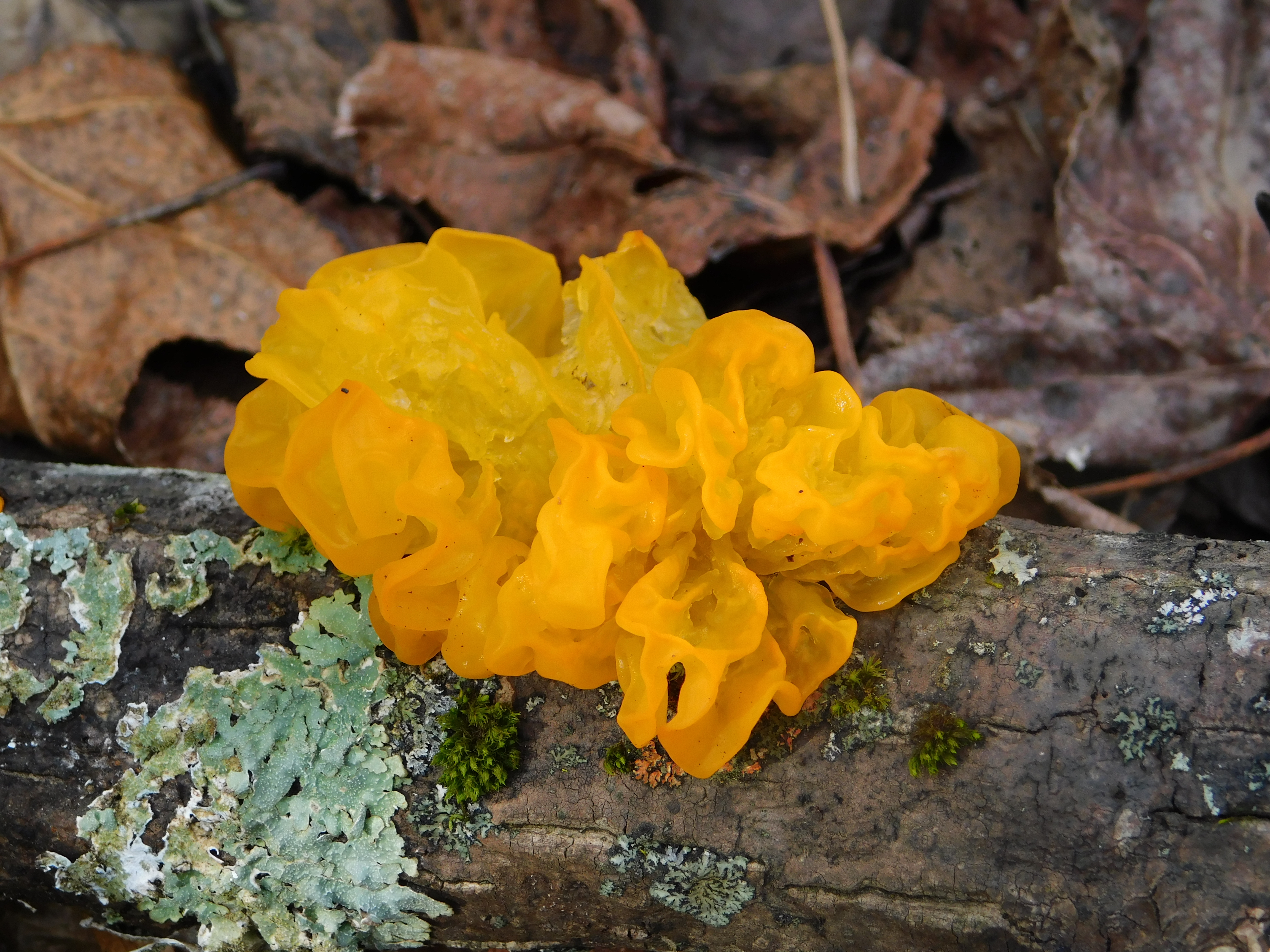
Witches' Butter (Tremella), Edgar Evins State Park
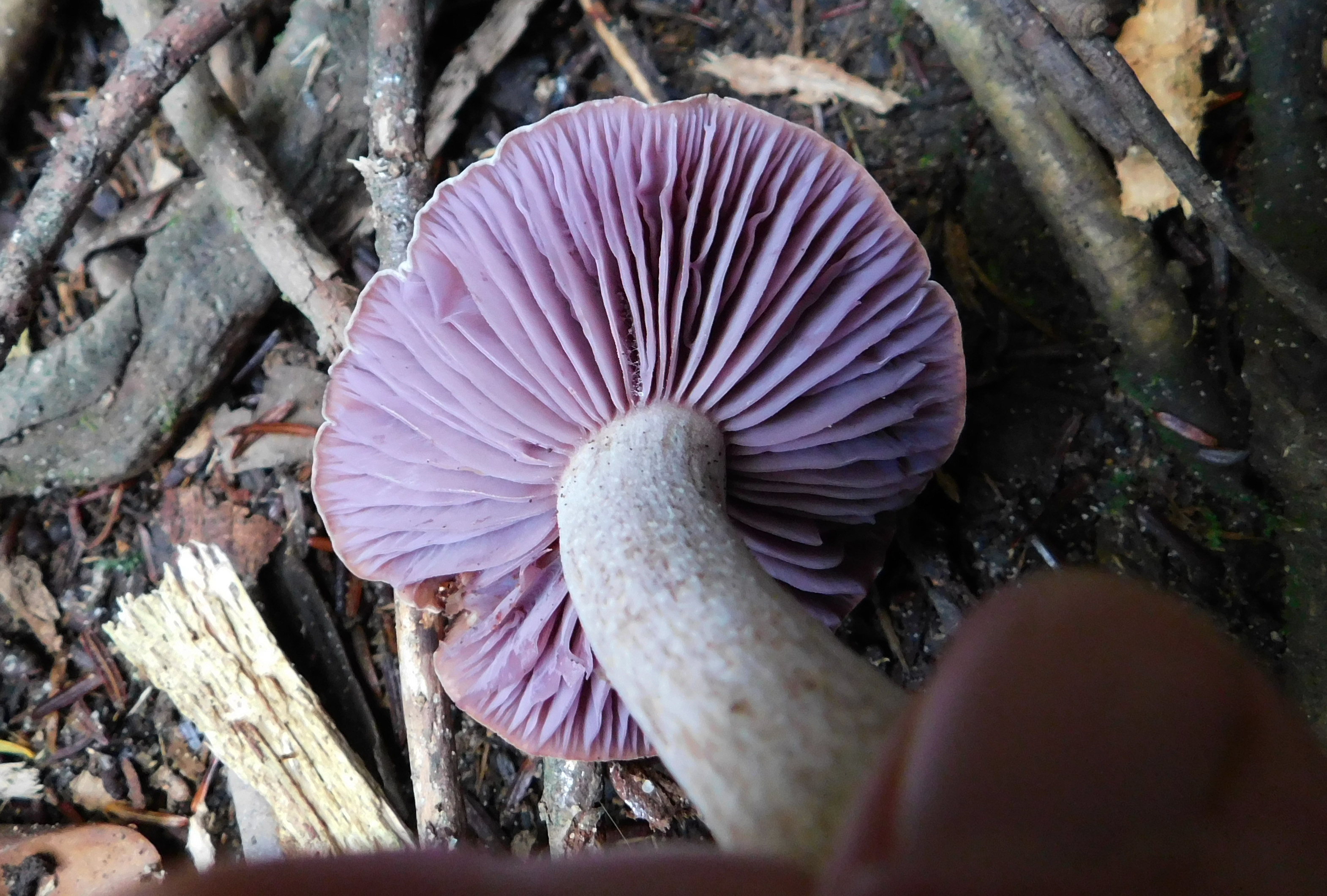
Purple Laccaria (Laccaria ochropurpurea), Colditz Cove State Natural Area
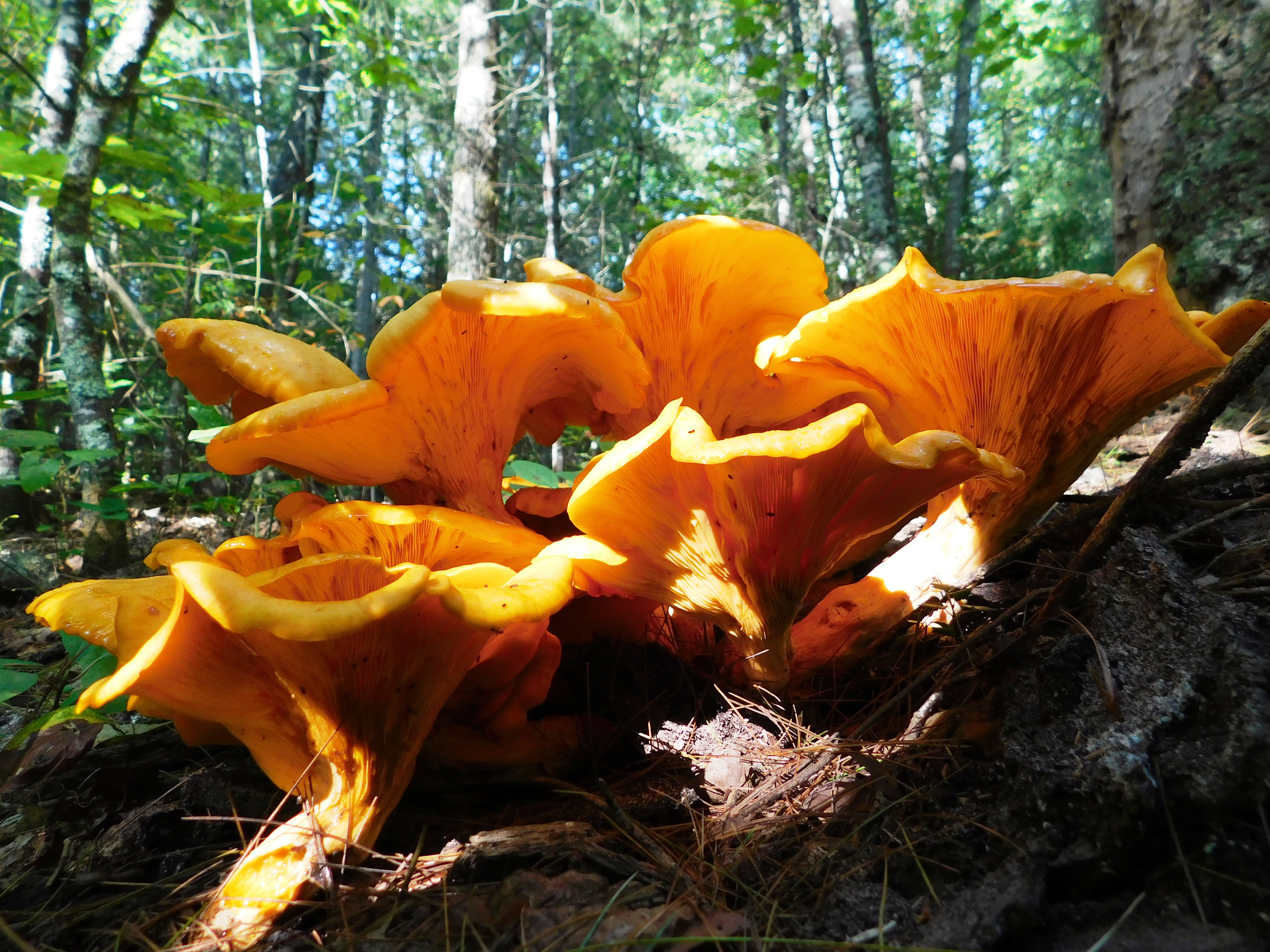
Jack-o-lanterns (Omphalotus illudens), Cumberland Mountain State Park. These are bioluminescent when fresh (foxfire).
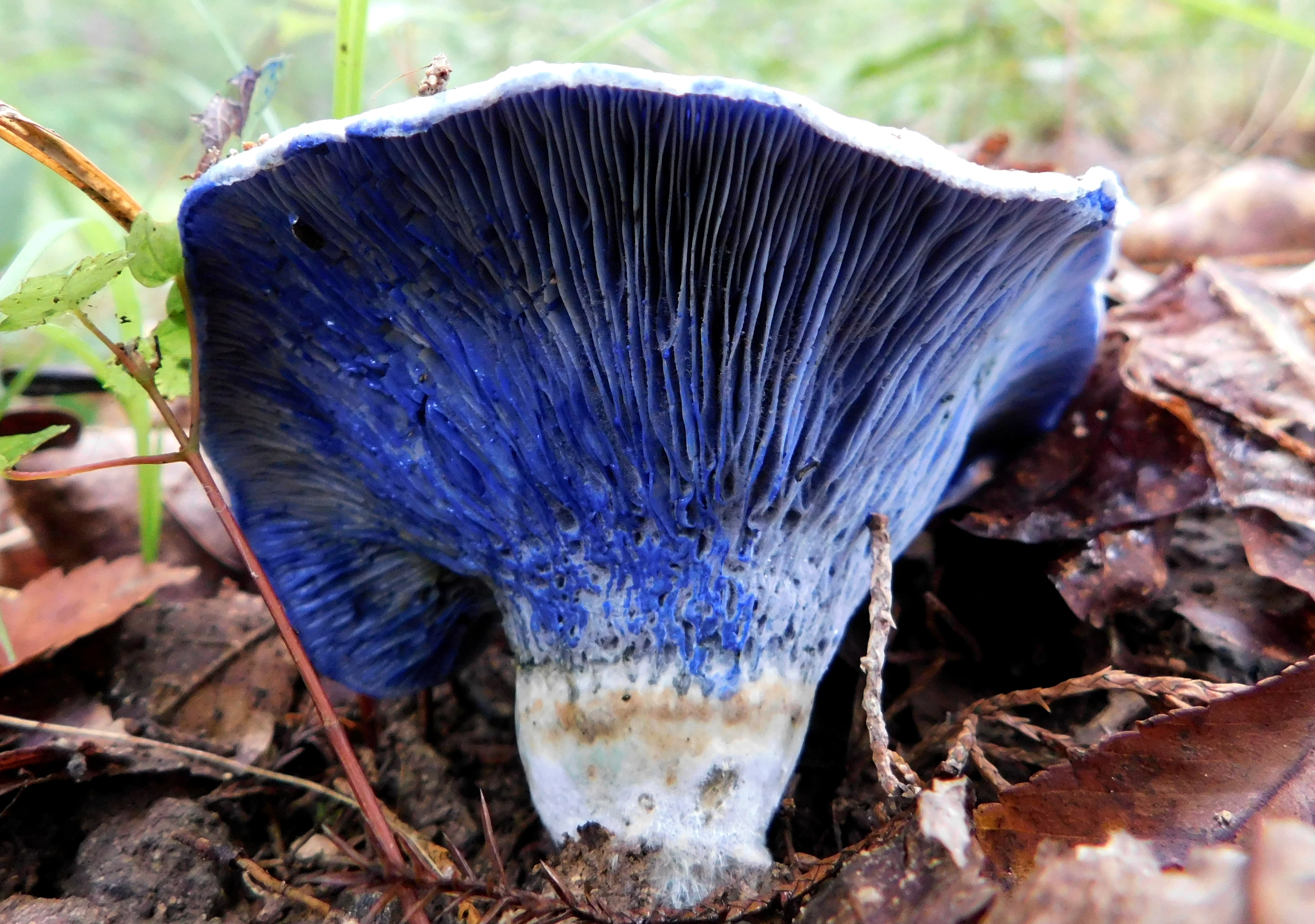
Indigo Milk Cap (Lactarius indigo), Mr. & Mrs. Harry Lee Carter State Natural Area (Franklin county)
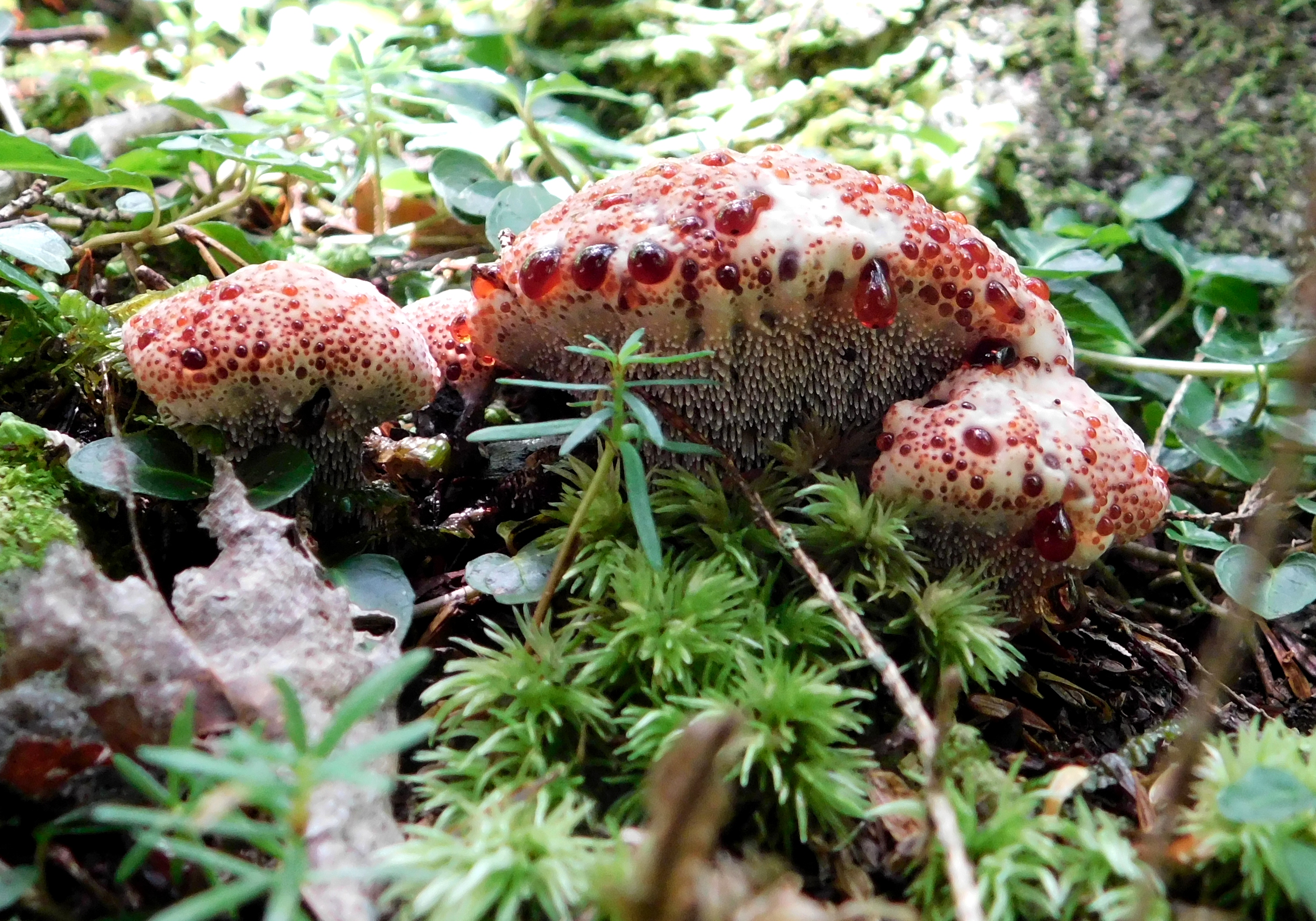
Red Juice Tooth (Hydnellum peckii), Grundy Forest State Natural Area
This is just a small sample of the incredible diversity of fungi that is on display throughout the year in our amazing State Parks and Natural Areas. Hopefully I have inspired you to take a closer look and to try your hand at fungi photography. Consider sharing your findings on iNaturalist whenever you visit. A diversity of fungi present in our ecosystems is a reflection of their overall health - the more species we find and record, the better!
Pro tip: fungi can look incredible when photographed from below, so don't be afraid to get down low!
*Remember, fungi mustn't be collected or disturbed in our State Natural Areas. While collecting fungi in our State Parks is allowed (no more than a handful per person), consider leaving them for the next guests to enjoy (and so they can release their spores!). Also, never harvest mushrooms for consumption without the guidance of an experienced forager.*
Happy mushroom hunting!
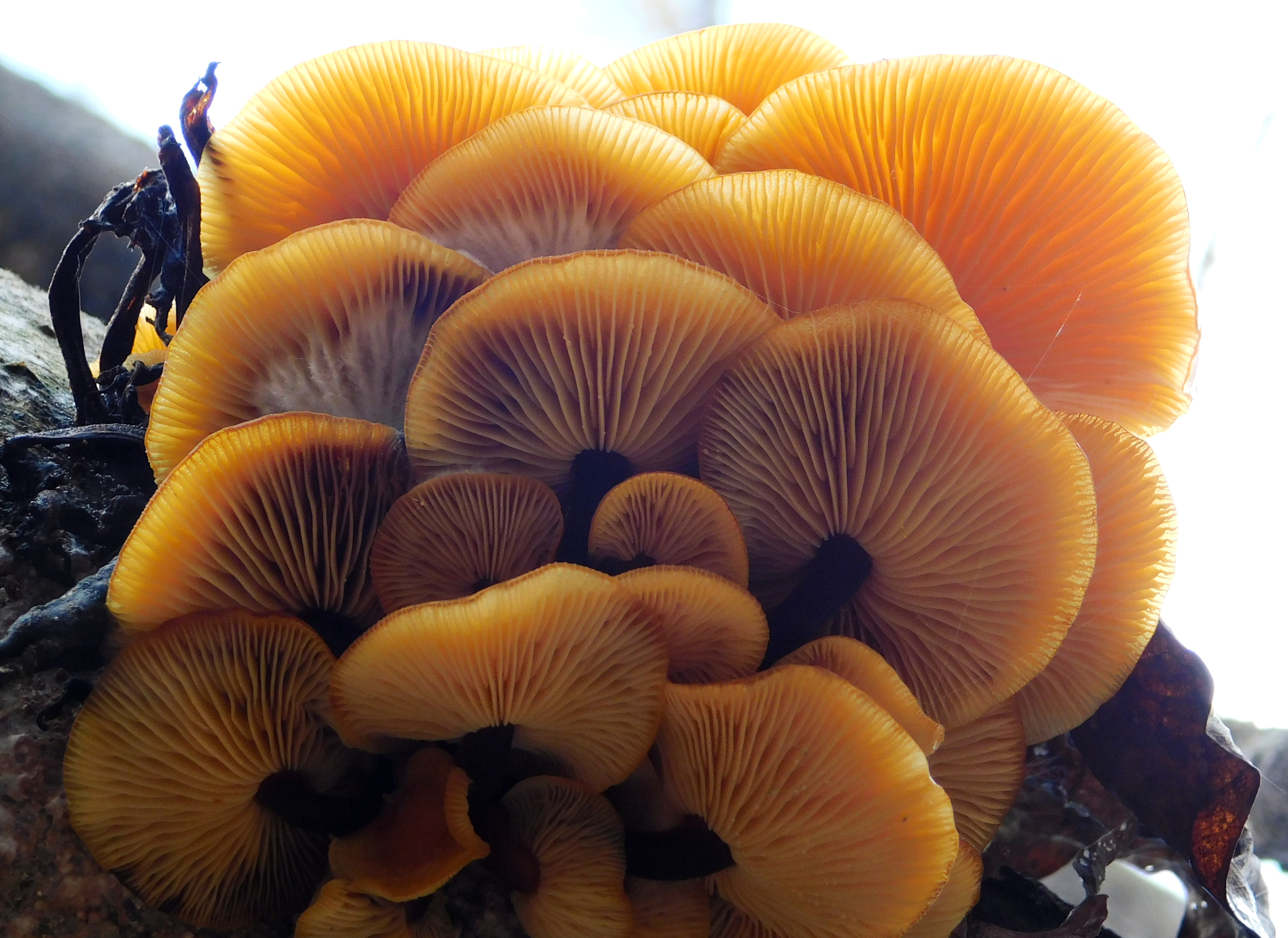
Winter Enoki (Flammulina velupites), Edgar Evins State Park
About the author
Holly Taylor
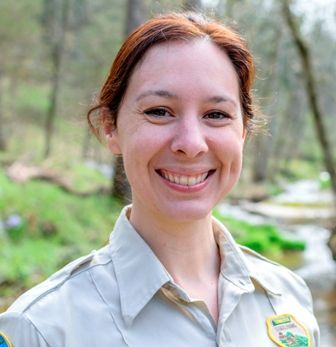
Holly Taylor got her start with Tennessee State Parks as a Seasonal Interpretive Ranger in 2006, working six years at Edgar Evins State Park before working as a wildlife presenter for the Natural History Education Company of the Mid-South. She took time off to stay at home with her son before returning to TN State Parks as the assistant to State Naturalist Randy Hedgepath in 2018. She graduated from TTU in 2009 with a B.S. in Conservation Biology and also serves as the chapter coordinator for the Cumberland Mountain Chapter of the Tennessee Naturalist Program. She has a life-long passion for the natural world and loves nothing more than sharing that passion with others.