


June 24, 2020 |
In celebration of National Pollinator Week, week three of Virtual Junior Ranger Camp allowed Junior Rangers to learn about the essential creatures who help to maintain and enhance our ecosystems through pollination. Without pollinators, we wouldn't be able to enjoy many of the crops we consume daily for food, and our Tennessee State Parks might look a lot different. Pollinators are worthy of a week of celebration, and Junior Rangers had a blast exploring the ins and outs of the pollination process and the essential role pollinators play in our lives. You can also follow Virtual Junior Ranger Camp this summer on the TSP Conservancy's Facebook page.
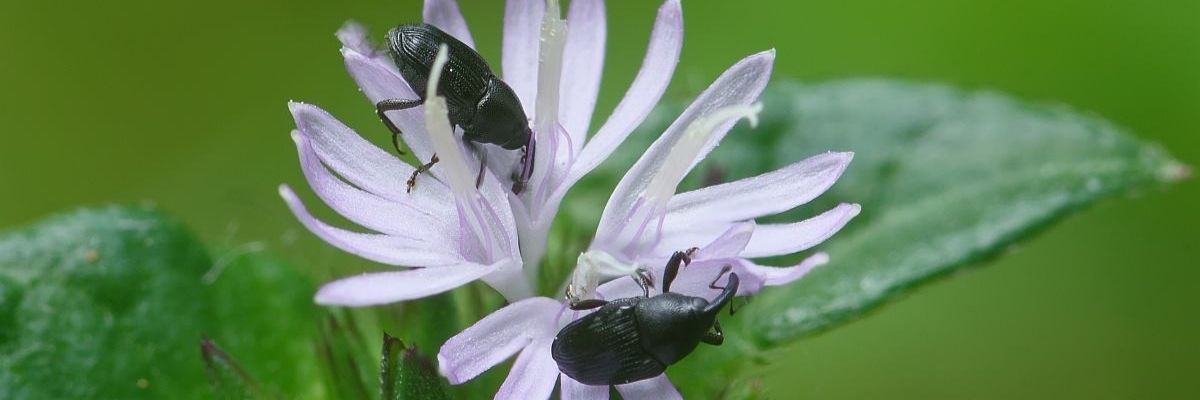
Pollinator Week began with a lesson on the Five B's of Pollination: birds, bats, bees, beetles, and butterflies. While there are lots of creatures out there that pollinate plants, these groups do the heavy lifting. Each help in unique ways to transfer pollen from one flower to another. Junior Rangers gained vital knowledge about these pollinators, including the fact that 530 species of flowers depend on bats for pollination!
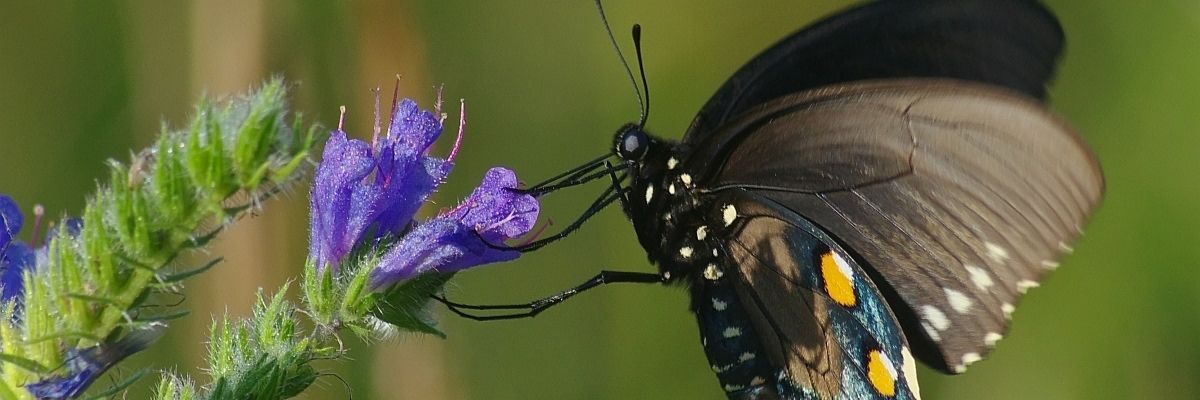
On day two, we discussed some of the ways flowers attract pollinators for reproduction. Most plants use a combination of what we know as the five senses (taste, touch, hearing, smell, and sight) to attract their preferred pollinator. For instance, many plants produce flowers with vibrant blue and yellow hues so that bees, who are especially sensitive to these colors, are more inclined to visit these petals and thus transport pollen from flower to flower. Have you ever been curious as to why some flowers have a scent? Bees have a superb sense of smell, and the scent released by some flowers helps attract bees and other pollinators to their nectar. Many plants must continuously adapt to new methods of attraction to maximize their "pollination potential!"
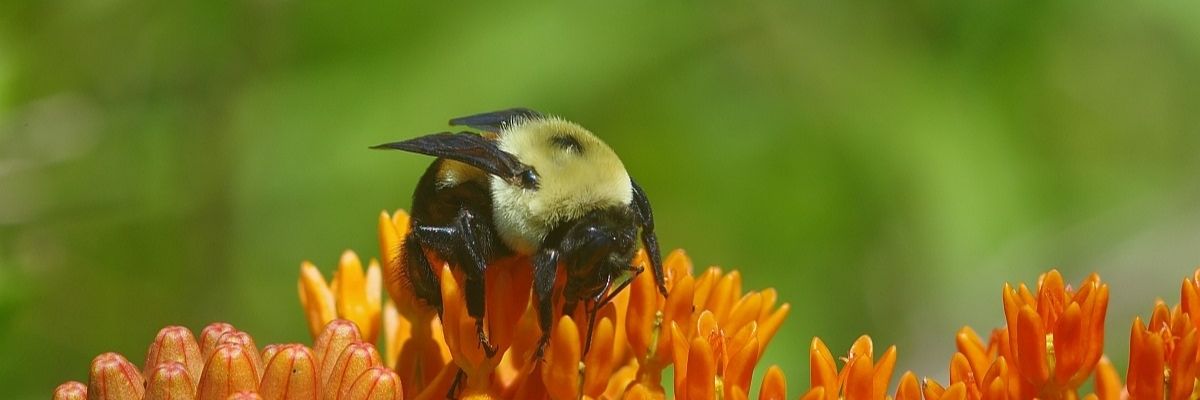
It wouldn't be Pollinator Week without a day devoted to the most efficient pollinator: the bee! Through the help of one of our Tennessee State Parks Interpretation videos, Junior Rangers learned about the lives of honeybees. Honeybees are impressive creatures, and a honeybee hive is a complex system of efficient workers. Did you know all worker bees are female? This fact is just one of the many interesting points Junior Rangers learned on day four of Virtual Junior Ranger Camp.
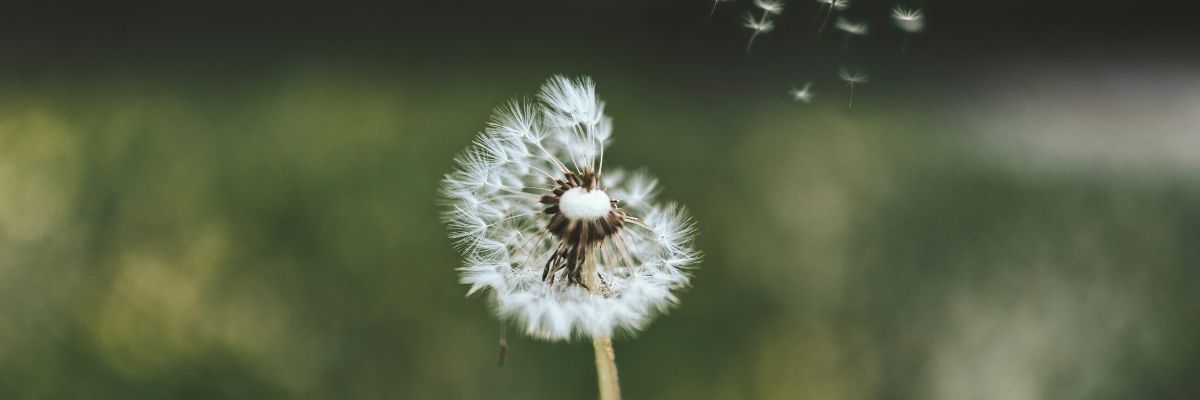
As Pollinator Week wrapped up, Junior Rangers let the pollinators rest and looked at some ways seeds and pollen spread without animal assistance. Have you ever blew on a dandelion fluff to make the seeds fly away? You're helping the pollination cycle by ensuring those seeds spread far and wide. Eventually, they may take root and grow into new flowers – new sources of food that pollinators will use in the journey to collect and eat nectar. Sometimes those and other seeds will land in water and get carried far away to new places, where they will hopefully take root and grow.
Week three of Virtual Junior Ranger Camp was buzzing with excitement! Junior Rangers gained some vital knowledge that will hopefully inspire them to help protect this vital group of creatures. We can't wait for next week's Virtual Junior Ranger Camp: Water Week!
About the author
TSP Conservancy