
Fort Loudoun Highlights
Notification Alert
Kayak Rentals Temporarily Unavailable
Kayak Rentals are closed for this season due to ongoing ADA construction at the park. The boat dock with kayak launches is currently ripped out, and we do not have an ETA for its completion. Park guests are still welcome to bring kayaks and put them into the water; however, they cannot drive to these points to drop off kayaks as they normally would.
Thank you for your patience and understanding. If you have any questions, please contact the park office.
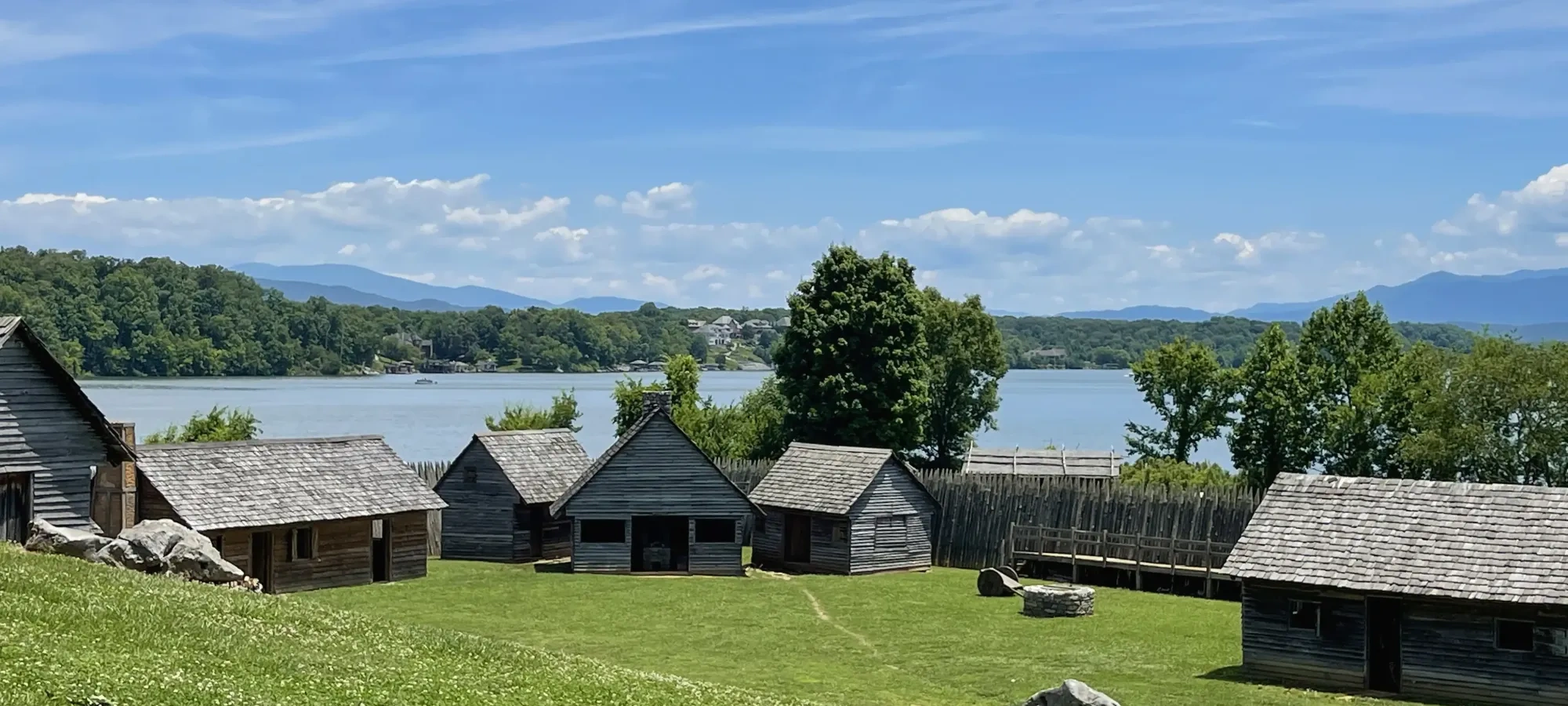
A Bastion of History and Lasting Legacy
Step back in time at Fort Loudoun State Historic Park, where the echoes of colonial conflict and Cherokee-Anglo relations resonate through the meticulously reconstructed fort. More than just a park, it's a portal to the 18th century, offering a glimpse into a pivotal era in Tennessee's history. But the story doesn't end there. Discover the secrets held within its walls and the natural beauty that surrounds it — a tale best experienced firsthand. Uncover more about this historic landmark.
Discover Fort Loudoun State Historic Park
Fort Loudoun State Historic Park invites you to immerse yourself in a rich tapestry of history and natural beauty. The park offers a tangible connection to the complex interactions between European powers and Native American tribes that shaped the early American frontier. As you explore the ramparts and walk the surrounding trails, you'll gain a deeper understanding of the struggles, alliances, and cultural exchanges that defined this pivotal era. Whether you're a history enthusiast, an outdoor adventurer, or simply seeking a unique and enriching experience, Fort Loudoun State Historic Park promises an unforgettable journey through time.
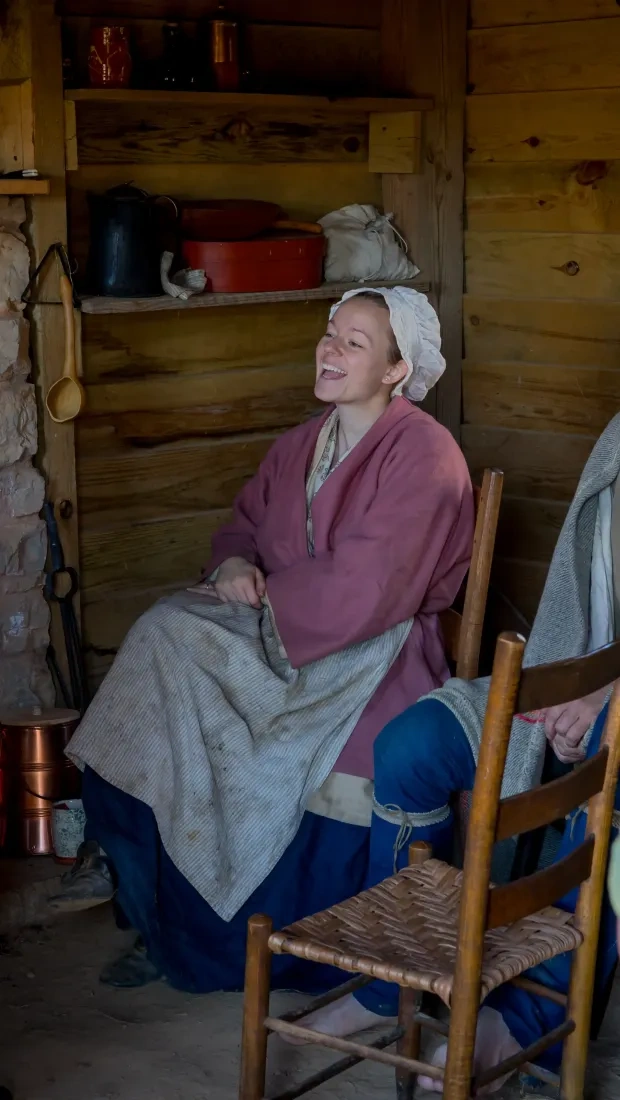
History
Fort Loudoun's history is a compelling narrative of strategic importance, cultural exchange, and ultimately, tragic conflict.
This outpost, the westernmost of its kind in what is now the United States, was strategically positioned on a river bend on the Little Tennessee River that provided a clear view of the waterway and allowed defenders to better protect the area from potential attackers.
In 1760, amidst growing hostilities, the Cherokee laid siege to Fort Loudon. After months of dwindling supplies and failed attempts at relief, the British garrison, led by Captain Paul Demere, surrendered. However, the surrendering soldiers were ambushed by Cherokee warriors shortly after leaving the fort, marking a turning point in relations that led to further conflict.
The park is tied to several historical figures, including South Carolina Colonial Governors Glenn and Littleton, engineer William Gerard De Brahm, Tennessee Governor John Sevier, Louis Phelippe Duc de Orleans (King of France from 1830 to 1848), cartographer Lt. Henry Timberlake, naturalist William Bartram, and Cherokee leaders Oconostota, Attakullakulla (“Little Carpenter”), and Old Hop.
The park includes the McGhee/Carson Wildlife Area which contains the ruins of a former antebellum home and cemetery, offering insights into Tennessee’s Civil War-era plantations, slavery, and local history. The park also features exhibits related to women’s history and Native American history, particularly that of the Cherokee tribe.
From the Rangers
-
The Perfect Day
Begin your day exploring the reconstructed fort, imagining life as a British soldier or Cherokee diplomat. Hike the scenic trails, taking in panoramic views of the Unicoi and Great Smoky Mountains. End your visit with a relaxing picnic by Tellico Lake, reflecting on the stories etched into this historic landscape.
-
Insider Information
For a truly unique experience, plan your visit around the Christmas Garrison or a guided night hike — the only time you can see the fort illuminated after dark. Don't miss the mountain overlook on the Ridgetop Trail, offering a breathtaking, lesser-known vista. Weekdays after noon are ideal for avoiding crowds and enjoying a more tranquil visit.
-
Know Before You Go
Cell service is limited within the fort and on the trails, so plan accordingly. Wi-Fi is not readily available. The restrooms in the picnic area are closed from December through March.


Trails
Explore the park's network of hiking trails, offering varying levels of difficulty and scenic overlooks. The Ridgetop Trail provides access to a mountain overlook, while the Meadow Loop Trail is best for wildflower viewing.
-
Mountains and Vistas
From the visitor center/museum and the Ridgetop Trail, you can view the Unicoi Mountains and the southern end of the Great Smoky Mountains.
-
Water Features
Tellico Lake, with its 357 miles of shoreline and 15,560 acres of water, offers a tranquil escape for those seeking a scenic and intimate experience in the heart of the Appalachian Mountains.


Plants
Fort Loudoun State Historic Park is home to a diverse array of flora.
Plan your visit during the spring to witness the beauty of the many wildflowers. To learn more about the unique plant life of the park, be sure to speak with a Park Ranger.

Plant Types
- Trillium
- Wildflowers (General)
- Mayflowers
- Mixed Hardwoods
- American beautyberry
- Blackberries
- Golden rod
- Thistles
Animals
Keep an eye out for the wildlife that calls Fort Loudoun home.
Remember to maintain a safe distance from all wildlife, as they are not domesticated animals. To learn more about the unique animal life of the park, be sure to speak with a Park Ranger.

Animal Species
- Birds
- Squirrels
- Deer
- Rabbits
- Eastern Box Turtle
- Opossums
- Skunks
- Raccoon
- Bald Eagle
- Osprey
Inspiration
-

Honor Black History at Tennessee State Parks
Honor Black History at Tennessee State Parks - Read ArticleDuring Black History Month this February—and throughout the year—we invite you to reflect on Black history in Tennessee's state parks. Explore these parks that preserve and share Black history and heritage. -

“A Wonderful Bird is the Pelican…”
“A Wonderful Bird is the Pelican…” - Read ArticleWe often associate pelicans with sea spray, waves and warm beaches, yet one of America’s largest and most majestic birds breeds in the American Heartland and can be seen during its winter migration on inland freshwater and coastal bays and estuaries throughout our continent. -
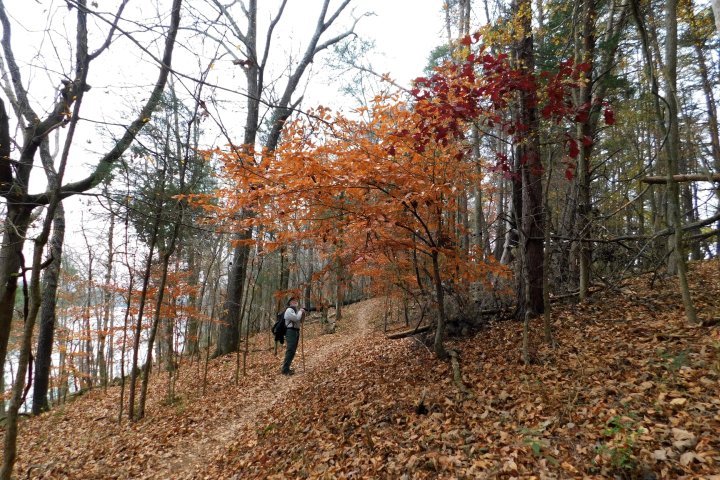
Are Leaves Really “Litter?”
Are Leaves Really “Litter?” - Read ArticleLet's explore the one type of litter that is actually good for the environment, as well as the organisms whose lives depend on it. -
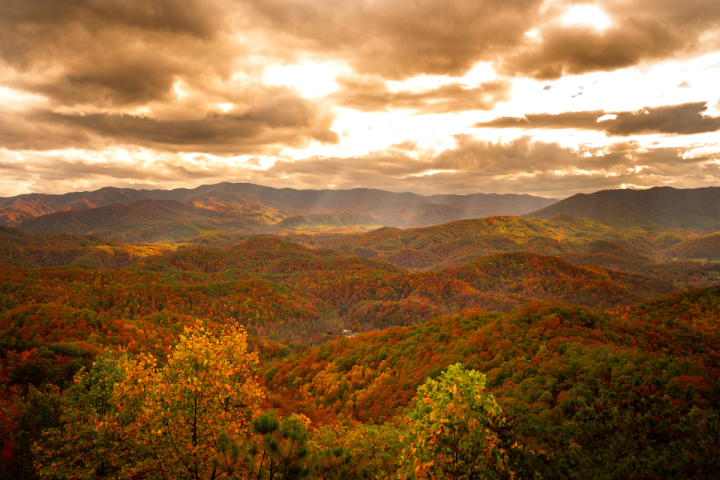
Unique Ways to Experience Fall Foliage in Tennessee
Unique Ways to Experience Fall Foliage in Tennessee - Read ArticleAs leaves change color and crisp air settles in, it's the perfect time to explore Tennessee's natural beauty. With over 60 state parks, you'll find countless opportunities to witness autumn's vibrant hues. Here are some unique suggestions for viewing fall foliage—including what to do and where to visit.


