
Panther Creek Highlights
Notification Alert
Major Improvements at the Park
A capital improvement project to construct a day-use recreation lodge and new playground will begin at the park on Monday, April 13, 2026. The swimming pool parking lot, playground, playground restrooms, beach volleyball and basketball courts will be closed to the public during construction, which is scheduled to be completed by mid-year 2027.
The tennis courts and disc-golf course will remain open but parking for these amenities will be limited to the lots adjacent to the visitor center and Spoone shelter. This project will significantly enhance the quantity and quality of recreational opportunities provided by the park. We appreciate your patience and understanding as we work to complete this exciting new project for the benefit of our visitors.
Playground Closed For Renovation
The park playground will be permanently closed to the public beginning Tuesday, April 7, 2026. The existing playground will be removed, and a new playground will be constructed at the park. The new playground is scheduled to be completed by mid-year 2027 and will be a tremendous improvement over the existing playground.
We appreciate your patience and understanding as we work to improve the park for our visitors. If you have any questions, please contact the park office.
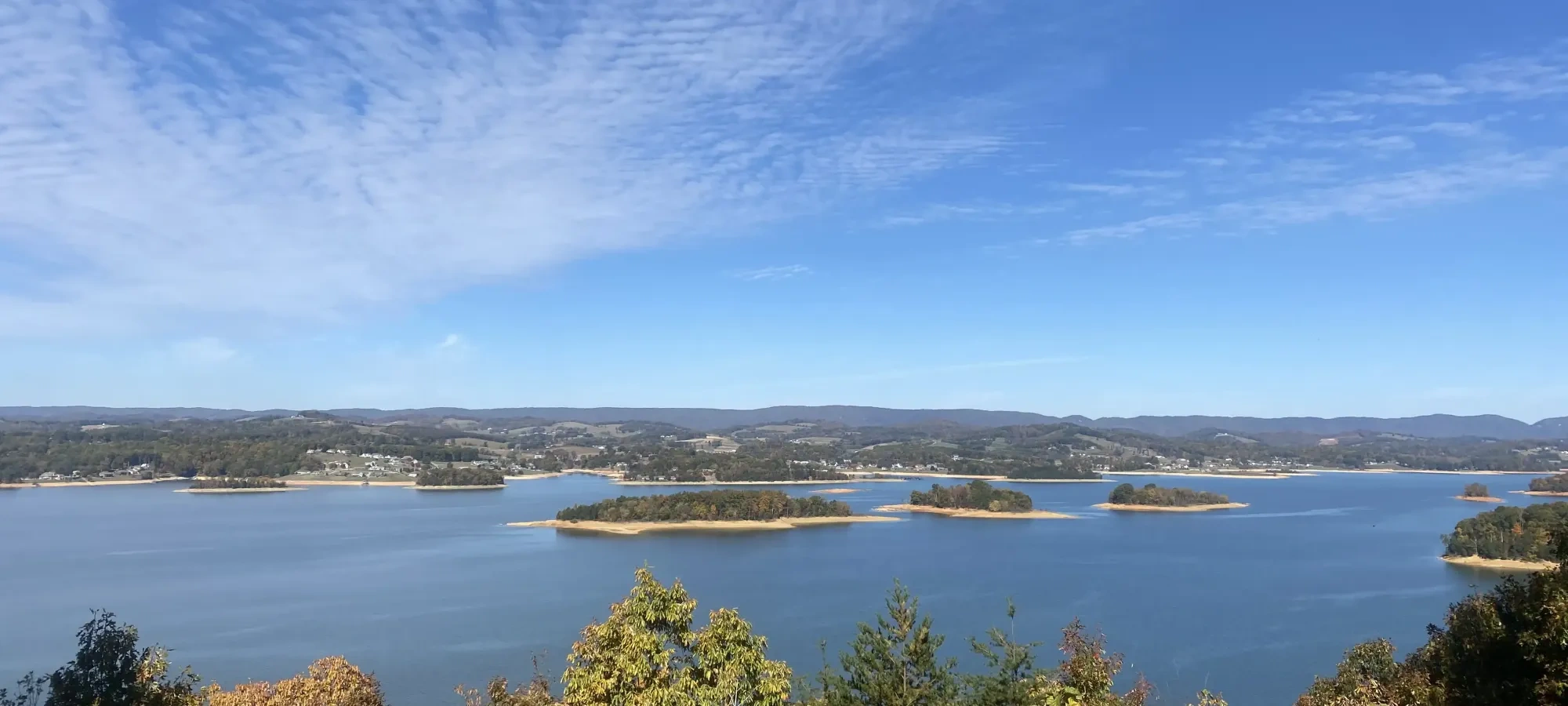
From Farmland to Forever Wild
Discover Panther Creek State Park, a captivating blend of natural beauty and rich history nestled in the Ridge and Valley Region of the Appalachian Mountains. From its humble beginnings as farmland to its current status as a protected refuge for regional flora and fauna, Panther Creek State Park offers a unique escape for outdoor enthusiasts and history buffs alike. Uncover the secrets of this 1,444-acre haven, where every trail and vista tells a story waiting to be explored.
Discover Panther Creek State Park
Panther Creek State Park is a testament to the preservation of Tennessee's natural and cultural heritage. Established in 1967, the park transformed from predominantly agricultural land into a sanctuary for diverse plant and animal life. Legend has it that the creek and springs got their names shortly after the Revolutionary War when Colonel Bradley of Virginia was exploring the area and shot a panther that fell into the spring.
Today, Panther Creek State Park invites visitors to immerse themselves in its tranquil landscapes, explore its historical remnants, and create lasting memories amidst its natural wonders. Whether you're seeking thrilling outdoor adventures or a peaceful retreat into nature, Panther Creek State Park promises an unforgettable experience.
History
The history of Panther Creek State Park is a tapestry woven from various eras, each leaving its mark on the land.
Before its establishment as a park, the area was primarily used for farming and agriculture. Most families farmed and raised livestock on small plots that averaged 60 acres. Even those who owned businesses held an interest in farming, and many provided for their families by raising crops. Initially, farmers grew corn, small grains, hay, and tobacco for personal use, but later began cultivating wheat and tobacco for trade.
The Panther Springs community, in which the park is located, was once considerably more important than Morristown, as it was the first stop on the stagecoach route from Knoxville to Abingdon, Virginia. Settlers located near the spring and built imposing homes. The Panther Springs community slowly slid into obscurity when a railroad, built in the late 1850s, bypassed the small community and established a depot in Morristown. This resulted in a gradual shift of population and commerce to Morristown.
Cultural artifacts such as springhouses, family cemeteries, and the remnants of homes and barns remain within the park. Currently, four cemeteries, four springhouses, six house foundations, one cellar, and the remnants of two barns have been located in the park. Cultural resources are scattered throughout the park and are mostly located in remote areas that are typically unnoticed and inaccessible to the public.
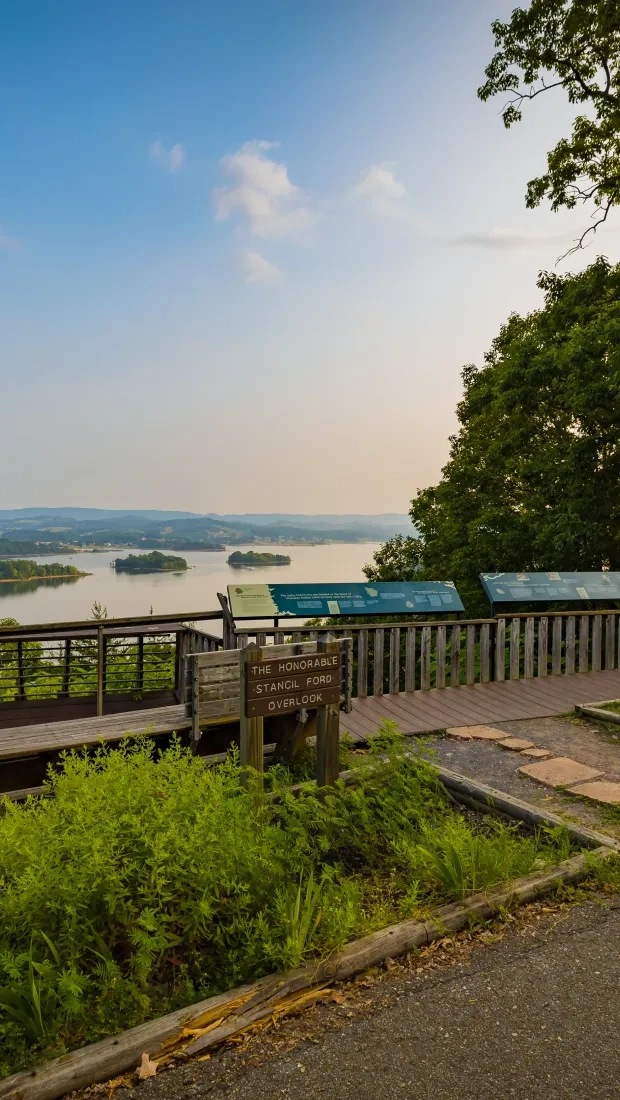
Just two days before the attack on Pearl Harbor during World War II, the construction of the Cherokee Dam was completed, with its purpose being to generate hydroelectric power for the war effort. Today, visitors can explore these historical layers through interpretive panels at the lake observation platform and by requesting historical fliers at the Visitor Center.
From the Rangers
-
The Perfect Day
Start your day with a visit to the lake and creek observation decks, taking in the breathtaking views of Cherokee Lake and the surrounding mountains. Stop by the Visitor Center to meet Oliver, the barred owl, and then head to the campground store for ice cream and a cold drink. In the afternoon, walk along the Panther Path and Old Wagon Trails to experience awesome views of Panther Creek and Cherokee Lake. Don't forget to stamp your Tennessee State Park Passport booklet and grab a souvenir at the Visitor Center before you leave.
-
Insider Information
For a truly unique experience, keep an eye out for bald eagles soaring near the lake observation platform. In April, the Trout Lily Trail corridor bursts into a vibrant display of wildflowers. In late summer, coreopsis blooms in profusion along the exposed shoreline of Cherokee Lake after the water has receded somewhat. Massive carp can be viewed attempting to swim upstream in Panther Creek during the spring and summer months. In June, tons of blackberries are accessible for visitors to enjoy along Panther Path and adjacent to the Group Camp. For a sense of isolation, explore the Pioneer, Maple Arch, and Ridgecrest Trails, which wind along the outer margins of the park.
-
Know Before You Go
If you're planning a visit to Panther Creek State Park, keep in mind that cell service can be limited in some areas, although there tends to be enough reception throughout all areas of the park to make a phone call. Wi-Fi is available in the campground for overnight guests. The best route for those with RVs or horse trailers to reach the park is to take Exit 4 (White Pine) off Interstate 81, turn north on State Route 66 toward Morristown, continue along State Route 66 to the junction with U.S. Route 11E, turn west (left) on U.S. Route 11E, then turn northwest (right) onto State Route 342 (Panther Creek Road), which leads to the park.


Land and Water
-
Trails
Panther Creek State Park boasts a world-class, 28-mile trail system that caters to hikers, mountain bikers, and horseback riders alike. These trails wind through diverse terrain, offering stunning views of Cherokee Lake, lush forests, and unique geological formations. Whether you're seeking a leisurely stroll or a challenging trek, the park trails provide an immersive experience in the heart of nature.
-
Mountains and Vistas
Located in the Ridge and Valley Region of the Appalachian Mountain Range, Panther Creek State Park offers breathtaking mountain views from various locations. From the lake observation deck, visitors can gaze upon Clinch Mountain, Poor Valley Ridge, and Point Lookout, the highest elevation in the park. The main park road travels along Hunt Knob Ridge for a distance of 0.46 miles. In many places along this section of road, a visitor can observe Cherokee Lake, Grainger County, and Clinch Mountain to the North, then walk to the other side of the road and see Panther Creek embayment to the South.
-
Water Features
Cherokee Lake is a prominent feature of Panther Creek State Park, offering opportunities for boating, fishing, and scenic views. The lake is a popular destination for water sports enthusiasts and provides a tranquil setting for relaxation and wildlife observation. Visitors can access the lake via the park's boat ramp and enjoy the serene coves and abundant waterfowl that call the area home.


Plants
Panther Creek State Park is home to a diverse array of flora, with 71 species of trees and 298 species of plants inventoried within its boundaries.
The wooded areas are primarily second-growth hardwoods, with impressive specimens of cedar and Virginia pine found on River Ridge. For a deeper understanding of the park's unique plant life, be sure to join a Ranger-led program and discover the secrets of the forest.
Common Wildflowers
- Bloodroot
- Wild Geranium
- Toothwort
- Spring Beauty
- Redbud (Eastern Redbud)
- Fire Pink
- Dwarf Larkspur
- Joe-Pye Weed
- Bee Balm (Monarda didyma)
- Ironweed
- Butterfly Weed
- Common buttonbush
- Goldenrod
- Bellwort
- Wild columbine
- Dutchman’s Breeches
- Jack-in-the-pulpit
- Mayapple
- Purple Passionflower
- Purple Phacelia
- Helmet Skullcap
- Trout Lillies
- VIolet Woodsorrel
- Rue Anemone
- Star Chickweed
- False Solomon’s Seal
- White Baneberry
- Wild Ginger
- Indian Pink
- Dwarf Crested Iris
- Bluets
- Wild Petunia
- Blue-eyed Grass
- Wild Hyacinth
- Blue Star
- Wild Comfrey
- Squawroot
- Lemon Trillium
- Black Cohosh
- Milk Weed
- Rattlesnake Orchid
- Queen Anne’s Lace
- Rose Pink
- Wild Rose
- Heal-all
- St. Johnswort
- Rose Mallow
- Golden Crownbeard
- Blue Curls
- Horsenettle Berries
- Blue Violet
- Common Yarro
- Coreopsis
- Deptford Pink
- Fleabane
- Goldenseal
- Spiderwortstar
- Star of Bethlehem
- Twin Leaf
- Wild Bergamot
- Wild Blue Phlox
- Wild Petunia
- Yellow Ragwort
- Yellow Stargrass
Common Trees
- Beech (American Beech)
- American Elm
- Black Cherry
- Black Oak
- Black Walnut
- Boxelder (Acer negundo)
- Dogwood (Flowering Dogwood)
- Eastern Red Cedar
- Hackberry
- Persimmon
- Red Oak
- Redbud (Eastern Redbud)
- Sassafras
- Shagbark Hickory
- Sugar Maple
- Sycamore (American Sycamore)
- Tulip Poplar (Tulip Tree, State Tree)
- Pine (Eastern Pine Species)
- White Oak
- Pine (Eastern Pine Species)
- Winged Elm
- Shortleaf Pine

Birds
The shores and islands of Cherokee Lake at Panther Creek State Park offer great opportunities for seeing wintering waterfowl, osprey, and eagles.
The forest has a good resident population of songbirds as well. Over 125 species of birds have been observed.
Bird Species
- American Crow
- American Kestrel
- American Robin
- Bald Eagle
- Barn Swallow
- Belted Kingfisher
- Black Vulture
- Blue Jay
- Bonaparte's Gull
- Canada Goose
- Carolina Chickadee
- Cedar Waxwing
- Common Nighthawk
- Common Yellowthroat
- Double-crested Cormorant
- Eastern Meadowlark
- Eastern Phoebe
- Eastern Wood-Pewee
- House Finch
- Eared Grebe
- Hawk
- Herons
- Indigo Bunting
- Killdeer
- Common Loon
- Mallard
- Northern Cardinal
- Northern Flicker
- Northern Mockingbird
- Red-winged Blackbird
- Sparrows
- Tree Swallow
- Tufted Titmouse
- Turkey Vulture
- Warblers
- Wild Turkey
- Wood Duck
- Wood Thrush
- Woodpecker
- Yellow-billed Cuckoo

Animals
The park's diverse habitats support a wide variety of fauna.
To learn more about the park's fascinating wildlife, join a Ranger-led program and gain insights into the local ecosystem.
Animal Species
- Black Bear
- Raccoon
- River Otters
- White-tailed Deer
- Opossum (Virginia Opossum)
- Striped Skunk
- Eastern Gray Squirrel
- Eastern Chipmunk
- Rabbits
- Groundhogs
- Red Fox
Inspiration
-
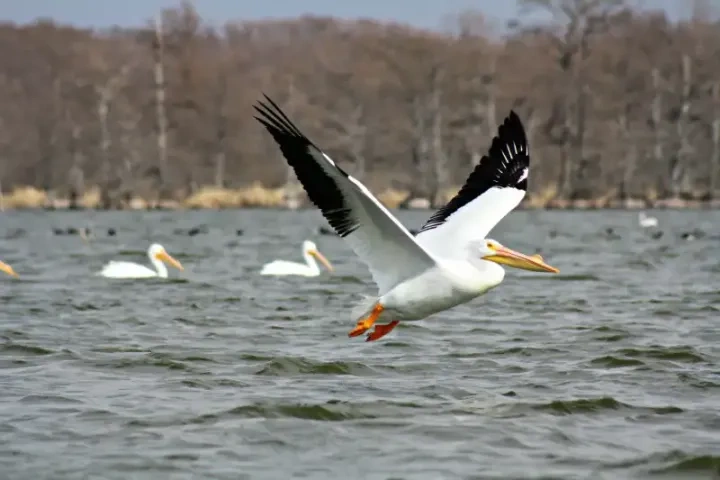
“A Wonderful Bird is the Pelican…”
“A Wonderful Bird is the Pelican…” - Read ArticleWe often associate pelicans with sea spray, waves and warm beaches, yet one of America’s largest and most majestic birds breeds in the American Heartland and can be seen during its winter migration on inland freshwater and coastal bays and estuaries throughout our continent. -
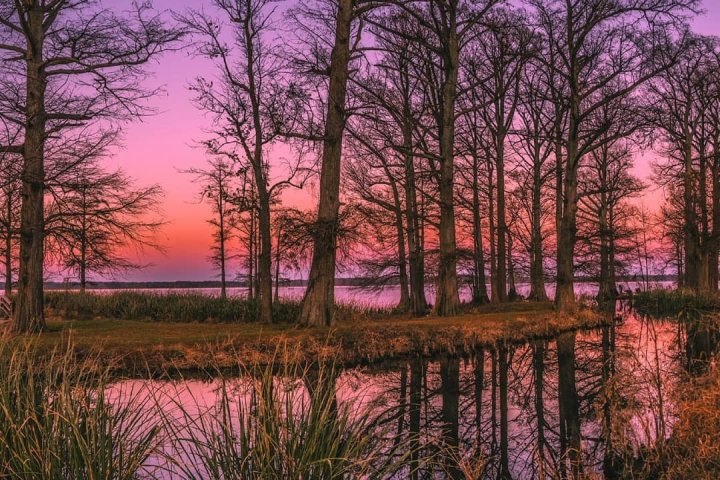
Best Tennessee State Parks to Watch the Sunrise and Sunset
Best Tennessee State Parks to Watch the Sunrise and Sunset - Read ArticleLooking for sunrise or sunset views? Tennessee State Parks deliver stunning scenes across lakes, forests, and gorges. Discover top spots to watch the sun show off. -
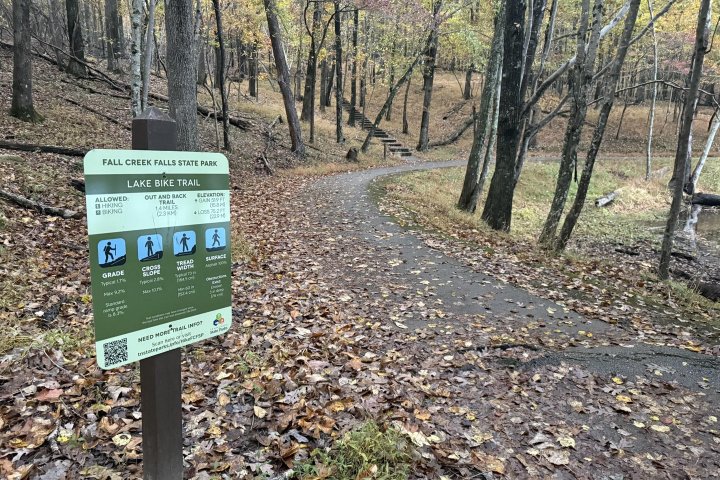
Tennessee State Parks Uses New Technology to mark trails, make parks more accessible
Tennessee State Parks Uses New Technology to mark trails, make parks more accessible - Read ArticleNovember 17, 2025 | NASHVILLE – Tennessee State Parks today announced the installation of signs at several parks across the state giving visitors detailed information developed from the use of new technology on the conditions expected on park trails. The new park signage is another example of how Tennessee has the most accessible state park system in the nation. -

First Day Hikes at Tennessee State Parks Align with New Year’s Resolutions
First Day Hikes at Tennessee State Parks Align with New Year’s Resolutions - Read ArticleDecember 26, 2023 | NASHVILLE – Tennesseans can launch their New Year’s resolutions for healthy lifestyles with one of the free guided hikes on New Year’s Day at Tennessee State Parks throughout the state.


