
Red Clay Highlights
The Heart of the Cherokee Nation
Step back in time at Red Clay State Park, where the echoes of Cherokee councils resonate through the rolling hills. This hallowed ground, once the capital of the Cherokee Nation, offers a poignant glimpse into a pivotal era in American history. Discover the stories etched into the landscape and delve into the history and natural beauty that awaits.
Discover Red Clay State Park
At Red Clay State Park, history comes alive. From 1832 to 1838, this site served as the last seat of the Cherokee Nation East of the Mississippi River. Here, in the face of mounting pressure from westward expansion, Cherokee leaders convened to debate their future, striving to preserve their sovereignty and way of life. Though their efforts ultimately proved unsuccessful, the spirit of resilience and cultural pride that permeated Red Clay continues to inspire visitors today. Walk the trails where these momentous decisions were made and connect with the enduring legacy of the Cherokee people.
History
The story of Red Clay State Park began long before its designation as a state historic park.
For centuries, the area was known to the Cherokee as "e-la-wo-di-yi," meaning "red earth place," a testament to the iron-rich clay that characterizes the landscape. This land became a vital gathering place, culminating in its selection as the Cherokee capital in 1832.
Here, in a series of council meetings, leaders like Chief John Ross, Major John Ridge, and Elias Boudinot grappled with the encroaching tide of American settlement. Their debates centered on the agonizing question of removal, a policy fiercely resisted by many, but ultimately forced upon the Cherokee Nation.
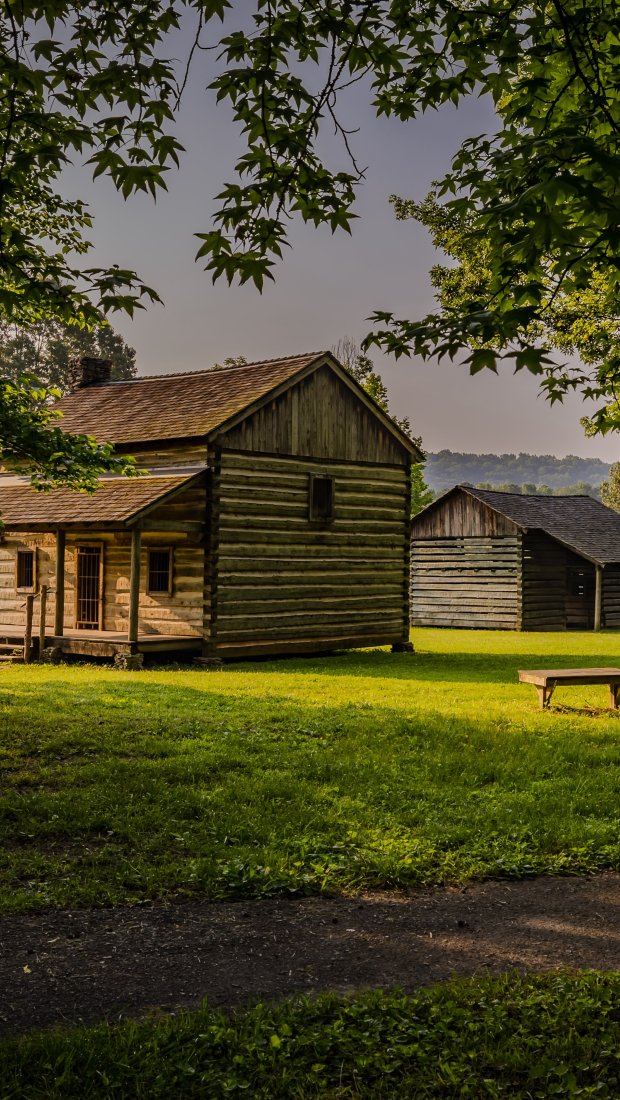
The discovery of a large cooking area and shards of 1830s-era dishware during excavations led by the Tennessee Division of Archaeology and Lee College students in 1973 illuminated daily life at Red Clay during this period. The park's replica structures — a Cherokee farmstead, council house, and sleeping huts — offer a tangible representation of this era.
The tragic culmination of this chapter came in 1838 with the Trail of Tears, the forced removal of the Cherokee people to lands West of the Mississippi. Red Clay stands as a solemn reminder of this injustice, a place to reflect on the complexities of American history and honor the enduring spirit of the Cherokee Nation.
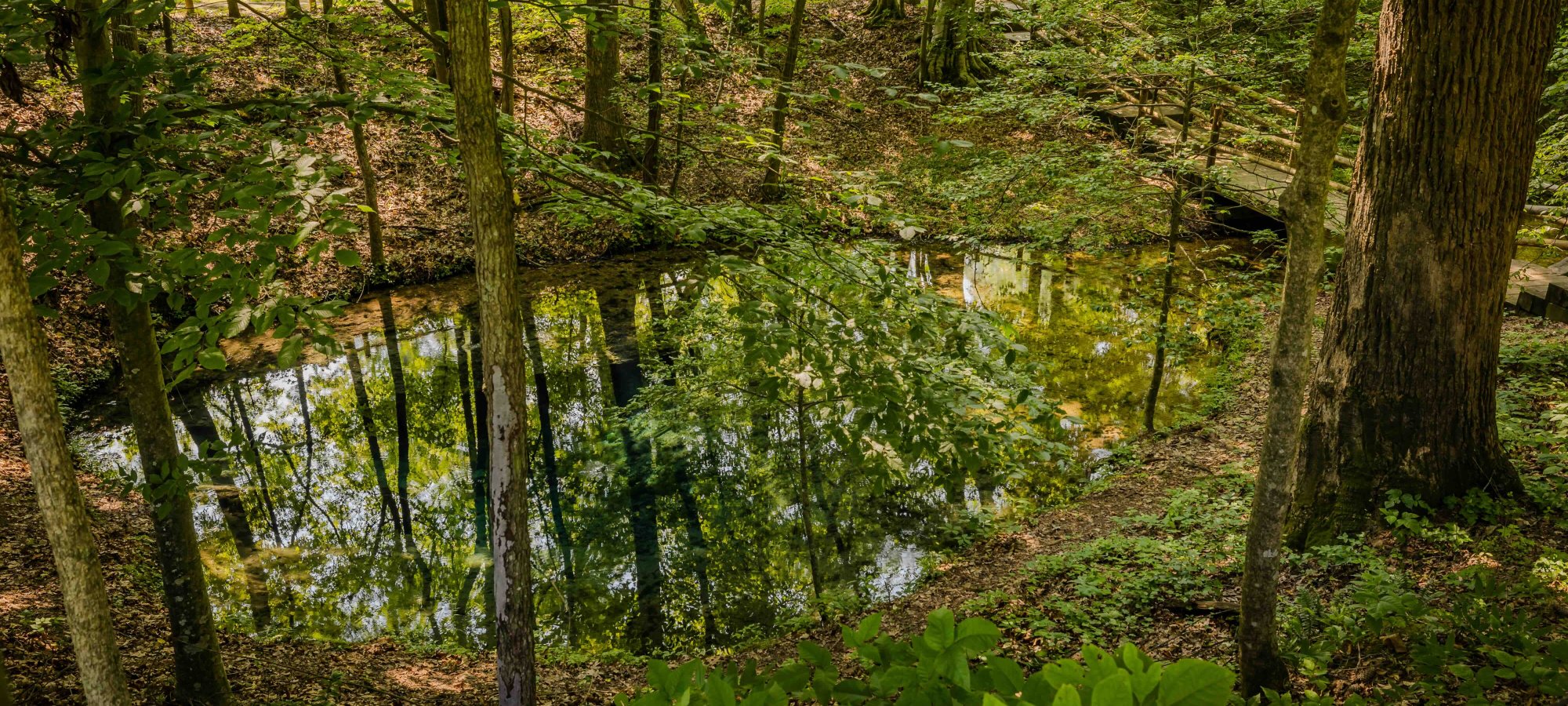
Today, preservation efforts continue, including a dye tracing project in collaboration with Western Kentucky University, the Department of Water Resources, the IRIS Fund, and the Cherokee Nation to address algae growth in the sacred Council Spring/Blue Hole Spring.
From the Rangers
-
The Perfect Day
Begin your day with a walk along the paved Interpretive Trail, where you can see replica structures, the Eternal Flame, and Blue Hole Spring. Next, step inside the museum to interact with the digital exhibit depicting Rebecca Ketcher, a girl who walked the Trail of Tears. End your day with a quiet moment of reflection at the Eternal Flame Memorial stone structure.
-
Insider Information
For a truly special experience, visit the Council Spring/Blue Hole Spring during the winter months. As Park Ranger Taylor Young explains, "The Council Spring/Blue Hole Spring is at its bluest during the winter. All the leaves have fallen off the trees, so light can get through at its fullest! Pictures don't do it justice."
-
Know Before You Go
Cell service is limited near and inside the Visitor Center. The park closes on Christmas Day. Please do not use hammocks on any of the trees. Also, please do not move or stack rocks or build dams; this destroys habitat and creates erosion of the creek bank.


Trails
The park features two main trails, each providing a distinct perspective on the area's natural and historical significance. The paved Interpretive Trail (0.33-mi) offers an accessible route to the replica structures, the Eternal Flame, and Council Spring, while the 1.5-mile Council of Trees Trail winds through the higher elevations of the park, showcasing a different array of flora and offering a sense of the landscape that shaped the Cherokee Nation.

Plants
Red Clay's diverse flora adds to the park's beauty and ecological significance.
Explore the park's different areas, each with its unique plant life, and consider joining a Ranger-led program to learn more about the specific species.
Plant Types
- Bloodroot
- Ironweed
- Woodland Phlox
- Virginia Bluebell
- Trillium
- Bashful Wakerobin
- Beauty Bush
- Fire Pink
- Helmet Skullcap
- Jack-in-the-pulpit
- Joe-Pye Weed
- Little Brown Jug
- Pink Azalea
- Red Cardinal Flower
- Spotted Wintergreen
- VIolet Woodsorrel
- White Turtlehead
- Woodland Phlox
- Yellow Trillium
Animals
Keep an eye out for the diverse wildlife that calls Red Clay home. Engage with a Park Ranger to learn more about the animals that live at the park.

Animal Species
- Salamanders
- Frogs
- Turtles
- Brown-headed Nuthatch
- Neotropical Migrants
- Herons
- River Otters
- Beavers
- White-tailed Deer
- Crawfish
- Migrating Warblers
- Summer Tanager
- Scarlet Tanager
Inspiration
-
Unique Ways to Experience Fall Foliage in Tennessee
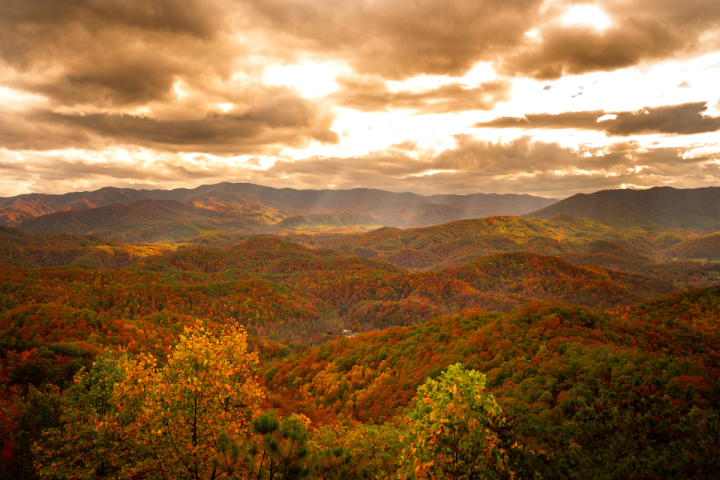
Unique Ways to Experience Fall Foliage in Tennessee - Read ArticleAs leaves change color and crisp air settles in, it's the perfect time to explore Tennessee's natural beauty. With over 60 state parks, you'll find countless opportunities to witness autumn's vibrant hues. Here are some unique suggestions for viewing fall foliage—including what to do and where to visit. -
Rain Crows and Caterpillars
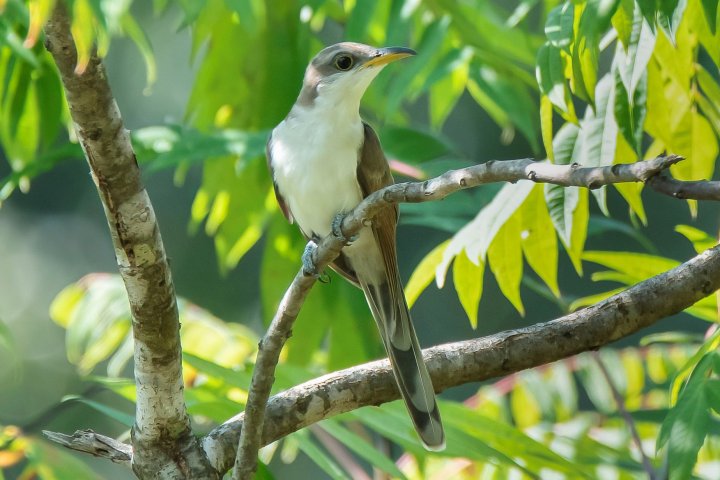
Rain Crows and Caterpillars - Read ArticleHave you ever heard a rain crow? Learn more about these incredible birds and their unique relationships with caterpillars. -
Spring Wildflower Scavenger Hunt
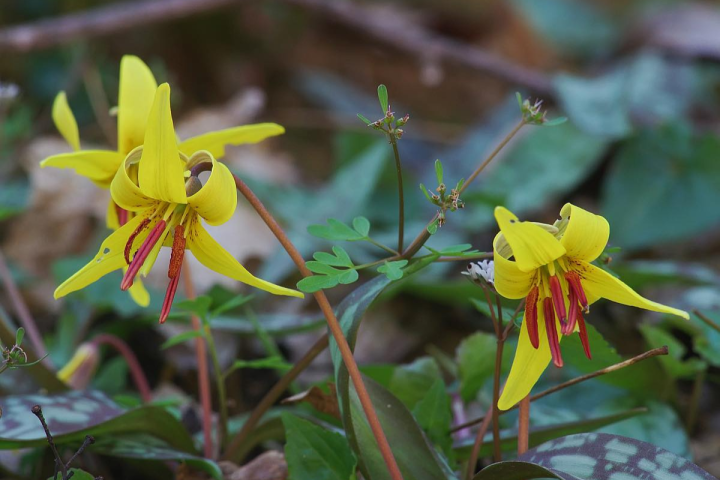
Spring Wildflower Scavenger Hunt - Read ArticleSpring blooms brighten our hiking trails and support pollinators and wildlife. Explore 14 wildflowers and the Tennessee state parks where you can find them. -
Tennessee State Parks Uses New Technology to mark trails, make parks more accessible
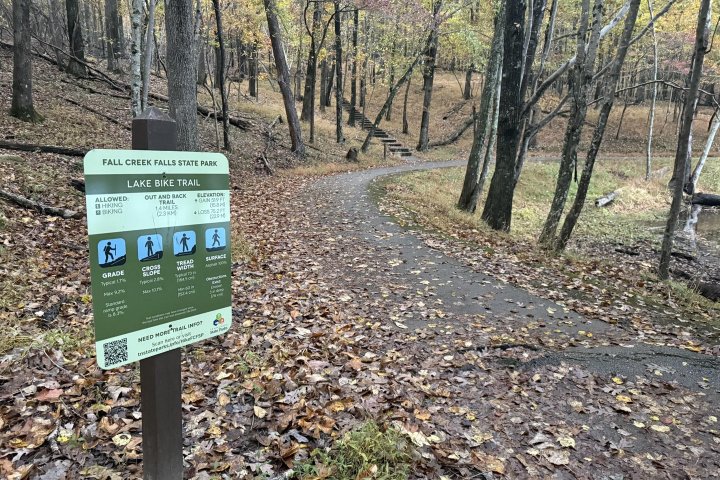
Tennessee State Parks Uses New Technology to mark trails, make parks more accessible - Read ArticleNovember 17, 2025 | NASHVILLE – Tennessee State Parks today announced the installation of signs at several parks across the state giving visitors detailed information developed from the use of new technology on the conditions expected on park trails. The new park signage is another example of how Tennessee has the most accessible state park system in the nation.


