
After the removal period, Blythe Ferry continued to serve as an active transportation route for the surrounding community. By the time the site was listed in the National Register of Historic Places in 1982, it was one of only five ferries still operating in Tennessee. The ferry remained in operation until 1994, when it was replaced by the Highway 60 bridge. In the late twentieth century, local community members began efforts to preserve the site’s historical significance. Friends of the Cherokee Memorial, Inc. formed in 1991 and worked with partners to establish a memorial at the site. Planning efforts began in 1993, followed by agreements in 1996 involving Meigs County, the Tennessee Wildlife Resources Agency, and the Tennessee Valley Authority. In 1998, TVA and Meigs County entered into a grant lease to develop the memorial park.
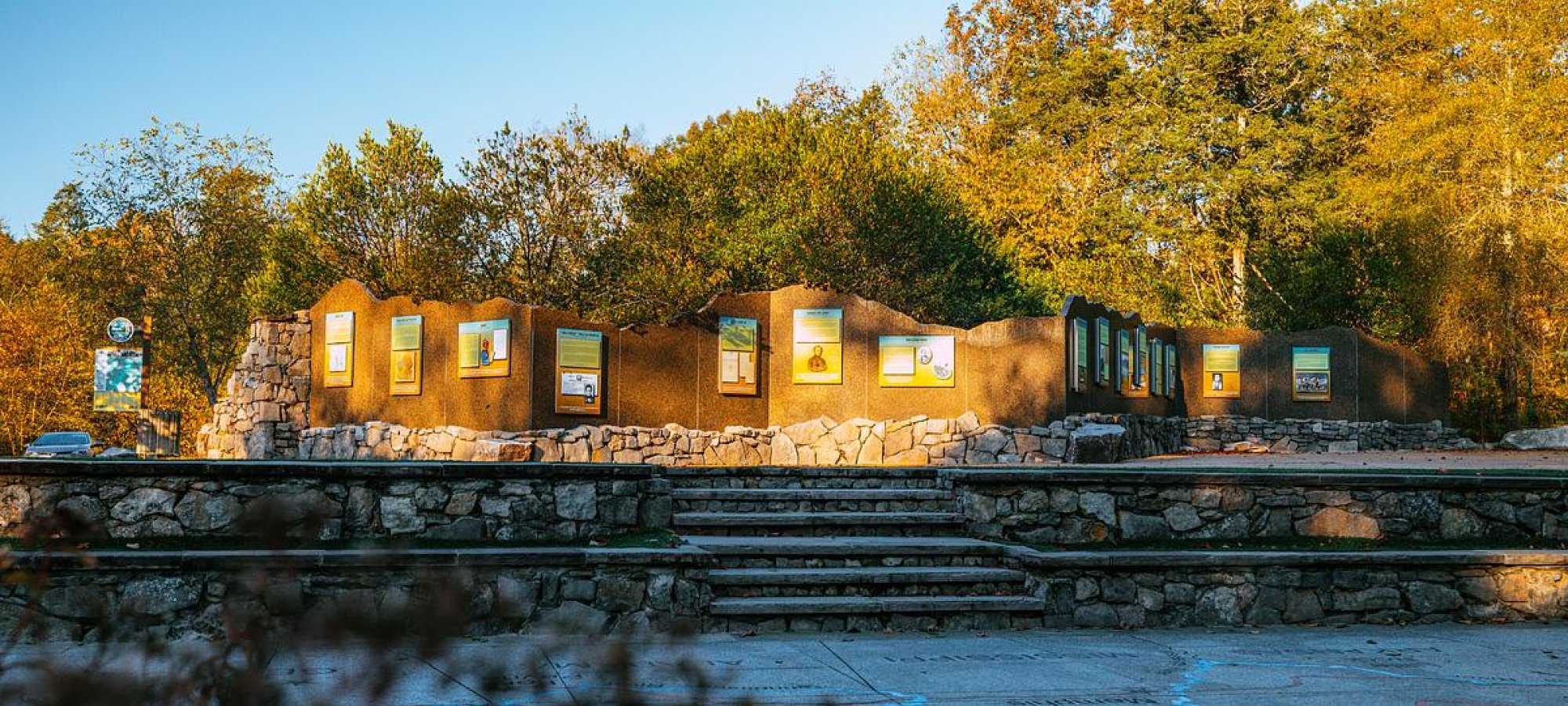
These efforts led to the creation of Cherokee Removal Memorial Park, which was formally dedicated in 2005 on a 29-acre site within the Hiwassee Wildlife Refuge. The park was developed as a place of remembrance and education, with features including interpretive exhibits, a memorial wall, walking trails, and a visitor center that opened in 2009. Additional features, including the memorial wall, were dedicated in 2013. In 2021, a trail connection was completed linking the memorial park more directly to the historic ferry landing.