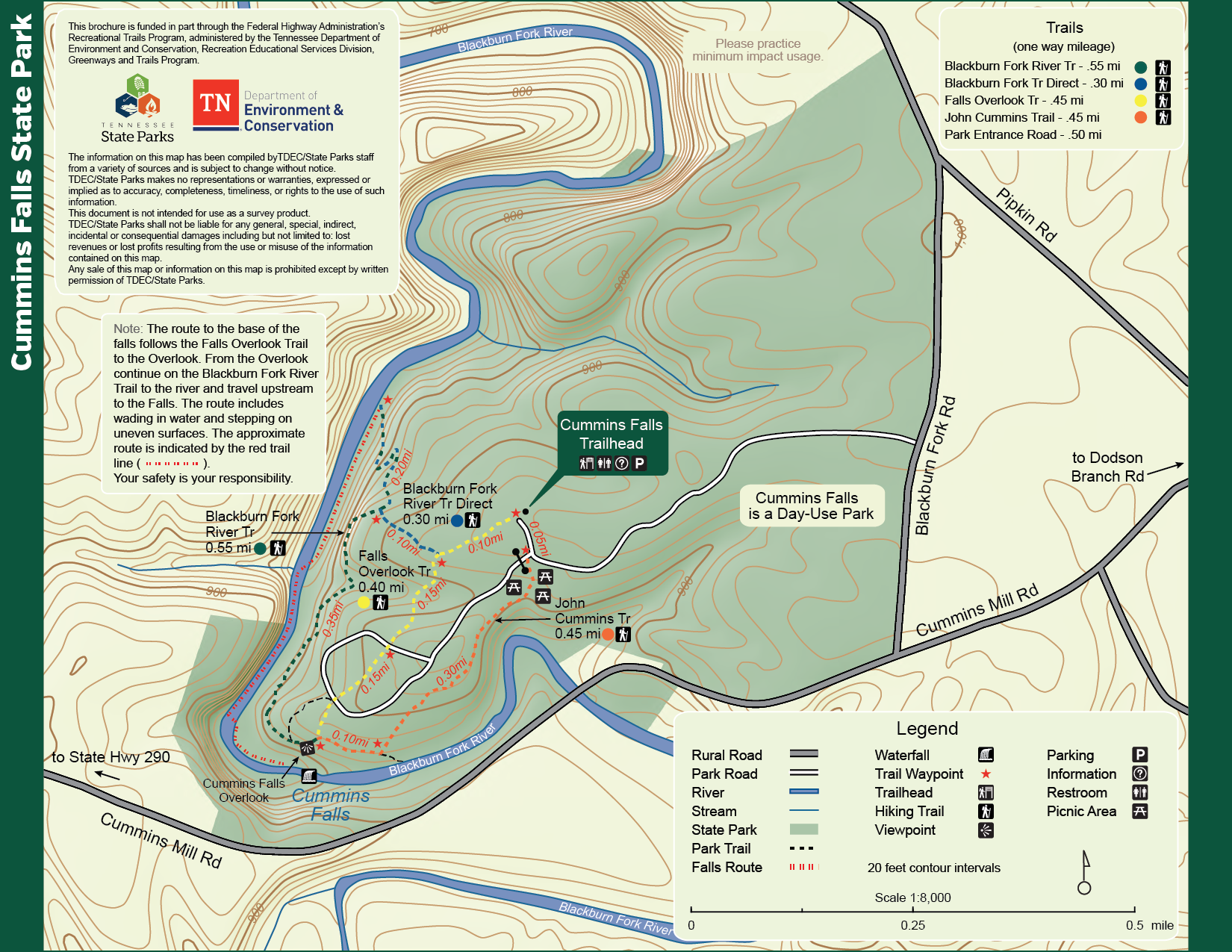
Cummins Falls Highlights
Warning Alert
Before You Visit Cummins Falls
A Gorge Access Permit is required to visit the base of the waterfall. The base of the waterfall is only accessible on fair-weather days.
Cummins Falls is a natural area with inherent safety risks.
- The gorge is prone to flash flooding.
- Changes in water levels in the gorge can result in the sudden closure of trail access to the base of the falls.
- Rain can significantly affect the amount of water over the falls, so visitors are encouraged to check the weather forecast in the days leading up to their visit. Even if it isn't raining at the park, rain upstream can raise water levels in a matter of minutes.
- Please remain aware of your surroundings during your visit, and exit the base if you notice water volume increasing.
You should comply with the park’s safety instructions. We recommend that children 5 and under not go to the falls. Children 12 and under must wear life vests at falls and be accompanied by an adult.
Visiting the gorge is a very strenuous, physically demanding activity. Visiting the waterfall will require:
- Strenuous Hiking
- Swimming or wading through water
- Climbing Rocks
- Crossing Slippery Rocks
For the most up-to-date information, please check the Cummins Falls State Park Facebook page. On-site park staff will post photos and trail closure alerts on that page.
Accessibility Road Under Maintenance
Due to maintenance, our accessible parking at the Waterfall Overlook has restricted access. However, our all-terrain wheelchairs are still operational for those who would like to put in a request either online or on a first-come basis onsite. We apologize for the inconvenience.
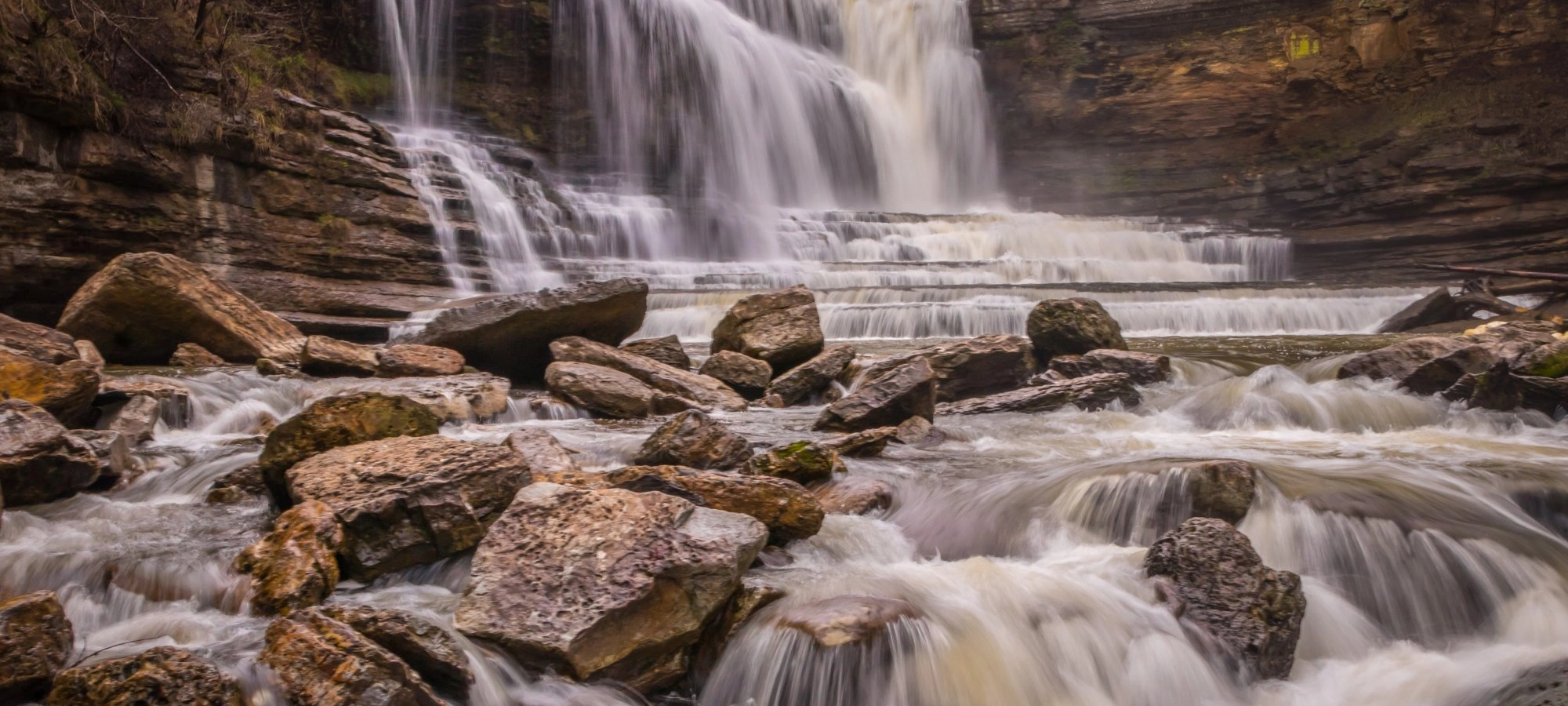
A Treasured Oasis
Journey to Cummins Falls State Park, where the raw power of nature meets the echoes of Tennessee's past. Here, the magnificent 75-foot Cummins Falls plunges into a refreshing pool, inviting you to explore a landscape shaped by time and water. But there's more to this park than just its stunning centerpiece. Discover the stories etched into its land, from pioneer settlements to ecological wonders.
Discover Cummins Falls State Park

History
The story of Cummins Falls State Park is deeply rooted in the history of the Cummins family who owned the land for over 200 years.
When bison still roamed the land that would eventually become the State of Tennessee, they used the shallow river basin about a quarter mile east of the falls as a wallow. As indicated by numerous arrowheads found at the site, Native Americans used this area to hunt bison for food and clothing.
In 1790, Revolutionary War veteran Sergeant Benjamin Blackburn — for whom the Blackburn Fork State Scenic River is named — was awarded this land in lieu of a pension. Around 1825, Blackburn sold the land to John Cummins, who built a water-driven mill on the river, drawing local residents to the area for commerce and recreation. After the mill washed away in the 1928 flood, it was not rebuilt, but this land stayed in the Cummins family for nearly 180 more years.
The falls and surrounding land were purchased by the Tennessee Parks and Greenways Foundation using both public and private donations. The 211-acre site was designated a state park in 2011. Today, Cummins Falls State Park stands as a protected natural area, inviting visitors to explore its rich history and breathtaking scenery.
From the Rangers
-
The Perfect Day
For the perfect day at Cummins Falls State Park, start with a hike to the base of the falls along the river also known as the gorge, a top-rated experience. If time is limited, the overlook offers a great view. Remember to obtain a permit for the gorge hike and check gorge conditions for the day and any closures of areas.
-
Insider Information
For a less crowded experience, explore the meadow area of the park, where you can hike through wildflowers to scenic overlooks of the river. Visit in early March to see the daffodils blooming around the old Cummins House in the picnic area. Don't miss the Storybook Trail, accessible from the Low Gap trailhead.
-
Know Before You Go
Planning a trip to Cummins Falls State Park? Be aware that cell service is limited in many areas of the park, though you can find service in the main parking lot. Guest Wi-Fi is available at the visitor center. Please be prepared for potential gorge closures due to rainfall and flash flooding.


Land and Water
-
Trails
The Meadow Trails at Cummins Falls are typically quieter and less traveled, and you are likely to see more birds and other wildlife. Start at the Low Gap trailhead across the parking lot from the Visitor Center.
-
Water Features
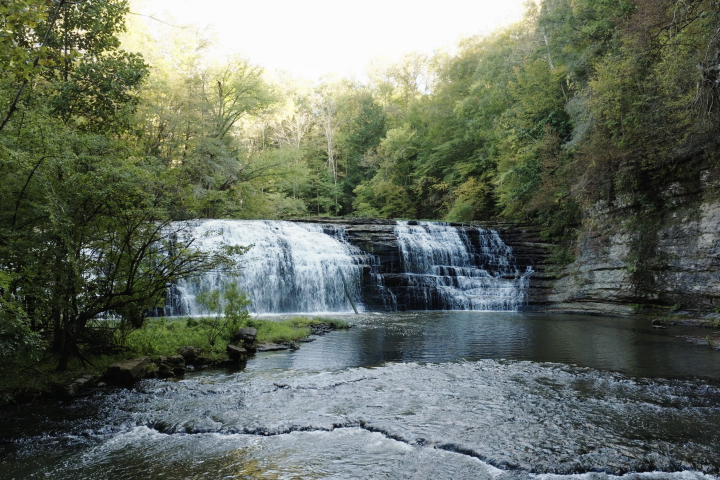
The park's centerpiece is, of course, the magnificent Cummins Falls, a 75-foot cascade that plunges into a refreshing pool. The base of the waterfall offers stunning views of the surrounding gorge. Visitors can wade and swim in the plunge pool below the falls, but children 12 and under must wear a life jacket.


Plants
Cummins Falls State Park boasts a diverse array of flora, from towering trees to delicate wildflowers.
As you explore the park, be sure to ask a Park Ranger about the unique plant life and its importance to the ecosystem.

Plant Types
- Hemlock (Eastern Hemlock)
- Eastern White Pine
- Mountain Laurel
- Tulip Poplar (Tulip Tree, State Tree)
- Sycamore (American Sycamore)
- Blue Violet
- Wild Blue Phlox
- Virginia Bluebell
Animals
Keep an eye out for the diverse fauna that calls Cummins Falls home.
Park Rangers can provide valuable insights into the local wildlife and their habitats.

Animal Species
- Copperhead
- Wild Turkey
- Squirrels
- Bobcat
- Deer
Inspiration
-
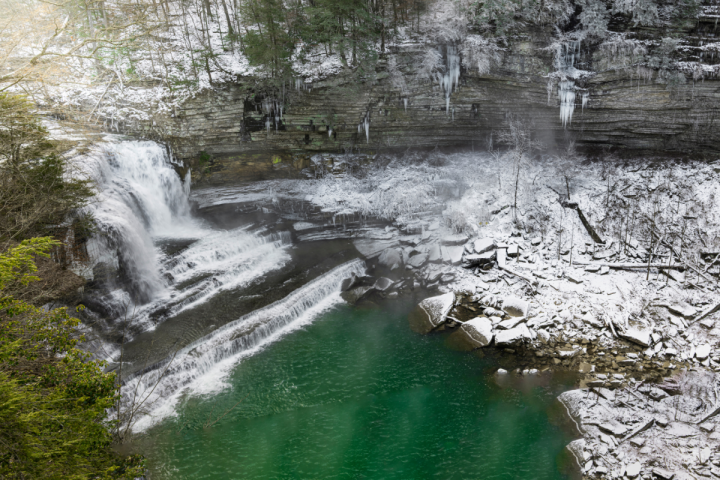
3-Day Winter Waterfall Getaway in Middle Tennessee
3-Day Winter Waterfall Getaway in Middle Tennessee - Read ArticleThis three-day trip itinerary is centered around Edgar Evins State Park and visits two iconic waterfalls in the surrounding Middle Tennessee area, Cummins Falls and Burgess Falls. -
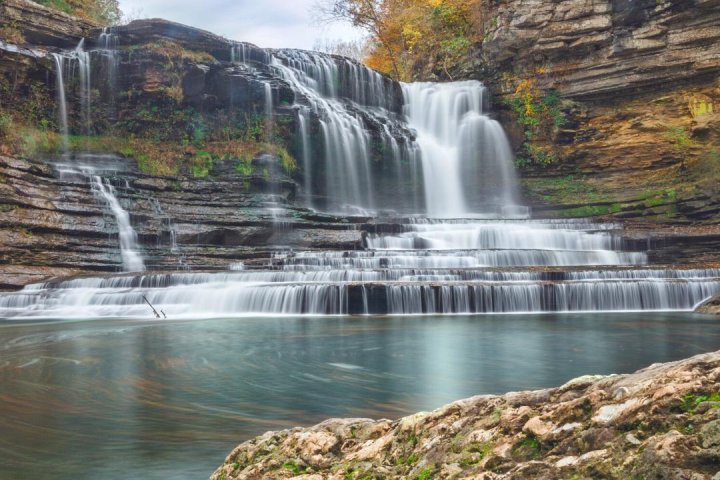
Fall Family Getaways at Tennessee State Parks
Fall Family Getaways at Tennessee State Parks - Read ArticleTo help you plan your fall vacation, we’ve put together a list of family-friendly getaways. Each experience offers a variety of crowd-pleasing activities and overnight accommodations that fit the needs of families. -

A Year in Birds at TN State Parks
A Year in Birds at TN State Parks - Read ArticleIn Tennessee, at least 423 species have been recorded since 1900, and most of them have been viewed in one of our state parks at one time or another. -
Waterfalls in Middle Tennessee: What to See and Where to Stay
Waterfalls in Middle Tennessee: What to See and Where to Stay - Read ArticleTennessee’s most scenic waterfalls are found in state parks. Use this guide to plan your visit and discover where to stay near eight popular falls.