
Dry Branch Highlights
Taking it All Off-The-Grid
Disconnecting by taking a walk in the park just took a whole new meaning at Dry Branch State Park and Natural Area. This is the first state park in Tennessee to be fully off-grid, with plans for self-sustaining facilities, including a visitor center.
Discover Dry Branch
Dry Branch State Park and Natural Area defines itself by its commitment to sustainable living and the conservation of the diverse array of specialized plants that make their home in the area. The 2,169-acre park creates a mosaic of forest, grassland savanna, wetland, and woodland habitats, giving visitors that “did I just visit the same park?” feeling during every new hike.

The Perfect Place for Plants
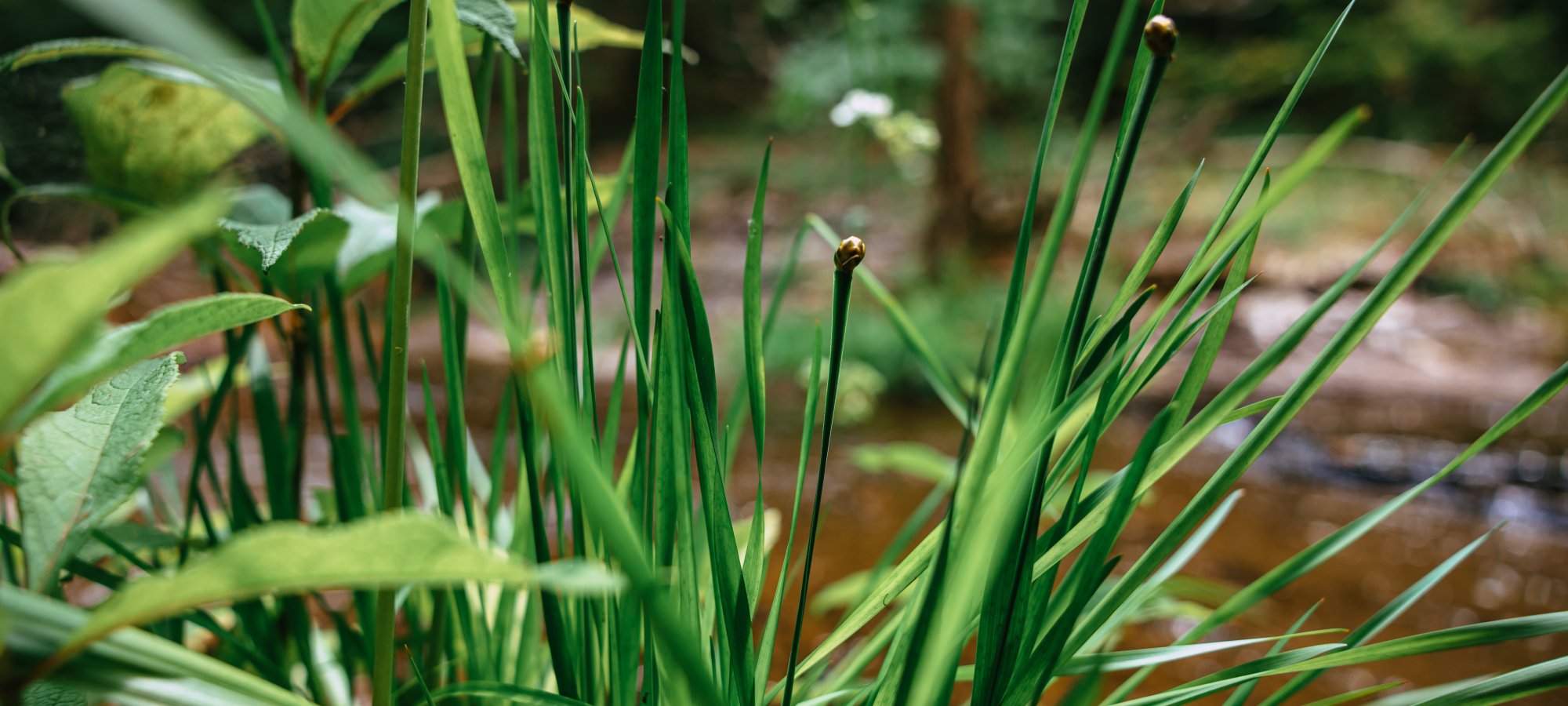
One of the specialized plants that calls Dry Branch State Park and Natural Area home is the rare, and federally endangered, Tennessee yellow-eyed grass. Dry Branch is known to have one of the largest populations of this rare species, and all of the known
Upon Andrea Bishop’s discovery of this significant population and other rare plants in the area, part of the area was designated in 2003 as a State Natural Area. In 2006, when International Paper Company was divesting its holdings, the Nature Conservancy purchased the remaining land, expanding its conservation efforts. In 2007, the State of Tennessee began purchasing the land from the Nature Conservancy and established the area as a permanently protected State Natural Area.
Becoming a State Park and Natural Area
Protecting Dry Branch requires thoughtful land management that maintains the natural connections between upland and lowland habitats.
Management practices focus on creating and maintaining a mosaic of forest, woodland, and grassland savanna conditions across the uplands. This diversity of habitat structure, ranging from open sunny areas to forested patches, supports a greater variety of plants, insects, birds, and other wildlife while restoring ecological processes that shaped these communities over time.


Healthy uplands are essential to protecting the rare wetlands and streams below.
Dry Branch State Park and Natural Area is home to vegetation and intact soils in upland areas that help slow rainfall, reduce erosion, and filter runoff before it reaches seeps, fens, and waterways. Seeps and fens are wetland areas with abundant groundwater. Seeps are characterized by groundwater being brought to the surface by pressure, maintaining ideal water temperatures for amphibians and reptiles. Fens are known more for their chemical makeup and their ability to create a habitat for rare vegetation. By maintaining diverse plant communities and stable soils, land managers help protect groundwater quality, prevent sedimentation, and preserve the unique conditions that allow rare lowland species to survive.
When the park opens to the public, visitors will need to recreate responsibly to support land management and the conservation of these incredible species.