Fiery Gizzard Highlights
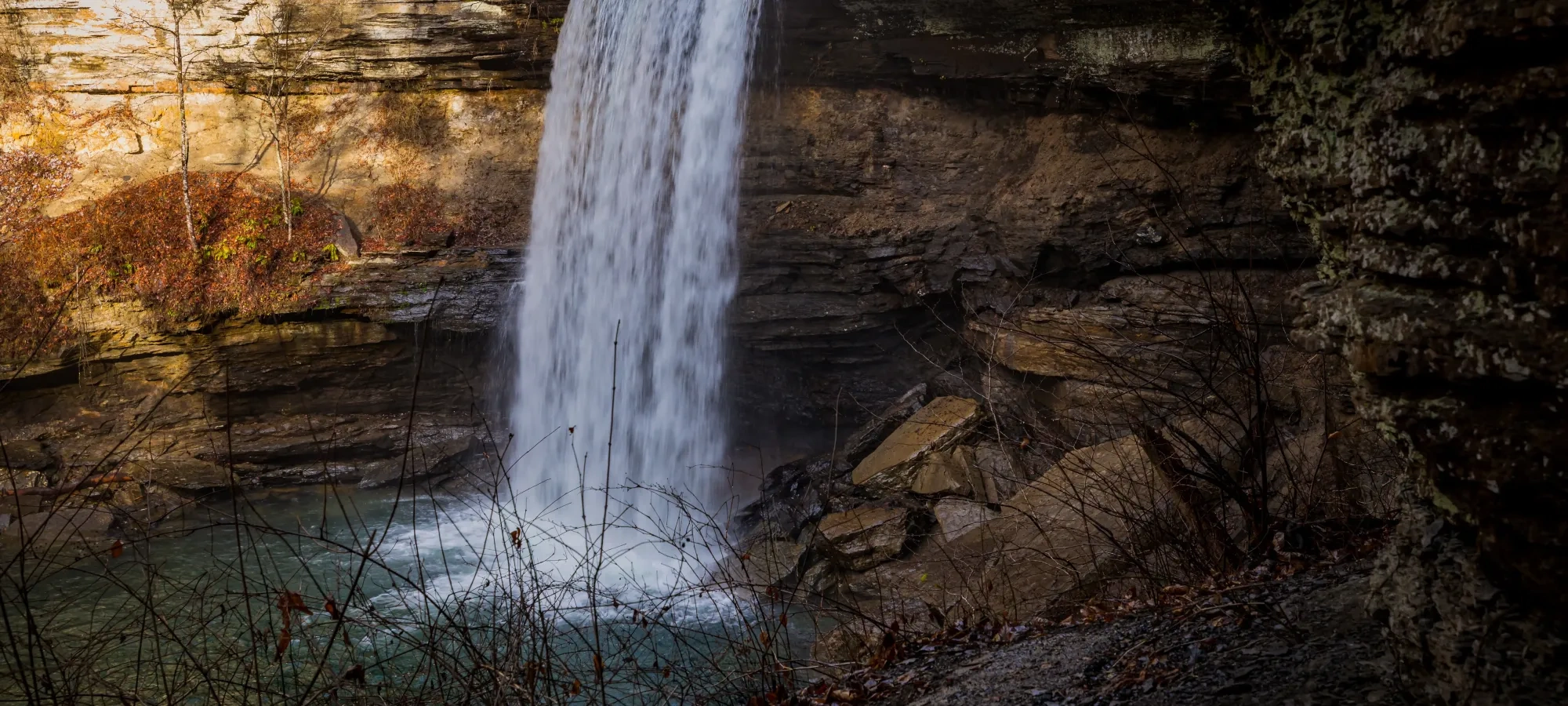
A Tapestry of Trails and Tales
Fiery Gizzard State Park is a sprawling tapestry woven with rugged trails, cascading waterfalls, and echoes of the past. Here, nature's grandeur meets human history, creating an experience that's both breathtaking and deeply enriching. But this is just a glimpse of what awaits you. Uncover the full story of Fiery Gizzard, a place where adventure and discovery intertwine.
Discover Fiery Gizzard State Park
Fiery Gizzard State Park is more than just a collection of scenic spots; it's a testament to the power of preservation and the enduring allure of the wild. The park's story is one of reclamation, transforming former garbage dumps, logged forests, and mined lands into a haven for biodiversity and outdoor recreation. The region encompasses areas once known for logging, mining, and even moonshining, but now stands as a protected sanctuary. The park's diverse landscapes, from the Fiery Gizzard Trail to the historic Grundy Lakes, offer visitors a chance to connect with nature and experience the beauty of a region reborn. Fiery Gizzard beckons those who seek adventure, tranquility, and a deeper understanding of Tennessee's natural and cultural heritage.
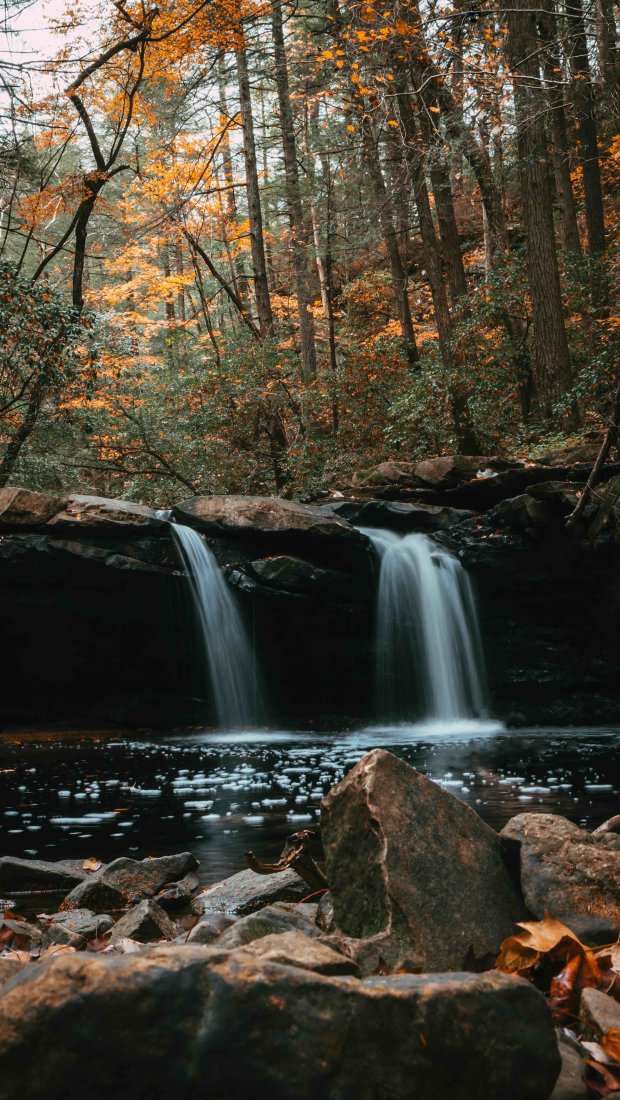
History
Established in 1978, Fiery Gizzard State Park has a history that is deeply intertwined with the land itself.
Before its designation as a state park, the area bore witness to a variety of human activities, each leaving its mark on the landscape. Grundy Lakes, now a serene recreational area, was once a garbage dump, a stark contrast to its present state. The main Park Office occupies the site of a former nine-hole golf course, while the Fiery Gizzard area tells a tale of logging and mining operations. Denny Cove, too, was once heavily logged.
The park's name reflects its regional significance, encompassing Savage Gulf and areas of Head of the Crow State Park. The park's historical narrative extends far beyond recent history. The region has been inhabited by various people groups, including Native Americans, and played a role in the Civil War and Reconstruction eras.
Historical landmarks and structures dot the park, offering glimpses into the past. The Civilian Conservation Corps (CCC) Historic Site stands as a tribute to the CCC's efforts during the Great Depression. The Dog Hole Mine site and Coke Ovens provide insights into the region's industrial heritage. Visitors can also explore remnants of old moonshine stills and Native American rock house sites, each with its own story to tell. The Lone Rock Stockade exhibit at the Visitor Center Museum sheds light on Black history in the area, while the Park Museum showcases early pioneer life.
Preservation efforts have been crucial in safeguarding the park's historical features. Research, site restoration, and interpretive signage help visitors understand and appreciate the rich history embedded within the park's landscapes. Even the name "Fiery Gizzard" has a story, said to have been coined by David Crockett himself.
Wild SideTV: Reforging the Fiery Gizzard Trail
From the Rangers
-
The Perfect Day
A perfect day at Fiery Gizzard State Park would begin with a hike along the legendary Fiery Gizzard Trail, consistently rated a must-do experience. Afterwards, head to Foster Falls or Denny Cove for some rock climbing and a refreshing dip beneath the cascading waterfalls. Finish the day with a visit to the historic Grundy Lakes site and coke ovens, immersing yourself in the area's rich history.
-
Insider Information
While the main attractions are well-known, Fiery Gizzard State Park holds secrets for those willing to venture off the beaten path. While the park doesn't share those areas with the public, there are still many areas to explore. For a truly unique experience, plan your visit during January or February, when the crowds are thinner and the park's serene beauty can be fully appreciated.
-
Know Before You Go
Before visiting Fiery Gizzard State Park, be aware that cell service is limited in many areas, particularly along the Fiery Gizzard Trail system. The main park office offers Wi-Fi access. The park does not offer RV or horse trailer activities, and parking cannot sustain their size. All roads to park trailheads are scenic.


Land and Water
-
Trails
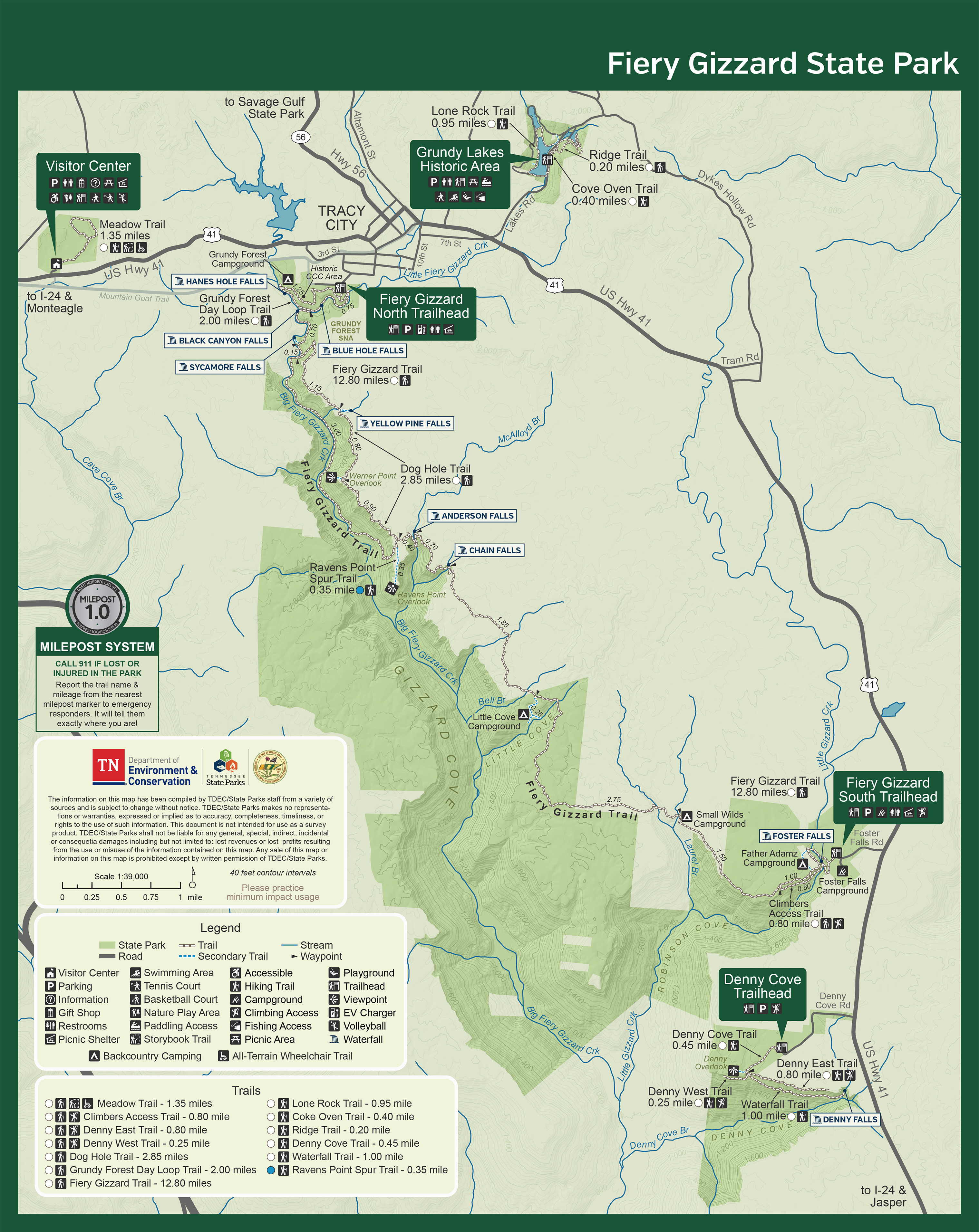
Fiery Gizzard is a hiker's paradise, boasting over 90 miles of trails that wind through diverse terrain. The legendary Fiery Gizzard Trail is a must-hike, renowned for its stunning scenery and challenging climbs.
-
Mountains and Vistas
While not strictly a mountain range, the park sits atop the Cumberland Plateau, offering breathtaking views from various points. The rim trails provide panoramic vistas of the surrounding landscape, showcasing the park's natural beauty. Raven Point and Denny Cove Overlook are the most iconic vistas.
-
Water Features
Fiery Gizzard is blessed with an abundance of creeks and waterfalls, adding to its allure. Grundy Lakes, a collection of four separate lakes, offers a multitude of opportunities for swimming and paddling.


Plants
Fiery Gizzard State Park is a botanical treasure trove, home to over 600 vascular plants and a remarkable diversity of flora.
The Fiery Gizzard area is considered one of the most bio-diverse places in the world. The park's flora changes dramatically with each season, offering a unique spectacle throughout the year. The Fiery Gizzard Trail and the Meadow Trail are particularly rewarding for wildflower viewing. To learn more about the park's unique plant life, be sure to contact a Park Ranger during your visit.
Plant Types
- Wildflowers (General)
- Fringeless Orchid
Wild SideTV: Butterfly Bonanza

Animals
The park teems with wildlife, from deer and squirrels to a variety of birds, bugs, and snakes.
The park is a habitat for endangered species of plants and animals. Keep an eye out for the diverse array of creatures that call Fiery Gizzard home and consider joining a Ranger-led program to deepen your understanding of the park's fauna.
Animal Species
- Nine-banded Armadillo
- Copperhead
- Timber Rattlesnake
- Pygmy Rattlesnake
- Deer
- Wild Boar
Inspiration
-

Honor Black History at Tennessee State Parks
Honor Black History at Tennessee State Parks - Read ArticleDuring Black History Month this February—and throughout the year—we invite you to reflect on Black history in Tennessee's state parks. Explore these parks that preserve and share Black history and heritage. -
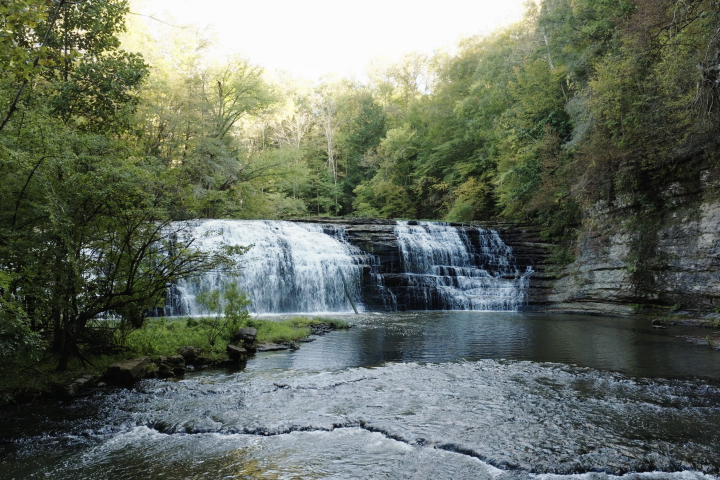
Waterfalls in Middle Tennessee: What to See and Where to Stay
Waterfalls in Middle Tennessee: What to See and Where to Stay - Read ArticleTennessee’s most scenic waterfalls are found in state parks. Use this guide to plan your visit and discover where to stay near eight popular falls. -
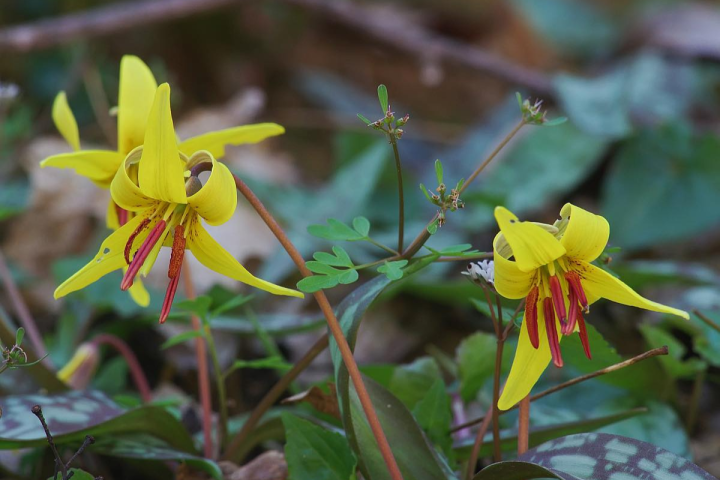
Spring Wildflower Scavenger Hunt
Spring Wildflower Scavenger Hunt - Read ArticleSpring blooms brighten our hiking trails and support pollinators and wildlife. Explore 14 wildflowers and the Tennessee state parks where you can find them. -
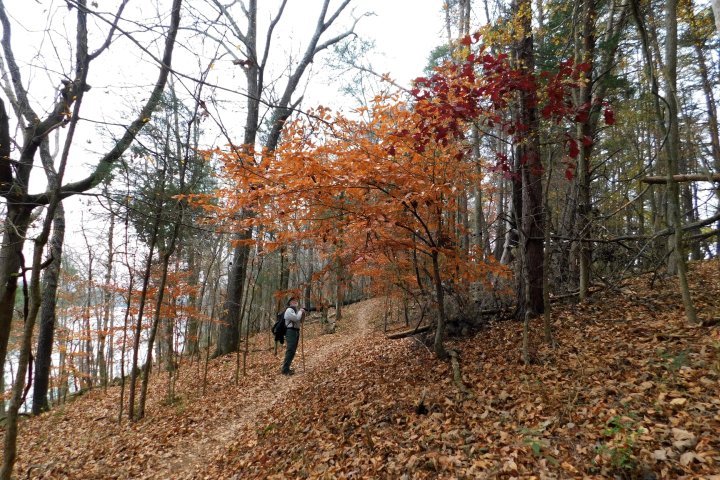
Are Leaves Really “Litter?”
Are Leaves Really “Litter?” - Read ArticleLet's explore the one type of litter that is actually good for the environment, as well as the organisms whose lives depend on it.