Harpeth River Highlights
A River Runs Through It
Harpeth River State Park is a tapestry woven from history, nature, and the gentle flow of Harpeth River. This linear park, composed of multiple distinct sites strung for 40 miles along the river’s course, offers a unique way to experience Tennessee's beauty and heritage. From ancient Native American mounds to 19th-century industrial remnants, the park holds secrets waiting to be uncovered. Discover more about the captivating story of Harpeth River State Park.
Discover Harpeth River State Park
Harpeth River State Park is a testament to the power of connection. Unlike traditional parks with defined boundaries, Harpeth River State Park is a collection of archaeological sites and natural areas linked by the meandering Harpeth River. This unique structure allows visitors to explore diverse ecosystems and historical landmarks along the river's path. The park invites you to paddle its waters, hike its trails, and step back in time to experience the rich heritage of Middle Tennessee. Whether you're drawn to the mysteries of ancient cultures or the tranquility of the natural world, Harpeth River State Park offers an unforgettable journey.
History
The story of Harpeth River State Park is a long and winding one, much like the river that gives it its name.
The earliest chapters are etched on the earth at Mound Bottom, a Mississippian Period (900 to 1450 CE) archaeological site. This complex of earthen mounds stands as a testament to a thriving Native American culture that once flourished along the riverbanks.
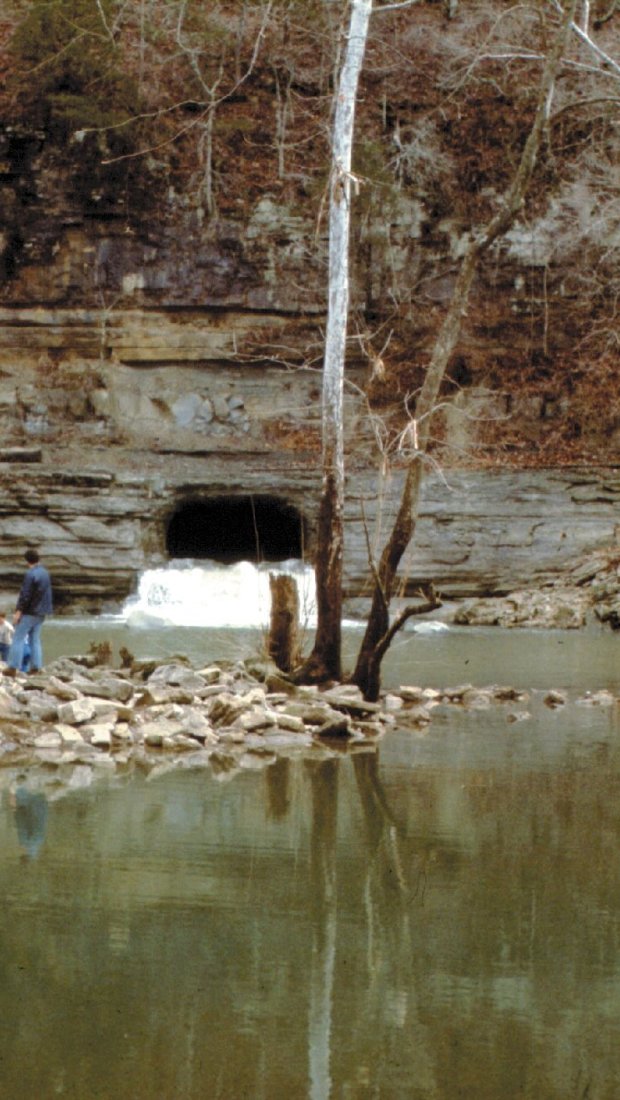
In the 19th century, the river powered industry. Montgomery Bell, known as Tennessee's first capitalist, harnessed the river's energy at Pattison Forge (also known as the Montgomery Bell Tunnel), where enslaved people constructed a tunnel to power an iron forge. The tunnel took 2 years to construct, started in 1818 and completed in 1820.
The 20th century brought new uses for the land. Hidden Lake transformed from a quarry into a resort in the 1930s, complete with a dance floor and swimming area. Boxwell Boy Scout Reservation was located at the Narrows of the Harpeth. Camp Boxwell Boy Scout Reservation was a well loved Boy Scout Camping destination located at the Narrows of the Harpeth.
The State of Tennessee began acquiring land in 1971, and these sites were managed by Montgomery Bell State Park as satellite areas. Harpeth River State Park was officially established as a standalone park in 2004, recognizing the unique value of preserving and connecting these diverse sites.
Experience Our Historic Sites
From the Rangers
-
The Perfect Day
Start your perfect day with a hike to the top of Bluff Trail at the Narrows of the Harpeth for panoramic views. Then, paddle down the Harpeth River, enjoying the scenic beauty and abundant wildlife. Finish your day with a hike on the trail at Hidden Lake, exploring the historic quarry and resort area.
-
Know Before You Go
When planning your visit to Harpeth River State Park, remember that several access points, including Highway 100 access, Newsom's Mill, Hidden Lake, and the river access at the Harris Street Bridge, are gated and locked at posted closing times. Be sure to check the park's website or contact the park office for the most up-to-date information on hours and access. Also, river access is marked dangerous at 4 feet and closed at 5 feet. Average paddle time is 2 to 3 mph, depending on river flow. Keep in mind park hours change with the seasons with Summer hours from 7:00 AM to 7:00 PM, Winter hours from 8:00 AM to 4:30 PM and October and March are 8:00 AM to 6:00 PM.


Trails
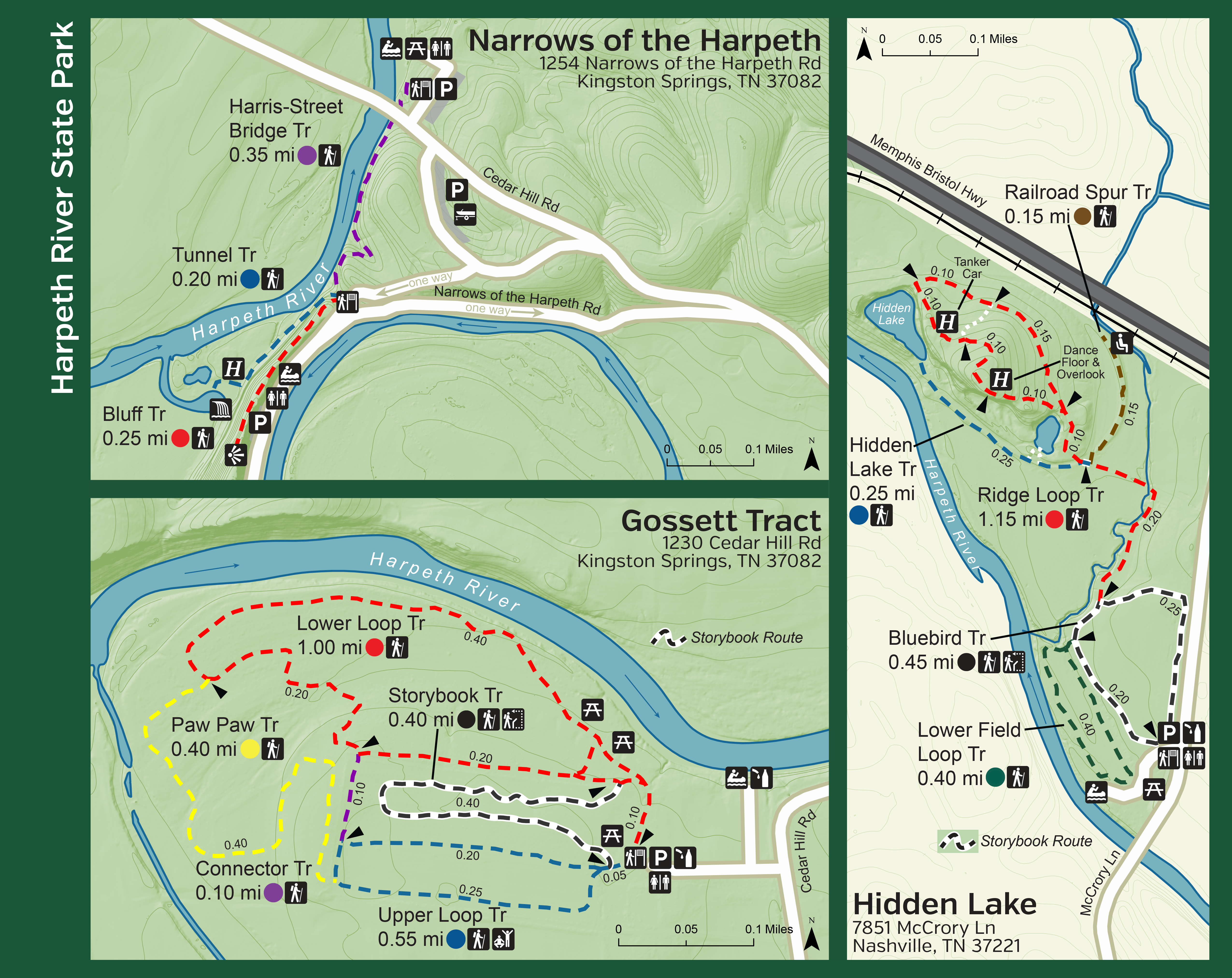
Harpeth River State Park boasts a variety of trails, each offering a unique experience. Hike to the top of the Bluff Trail at the Narrows of the Harpeth for stunning views or explore the Ridge Loop Trail at Hidden Lake. Remember that some trails have steep drop-offs and can be slippery when wet.
-
Vistas and Views
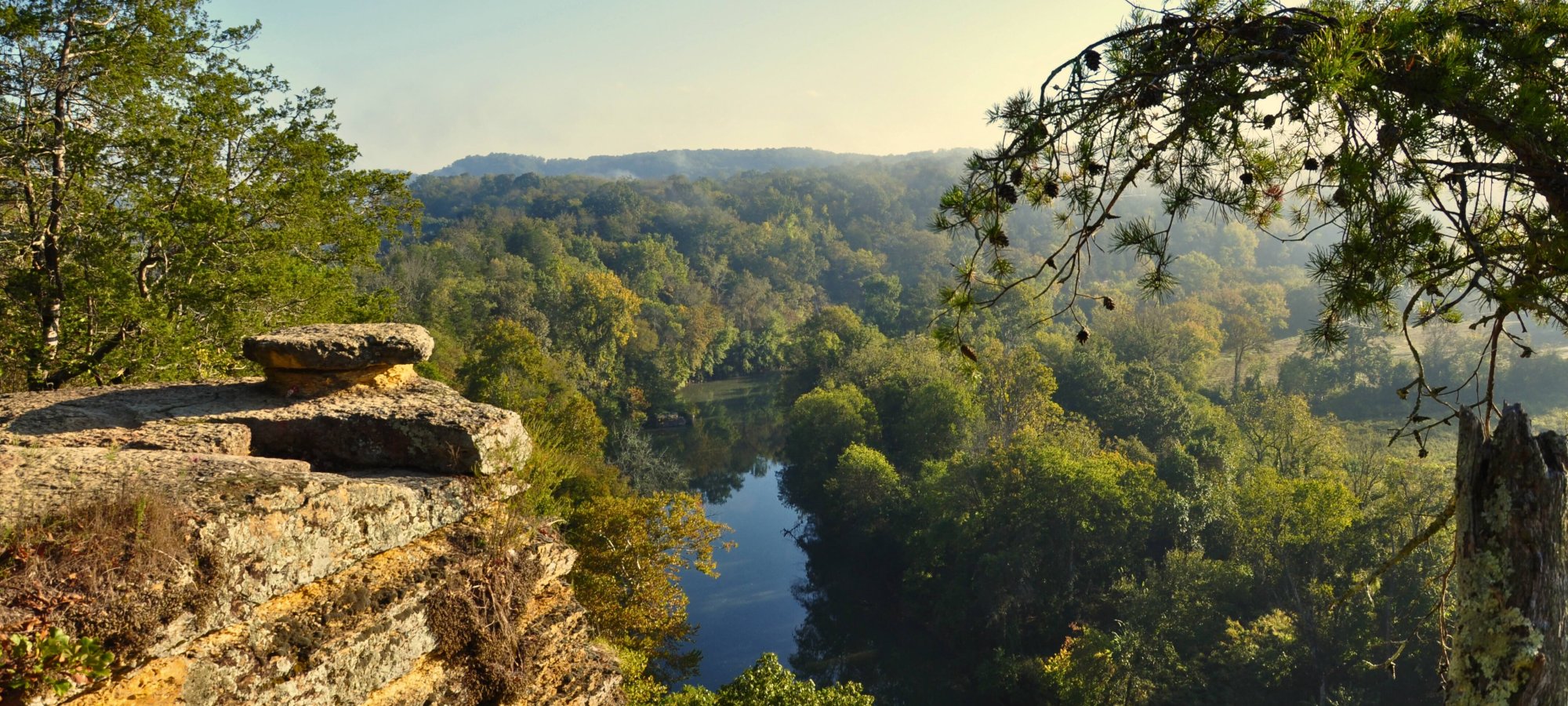
While not a mountain range, the park offers scenic vistas from atop Table Top Rock on the Bluff Trail and Highland Rim, providing a breathtaking view of Harpeth River and surrounding valley. The Mace Bluff Trail also offers an aerial view of the Mound Bottom archaeological site.
-
Water Features
The Harpeth River is the lifeblood of the park, offering opportunities for paddling, fishing, and swimming. A Class I river, it is appropriate for beginners to advanced paddlers. Bring your own canoe or kayak, or procure rentals and trip information from local outfitters. The park also features Hidden Lake, a former quarry and resort area. If you love waterfalls, checkout Montgomery Bell's Tunnel - a 290 foot historic tunnel that was carved through solid limestone, creating a man-made waterfall on the other side of the bluff.


Plants
Harpeth River State Park is home to a diverse array of flora.
For seasonal wildflower viewing, visitors can spot Virginia bluebells along the Paw Paw Trail in the spring. For a broader variety of wildflowers throughout the year, the meadows at Gossett Tract and the area around Hidden Lake offer some of the best viewing opportunities. Ranger-led programs are also available for those interested in learning more about the park’s plant life and natural features.

Plant Types
- Wildflowers (General)
- Cedar
- River Cane
- American Sycamore
- Eastern Cottonwood
- Oak (Quercus spp.)
- Bluebells
Animals
Keep an eye out for the wildlife calling Harpeth River State Park home.
While exploring the park, remember to observe from a safe distance and never feed the animals. Check with a Park Ranger for information on the best wildlife viewing spots and responsible wildlife observation practices.

Animal Species
- Birds
- Wild Turkey
- Bobcats
- Coyote
- Deer
Inspiration
-

“A Wonderful Bird is the Pelican…”
“A Wonderful Bird is the Pelican…” - Read ArticleWe often associate pelicans with sea spray, waves and warm beaches, yet one of America’s largest and most majestic birds breeds in the American Heartland and can be seen during its winter migration on inland freshwater and coastal bays and estuaries throughout our continent. -
Tennessee State Park Road Trips
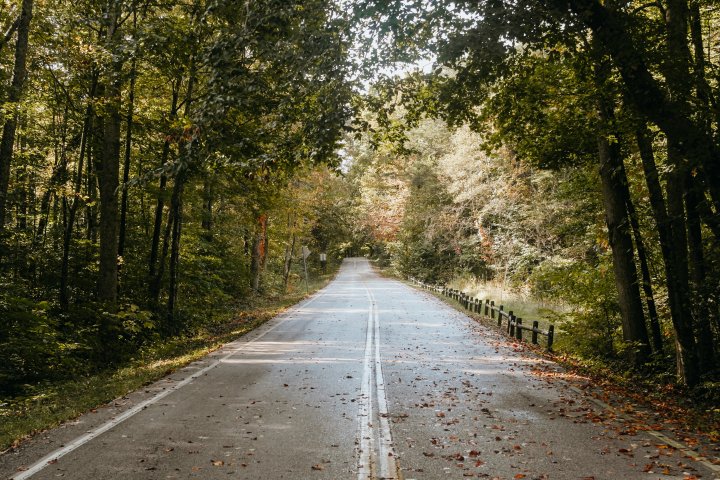
Tennessee State Park Road Trips - Read ArticleRoad Trips are great because they’re flexible. We pre-planned five road trips packed with Tennessee State Parks, incredible outdoor adventures, history, and overnight stays. -
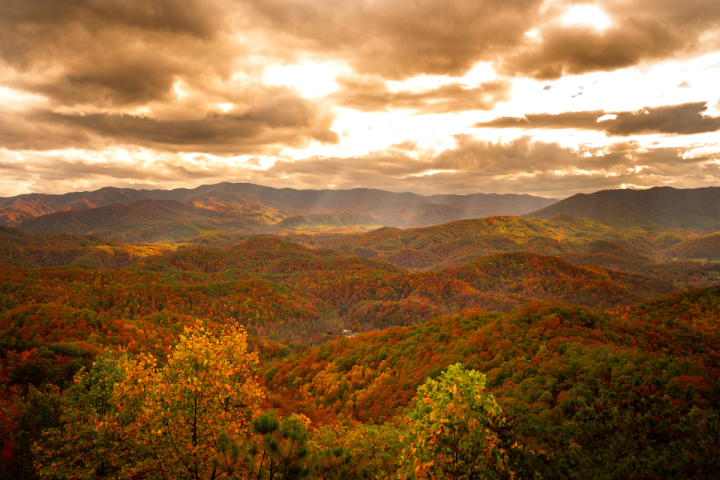
Unique Ways to Experience Fall Foliage in Tennessee
Unique Ways to Experience Fall Foliage in Tennessee - Read ArticleAs leaves change color and crisp air settles in, it's the perfect time to explore Tennessee's natural beauty. With over 60 state parks, you'll find countless opportunities to witness autumn's vibrant hues. Here are some unique suggestions for viewing fall foliage—including what to do and where to visit. -
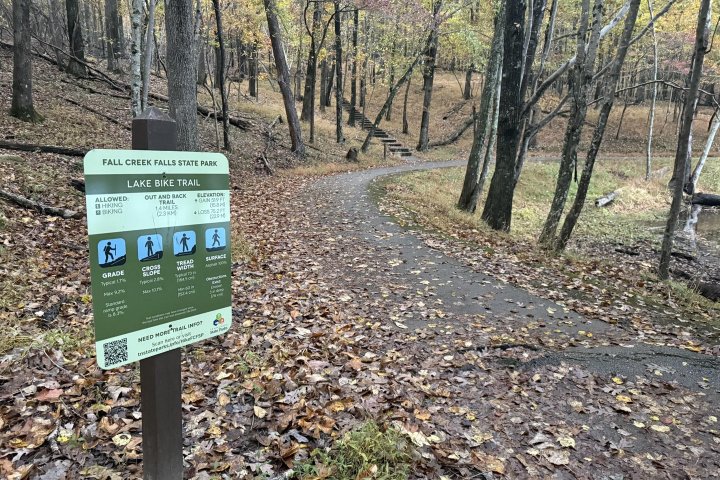
Tennessee State Parks Uses New Technology to mark trails, make parks more accessible
Tennessee State Parks Uses New Technology to mark trails, make parks more accessible - Read ArticleNovember 17, 2025 | NASHVILLE – Tennessee State Parks today announced the installation of signs at several parks across the state giving visitors detailed information developed from the use of new technology on the conditions expected on park trails. The new park signage is another example of how Tennessee has the most accessible state park system in the nation.