
Ocoee River Highlights
Flowing with Outdoor Adventure
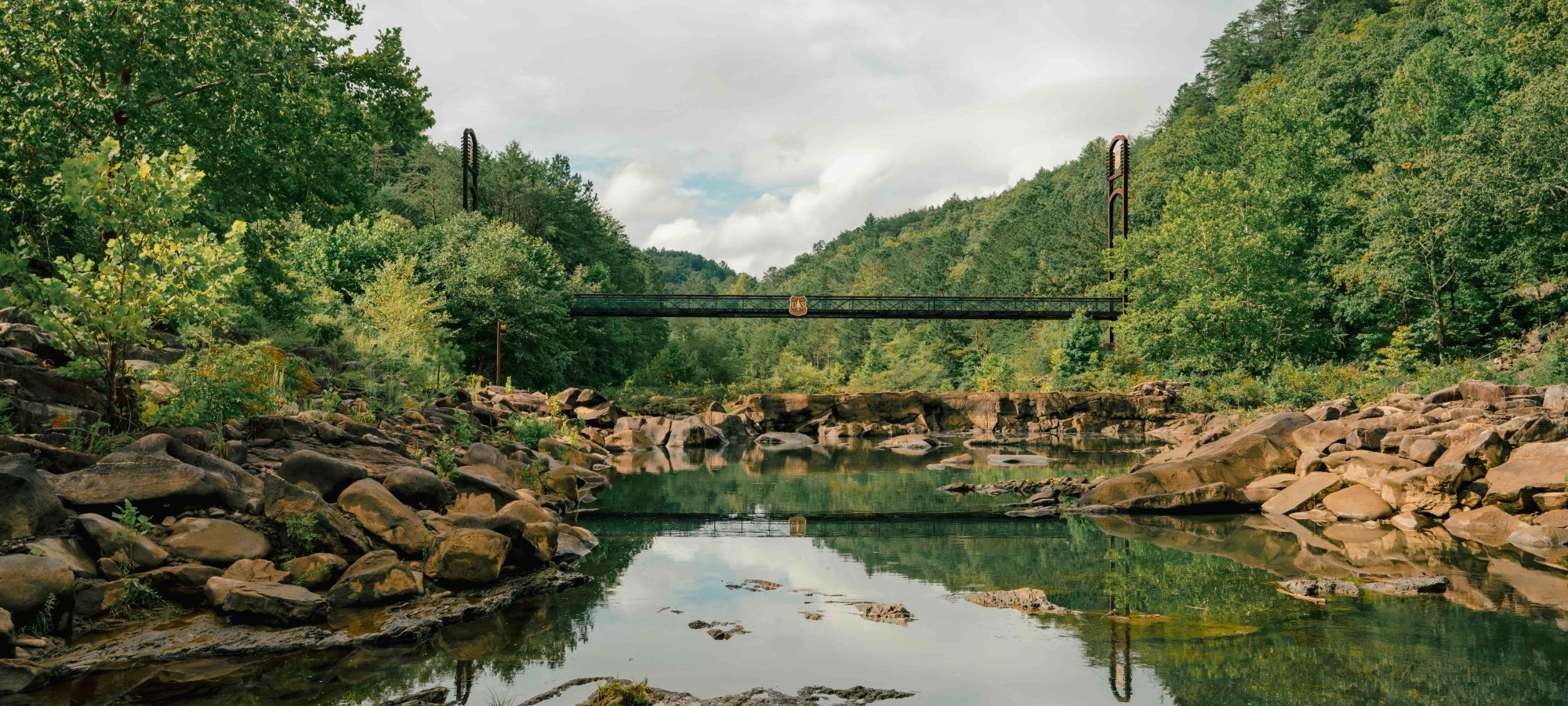
Ocoee River State Park is home to the internationally recognized whitewater sites along the "Mighty Ocoee" River, drawing adrenaline seekers from all over the country.
Discover Ocoee River State Park
A Force of Nature: The People of the Ocoee
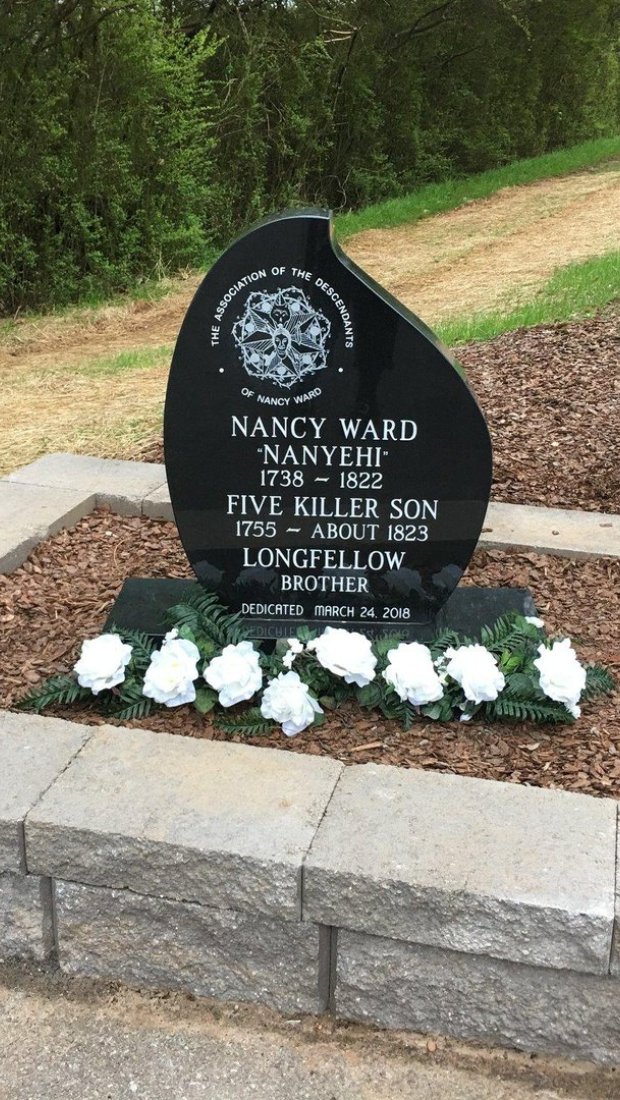
The Ocoee River was the source of life for the Cherokee people who lived there, one of the more famous in this tribe being Nancy Ward. Born in 1738 in a matriarchal Cherokee tribe, Nancy witnessed as her uncle, Chief Attakullakulla, pursued paths of cooperation with British Colonists who had begun to encroach on their people's land. As she got older, her ferocity grew, and at 17 years old, she helped lead her people to victory over another native nation, earning her a title amongst her own as a beloved woman of the Cherokee. This title would come into play when she later married English trader Bryan Ward in an attempt to further broker peace between the two nations. Throughout the remainder of her life, Nancy Ward would continue to negotiate for peace between the Cherokee and the English settlers. Her gravesite remains at Ocoee River State Park and is maintained by the Daughters and Sons of the American Revolution.
The Leader in Hydropower
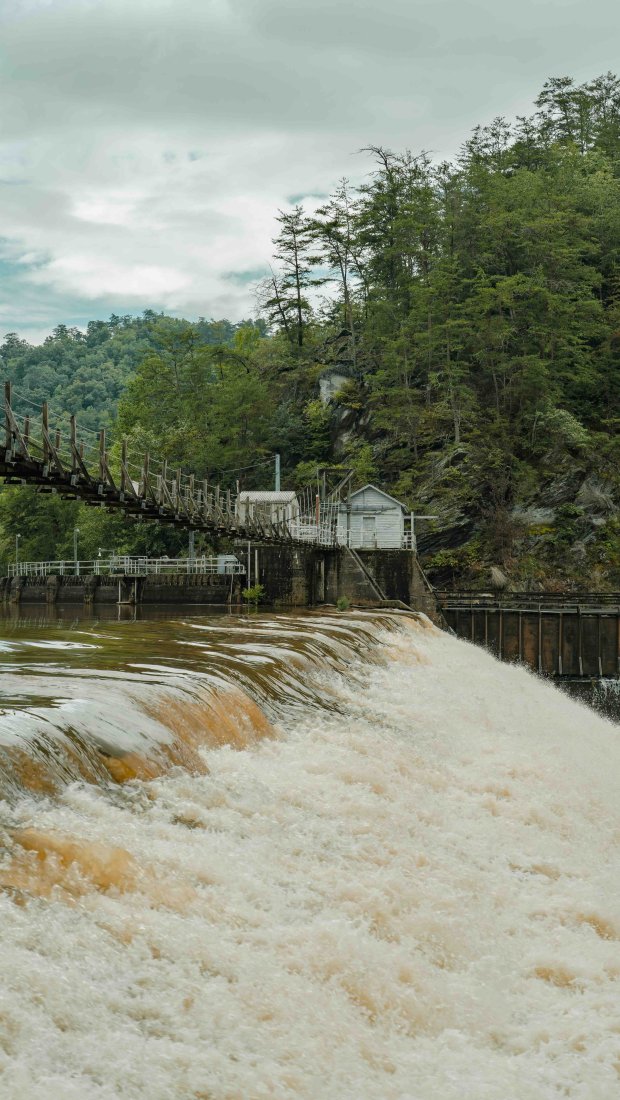
In 1912, in response to the rapidly growing desire for household electricity, the first dam was built on the Ocoee River (Ocoee Dam #1) by the East Tennessee Power Company, becoming one of the first major hydroelectric dams in the United States, and sent power to major cities throughout Tennessee. Its success led to the construction of Ocoee Dam #2 a few years later, which would go on to generate power for the region ever since.
In 1939, the creation of the TVA gave the group authority over the two dams, where the engineers would marvel at their design while working to generate more power for the area. They would go on to construct a third dam in the 1940s along the river, and would continue to maintain the historical processes and operations initially designed on the three dams.
In 1975, TVA determined that the wooden flume in Ocoee Dam #2 was in need of replacement due to the rotten wood. They were determined to maintain its historical significance by replacing the flume with another wooden one, and released the river during this time for the first time since 1913. For five miles, rapids up to Class V began ripping down the area, and with the rise of recreational whitewater rafting, people from all over the south began to try their hand at it. With tourists beginning to enter the area from all over to whitewater raft, the town began to build up around it to meet their needs, and outfitters began to form around the put-in locations.
When the Ocoee Dam #2 restoration was completed in 1982, businesses and residents from the area fought to maintain the area as a place for whitewater recreation (and won). The compromise was that the water could run for 5 days a week, and the dam could work for 2 days a week during the summer season. To manage this area, a partnership was determined between the private outfitters, US Forestry Service, TVA, and Tennessee State Parks to not only continue the power generation for the area, but also provide safe recreation for visitors who came to enjoy the river.
In 1996, the river gained international notoriety when it successfully balanced outdoor recreation without lasting damage or ecological footprints while hosting the Canoeing and Kayaking events in the Atlanta Summer Olympics. Annually, the river is revisited by Olympians and Olympic hopefuls as the conditions provide the unique opportunity to see progress with its consistent flow.
Ecological History
Copper Basin
In the mid-to-late 1800s, due to a boom in industry, a 26-mile area along the Ocoee River called Copper Basin, TN, became a haven for mining due to it's richness in copper ore, sulfur, iron, and zinc. Unfortunately, due to this overmining, production of sulfuric acid due to copper smelting, and poor farming practices in the area, the land was depleted of nutrients and became a vast, polluted desert so large that it could be seen from space (similarly to the Great Wall of China). This led to acid rain and pollution of the river itself. Three years after the end of active mining, the United States Environmental Protection Agency, the TVA and the Tennessee Department of Environment and Conservation began their work to restore and revegetate the land.
Ruth's Golden Aster
Ocoee River State Park is home to the incredibly rare Ruth's Golden Aster, a flower that exists in only two places in the entire world. In September, visitors are most likely to be able to see it near the Double Suck Rapids. The park continues to work on its natural preservation with help from the US Forestry Service and TVA.
-
The Perfect Day
The park recommends using a local outfitter when planning your trip to the Ocoee. With guides, rides to and from your put-in and take-out, and the assurance of having the proper safety equipment, visitors have a higher likelihood of a successful and enjoyable trip on the Ocoee.
-
Insider Information
For those looking to enjoy the thrill of the whitewaters without getting wet, the park recommends watching the paddlers at the Ocoee Whitewater Center, where you're only 10 feet away from the Olympic-level action.
For those looking for a different type of adventure, the park recommends hiking the lesser-known Goforth Creek Trail (managed by the U.S. Forest Service).
-
See Schedule (Opens in a new tab)
Know Before You Go
The Ocoee River only runs at certain times through a partnership with the TVA. The river is divided into the Upper, Middle, and Lower Ocoee and the days of active release vary by area. Visitors looking to whitewater raft on these sections of the river should review the dates of dam release prior to planning their trip to ensure the ability to whitewater raft (waters on non-release days are too low for rafting activity). Those looking for more of a casual float or paddle should consider the Lower Ocoee throughout the week.


Land and Water

Trails
Sugarloaf Mountain Day Use Area has a short, paved ADA trail. This serene trail offers a spectacular view of the Lower Ocoee River and Dam #1.
Ocoee River State Park is surrounded by the Cherokee National Forest, home to over 700 miles of hiking trails. Learn more about hiking opportunities in the Cherokee National Forest.
Water Features
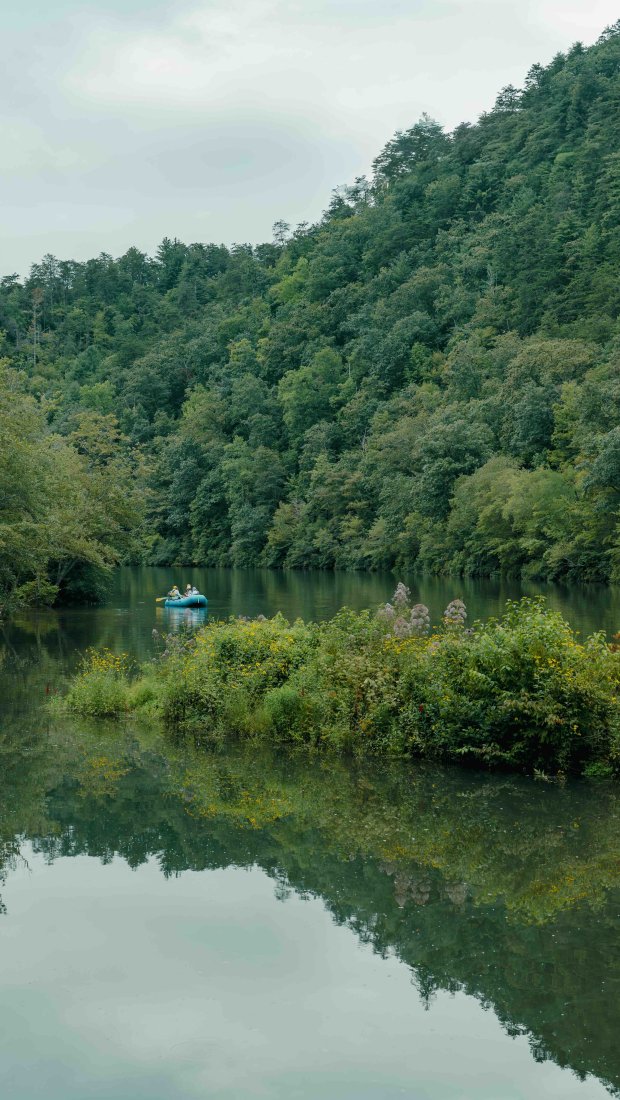
The most popular areas are the Upper and Middle Ocoee. The Upper Ocoee was the site of the 1996 Summer Olympics and features the largest rapids that the Ocoee River has to offer with several Class IV rapids. The Middle Ocoee offers five miles of Class III and Class IV rapids along the mountains. The Lower Ocoee is best for a more casual float, enjoyable for visitors of all comfort levels and appropriate for younger visitors.

Plants
Ruth's Golden Aster
Ocoee River State Park is home to the incredibly rare Ruth's Golden Aster, a flower that exists in only two places in the entire world. In September, visitors are most likely to be able to see it near the Double Suck Rapids. The park continues to work on its natural preservation with help from the U.S. Forestry Service and TVA.

Plant Types
- Bald Cypress
- Sycamore (American Sycamore)
- Daisy

Birds
Over 100 species of birds have been observed at the park.
From great blue herons fishing along river rocks to bald eagles and numerous woodland birds. Visitors have spotted herons, mockingbirds, swallows, buntings, and woodpeckers throughout the park, but there are always more to discover!
Bird Species
- Bald Eagle
- Great Blue Heron
- Northern Mockingbird
- Swallows
- Indigo Bunting
- Downy Woodpecker
Animals
Ocoee River State Park is a haven for wildlife, with a wide variety of species calling the park home.

Animal Species
- Black Bear
- Raccoon
- Eastern Chipmunk
- River Otters
- Gray Fox
- White-tailed Deer
Inspiration
-
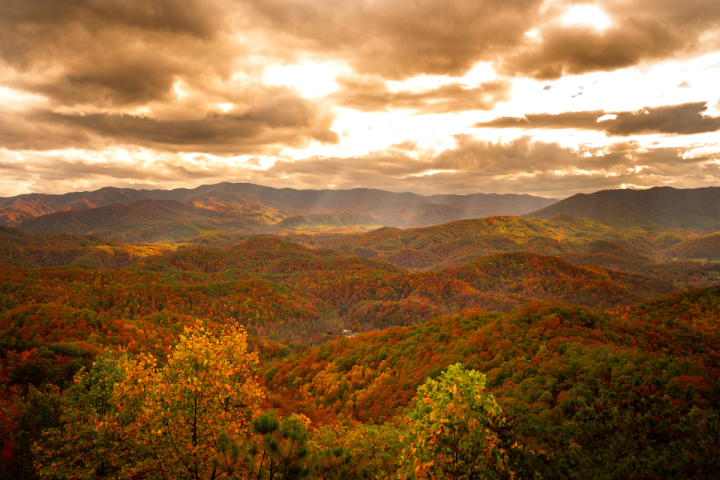
Unique Ways to Experience Fall Foliage in Tennessee
Unique Ways to Experience Fall Foliage in Tennessee - Read ArticleAs leaves change color and crisp air settles in, it's the perfect time to explore Tennessee's natural beauty. With over 60 state parks, you'll find countless opportunities to witness autumn's vibrant hues. Here are some unique suggestions for viewing fall foliage—including what to do and where to visit. -
-
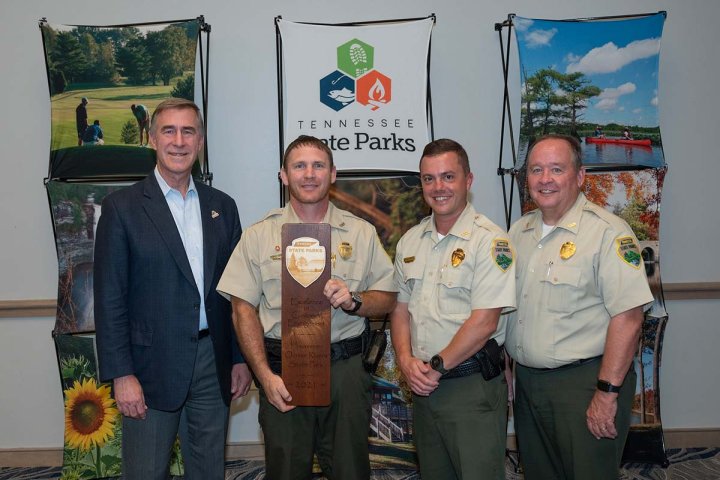
Hiwassee/Ocoee Scenic River State Park Honored for Customer Engagement
Hiwassee/Ocoee Scenic River State Park Honored for Customer Engagement - Read ArticleAugust 26, 2021 | FOR IMMEDIATE RELEASE: Thursday, August 26, 2021 CONTACT: Kim Schofinski (615) 571-3165 -
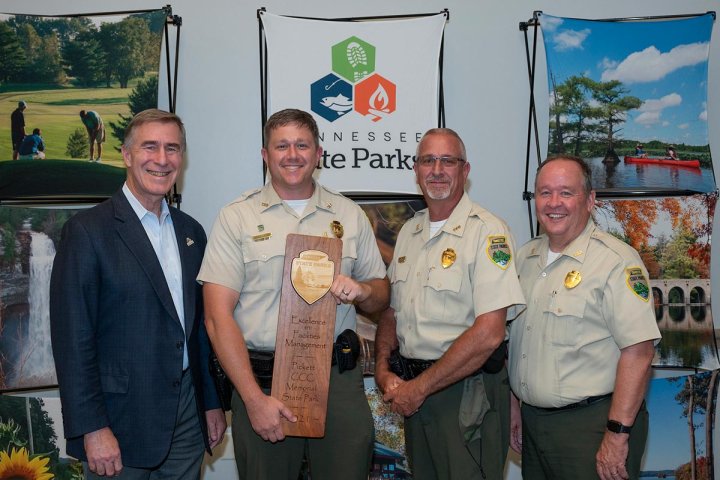
Johnsonville State Historic Park honored for Resource Management
Johnsonville State Historic Park honored for Resource Management - Read ArticleAugust 26, 2021 | FOR IMMEDIATE RELEASE: Thursday, August 26, 2021 CONTACT: Kim Schofinski (615) 571-3165


