
Radnor Lake Highlights
Notification Alert
EV Chargers Temporarily Unavailable
Due to pending upgrades of the Electric Vehicle Chargers at Radnor Lake State Park, the current chargers are temporarily unavailable.
Thank you for your patience and understanding. If you have any questions, please contact our park office.
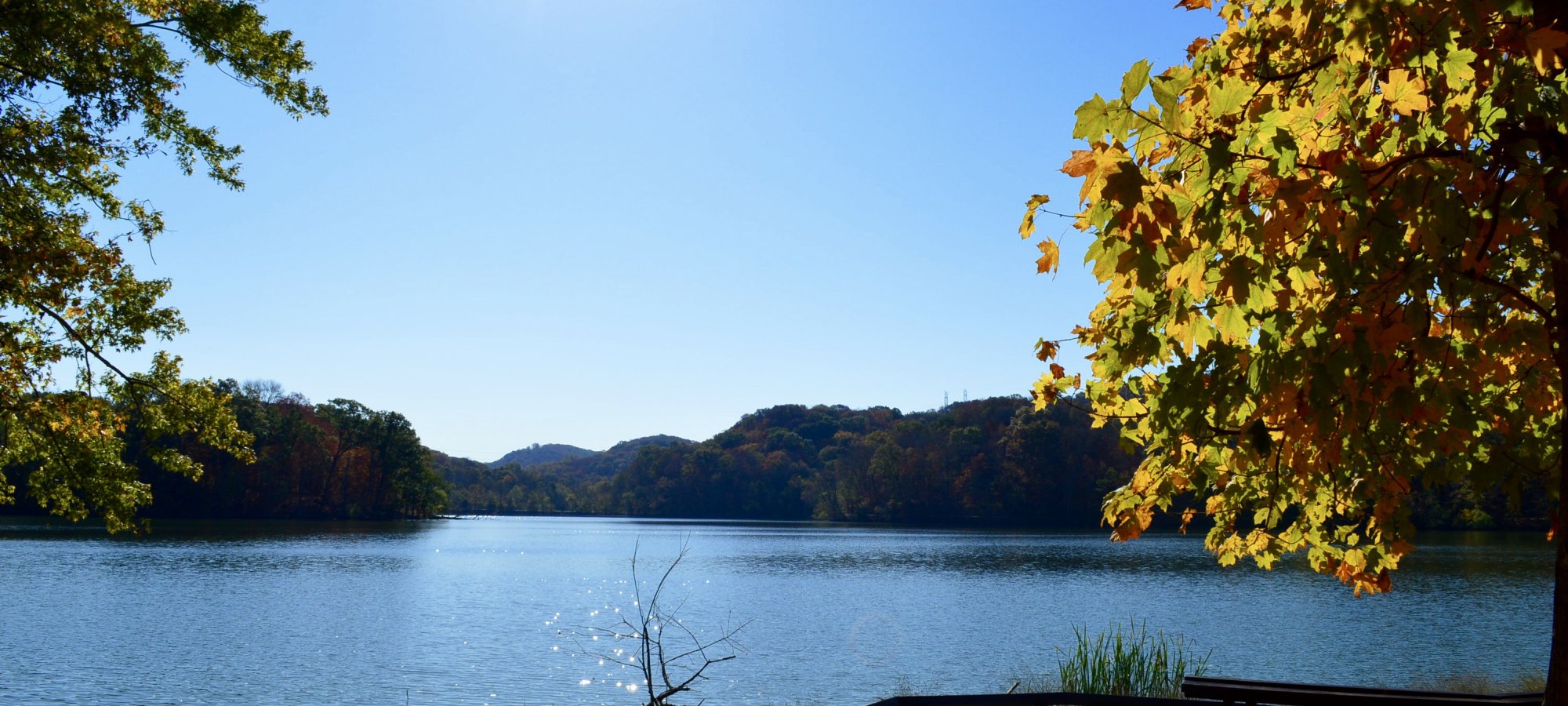
A Sanctuary in the City
Radnor Lake State Park, a serene oasis nestled in the heart of Nashville, offers a unique escape into nature. This 1,391-acre natural area provides a haven for wildlife and a tranquil retreat for visitors seeking respite from the urban bustle. Discover the rich history, stunning scenery, and abundant wildlife that make Radnor Lake a true gem of Tennessee's state parks.
Discover Radnor Lake State Park
The story of Radnor Lake State Park is intertwined with the history of the Louisville and Nashville (L&N) Railroad. In the early 20th century, the railroad constructed a dam to create a reservoir, Radnor Lake, to supply water for its steam engines at Radnor Yards. Over time, the land surrounding the lake became a sanctuary for diverse wildlife, particularly migrating birds. Recognizing its ecological significance, the state of Tennessee established Radnor Lake as a State Natural Area in 1973, preserving its beauty and biodiversity for generations to come. Today, visitors can explore the trails, observe wildlife, and connect with nature in this urban oasis, a testament to the transformative power of conservation.
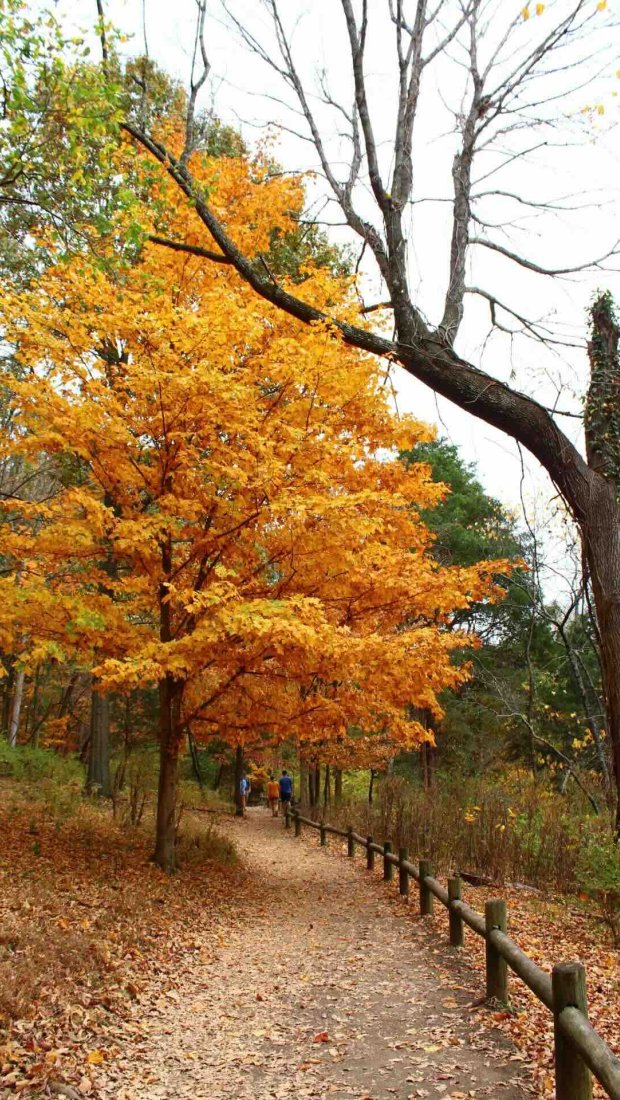
History
Radnor Lake State Park's history is a fascinating blend of industrial necessity and ecological preservation.
The land was initially used for farming before the L&N Railroad purchased it between 1914 and 1917 to build a dam and create a water source for their steam engines at Radnor Yards. The lake and surrounding area were named after these railyards.
The dam complex, still visible today, tells the story of industrialization in the area and the beginnings of what allowed Radnor Yards to become a major rail hub in the early 1900s. As steam engines were phased out, the need for the reservoir diminished, and the land gradually transformed into a haven for wildlife.
Recognizing the area's unique ecological value, conservationists and local area residents advocated for its preservation. In 1973, their efforts culminated in the establishment of Radnor Lake as a State Natural Area, protecting its diverse flora and fauna.
Today, visitors can explore the Valve House Trail which features signage detailing the park’s historic connection to the railroad. The Walter Criley Visitor Center houses exhibits that showcase the park’s history including its Native American heritage as well as the story of former caretaker Carrie McElyea.
From the Rangers
-
The Perfect Day
Begin your day with a hike along the Lake Trail-Otter Creek Road Loop, taking in the scenic views of Radnor Lake and the surrounding natural area. Be sure to stop at the observation decks to view the bald eagle nest. On Wednesdays and Saturdays from 10 am to 1 pm, visit the Barbara J. Mapp Aviary Education Center to view non-releasable birds of prey, venomous and non-venomous snakes, and turtles along the 550-foot boardwalk.
-
Insider Information
Radnor Lake State Park is renowned as a top destination in the southeastern United States for viewing migrating birds during the spring and fall. For a less crowded experience, plan your visit between 6 AM and 9 AM CST. Explore the lesser-traveled Ganier Ridge and South Cove Trails for a more secluded hike.
-
Know Before You Go
When planning your visit to Radnor Lake, keep in mind that cell service can be limited in certain areas, particularly the east parking lot and along the Ganier Ridge and South Cove Trails. if using a ride-share, it's best to be dropped off and picked up at the visitor center due to limited cell service in east lot. There is no public Wi-Fi available in the park. Also, note that pets, running, and bikes are only allowed on Otter Creek Road, Hall Drive, and the dam. All other trails are closed to these activities.


Land and Water
-
Trails
Radnor Lake boasts a network of trails that wind through diverse habitats, offering visitors opportunities for hiking and wildlife observation. The Lake Trail is a popular choice, providing scenic views of the lake and a chance to spot white-tailed deer, eastern wild turkey and barred owls. The Ganier Ridge Trail offers a more challenging hike with a steep incline.
-
Mountains and Vistas
Radnor Lake State Park offers a unique vista from the peak of Ganier Ridge. The Lake Trail Observation Deck provides a southeastern view over the lake and the protected state natural area.
-
Water Feature
Radnor Lake itself is the park's central water feature, a reservoir created in the early 20th century. Otter Creek flows through the park, providing critical water and enhancing wildlife observation opportunities for visitors along the Lake Trail, the Otter Creek Road hiking loop, and the Spillway Trail. Swimming and wading are not allowed in the lake or creeks.


Plants
Radnor Lake's diverse flora transforms with the seasons.
In spring, the South Cove Trail bursts into color with wildflowers. Throughout the park, you'll find a variety of trees that are colorful in their own way. Talk to a Park Ranger to learn more about the unique plant life and the park's conservation efforts.
Plant Types
- Dutchman’s Breeches
- Dwarf Larkspur
- Mayapple
- Purple Phacelia
- Trout Lillies
- Eastern Red Cedar
- Hackberry
- Red Maple
- White Oak
- Celandine Poppy
- Spring Beauty
- Sweet Betsy
- Yellow Wood
Birds
Radnor Lake State Park and Natural Area provides seven plus miles of trails and roadway that meander through oak-hickory forest and lake shore, with 236 bird species reported in the State Natural Area.
During the spring and fall, migration is substantial, with warblers (37 species have been reported), vireos, and flycatchers, allowing for superb chances to see many non-resident species. Winter months provide outstanding opportunities to see waterfowl (24 species have been reported), with the lake being a stopover location for migrating ducks.

Bird Species
- Barred Owl
- Bay-breasted Warbler
- Belted Kingfisher
- Black Vulture
- Blackpoll Warbler
- Blue Grosbeak
- Canada Goose
- Cerulean Warbler
- Common Yellowthroat
- Double-crested Cormorant
- Eastern Kingbird
- Eastern Phoebe
- Eastern Wood-Pewee
- Great Blue Heron
- Great Crested Flycatcher
- Hermit Thrush
- Hooded Merganser
- Pied-billed Grebe
- Indigo Bunting
- Killdeer
- Northern Rough-winged Swallow
- Osprey
- Pileated Woodpecker
- Prothonotary Warbler
- Purple Martin
- Red-bellied Woodpecker
- Red-eyed Vireo
- Scarlet Tanager
- Song Sparrow
- Spotted Sandpiper
- Summer Tanager
- Swainson’s Thrush
- Tree Swallow
- Swamp Sparrow
- Turkey Vulture
- Waterfowl
- White-breasted Nuthatch
- White-throated Sparrow
- Wild Turkey
- Wood Thrush
- Yellow Warbler
- Bald Eagle
- Green Heron
- Wood Duck
- Hooded Warbler

Animals
A great place to view migratory birds, Radnor Lake is a haven for wildlife.
Visit the park to observe a variety of species in their natural habitat.
Animal Species
- Double-crested Cormorant
- River Otters
- Muskrats
- Beavers
- Eastern Chipmunk
- Eastern Gray Squirrel
- Raccoon
- White-tailed Deer
- Red-eared Sliders
- Mink
Inspiration
-

Wonderful Winter Hikes in Tennessee
Wonderful Winter Hikes in Tennessee - Read ArticleWinter is one of the best times to hike at Tennessee State Parks, with quiet trails, fewer bugs, clear views, and dramatic landscapes of icicles and fresh snow. -
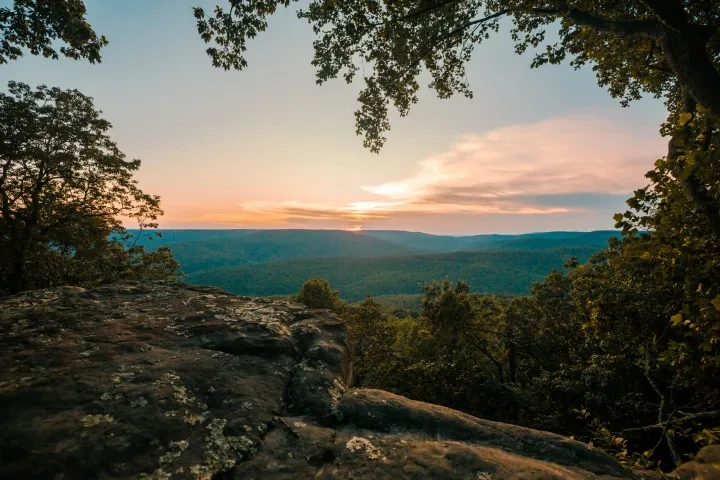
Scenic State Park Overlooks in Tennessee
Scenic State Park Overlooks in Tennessee - Read ArticleWant to enjoy Tennessee’s beauty with everyone in the family? Explore state parks across the region that offer accessible viewpoints for wheelchairs and strollers. -

Eight Stroller Friendly State Parks In Tennessee
Eight Stroller Friendly State Parks In Tennessee - Read ArticleTennessee is well known for its beautiful state parks that offer a variety of outdoor activities for families. However, not all state parks are equally accessible for families with young children. Parents with strollers often face challenges due to uneven terrain, steep hills, or narrow paths. In this blog post, we will explore eight state parks in Tennessee that are stroller-friendly and offer a great outdoor experience for families with young children. -
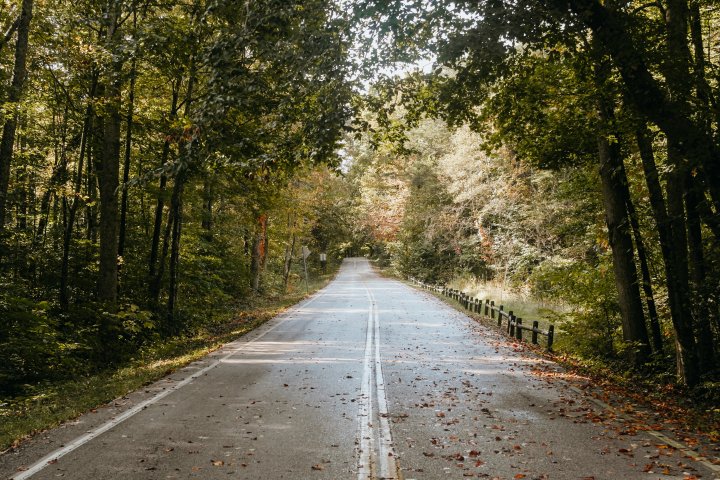
Tennessee State Park Road Trips
Tennessee State Park Road Trips - Read ArticleRoad Trips are great because they’re flexible. We pre-planned five road trips packed with Tennessee State Parks, incredible outdoor adventures, history, and overnight stays.


