
Reelfoot Lake Highlights
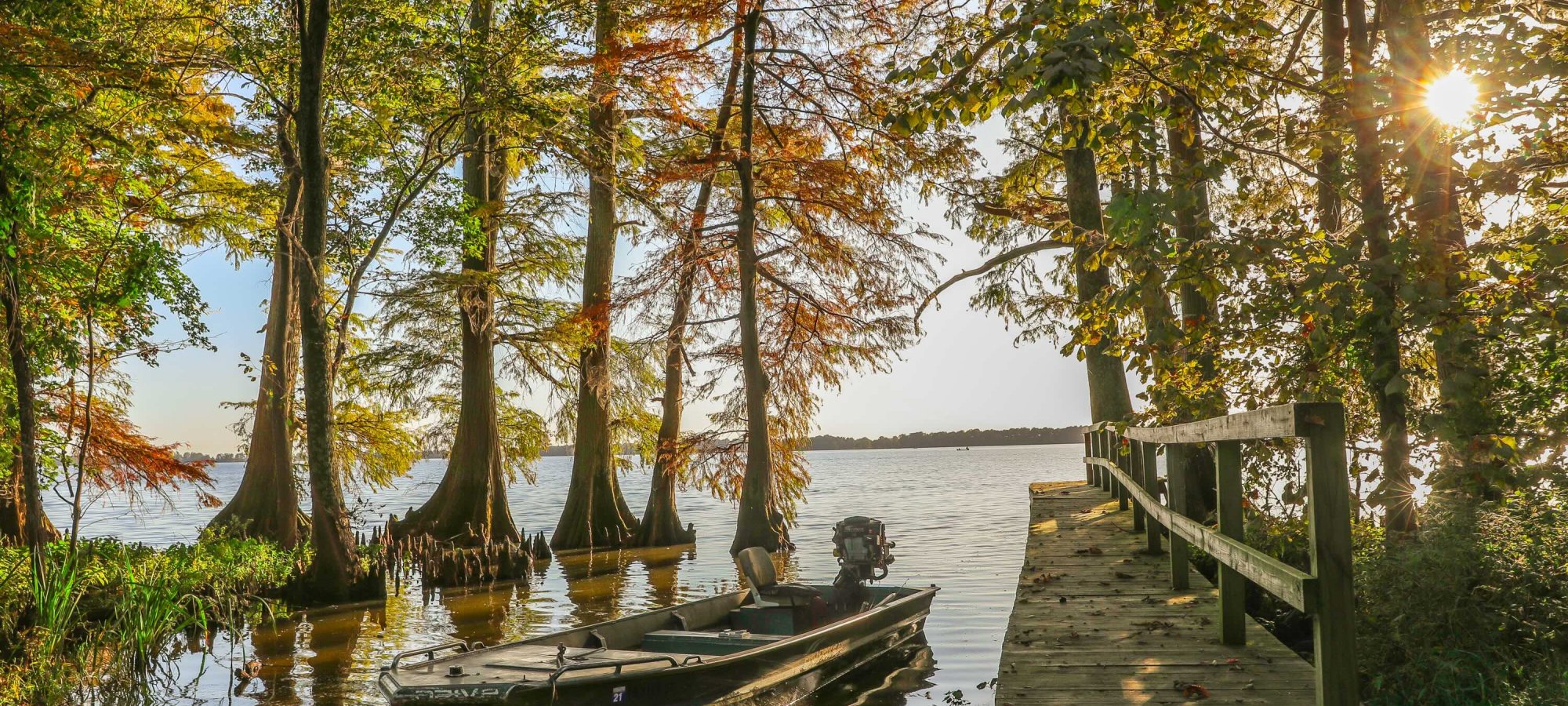
A Lake Born of Legend and Earthquake
Reelfoot Lake State Park is a place where myth and natural history intertwine. Legend says the lake was formed by the wrath of the Great Spirit, while science tells a tale of powerful earthquakes that forever altered the landscape. This unique blend of folklore and geology creates an atmosphere unlike any other, a place where the past is palpable and the beauty is breathtaking. Discover the secrets of this extraordinary park, from its fascinating origin story to the hidden gems waiting to be explored, and prepare to be captivated by the wonders that await you.
Discover Reelfoot Lake State Park
Reelfoot Lake State Park exists because of a dramatic reshaping of the land. In the winter of 1811 - 1812, a series of powerful earthquakes struck the region, causing the Mississippi River to flow backward and the land to sink. This cataclysmic event created Reelfoot Lake, a shallow, sprawling body of water dotted with cypress trees and teeming with life. The lake quickly became a haven for wildlife and a vital stopover for migratory birds, solidifying its importance as an ecological treasure. The park invites visitors to immerse themselves in its beauty, explore its rich history, and witness the resilience of nature in the face of dramatic change. Come and experience the magic of Reelfoot Lake, a place where the earth moved and a sanctuary was born.

History
The story of Reelfoot Lake begins long before its official establishment as a state park in 1956.
The area was historically inhabited by the Chickasaw tribe, and the lake's name is derived from a legend about a Chickasaw chief named Reelfoot. According to the tale, Chief Reelfoot defied tribal customs by abducting a maiden from another tribe. The Great Spirit, angered by this transgression, stomped on the ground, causing the earth to sink and form the lake, swallowing the chief and his bride.
The earthquakes of 1811 and 1812 dramatically reshaped the landscape, creating the 15,000-acre lake that exists today. The area became a popular spot for hunting, fishing, and trapping, and agricultural areas were established around the lake's perimeter. In the early 20th century, the Keystone Logging Company operated at Reelfoot Lake, leaving its mark on the area's history and lending its name to Keystone Park.
In 1956, Reelfoot Lake State Park was established to protect the lake's unique ecosystem and provide recreational opportunities for visitors. The Civilian Conservation Corps (CCC) played a significant role in the park's development, constructing facilities and infrastructure that are still in use today. A granite marker behind the Visitor Center details the history of the CCC and its contributions to Reelfoot Lake State Park.
Today, Reelfoot Lake State Park continues to evolve, with ongoing efforts to preserve its natural and cultural heritage. An exhibit that tells the history of Keystone Park and its ties to segregation is underway and expected to be completed in 2025. The park also offers interpretive tours and exhibits that explore the area's Native American history, including artifacts and burial mounds.
From the Rangers
-
The Perfect Day
Start your day at the Visitor Center Museum and boardwalk over Reelfoot Lake, followed by a visit to the Nature Center and Birds of Prey aviaries. Then, take a hike on the Keystone Trail and the Broad Slough Trail. End your day with a pontoon boat cruise (May through September) or eagle tour (January and February).
-
Insider Information
For a truly unique experience, embark on a shallow water boat tour to the most remote, least-visited areas of Reelfoot Lake, known as Crane Town, Big Ronaldson, and Little Ronaldson. These tours offer a glimpse into the lake's hidden corners and a chance to spot resident American bald eagles, especially during sunrise at Keystone Park or sunset over Champey Pocket. For a less crowded visit, plan your trip for weekday mornings.
-
Know Before You Go
When operating a motorized boat, if you’re not familiar with the underwater hazards of Reelfoot Lake, run with your motor trimmed up on idle and please wear a lifejacket. Also, be aware of the weather at all times.


Land and Water
-
Trails
Both the Keystone Trail and the Broad Slough Trail provide spectacular opportunities for wildlife viewing. Check out the Hiking page for more trail details.
-
Water Features
Reelfoot Lake State Park is known for its beautiful wetlands throughout most areas of the park. The best view is the boardwalk at the Visitor Center. Other areas include the Broad Slough Trail, the Keystone Trail, and the Airpark Trail.


Keystone Park
Keystone Park was formerly a segregated area of Reelfoot Lake State Park. It was a popular destination from the 1940’s to the mid-1960’s. In order to learn more about this area’s history, Tennessee State Parks interviewed former park visitors. These are their stories.
Keystone remains a thriving area at Reelfoot Lake State Park with a fishing pier, picnic areas, a boat ramp, and hiking trails.


Plants
The park is home to a diverse array of flora, with the shoreline consisting of cutgrass and other emergent aquatic vegetation.
The park borders the shoreline and has large trees such as cypress and sycamore in an open setting. The park also has a bottomland hardwood/cypress swamp habitat.
Plant Types
- Sycamore (American Sycamore)
- Bald Cypress
- Eastern Cottonwood
- Honey Locust
- Red Maple
Birds
Reelfoot Lake is one of the best destinations for birdwatching in Tennessee.
The 280-acre Reelfoot Lake State Park is part of a complex of public lands that include the Reelfoot Lake National Wildlife Refuge and the Reelfoot State Wildlife Management Area. The Reelfoot Lake area includes a mix of bottomland hardwood forest, cypress swamp, marsh, agricultural fields, and open water habitats. Over 200 species of birds have been reported from the area.

Bird Species
- Acadian Flycatcher
- American White Pelican
- Bald Eagle
- Baltimore Oriole
- Barred Owl
- Common Grackle
- Common Yellowthroat
- Dickcissel
- Double-crested Cormorant
- Eastern Bluebird
- Eastern Kingbird
- Eastern Meadowlark
- Eastern Wood-Pewee
- Great Blue Heron
- Great Crested Flycatcher
- Greater White-fronted Goose
- Gull
- Herons
- Egrets
- Indigo Bunting
- Kentucky Warbler
- Loggerhead Shrike
- Mississippi Kite
- Northern Cardinal
- Northern Harrier
- Northern Parula
- Orchard Oriole
- Osprey
- Pied-billed Grebe
- Prothonotary Warbler
- Red-eyed Vireo
- Red-tailed Hawk
- Red-winged Blackbird
- Ring-billed Gull
- Shorebirds
- Snow Goose
- Songbirds
- Sparrows
- Summer Tanager
- Tree Swallow
- Wading Birds
- Waterfowl
- White-eyed Vireo
- Wood Duck
- Woodpecker
- Yellow-throated Warbler
- Bonaparte's Gull
Animals
Reelfoot Lake State Park is a haven for wildlife, with a wide variety of species calling the park home.
Learn more about the park's unique animals by visiting the Nature Center and birds of prey aviaries.


Animal Species
- Insects
- Frogs
- Toads
- Turtles
- Snakes
- Bats (various species, e.g., Big Brown Bat)
- Squirrels
- Raccoon
- Opossums
- Skunks
Inspiration
-
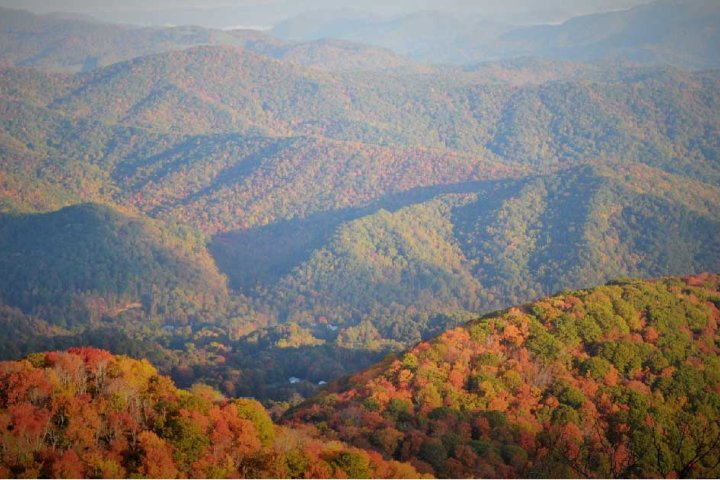
10 of the Best Destinations for Fall Break in Tennessee
10 of the Best Destinations for Fall Break in Tennessee - Read ArticleTennessee State Parks offer the perfect setting for a memorable fall break vacation. To help you plan, we've compiled ten parks with cabins and campsites perfect for your family vacation or break with friends. -

Wonderful Winter Hikes in Tennessee
Wonderful Winter Hikes in Tennessee - Read ArticleWinter is one of the best times to hike at Tennessee State Parks, with quiet trails, fewer bugs, clear views, and dramatic landscapes of icicles and fresh snow. -
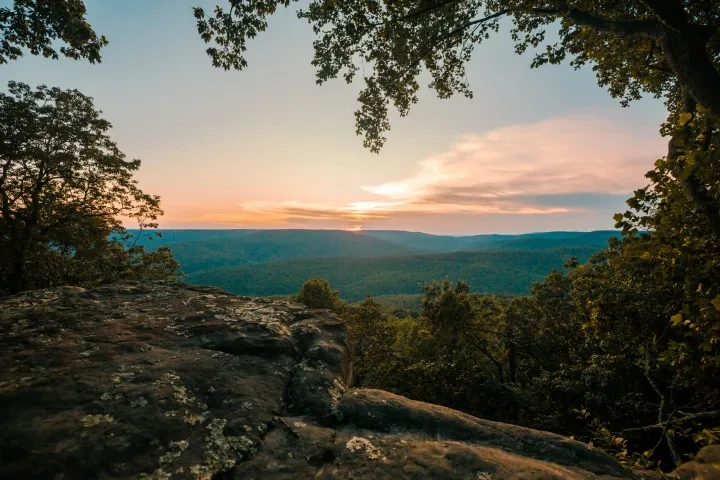
Scenic State Park Overlooks in Tennessee
Scenic State Park Overlooks in Tennessee - Read ArticleWant to enjoy Tennessee’s beauty with everyone in the family? Explore state parks across the region that offer accessible viewpoints for wheelchairs and strollers. -
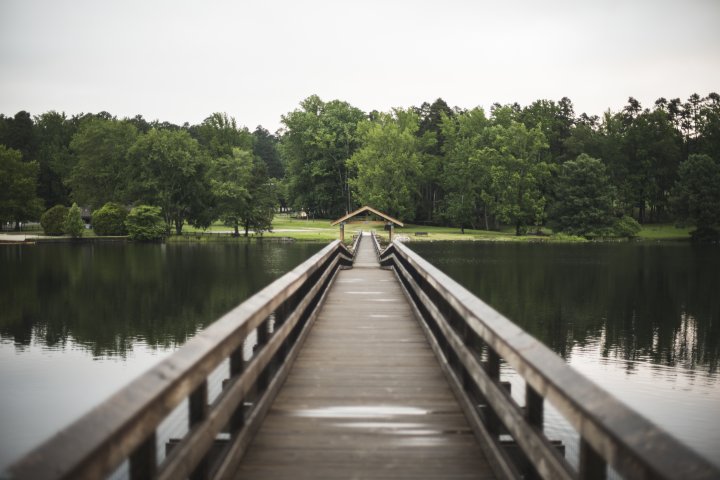
Lakeside Cabin Vacations at Tennessee State Parks
Lakeside Cabin Vacations at Tennessee State Parks - Read ArticleBook a cabin surrounded by the outdoor activities you love. Enjoy spacious, family-friendly cabins with lake views, on-site dining, and staff-led programs.


