
Rock Island Highlights
Warning Alert
Safety Closures in Effect at Rock Island State Park
The following alert is important for all Rock Island State Park visitors
TVA Great Falls Dam and/or the TVA Great Falls Powerhouse may release water on an irregular schedule. Water discharge may change day to day or even hour to hour. All river gorge areas downstream of the TVA Dam are closed when the dam is in Active water spill mode or a discharge is likely for the day. Before planning your visit, please check TVA's website for Great Falls Dam and Powerhouse for the most current water discharge schedule. Visitors are encouraged to check the discharge schedule often. Discharge schedules can change rapidly based on lake levels, rainfall forecasts, etc. Water releases may occur with or without warning any time you are near a TVA dam or powerhouse. Visitors should be prepared for a quick exit should they hear warning sirens or notice water rising. Life jackets and hiking shoes are strongly encouraged in this area.
The park has also seen very high visitation over the last year. Please do not park on roadsides or in non-designated areas. If the park is full, please consider visiting another state park in the area.
Please check the park’s Facebook page for updates before your visit.
Know Before You Go
The park often experiences high visitation. Please do not park on roadsides or in non-designated areas. If the park is full, please consider visiting another state park in the area.
Also, please check the status of the Caney Fork River Gorge section of the park before visiting, as access is dependent on approval from TVA based on hourly water release predictions. Gorge closures may occur without notice and can be in place for varying lengths of time. Learn more on our safety information page.
Rock Island Gorge Safety
IMPORTANT SAFETY INFO: Please note that swimming or wading is not permitted downstream of the Powerhouse at any time, regardless of water releases. Check TVA’s website for water release information and dam safety data at: www.tva.gov/Environment/Lake-Levels/Great-Falls.
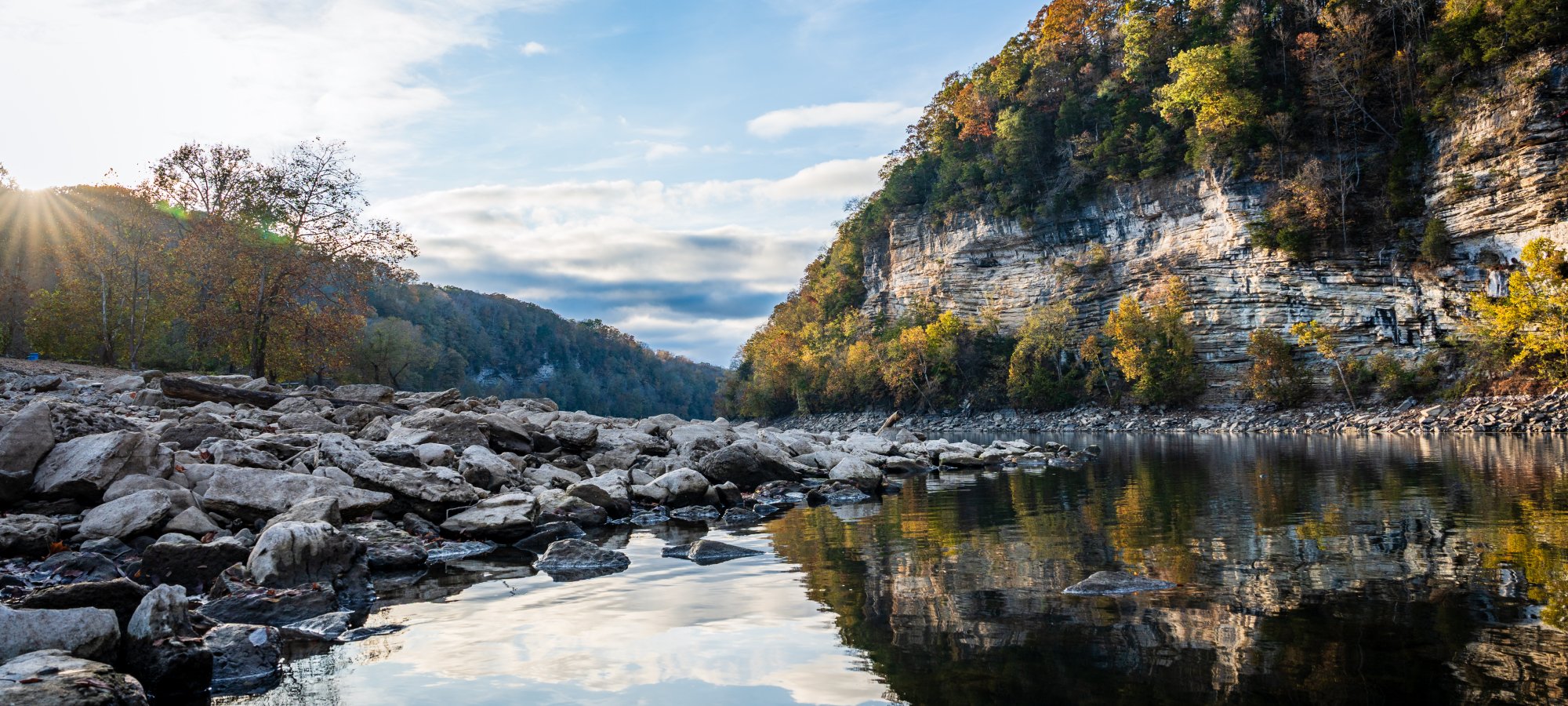
A Symphony of Stone and Water
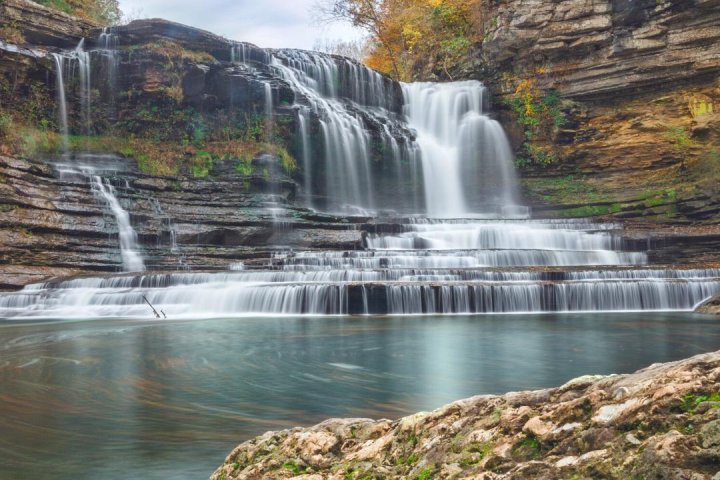
At Rock Island State Park, the power of the Caney Fork River has carved a landscape of dramatic bluffs, cascading waterfalls, and hidden grottoes, and you are invited to witness nature's artistry. This isn't just a park; it's a living sculpture, shaped by time and water, offering a unique blend of rugged beauty and serene tranquility. Discover the stories etched in stone and whispered by the falls.
Discover Rock Island State Park
Rock Island State Park's story is intertwined with the power of water and the ingenuity of humankind. Long before it became a haven for outdoor enthusiasts, the area was a hub of industry, harnessing the Caney Fork River's energy to drive cotton mills and generate electricity. Today, the park stands as a testament to the enduring beauty of nature, inviting visitors to explore its dramatic landscapes, discover its rich history, and create their own memories amidst the symphony of stone and water. The park offers a chance to connect with the raw power of nature and the echoes of a bygone era.
History
Rock Island State Park's history is a tapestry woven with threads of industry, community, and conservation.
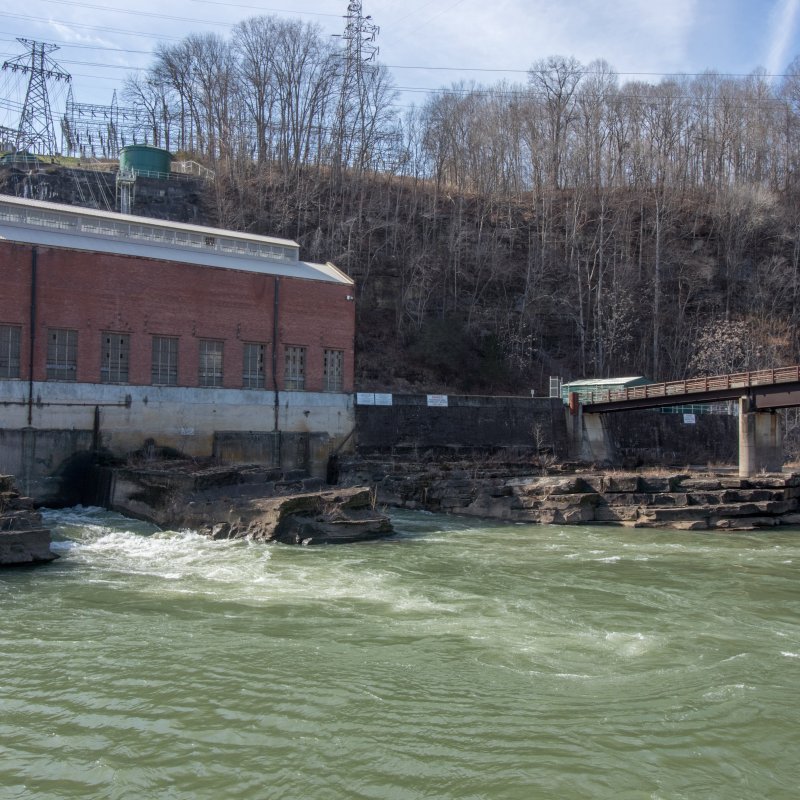
The area's significance dates to the late 19th century, when Asa Faulkner, an early industrialist, recognized the potential of the Caney Fork River. He established the Falls City Cotton Mill in 1892, which operated until 1902, employing many local residents, including women and children.
A small community called Falls City sprang up around the mill and thrived throughout the early 20th century. The remnants of the Falls City Cotton Mill, now listed on the National Register of Historic Places, still stand on the bluffs of the Caney Fork River, a silent witness to the area's industrial past.
In the 1910s and 1920s, the Tennessee Electric Power Company (TEPCO) further harnessed the river's power, building the Great Falls Dam and other infrastructures within the park. Later, the Tennessee Valley Authority (TVA) continued to manage the dam and powerhouse, shaping the river's flow and influencing the landscape we see today.
The vision of local man H.G. Deaton led to Rock Island officially opening as a state park in 1969. Deaton became the first Park Ranger at Rock Island, cementing his legacy as a champion of conservation.
Today, Rock Island State Park preserves not only its natural beauty but also its industrial heritage, offering visitors a glimpse into the past while providing opportunities for outdoor recreation and appreciation of the natural world.
From the Rangers
-
The Perfect Day
Begin your day with a hike to witness the awe-inspiring Twin Falls and Great Falls, marveling at the power and beauty of the cascading water. Then embark on the Downstream Trail for a closer encounter with the river and its unique geological formations. End your day by casting a line and enjoying the thrill of fishing in the park's abundant waters.
-
Insider Information
While the overlooks offer stunning views, the true hidden gem of Rock Island is the "cold hole" swimming spot, accessible when the TVA gorge section is open. This secluded area provides a refreshing escape during the summer months, offering a chance to immerse yourself in the cool waters of the Caney Fork River. However, be mindful that there are few areas of the park that are not crowded at peak times during peak season.
-
Know Before You Go
Cell service is limited in the gorge areas, Blue Hole, and Sandbar Beach, so plan accordingly. Access to the park is best via SR-111 via Sparta or SR-70S via McMinnville. Parking can be extremely limited, especially during peak season, so arrive early and park only in designated spots. The TVA gorge section of the park is closed to foot traffic during times of water discharge or anticipated water discharge by TVA.


Land and Water
-
Trails
Rock Island State Park boasts a variety of trails, from easy strolls to strenuous hikes, each offering a unique perspective on the park's diverse landscape. The Old Mill Gorge and Blue Hole Trails are strenuous and not recommended for visitors with young children or underlying health conditions. Many visitor injuries could be prevented by utilizing appropriate, sturdy footwear. Avoid wearing flip-flops or other slip-on style shoes.
-
Mountains and Vistas
While not a mountain park, Rock Island State Park offers breathtaking views from its bluff lines and overlooks. A paddle down the river can leave your neck sore from looking upwards at the bluffs. Hiking a trail in Rock Island State Park will almost certainly take you to a grand view of the river.
-
Water Features
The park's namesake, Rock Island, sits at the confluence of the Collins River, the Rocky River, and the Caney Fork River. Other spectacular water features to be enjoyed are Twin Falls, Great Falls, Limestone Bluffs, and various springs.


Plants
The dominant flora of Rock Island State Park is a mesic, sloped, temperate deciduous forest.
Come to Rock Island State Park and learn directly from a Park Ranger about the unique plants that call this park home.
Plant Types
- Beech (American Beech)
- Dogwood (Flowering Dogwood)
- Hickory
- Oak (Quercus spp.)
- Pine (Eastern Pine Species)
- Tulip Poplar (Tulip Tree, State Tree)
- Leatherwood
- Spicebush
Birds
Over 153 species of birds have been seen and heard, especially in late spring.
Birds such as osprey, black vulture, belted kingfisher, black-crowned night-heron, and yellow-crowned night-heron can be seen along with great blue heron, which has a rookery nearby.

Bird Species
- Acadian Flycatcher
- American Goldfinch
- American Robin
- American Woodcock
- Barred Owl
- Bay-breasted Warbler
- Belted Kingfisher
- Black-and-White Warbler
- Black Vulture
- Black-crowned Night Heron
- Blackburnian Warbler
- Blue Grosbeak
- Blue-gray Gnatcatcher
- Bobolink
- Carolina Chickadee
- Carolina Wren
- Cedar Waxwing
- Chestnut-sided Warbler
- Chimney Swift
- Chipping Sparrow
- Common Yellowthroat
- Cooper’s Hawk
- Dickcissel
- Bay Ducks (Generic)
- Eastern Kingbird
- Eastern Meadowlark
- Eastern Phoebe
- Eastern Screech-Owl
- Eastern Towhee
- Eastern Whip-poor-will
- Eastern Wood-Pewee
- Flycatchers
- Great Blue Heron
- Great Crested Flycatcher
- Green Heron
- Hawk
- Henslow’s Sparrow
- Herons
- Horned Lark
- Indigo Bunting
- Killdeer
- Mourning Warbler
- Northern Harrier
- Northern Bobwhite
- Northern Rough-winged Swallow
- Orchard Oriole
- Osprey
- Prairie Warbler
- Prothonotary Warbler
- Red-tailed Hawk
- Red-winged Blackbird
- Sandhill Crane
- Scarlet Tanager
- Sparrows
- Summer Tanager
- Thrushes
- Tufted Titmouse
- Vireos
- Warblers
- White-breasted Nuthatch
- White-throated Sparrow
- Wild Turkey
- Flycatchers
- Wood Duck
- Worm-eating Warbler
- Yellow-billed Cuckoo
- Yellow-breasted Chat
- Yellow-crowned Night-Heron
- Yellow Warbler
- Yellow-throated Warbler

Animals
Rock Island State Park is home to a diverse array of wildlife.
Learn directly from a Park Ranger about the unique animals that live in this magnificent park.
Animal Species
- Moths
- Butterflies
- Dragonflies
- Bats (various species, e.g., Big Brown Bat)
- Eastern Box Turtle
- Copperhead
- Large Mouth Bass
- Small Mouth Bass
- Brown and Rainbow Trout
- Eastern Bluebird
- Pileated Woodpecker
- Belted Kingfisher
- Red-tailed Hawk
- Bald Eagle
- Eastern Chipmunk
- Eastern Gray Squirrel
- Squirrels
- Raccoon
- River Otters
- Beavers
- Red Fox
- Coyote
- White-tailed Deer
- Fireflies
- Green Frogs
- Bullfrogs
- American Toads
- Snapping Turtles
- Eastern Rat Snakes
- Garter Snakes
- Catfish
- Sunfish
- Walleye
Inspiration
-

Best of the Best: Premium Cabin & Lodge Rentals
Best of the Best: Premium Cabin & Lodge Rentals - Read ArticleExperience the outdoors with modern comfort. These ten premium cabins and lodges in Tennessee State Parks make your next adventure unforgettable. -
End-of-Summer Bucket List: 4 Must-Do Outdoor Activities
End-of-Summer Bucket List: 4 Must-Do Outdoor Activities - Read ArticleAs summer begins to wind down, August offers the perfect opportunity to tick off those remaining items on your summer bucket list. -
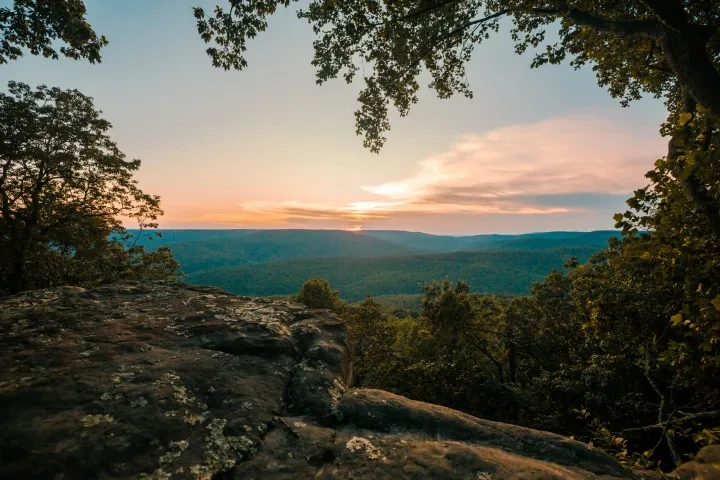
Scenic State Park Overlooks in Tennessee
Scenic State Park Overlooks in Tennessee - Read ArticleWant to enjoy Tennessee’s beauty with everyone in the family? Explore state parks across the region that offer accessible viewpoints for wheelchairs and strollers. -
Fall Family Getaways at Tennessee State Parks
Fall Family Getaways at Tennessee State Parks - Read ArticleTo help you plan your fall vacation, we’ve put together a list of family-friendly getaways. Each experience offers a variety of crowd-pleasing activities and overnight accommodations that fit the needs of families.

