
Savage Gulf Highlights
Notification Alert
Navigating to the Park
Mapping applications are sometimes unreliable for navigating around Savage Gulf State Park. We recommend using the physical addresses provided near the bottom of our homepage to navigate to our different trailheads.
A Crowfoot Carved in Stone
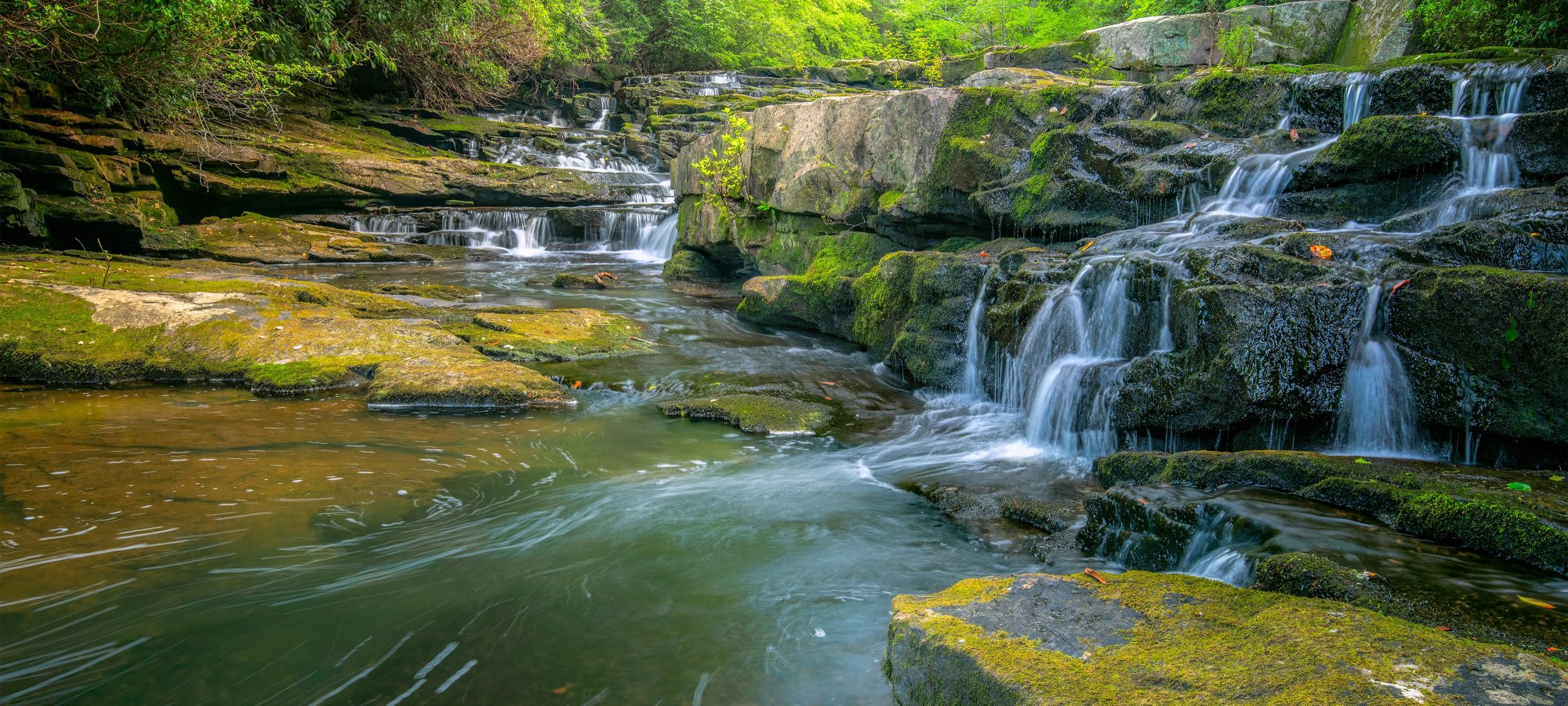
Venture into Savage Gulf State Park, a place where the raw beauty of the Cumberland Plateau unfolds in dramatic fashion. Carved by ancient forces, this wilderness haven invites you to explore its sandstone cliffs, cascading waterfalls, and lush, hidden canyons. But the story of Savage Gulf is more than just scenery; it's a tale of resilience, history, and the enduring power of nature.
Discover Savage Gulf State Park
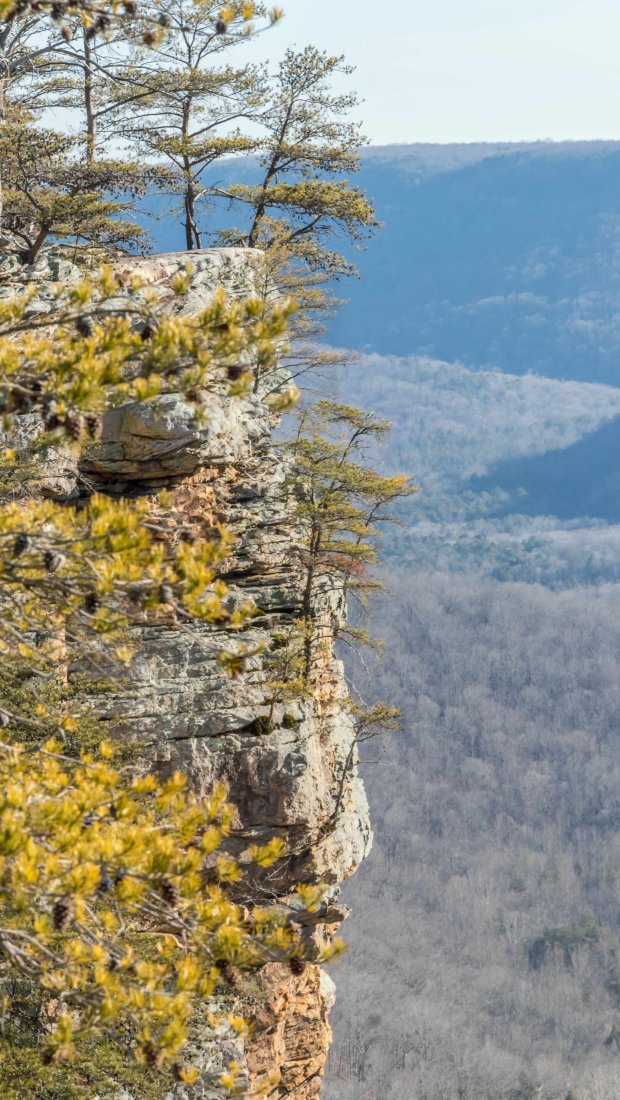
Imagine a giant crowfoot etched into the edge of the Cumberland Plateau, a landscape sculpted by millennia of wind and water. Here, sheer sandstone cliffs plunge into rugged canyons, offering breathtaking vistas at every turn. The park's most iconic feature, Stone Door, is a dramatic crack in the escarpment that hints at the geological forces that shaped this land. Savage Gulf State Park is a place where you can lose yourself in the solitude of the backcountry, challenge yourself on miles of hiking trails, and discover the hidden beauty of Tennessee's wilderness. Come explore the wild heart of the Cumberland Plateau and create your own story within Savage Gulf State Park.
History
The history of Savage Gulf State Park is deeply intertwined with the story of the Cumberland Plateau itself.
Before its designation as a state park, the land served as a home to multiple families, with evidence of old homesites scattered throughout, and was utilized for both farming and logging.
The park derives its name from Samuel Savage, recognized as one of the earliest white settlers to establish a presence in the area. In 1978, the land was managed by South Cumberland State Park. An archaeological survey in 1983 identified 18 rock shelters with cultural material, some containing woodland pottery and archaic stemmed points.
The historic Chattanooga-McMinnville Stagecoach Road traverses the park, and the Decatur Savage Homesite Cabin, a Dinky Line railroad bed, and the Chickamauga Trace, a historic Native American trail, can all be found within its boundaries.
These historical elements tell stories of enslaved people, early settlers, the logging industry, and Native American land usage. Preservation efforts include mapping and research of the Stagecoach Road, acquiring land to protect it, and a grant to restore a washed-out section.
The Decatur Savage Homesite has received some restoration work. In 2022, Savage Gulf was officially established as a state park, solidifying its role as a protected natural area for generations to come.
From the Rangers
-
The Perfect Day
Start your day at the Stone Door Ranger Station and Gift Shop. Hike to the Stone Door Overlook and Greeter Falls. Enjoy a picnic lunch amidst the stunning scenery and, if you're feeling adventurous, take a dip in the plunge pool at Greeter Falls (use caution!). As the sun begins to set, find a quiet spot along the rim to witness a breathtaking Tennessee sunset.
-
Insider Information
While Stone Door and Greeter Falls are must-sees, Savage Gulf holds many lesser-known treasures. The North Rim Trail, with its 11 overlooks, and the South Rim Trail, with seven, offer panoramic views and a sense of solitude. For a glimpse into the past, explore the historic Stagecoach Road Trail or discover Ranger Falls on the Big Creek Gulf Trail. Sunrises are excellent from the Stone Door Overlook. Please note: With ongoing ADA upgrades to the Laurel Gulf Overlook Platform, the colorblind viewer is temporarily unavailable.
-
Know Before You Go
Cell service is limited or non-existent in most of the park, especially below the rim of the plateau and in backcountry areas. Visitors with trailers or large RVs should enter the east side of the park via Highway 8 and SR 399 in Sequatchie County or the west side of the park via Exit 134 on I-24 in Marion County. Visitors should only park in designated parking spaces and arrive early during peak seasons as the lots fill up quickly. Wi-Fi is available at the Savage Gulf Ranger Station at the east entrance, mostly for visitors to make their own camping reservations and download maps. This ranger station is normally closed, and there is no cell coverage.


Land and Water
-
Trails
Savage Gulf boasts 56 miles of hiking trails, ranging from easy strolls to challenging backcountry treks. Whether you're seeking a leisurely walk to an overlook or a multi-day backpacking adventure, you'll find a trail to suit your skill level. Be sure to check trail conditions and pack accordingly, as terrain can be rugged and uneven.
-
Mountains and Vistas
As part of the Cumberland Plateau, Savage Gulf offers stunning mountain views from numerous overlooks along its rim trails. The most popular spots include the Laurel Gulf Overlook and the Stone Door Overlook, where you can gaze out over the vast expanse of the Tennessee wilderness.
-
Water Features
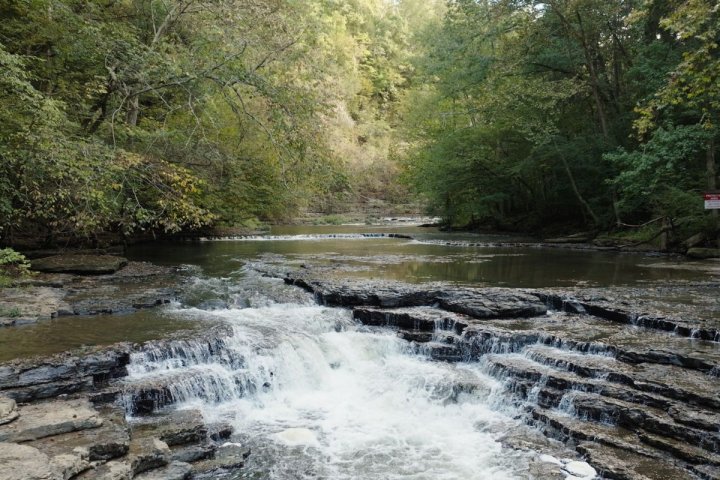
Waterfalls are a defining feature of Savage Gulf, with several breathtaking cascades to discover. Greeter Falls, with its upper and lower sections, is a popular destination, while Savage Falls and Boardtree Falls offer equally impressive displays of nature's power. The park also has several creeks and rivers.


Plants
The forests of Savage Gulf State Park are home to a diverse array of flora, including hemlock, hickory, maple, oak, pine, and poplar trees.
Wildflowers abound in the spring, with the Collins Gulf Trail offering a spectacular display. Be sure to stop by the Visitor Center or join a Ranger-led program to learn more about the unique plant life of the park.
Plant Types
- Mosses
- Dutchman’s Breeches
- Pink Lady Slippers
- Woodland Phlox
- Toothwort
- Trillium
- Trout Lillies
- Violets
- Fern
- Bellwort
- Dwarf Ginseng
- Dwarf Larkspur
- Foamflower
- Hepatica
- Purple Phacelia
- Wild Geranium
Birds
Savage Gulf is home to many predator birds such as woodpeckers, hawks and vultures.

Bird Species
- Hawk
- Barred Owl
- Black Vulture
- Turkey Vulture
- Hairy Woodpecker
- Downy Woodpecker

Animals
Savage Gulf State Park is teeming with wildlife, from deer and squirrels to black bears and bobcats.
Birdwatchers will delight in the variety of species, including turkeys, hawks, and owls. Remember to keep a safe distance from all animals and never feed them. Consult with a Park Ranger to discover the best spots for wildlife viewing and learn about the park's conservation efforts.
Animal Species
- Butterflies
- Salamanders
- Pygmy Rattlesnake
- Timber Rattlesnake
- Copperhead
- Turtles
- Bats (various species, e.g., Big Brown Bat)
- Wild Turkey
- Eastern Chipmunk
- Squirrels
- Rabbits
- Skunks
- Coyote
- Opossums
- Raccoon
- Foxes
- Bobcat
- Black Bear
- Deer
- Beetles
- Bees
- Wasp
- Spiders
- Butterflies
- Moths
- Toads
- Frogs
Inspiration
-

Wonderful Winter Hikes in Tennessee
Wonderful Winter Hikes in Tennessee - Read ArticleWinter is one of the best times to hike at Tennessee State Parks, with quiet trails, fewer bugs, clear views, and dramatic landscapes of icicles and fresh snow. -
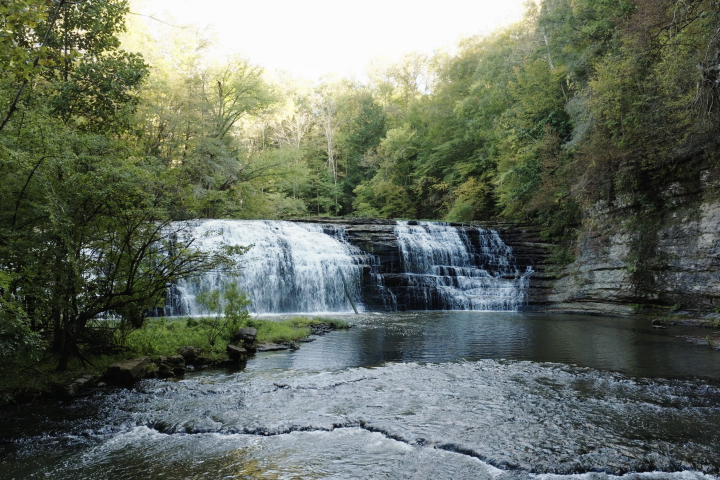
Waterfalls in Middle Tennessee: What to See and Where to Stay
Waterfalls in Middle Tennessee: What to See and Where to Stay - Read ArticleTennessee’s most scenic waterfalls are found in state parks. Use this guide to plan your visit and discover where to stay near eight popular falls. -
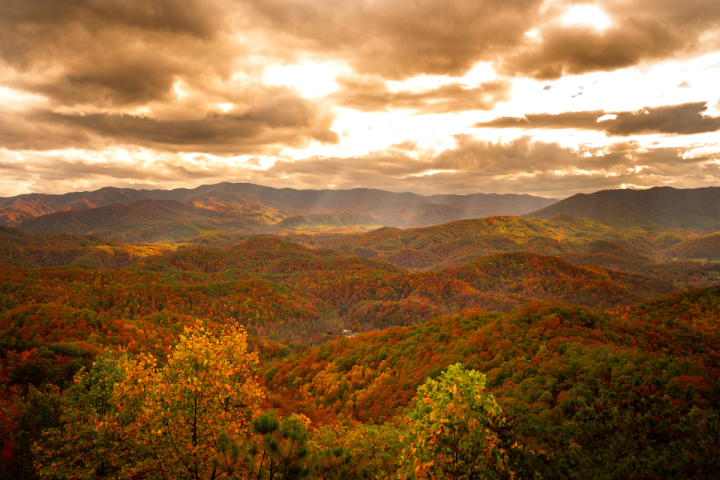
Unique Ways to Experience Fall Foliage in Tennessee
Unique Ways to Experience Fall Foliage in Tennessee - Read ArticleAs leaves change color and crisp air settles in, it's the perfect time to explore Tennessee's natural beauty. With over 60 state parks, you'll find countless opportunities to witness autumn's vibrant hues. Here are some unique suggestions for viewing fall foliage—including what to do and where to visit. -
Two Day Getaways Outdoors in Tennessee
Two Day Getaways Outdoors in Tennessee - Read ArticleA quick getaway can be just what we need to get back into the rhythms of everyday life. To help you take that much-needed vacation, we’ve put together six ideas for two-day getaways at Tennessee State Parks across the state.


