Big Cypress Tree Highlights
A Unique Landscape That's Rich with Life
Nestled in the heart of West Tennessee, Big Cypress Tree State Park stands as a testament to the region's rich natural heritage. This 330-acre sanctuary, established in 1973, was once home to the largest known bald cypress tree in the United States. Today, visitors can explore the park's diverse bottomland ecosystem, abundant wildlife, and scenic trails that showcase the beauty of Tennessee's hardwood forests. Discover the hidden gems and natural wonders that make this park a unique destination.
Discover Big Cypress Tree State Park
Big Cypress Tree State Park derives its name from the legendary “Tennessee Titan."
This massive bald cypress tree once stood as the largest of its kind in the United States — and the largest tree of any species east of the Mississippi River. A 1976 lightning storm brought the Titan down after more than 1,350 years.
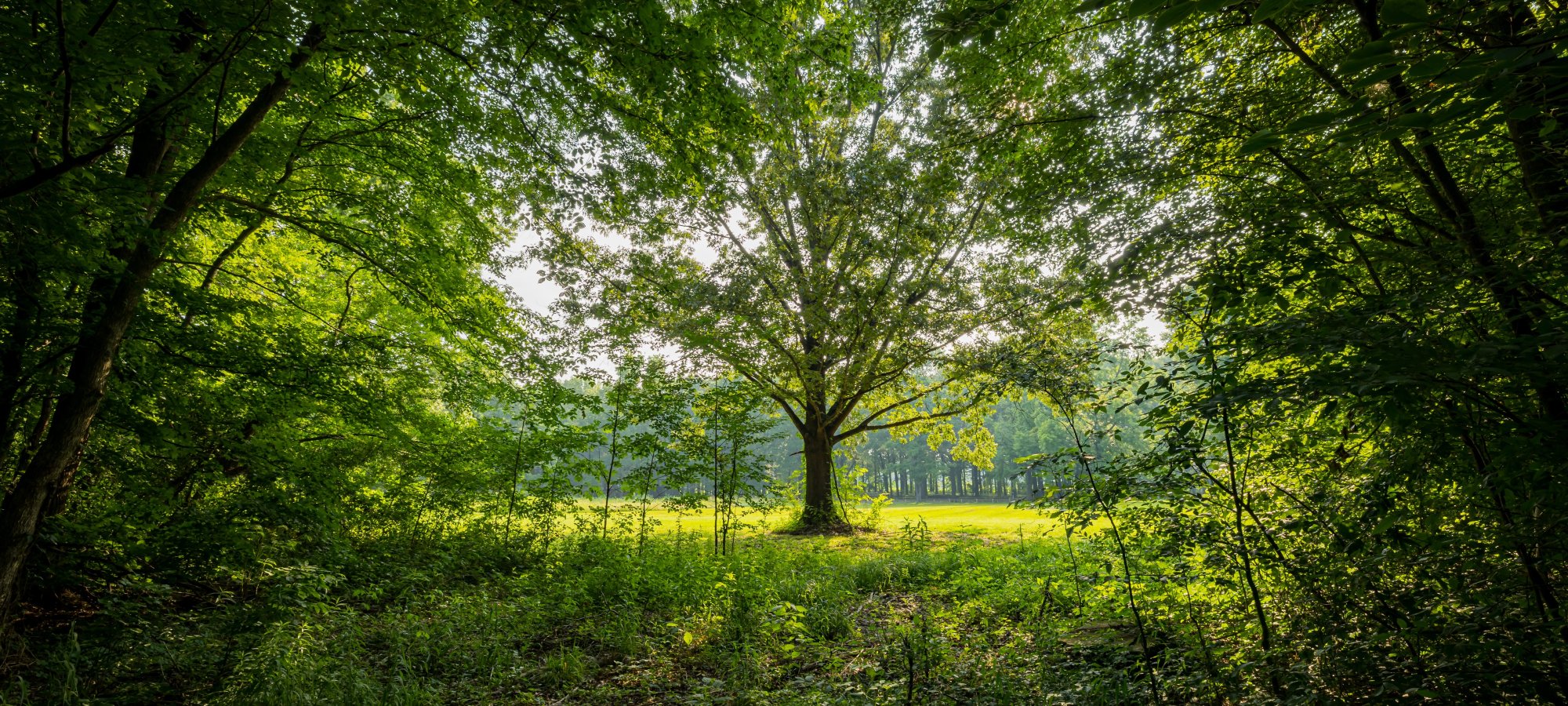
The park preserves a vital bottomland ecosystem along the Middle Fork of the Obion River, providing crucial habitat for diverse wildlife and plant species. Despite the channelization of nearby rivers, this area remains one of the few places where visitors can experience the authentic landscape and ecosystem that once dominated West Tennessee's lowlands.
History
Established in 1973, Big Cypress Tree State Park has a rich history tied to both natural and human elements.
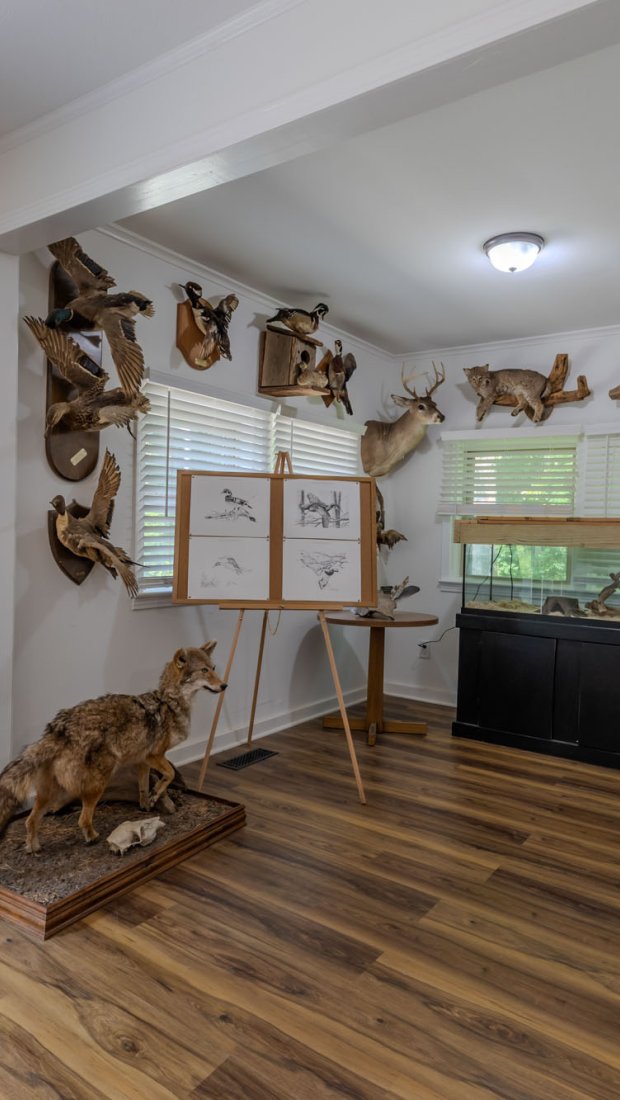
Before becoming a state park, the land was used for agriculture, including row crops and livestock. A significant logging industry operated in the area, with a sawmill processing the bald cypress timber. The park contains remnants of an early 20th-century settlement, including a historic home built in the 1910s, where the Tillman family raised four daughters during the Great Depression. The area also has connections to David Crockett, who frequently hunted in the Obion River bottomlands before his departure from Tennessee.
From the Rangers
-
The Perfect Day
Start your day with a morning walk along the Boardwalk Trail, when wildlife activity is at its peak and crowds are minimal. This signature trail offers the best opportunity to observe the park's diverse bottomland ecosystem and abundant birdlife. In spring, take advantage of special Ranger-led night hikes to witness the magical firefly displays. Spend the afternoon in the well-shaded picnic area near the playground, perfect for family gatherings. For nature enthusiasts, the park's native flower gardens and wildlife viewing opportunities provide excellent photography opportunities throughout the day.
-
Insider Information
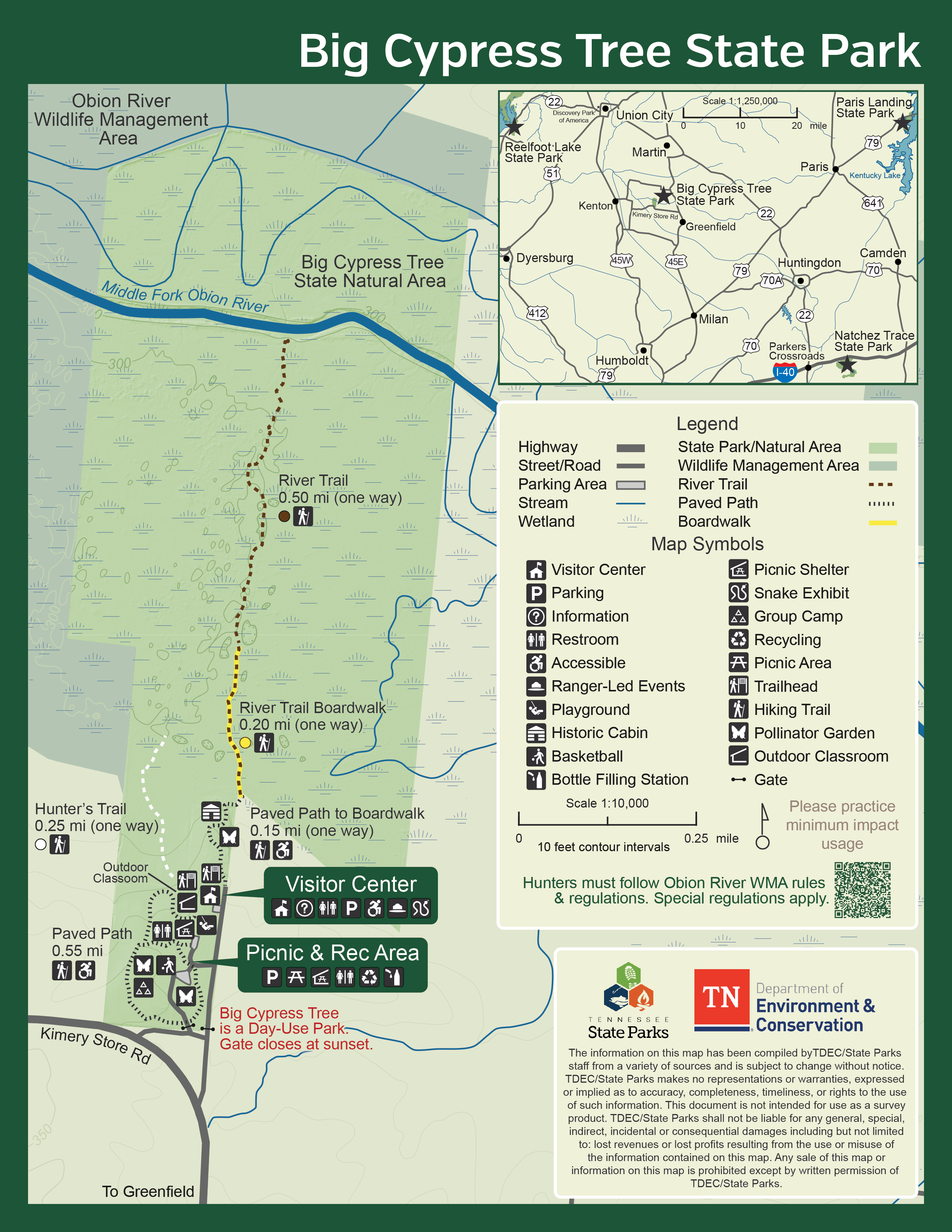
The best time to visit is during weekday mornings when the park is quietest. During winter months, the Boardwalk Trail becomes an excellent spot for watching migratory waterfowl. The park's native wildflower gardens, located just off the Paved Trail, showcase a variety of blooms from spring through early fall, with cardinal flowers creating stunning displays in late summer.
-
Know Before You Go
Cell service is limited inside the park office, but generally available throughout most areas. The River Trail may be closed during flooding events, though this typically doesn't affect access to the popular Boardwalk Trail. There is limited space for maneuvering RVs or trailers, though the day-use area with EV chargers provides adequate turning space. Emergency contact information is posted in the kiosk at the picnic area, and Park Rangers are Emergency Medical Responder (EMR) certified.


Trails
The most popular area in the park is the Boardwalk Trail. This trail allows visitors to explore the heart of the bottomland forest, offering glimpses of the diverse plant and animal life thriving in this unique environment. When not flooded, the River Trail, which continues beyond the boardwalk, offers additional exploration opportunities.
Water Features
The park's defining feature is its extensive wetland environment, consisting of flooded hardwood bottomlands fed by the middle fork of the Obion River. These areas flood seasonally, creating a haven for reptiles, amphibians, and a variety of other wildlife.

Plants
Big Cypress Tree State Park boasts a vibrant array of flora.
Wildflowers bloom throughout the spring and early fall. Ask a Park Ranger about the unique plants that can be found.

Plant Types
- Cardinal Flower
- Day Lilies
- Iris
- Tiger Lilies
- Trumpet Vine
- Daffodil (Cultivated)

Animals
The park is a haven for wildlife.
While visiting, ask a Park Ranger about the variety of wildlife that can be viewed on a trail.
Animal Species
- Amphibians
- Beavers
- Deer
- Reptiles
- Squirrels
- Wild Turkey
- Songbirds
- Waterfowl
Inspiration
-
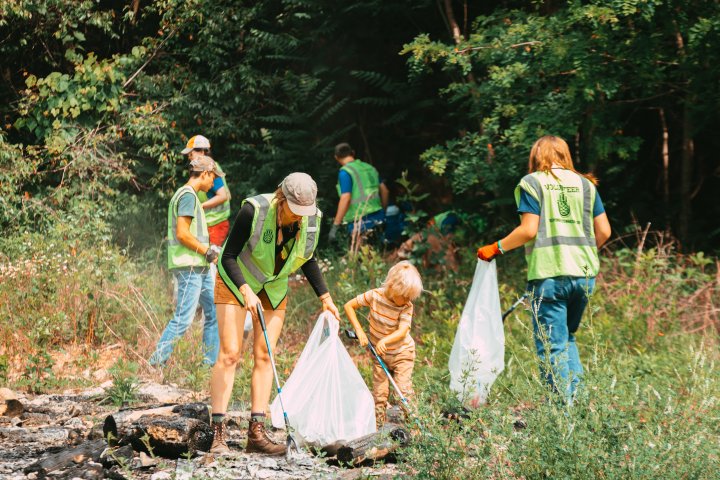
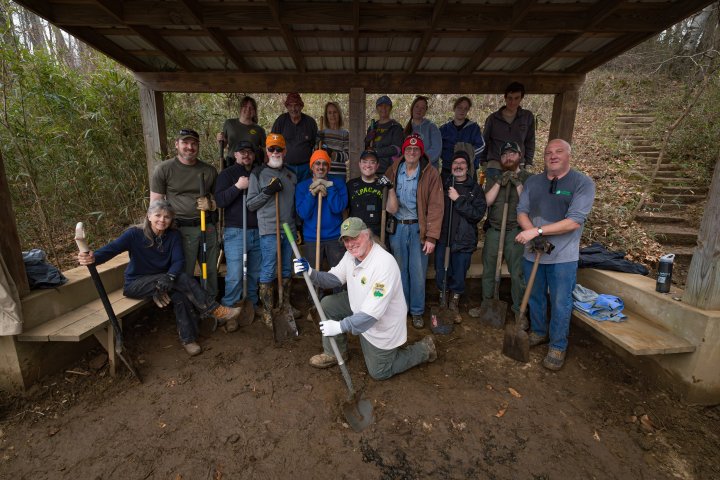
Tennessee State Parks Hosts Tennessee Serves, National Public Lands Day Work Events
Tennessee State Parks Hosts Tennessee Serves, National Public Lands Day Work Events - Read ArticleSeptember 6, 2024 | NASHVILLE – Tennessee State Parks will join First Lady Maria Lee’s Tennessee Serves initiative Sept. 19-29 with volunteer work events at parks across the state. The volunteer opportunities coincide with National Public Lands Day on Saturday, Sept. 28. -
Donations Are Improving Tennessee State Parks
Donations Are Improving Tennessee State Parks - Read ArticleApril 25, 2024 | The My TN State Park Fundraiser is an annual event that allows people to donate to vote for their favorite Tennessee state park. Since the fundraiser’s inception in 2021, donations have funded significant improvements in park facilities and visitor experiences, including improved trails, new educational programs, and support for wildlife ambassadors. Below, you can find out how your favorite park has been putting donations to work. -
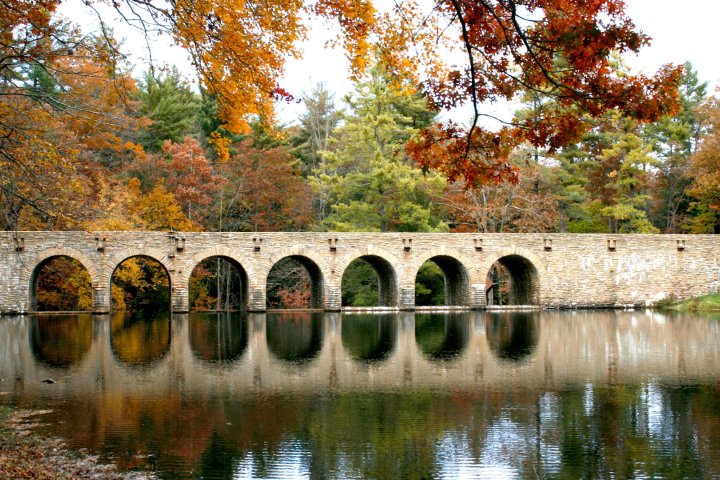
Final Results of the My TN State Park 2020 Fundraiser
Final Results of the My TN State Park 2020 Fundraiser - Read ArticleFebruary 1, 2021 | Cumberland Mountain State Park is the winner of the My TN State Park fundraising campaign. The park received over $14,000 in January as supporters cast their votes for the state park that “kept them going” in 2020. -

My TN State Park 2022: Final Day to Vote
My TN State Park 2022: Final Day to Vote - Read ArticleJanuary 31, 2022 | Today is the final day to vote for your favorite park. With the competition ending tonight at 11:59 pm CST, it's time to find out how your park is doing: