Booker T. Washington Highlights

A Park Born From Progress
Step into a place where history and natural beauty intertwine. Booker T. Washington State Park, named in honor of the esteemed educator and leader, offers a tranquil escape with a powerful story to tell. Discover the park's origins and the legacy it upholds and find yourself immersed in the scenic wonders of Chickamauga Lake. But that's just a taste of what awaits. Uncover the full story of this remarkable park.
Discover Booker T. Washington State Park
Booker T. Washington State Park stands as a testament to progress and opportunity. Established in 1950, the park was one of the first in Tennessee to offer recreational facilities for African Americans. Today, it welcomes all visitors to experience its serene setting and learn about the park's namesake, Booker T. Washington, and the contributions of the Civilian Conservation Corps (CCC). Whether you're seeking a peaceful retreat by the lake, a chance to connect with history, or simply a day of outdoor fun, Booker T. Washington State Park offers a unique and enriching experience. Come and explore the trails, breathe in the fresh air, and discover the story that makes this park so special.

History
The story of Booker T. Washington State Park is deeply intertwined with the history of African Americans in Tennessee.
In the mid-20th century, recreational opportunities for African Americans were limited due to segregation. Recognizing this disparity, the state of Tennessee established parks specifically for African Americans, with Booker T. Washington State Park being one of the first.
Established in 1950, the park was built on land that was once part of the Chickamauga Dam project. The park's construction provided employment opportunities for local African American communities, and the park itself became a haven for recreation and community gatherings. The park was named in honor of Booker T. Washington, a prominent African American educator, author, orator, and former president of the Tuskegee Institute who advocated for self-reliance and vocational training.
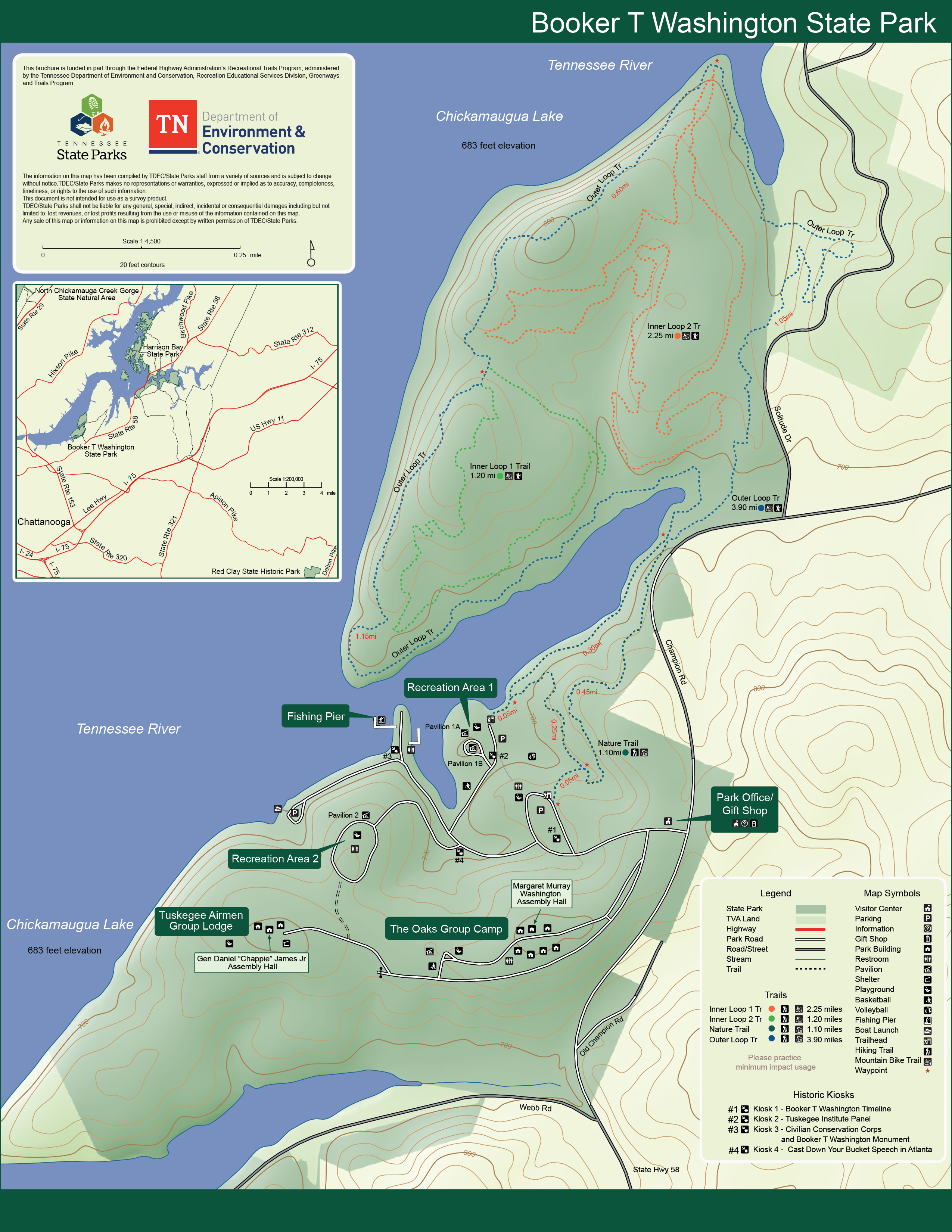
The CCC, a New Deal program that provided employment for young men during the Great Depression, played a significant role in the park's development. The CCC constructed many of the park's original structures, including picnic shelters and trails. Several CCC structures are located throughout the park, including the pool parking lot, turn-in going toward Shelter 2, Picnic Area 1, and across from the bathrooms at the fishing pier. These structures stand as a reminder of the CCC's contributions to the park and the nation.
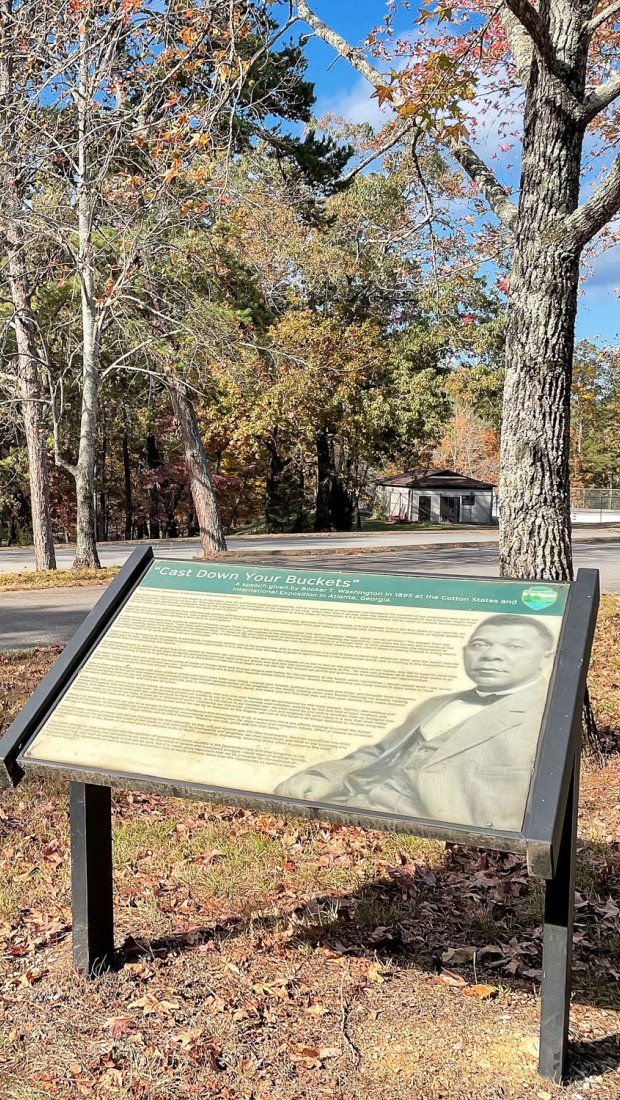
Today, Booker T. Washington State Park continues to serve as a valuable resource for the community. The park offers a variety of recreational activities, including fishing, hiking, and picnicking. The park also features a group camp and group lodge that are open year-round. Visitors can learn about the park's history and the legacy of Booker T. Washington through interpretive panels and exhibits.
From the Rangers
-
The Perfect Day
Start your day with a peaceful morning stroll along the walking/biking trails, taking in the beautiful scenery and fresh air. Cast a line from the fishing pier and try your luck at catching some fish in Chickamauga Lake. As the sun begins to set, find a spot along the lakeshore to witness the breathtaking skyline and the lake glimmering in the evening light.
-
Insider Information
For a truly unforgettable experience, plan your visit around sunset. The lake glitters as the sun dips below the horizon, creating a magical and serene atmosphere. The skyline views are unmatched, offering a perfect backdrop for reflection and relaxation. For a less crowded experience, plan your visit for the morning.
-
Know Before You Go
Booker T. Washington State Park is a day-use park and closes at sunset. There is no RV or tent camping at this park at all. Wi-Fi is available in the overnight facilities. Swimming from the lakeshore is prohibited.


Trails
Explore the park's network of walking and biking trails, perfect for a leisurely stroll or an invigorating workout. The trails wind through wooded areas and along the lakeshore, offering scenic views and opportunities to connect with nature.
Water Features
Chickamauga Lake is the centerpiece of the park, providing a tranquil setting for fishing and boating. The lake's expansive waters offer stunning views and a sense of serenity.

Plants
Discover the diverse flora of Booker T. Washington State Park, from towering trees to delicate wildflowers.
Talk to a Park Ranger to learn more about the unique plant life that thrives in this area.

Plant Types
- Grasses
- Fern
- Bloodroot
- Mayapple
- Spring Beauty
- Trillium
- Violets
- Wild Geranium
- Dogwood (Flowering Dogwood)
- Redbud (Eastern Redbud)
- Hickory
- Oak (Quercus spp.)
- Pines
- Maple
Birds
Bald eagles, osprey, and many species of waterfowl are frequently seen at Booker T. Washington State Park.
The fishing pier is popular with great blue herons, and one is often seen on the peak of the roof. The hilly area where the mountain bike trails are located is excellent for spring and fall migratory birds. One hundred twenty-nine species have been observed.
The seasonal loons are also major draw for winter guests, showcasing the park’s unique wildlife viewing opportunities during the colder months.

Bird Species
- American Bittern
- Bald Eagle
- Black Tern
- Black-throated Green Warbler
- Blackpoll Warbler
- Brown Creeper
- Brown-headed Nuthatch
- Canada Goose
- Caspian Tern
- Common Loon
- Common Yellowthroat
- Ducks
- Eastern Kingbird
- Eastern Phoebe
- Flycatchers
- Great Blue Heron
- Great Egret
- Gull
- Horned Grebe
- Killdeer
- Mergansers
- Northern Flicker
- Orchard Oriole
- Osprey
- Pine Siskin
- Pine Warbler
- Plovers
- Purple Finch
- Red-breasted Nuthatch
- Red-headed Woodpecker
- Red-shouldered Hawk
- Red-tailed Hawk
- Rusty Blackbird
- Sandpipers
- Scaups
- Shorebirds
- Song Sparrow
- Field Sparrow
- Tennessee Warbler
- Common Tern
- Thrushes
- Vireos
- Warblers
- Water Birds
- Waterfowl
- Wild Turkey
- Winter Wren
- Yellowlegs
Animals
Keep an eye out for the park's resident wildlife.
The lakeshore is a popular area for bird watching, especially in the winter and early spring. Talk to a Park Ranger to learn more about the unique animal life that thrives in this area.

Animal Species
- Fish
- Turtles
- Waterfowl
- Squirrels
- Raccoon
- Deer
- Beavers
Inspiration
-

African American History at Booker T. Washington State Park
African American History at Booker T. Washington State Park - Read ArticleAs we celebrate African American history throughout the month of February, we also recognize the ties to our cultural heritage. Shared and equitable access to our parks is directly tied to our mission to preserve our natural landscape and the history behind it. T. O. Fuller State Park and Booker T. Washington State Park** are two parks in Tennessee that were established for the state’s African American population in an age when segregation barred equal access to the landscape. In this blog, we're reviewing the history of Booker T. Washington State Park. -

A Year in Birds at TN State Parks
A Year in Birds at TN State Parks - Read ArticleIn Tennessee, at least 423 species have been recorded since 1900, and most of them have been viewed in one of our state parks at one time or another. -
Spring Wildflower Scavenger Hunt
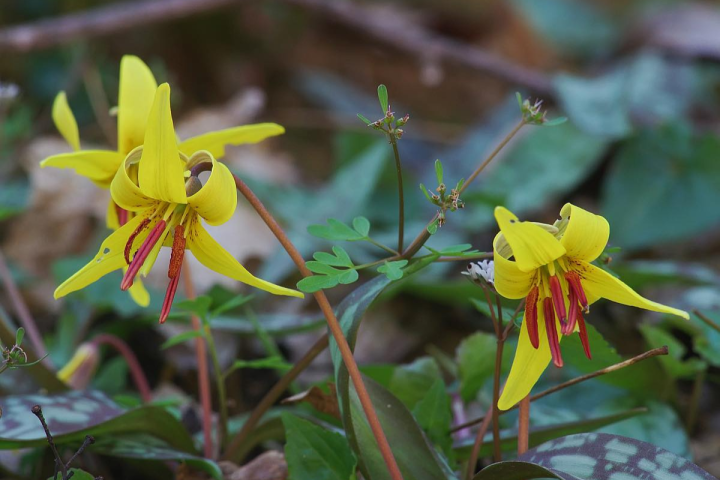
Spring Wildflower Scavenger Hunt - Read ArticleSpring blooms brighten our hiking trails and support pollinators and wildlife. Explore 14 wildflowers and the Tennessee state parks where you can find them. -
“A Wonderful Bird is the Pelican…”
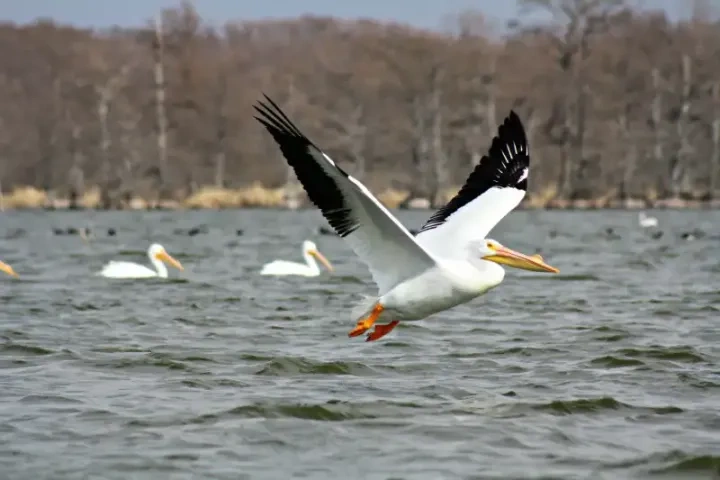
“A Wonderful Bird is the Pelican…” - Read ArticleWe often associate pelicans with sea spray, waves and warm beaches, yet one of America’s largest and most majestic birds breeds in the American Heartland and can be seen during its winter migration on inland freshwater and coastal bays and estuaries throughout our continent.