Cove Lake Highlights

A Mountain Lake Paradise
Nestled in the scenic Cumberland Mountains, Cove Lake State Park is a 637-acre natural haven offering visitors a perfect blend of outdoor recreation and serene landscapes. The park's centerpiece is the tranquil 200-acre Cove Lake, created as part of a Tennessee Valley Authority (TVA) recreational demonstration area in 1937. From its historic Civilian Conservation Corps (CCC) buildings to its abundant wildlife viewing opportunities, this park provides year-round adventures for nature enthusiasts, families, and outdoor recreationists alike.
Explore the Park
Discover Cove Lake State Park
Cove Lake State Park offers a tranquil escape where history and natural beauty intertwine. More than just a scenic destination, Cove Lake is a testament to human ingenuity and the enduring appeal of the Tennessee landscape. Born from the vision of the TVA in the 1930s, this park was initially conceived as a recreational demonstration area, designed to bring leisure and economic opportunity to the region.
Today, Cove Lake State Park beckons visitors with its shimmering 200-acre lake, inviting trails, and a rich tapestry of stories waiting to be discovered. Whether you seek a peaceful day of fishing, a refreshing kayak adventure, or a journey back in time, Cove Lake promises an unforgettable experience. Come and discover the magic where the mountains meet the water, and where every visit creates a lasting memory.

History
The story of Cove Lake State Park begins in 1937, when the TVA recognized the recreational potential of the area and established it as a recreational demonstration area.
The TVA's work was part of a broader effort to revitalize the region during the Great Depression, bringing both economic opportunities and improved quality of life. In 1940, Cove Lake officially became a Tennessee State Park, solidifying its role as a haven for outdoor enthusiasts.
The CCC played a pivotal role in shaping the park's early infrastructure. The CCC, a New Deal program, provided employment for young men while undertaking conservation and development projects across the nation. At Cove Lake, the CCC constructed several iconic structures that still stand today, including the park restaurant and the visitor center. These buildings serve as tangible reminders of the CCC's legacy and their contribution to the park's enduring appeal.
Before becoming a state park, the land was primarily used for farming and agriculture. This history is subtly woven into the landscape, reminding visitors of the area's deep connection to the land and its people. The park's name is derived from Cove Creek, the primary water source for the lake, reflecting the central role of water in shaping the park's identity.
Today, Cove Lake State Park continues to evolve, with ongoing renovations and improvements ensuring its relevance for future generations. The park's history is not just a story of the past, but an ongoing narrative of stewardship, recreation, and community.
From the Rangers
-
The Perfect Day
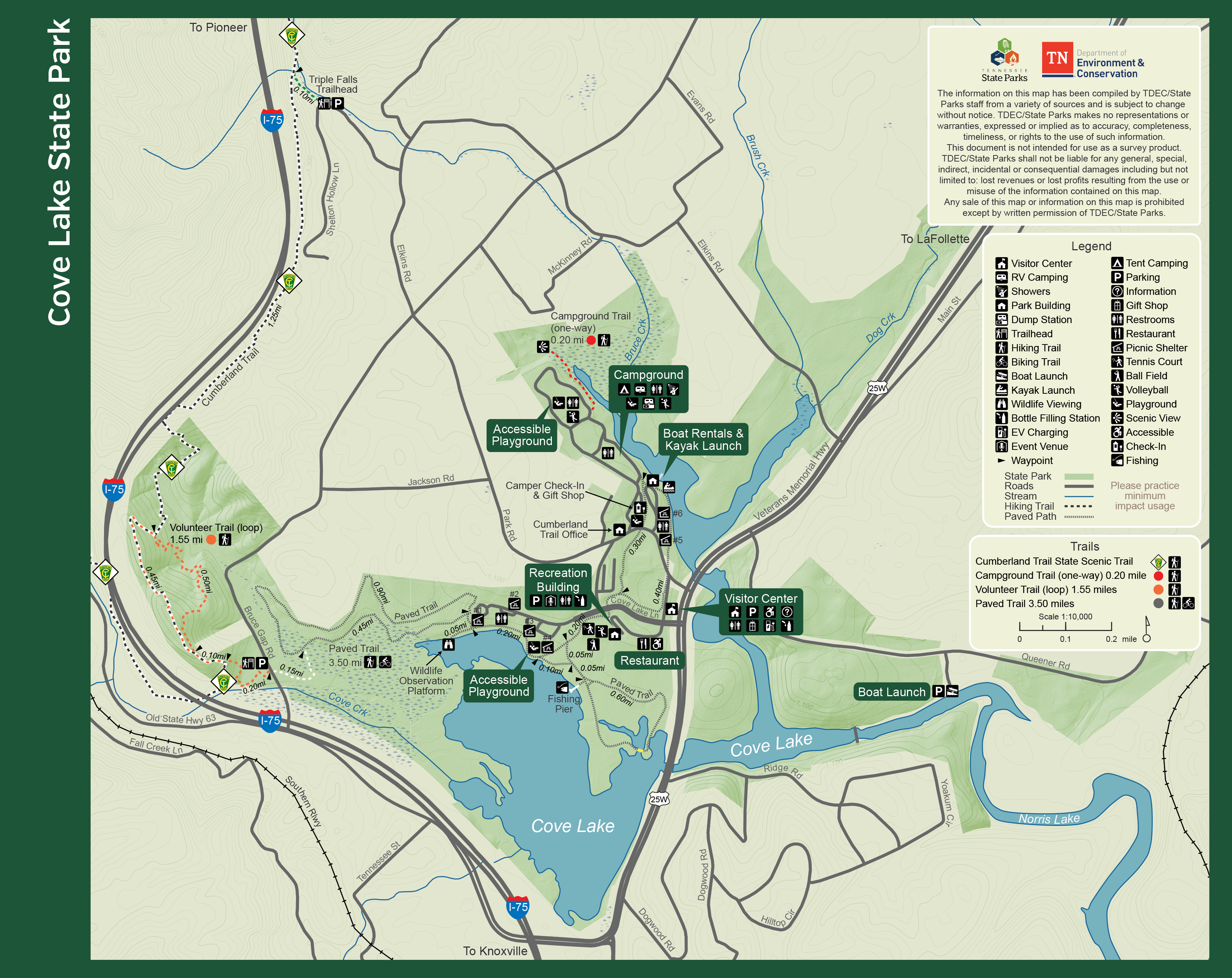
A perfect day at Cove Lake State Park begins with a morning walk along the four-mile paved trail, taking in the mountain views and spotting local wildlife. Head to the fishing pier for spectacular views of the Cumberland Mountains and try your luck fishing in the lake. In the afternoon, rent a kayak or canoe to explore the tranquil waters of Cove Lake, followed by a relaxing picnic in one of the park's six pavilions.
-
Insider Information
The park's wildlife observation platform is a hidden gem for nature enthusiasts, offering prime opportunities to spot waterfowl and other wildlife. For the best birdwatching experience, visit the lake bank in the picnic area. Tuesdays and Wednesdays tend to be the least crowded days to visit, providing a more peaceful experience. Winter months offer unique wildlife viewing opportunities, particularly for spotting eagles and American coots.
-
Know Before You Go
Visitors should note that swimming is not permitted in Cove Lake or its tributary creeks. Personal kayaks, canoes, or stand-up paddleboards can only be launched from designated areas for a daily fee. The park has reliable cell service throughout its grounds, and emergency services are readily available, with Campbell County EMS/Rescue located just one mile from the park. Campers should bring their own trash bags, as the park maintains centralized trash bins in the picnic area and campground.


Trails
The park features a four-mile paved trail system perfect for walking, jogging, and wildlife observation. The Woods Loop Trail is particularly notable for viewing spring wildflowers like mayapples and trillium.
-
Mountains and Vistas
Located in the Cumberland Mountain Range, the park offers stunning mountain views, particularly from the fishing pier which provides an excellent vantage point of the surrounding peaks.
-
Water Features
Cove Lake is the park's primary water feature, with an average depth of eight feet. Several creeks, including Cove Creek, Dog Creek, Bruce Creek, and Falls Creek, feed into the lake, creating a diverse aquatic ecosystem.


Plants
Visitors can explore a diverse array of flora throughout the park.
Park Rangers can help identify the various tree species including oaks, tulip poplars, maples, pines, eastern red cedars, redbuds, white dogwoods, and sweetgums.

Plant Types
- Cardinal Flower
- Dwarf Crested Iris
- Mayapple
- Trillium
- Daisy
Birds
Cove Lake State Park is situated in a beautiful valley nestled within the Cumberland Mountains.
Scenic nature trails lead through wetlands and woodlands, offering wildlife viewing for the nature enthusiast. The lake is a magnet for migrating birds, with hundreds of geese and other waterfowl arriving each winter. There are piers, bridges, and a tower along the paved trail to aid in seeing the birds. The Volunteer Loop Trail, accessed from the Cumberland Trail trailhead, traverses a mature hardwood forest where many migratory birds can be seen in the spring and fall and many nesting birds can also be found.

Bird Species
- American Coot
- American Goldfinch
- Bald Eagle
- Barn Swallow
- Belted Kingfisher
- Belted Kingfisher
- Black-crowned Night Heron
- Blue-winged Teal
- Bufflehead
- Canada Goose
- Carolina Wren
- Cedar Waxwing
- Chipping Sparrow
- Double-crested Cormorant
- Downy Woodpecker
- Bay Ducks (Generic)
- Eastern Bluebird
- Eastern Kingbird
- Eastern Phoebe
- Eastern Towhee
- Gadwall
- Great Blue Heron
- Greater Yellowlegs
- Green Heron
- Herons
- Hooded Merganser
- Killdeer
- Lesser Yellowlegs
- Mallard
- Marsh Wren
- Merlin
- Northern Flicker
- Osprey
- Ovenbird
- Pied-billed Grebe
- Semipalmated Plover
- Purple Martin
- Red-bellied Woodpecker
- Red-shouldered Hawk
- Red-tailed Hawk
- Redhead
- Red-winged Blackbird
- Ring-billed Gull
- Ring-necked Duck
- Spotted Sandpiper
- Song Sparrow
- Swainson’s Thrush
- Tree Swallow
- Vireos
- Warblers
- White-throated Sparrow
- Flycatchers
- Wood Duck
- Woodpecker
- Yellow-rumped Warbler
Animals
The park is a haven for wildlife enthusiasts, particularly birdwatchers.
The wildlife observation platform and lake bank in the picnic area offer excellent viewing opportunities.

Animal Species
- Beavers
- Raccoon
- Deer
Inspiration
-
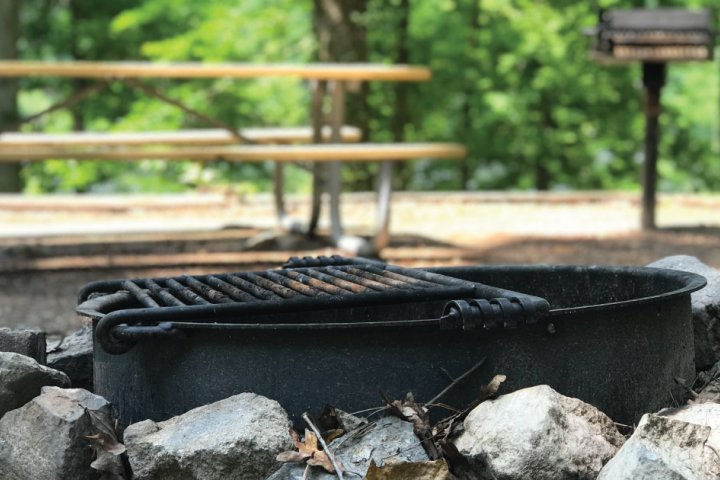
5 Camping Destinations Near Knoxville
5 Camping Destinations Near Knoxville - Read ArticleWith multiple Tennessee State Parks less than an hour away, Knoxville makes camping easy. Enjoy rafting, waterfall hikes, and five nearby spots for adventure. -
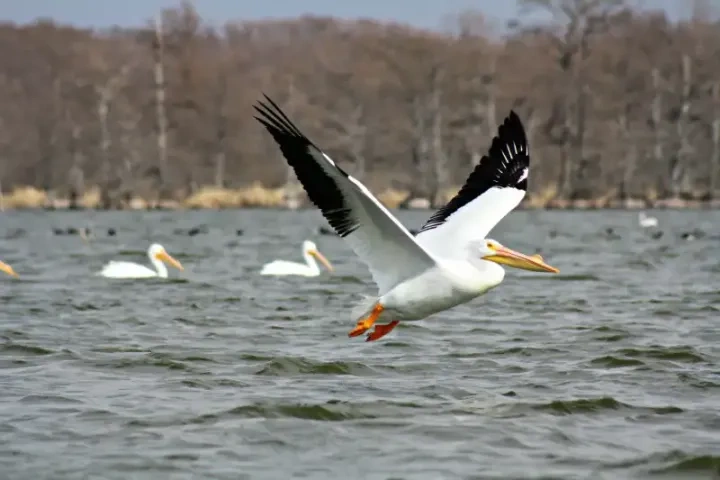
“A Wonderful Bird is the Pelican…”
“A Wonderful Bird is the Pelican…” - Read ArticleWe often associate pelicans with sea spray, waves and warm beaches, yet one of America’s largest and most majestic birds breeds in the American Heartland and can be seen during its winter migration on inland freshwater and coastal bays and estuaries throughout our continent. -
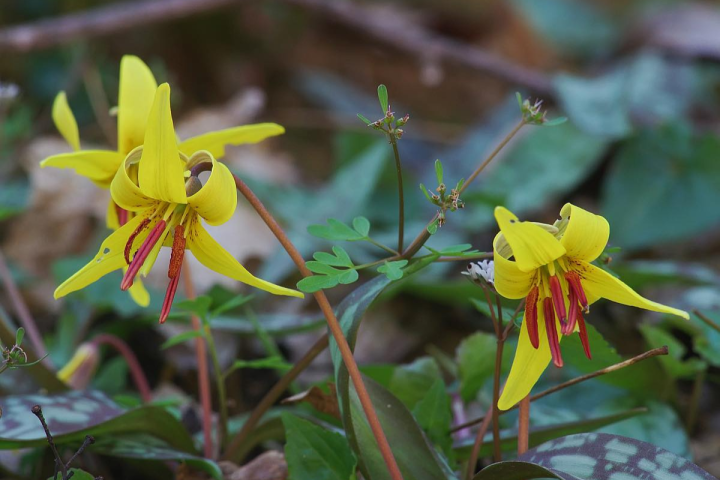
Spring Wildflower Scavenger Hunt
Spring Wildflower Scavenger Hunt - Read ArticleSpring blooms brighten our hiking trails and support pollinators and wildlife. Explore 14 wildflowers and the Tennessee state parks where you can find them. -
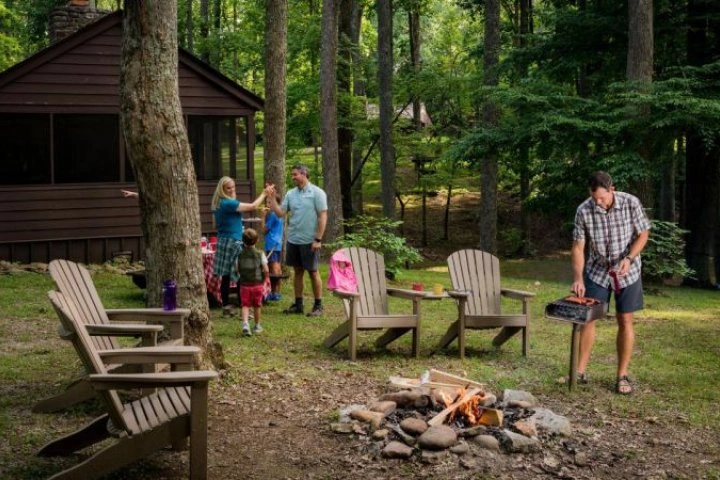
Ten Incredible State Parks for Family Vacation in Tennessee
Ten Incredible State Parks for Family Vacation in Tennessee - Read ArticlePlanning a family trip is exciting, and Tennessee State Parks make it easy with affordable cabins, lodges, and campsites. Explore ten great family vacation spots.