Dunbar Cave Highlights
A Portal Through Time
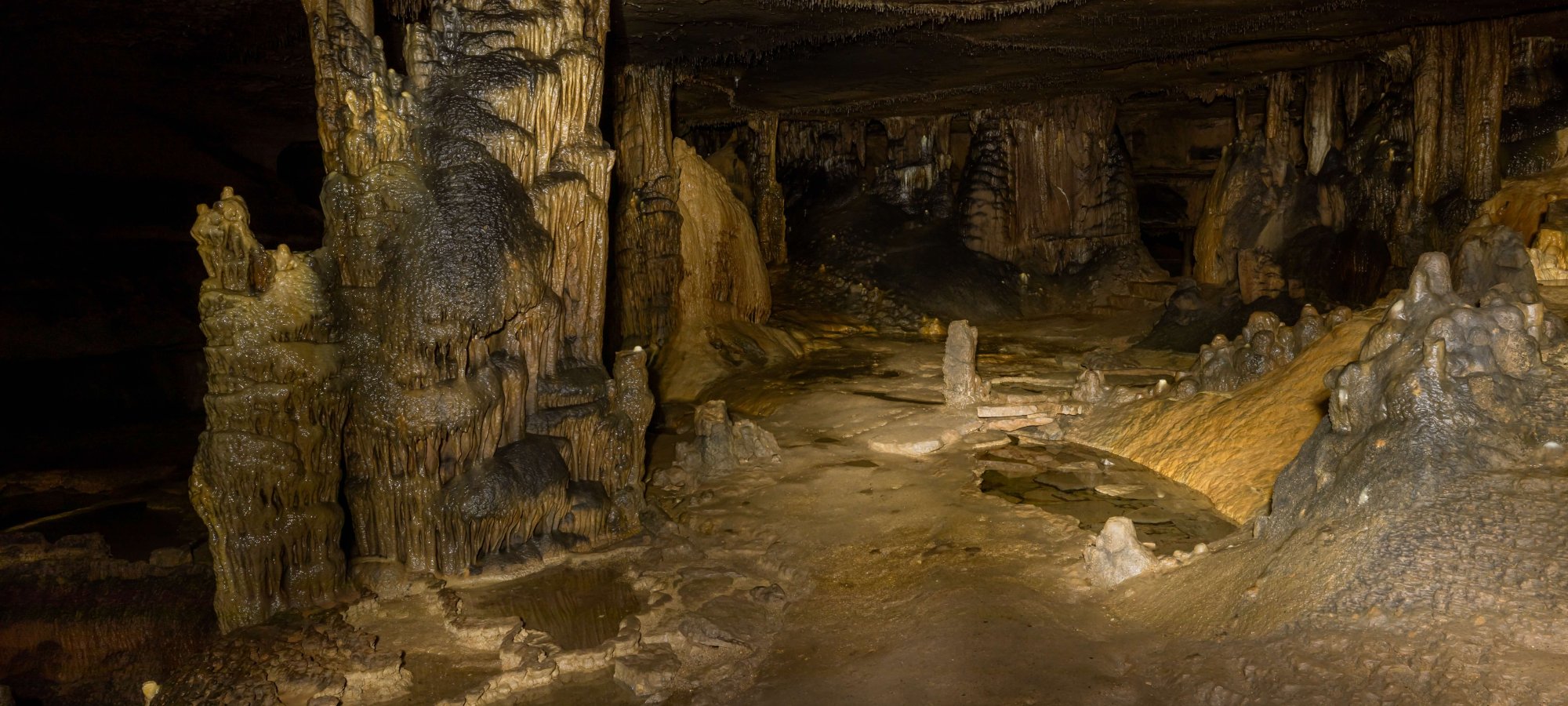
Dunbar Cave State Park serves as both a scenic getaway and a portal to understanding the complex relationship between humanity and nature. For thousands of years, Indigenous peoples have sought refuge and inspiration within the cave's cool, dark chambers, leaving behind a legacy of art and spirituality. At one time, the cave became a popular resort, a place of leisure and entertainment.
Today, the park stands as a testament to the importance of preserving our natural and cultural heritage, inviting visitors to connect with the past while enjoying the present. Come and experience the magic of Dunbar Cave, where every step is a journey through time.
Discover Dunbar Cave State Park
Step into a world where history, mystery, and natural beauty converge at Dunbar Cave State Park. This unique destination invites you to explore the depths of a cave revered for millennia, wander through serene landscapes, and uncover stories etched into the stones beneath your feet. Prepare to be captivated by a place where ancient art meets modern conservation, and where every visit promises a new discovery. Delve deeper into the wonders that await.
History
The story of Dunbar Cave State Park stretches back over 10,000 years, with evidence of human use dating to the end of the last ice age.
Indigenous peoples have continuously used the cave entrance since the end of the last ice age. Mississippian (approximately 13th to 14th century) people made drawings on the walls of the cave to express their relationships with the universe and sacred landscapes like caves. Cherokee visited the cave on several occasions and wrote the Cherokee Syllabary on the walls of the cave. One of these dates to 1855.
From 1785 to 1864, Dunbar Cave was located on a large plantation. Enslaved workers labored in Dunbar Cave and used the cave for utility purposes like storing grain and potatoes. In 1864, recently emancipated African Americans made a small settlement near the cave, called Affricanna Town by the former enslaver. Records show that some of the Affricanna Town residents explored Dunbar Cave during this time.
The cave also tells many local histories and stories of Clarksville and the surrounding area, including the various resorts on the grounds, Cold War-era civil defense, fairgrounds, country music, and the beginnings of the State Natural Area program.
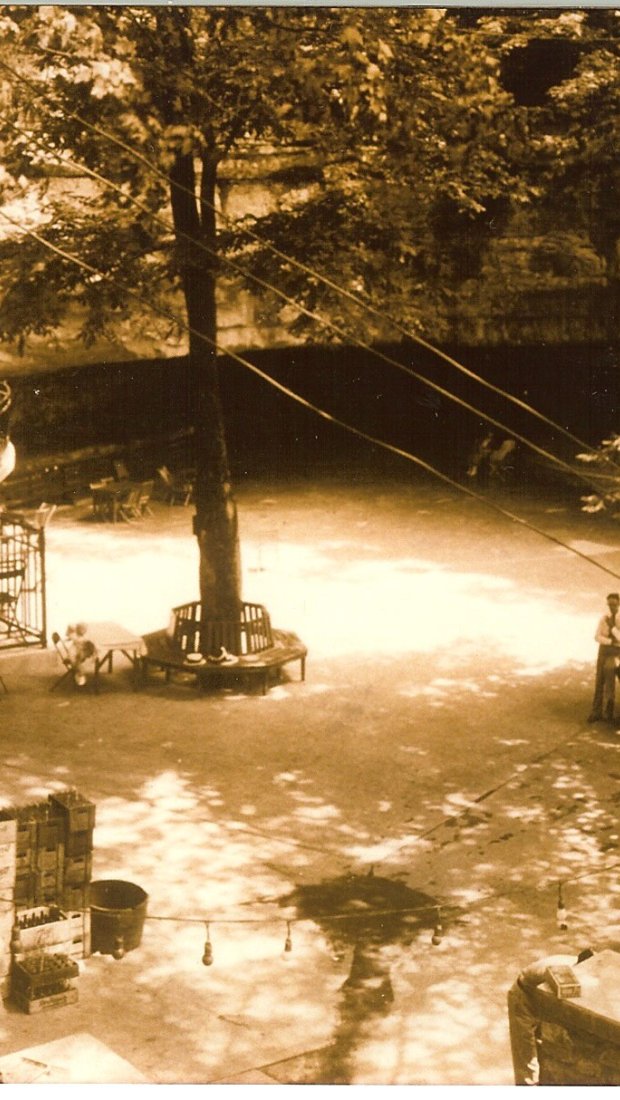
Dunbar Cave was a show cave for nearly 100 years. As a result, it was extremely abused and modified. In 1973, the area was established as a State Natural Area. As a State Natural Area, we strive to allow the cave to exist in its natural state as it slowly recovers from the impacts of the resort era.
Today, preservation efforts are ongoing. The park monitors various conditions inside the cave and the cave art to ensure preservation and to protect the cave from outside influences. We maintain a cave closure schedule according to the Tennessee Department of Environment and Conservation (TDEC) policy that allows bats to hibernate undisturbed and to give the cave a "rest" from frequent visitation.
From the Rangers
-
The Perfect Day
Begin your day with a guided tour of Dunbar Cave, immersing yourself in its history and marveling at the ancient Mississippian cave art. Afterwards, explore the Affricanna Town exhibits and historical marker to learn about the area's rich African American heritage. Conclude your visit with a leisurely walk along the trail system, taking in the beauty of the restored prairie and the serene Swan Lake.
-
Insider Information
For a truly unique experience, be sure to explore the Affricanna Town exhibits, panels, and historical marker. The cave and dance floor offer unique views throughout the year. Weekdays are best for avoiding crowds.
-
Know Before You Go
Cave tours are required to visit inside the cave and are only available during the tour season of May through September. Exact dates vary year by year. Reservations can be made online during the tour season or by calling the park office. Note that there is no RV or trailer access.


-
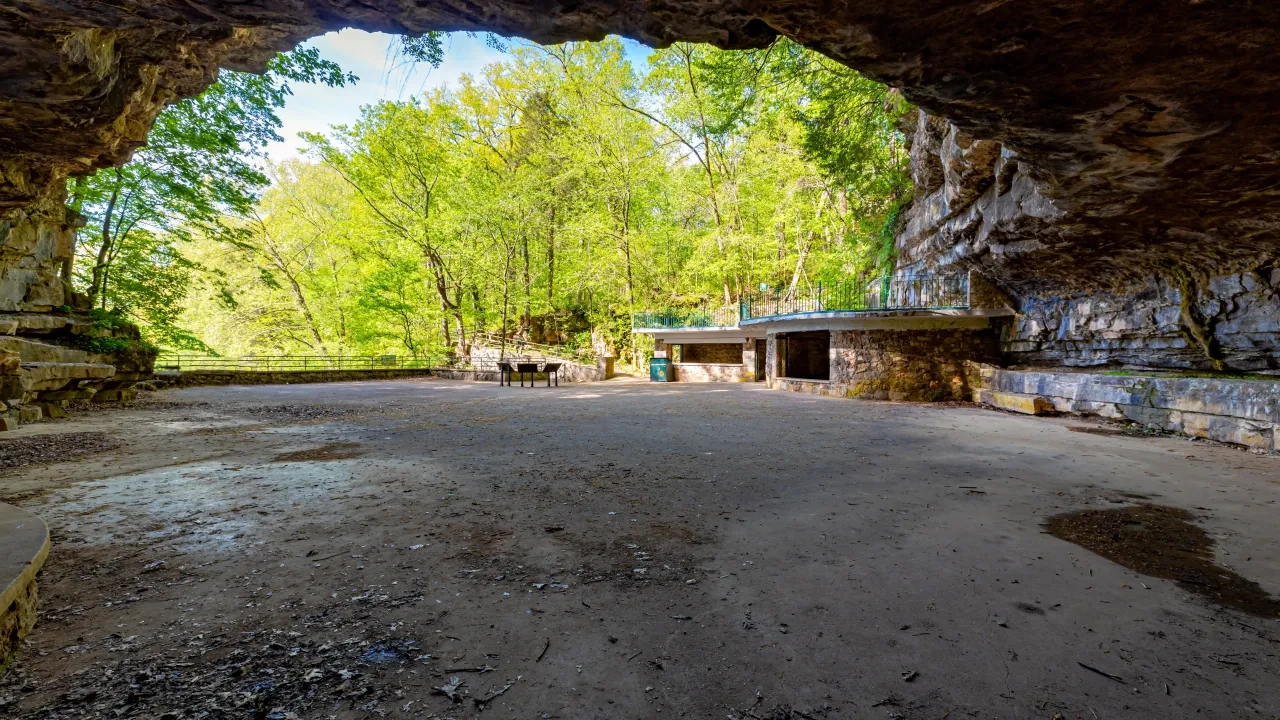 Image Subject By Tennessee Photographs

Trails
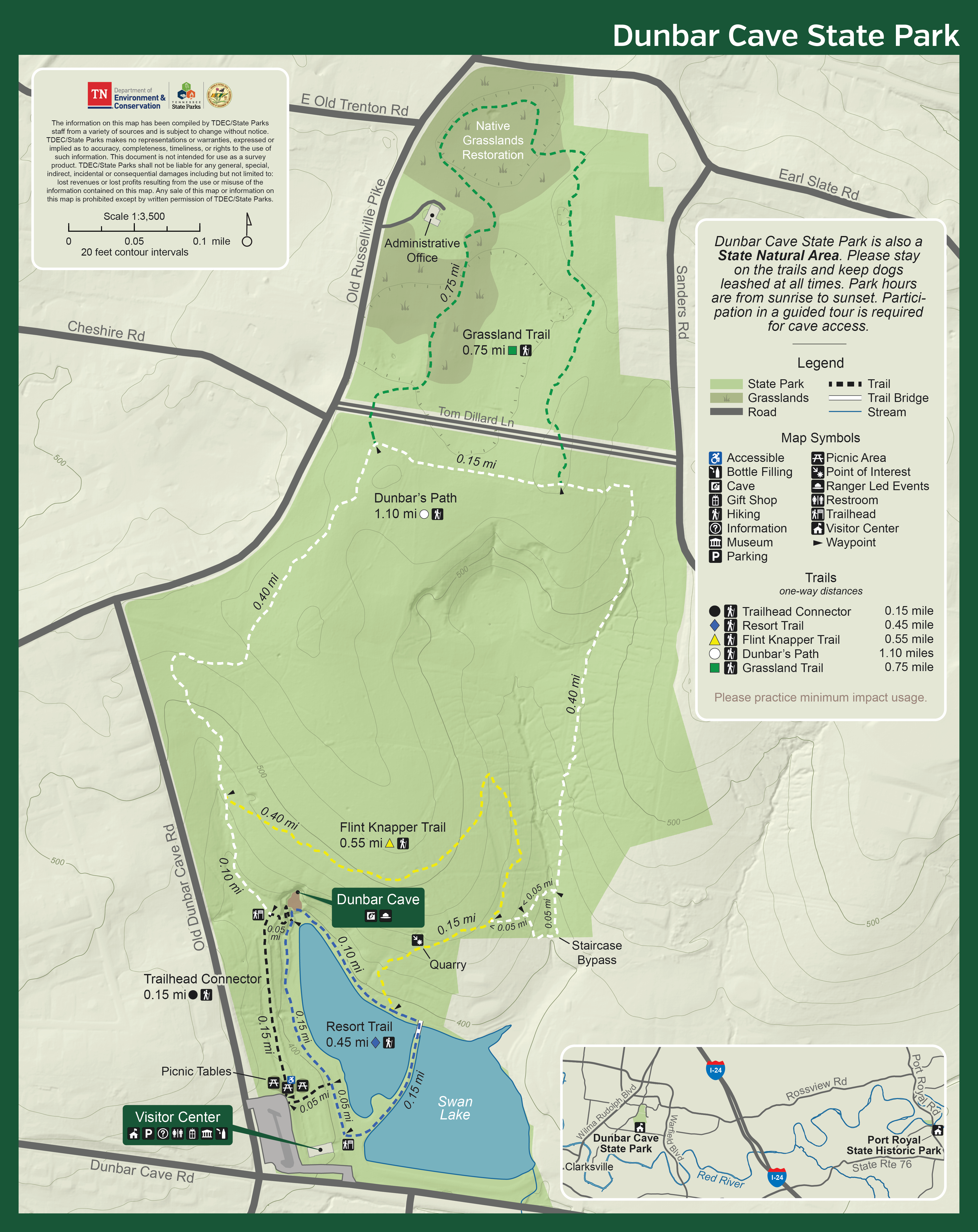
The park offers a network of trails that wind through diverse landscapes, from upland forests to a restored prairie. Visitors can embark on a more challenging hike to explore the park's natural beauty. Be sure to stay on the designated trails at all times to protect the delicate ecosystem.
Caves
The centerpiece of the park, Dunbar Cave, is a geological wonder that has captivated visitors for centuries. The cave requires a guided tour during the tour season (May through September).


Plants
Dunbar Cave State Park showcases a diverse array of plant life, with distinct ecosystems supporting a variety of species.
Explore the wetlands, upland forests, and restored prairie to witness the beauty of Tennessee's native flora. To learn more about the park's unique plants, be sure to ask a Park Ranger during your visit.
Plant Types
- Native Grasses
- Deciduous Trees
Animals
The park is a haven for wildlife, offering opportunities to explore diverse ecosystems and observe a variety of animals in their natural habitats.
Learn more about the park's unique fauna. Ask a Park Ranger about them.


Animal Species
- Reptiles
- Amphibians
- Birds
Inspiration
-

Eight Stroller Friendly State Parks In Tennessee
Eight Stroller Friendly State Parks In Tennessee - Read ArticleTennessee is well known for its beautiful state parks that offer a variety of outdoor activities for families. However, not all state parks are equally accessible for families with young children. Parents with strollers often face challenges due to uneven terrain, steep hills, or narrow paths. In this blog post, we will explore eight state parks in Tennessee that are stroller-friendly and offer a great outdoor experience for families with young children. -

A Year in Birds at TN State Parks
A Year in Birds at TN State Parks - Read ArticleIn Tennessee, at least 423 species have been recorded since 1900, and most of them have been viewed in one of our state parks at one time or another. -
Spring Wildflower Scavenger Hunt
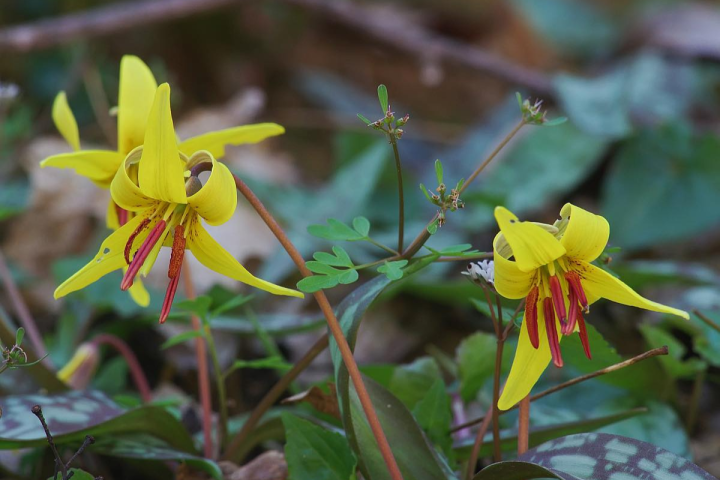
Spring Wildflower Scavenger Hunt - Read ArticleSpring blooms brighten our hiking trails and support pollinators and wildlife. Explore 14 wildflowers and the Tennessee state parks where you can find them. -
Parks Planting for Pollinators
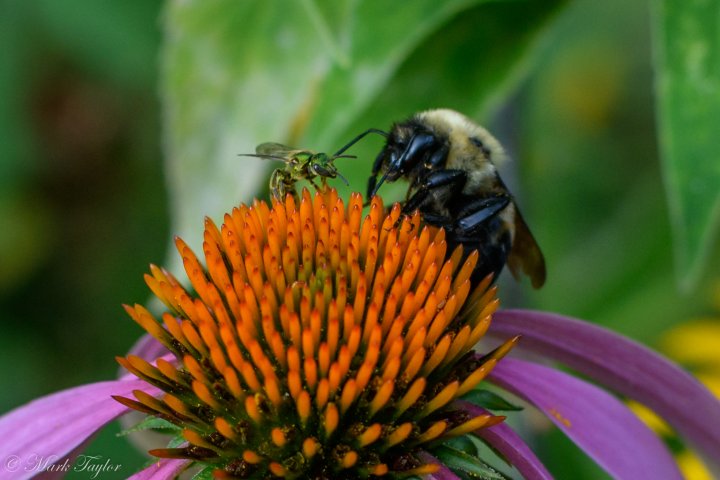
Parks Planting for Pollinators - Read ArticleLearn how state parks are restoring pollinator-friendly spaces and encourages individuals to help by supporting native plants and conservation efforts.