Fall Creek Falls Highlights
Notification Alert
Trail Closures
In August 2023, Fall Creek Falls State Park was impacted by a tornado. Please see the updates below regarding the current status of park availability due to past storm damage.
The following areas remain closed:
- Piney Falls Trail (FCF parking lot to Piney Falls parking lot)
- Millikan's Overlook Trail (overlook is open, trail is closed)
Where Water Falls, Adventure Awaits
Fall Creek Falls State Park, Tennessee's largest and most visited state park, beckons with its breathtaking waterfalls, lush forests, and diverse recreational opportunities. Encompassing over 25,000 acres on the Cumberland Plateau, the park is a haven for outdoor enthusiasts, offering everything from challenging hiking trails and scenic overlooks to cozy cabins and a championship golf course. Whether you're seeking thrilling adventures or tranquil escapes, Fall Creek Falls promises an unforgettable experience full of history, natural wonders, and hidden gems.
Discover Fall Creek Falls State Park
Imagine a place where cascading waterfalls plunge into emerald gorges, where ancient forests whisper tales of time, and where adventure awaits around every bend. This is Fall Creek Falls State Park, a Tennessee treasure born from a vision of conservation and a desire to share nature's grandeur with all. More than just a park, it's an immersive experience, a journey into the heart of the Cumberland Plateau. Marvel at one of the tallest waterfalls east of the Mississippi, explore hidden trails that wind through untouched wilderness, and create memories that will last a lifetime. Fall Creek Falls State Park invites you to discover the untamed beauty of Tennessee, reconnect with nature, and find your own adventure within its breathtaking landscapes.
History
The story of Fall Creek Falls State Park begins long before its official establishment.
The land bears witness to centuries of human activity, from Native American tribes like the Creek, Yuchi, Cherokee, and Shawnee to early 19th-century settlers who farmed the uplands and harnessed the power of Cane Creek at the Bickford Mill. The area also saw heavy logging and coal mining operations in the early 20th century.
The park's creation is largely attributed to the vision of James Taft, widely considered the "Father of Fall Creek Falls." His efforts, combined with the labor of the Civilian Conservation Corps (CCC) and the Works Progress Administration (WPA) during the Great Depression, transformed the ravaged landscape into a haven of natural beauty.
The Park was established in 1935 by the US Department of the Interior as a National Recreation Demonstration Area and managed by the National Park Service from 1935 - 1944. In 1944, it officially became a Tennessee State Park.
Today, Fall Creek Falls State Park stands as a testament to the power of conservation and the enduring allure of the natural world. While preservation efforts are ongoing, with a need for increased funding to protect historical and natural features, the park continues to inspire awe and wonder in all who visit.
Event Information
From the Rangers

Know Before You Go
Fall Creek Falls features 30 cabins, 222 campsites, and the 85-room Lodge at Fall Creek Falls. Backcountry camping is also available with a permit.
The park’s 18-hole golf course has a pro shop that provides golfing supplies, lessons, rental clubs, and carts.
When traveling to Fall Creek Falls with RVs or trailers, use Highway 111. If coming from north of the park, do NOT take the turn-offs for Route 285 or Route 30, but continue through Spencer south on Hwy 111 until you reach the Baker Mt. Road exit.

Trails
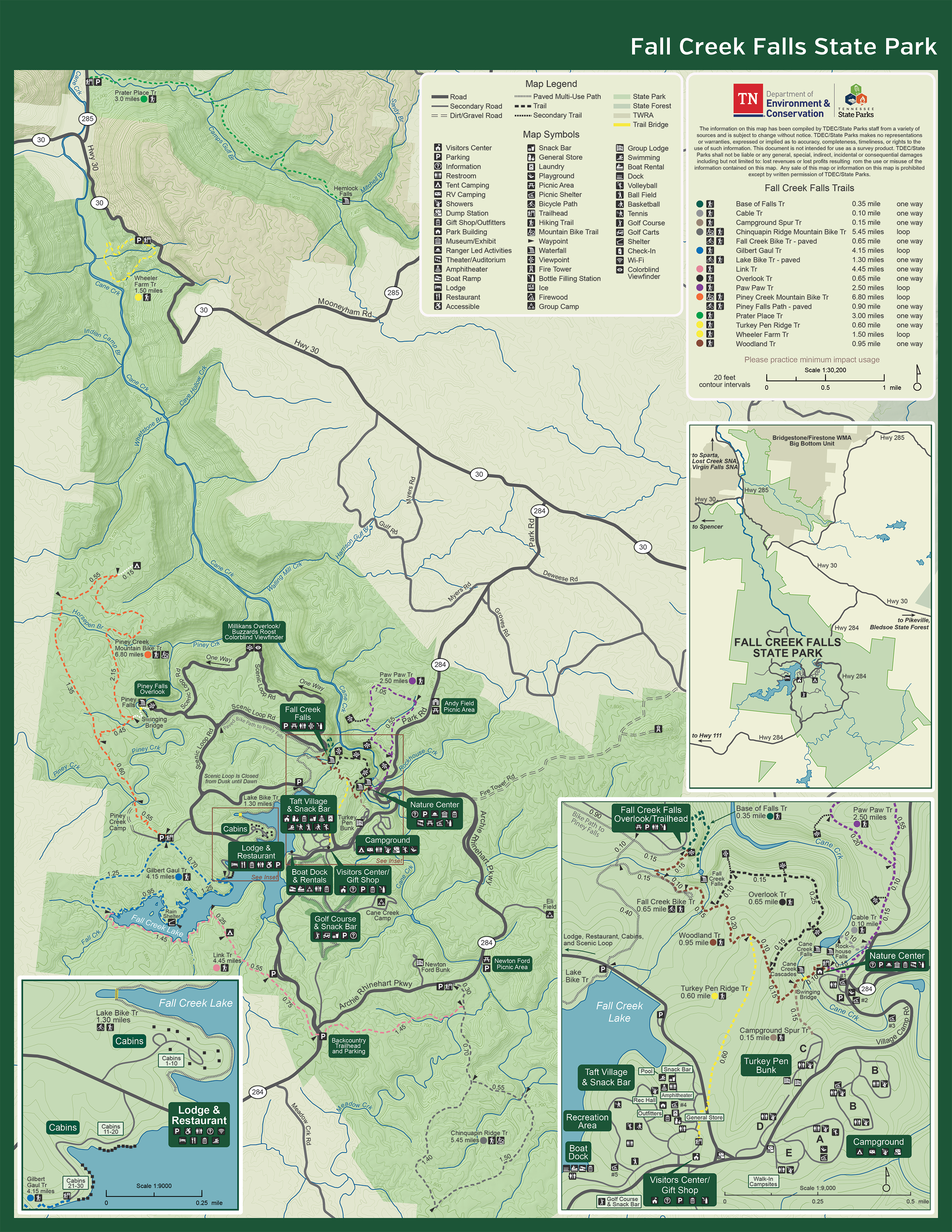
The park offers a variety of easy to strenuous hiking trails to enjoy. Hikers can opt for short or long walks along the lake and to the base of Fall Creek Falls. Two long-distance overnight trails are available to adventure-seeking visitors, while the day-use trails are designed to accommodate recreational and educational activities for all ages. More than 56 miles of trails can be explored.
The Betty Dunn Nature Center is our most popular trailhead. From here, the Woodland, the Gorge Overlook, and the Pawpaw Trails each take you to waterfall views not to be missed. The Wheeler Farm Trail winds its way down into the Cane Creek Gorge via an old farm road, where you can still see signs of historic agriculture today. This trek features a glimpse of the only rock arch in the park.
-
Gorges and Vistas
The park encompasses more than 25,000 acres sprawled across the eastern top of the rugged Cumberland Plateau. Laced with cascades, gorges, waterfalls, streams, and lush stands of virgin hardwood timber, the park beckons those who enjoy nature at her finest.
-
Water Features
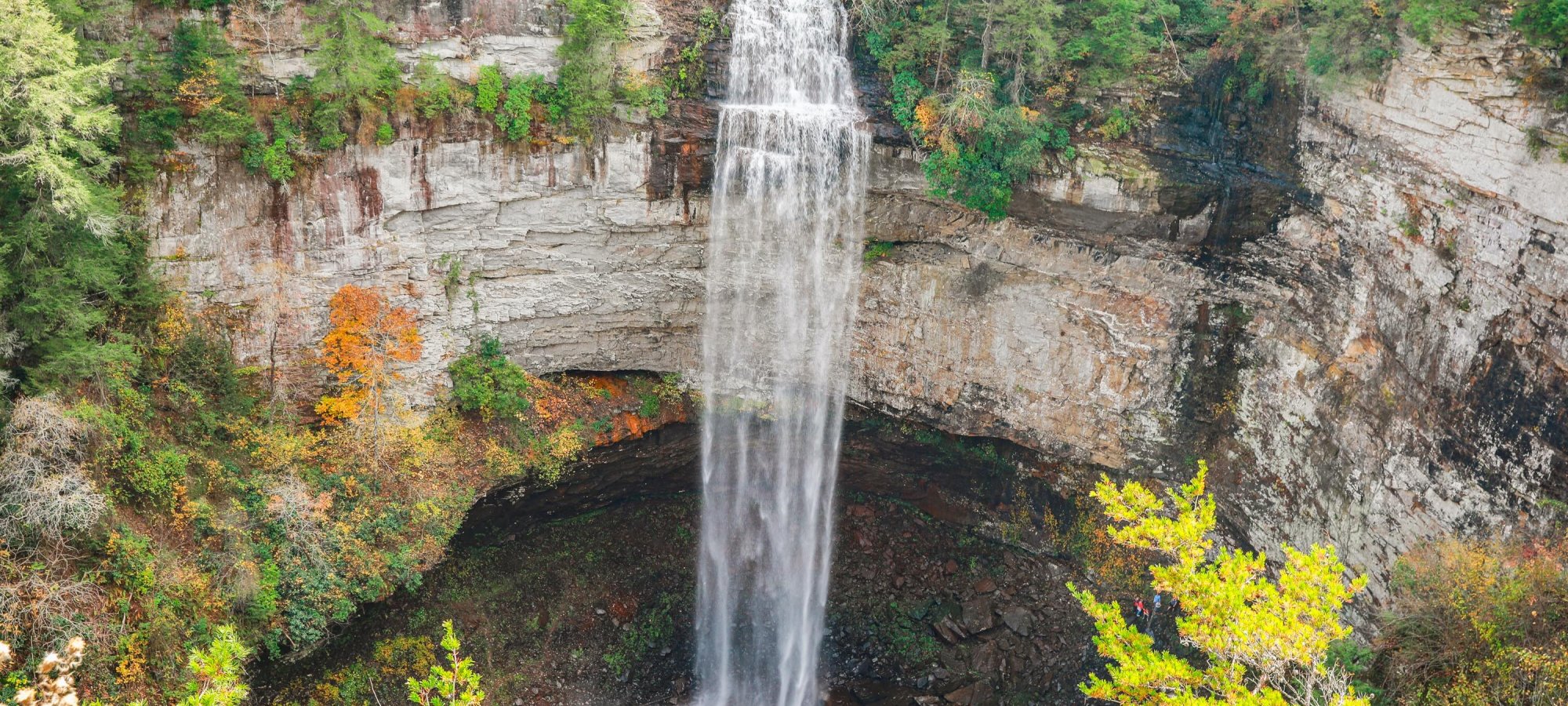
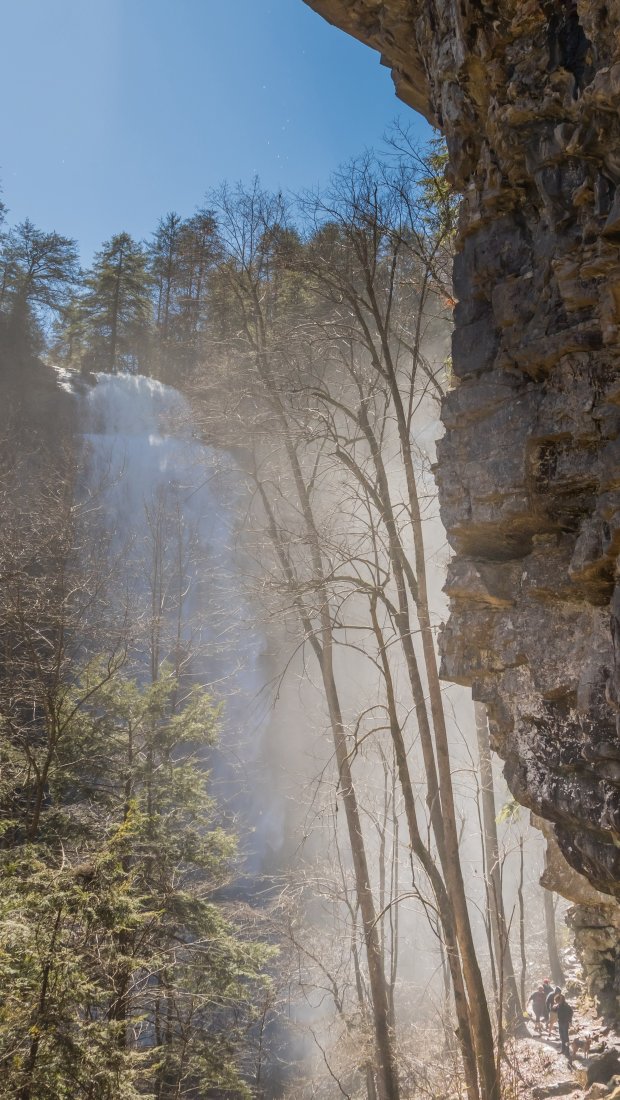
Fall Creek Falls, at 256 feet, is one of the highest waterfalls in the eastern United States. Other waterfalls within the park include Piney Falls, Cane Creek Falls, Cane Creek Cascades, Raccoon Creek Falls, Rockhouse Falls, and Hemlock Falls.


Plants
Fall Creek Falls State Park is a botanical paradise, boasting a diverse array of flora that changes dramatically from the uplands to the depths of the gorges.
The park protects 13 miles of Cane Creek, a wild and diverse tributary of the Caney Fork River. This creek cuts a gorge into the Cumberland Plateau, feeding and protecting a large remnant of virgin hemlock forest and dropping into one of the largest cave systems in the world.
To truly appreciate the park's botanical wonders, consider joining a Ranger-led program to learn about the unique adaptations of the local flora, including a vast array of mosses, lichens, and liverworts in the gorges, an abundance of flowering plants, and trees such as hemlock, beech, oak, and hickory.
Plant Types
- Mosses
- Lichens
- Liverworts
- Wildflowers (General)
- Hemlock (Eastern Hemlock)
- Beech (American Beech)
- Hickory
- Oak (Quercus spp.)
Birds
From the wide, panoramic views, such as famous Buzzard’s Roost, migratory broad-winged and other “buzzard hawks” soar with resident turkey and black vultures, frequently at eye level.
The bluff-tops also offer a peek into the canopy, with close looks at vibrantly colored warblers, vireos, and other neotropical migrants from mid-March to October. Year-round residents include barred owls, red-headed woodpeckers, Cooper’s hawks, and white-breasted nuthatches. Fall Creek Lake provides viewing opportunities in the winter for a variety of transient ducks, loons, and bald eagles. At least 185 species of birds have been observed throughout the year.

Bird Species
- Acadian Flycatcher
- Bald Eagle
- Barn Swallow
- Bay-breasted Warbler
- Black-throated Green Warbler
- Blackburnian Warbler
- Blue-headed Vireo
- Blue Grosbeak
- Broad-winged Hawk
- Chestnut-sided Warbler
- Common Loon
- Common Yellowthroat
- Eastern Screech-Owl
- Eastern Whip-poor-will
- Gadwall
- Great Blue Heron
- Great Crested Flycatcher
- Great Horned Owl
- Gull
- Hairy Woodpecker
- Hawk
- Henslow’s Sparrow
- Mallard
- Dickcissel
- Northern Bobwhite
- Northern Shoveler
- Orchard Oriole
- Pileated Woodpecker
- Red-headed Woodpecker
- Northern Harrier
- Red-tailed Hawk
- Red-winged Blackbird
- Turkey Vulture
- Warblers
- White Ibis
- White-breasted Nuthatch
- Wild Turkey
- Wood Duck
- Wood Thrush
- Yellow-billed Cuckoo
- Yellow-breasted Chat
- Worm-eating Warbler
- Woodland Birds

Animals
Fall Creek Falls State Park is teeming with wildlife, offering visitors the chance to observe a variety of creatures in their natural habitat.
The best time for wildlife viewing is generally in the late fall, winter, and early spring, when bare trees allow for better visibility and animals are more active. Engage with a Park Ranger to discover the best spots for wildlife viewing and learn about the fascinating behaviors of the park's inhabitants.
Animal Species
- Reptiles
- Squirrels
- Raccoon
- Otters
- White-tailed Deer
Inspiration
-
Best Tennessee State Parks to Watch the Sunrise and Sunset
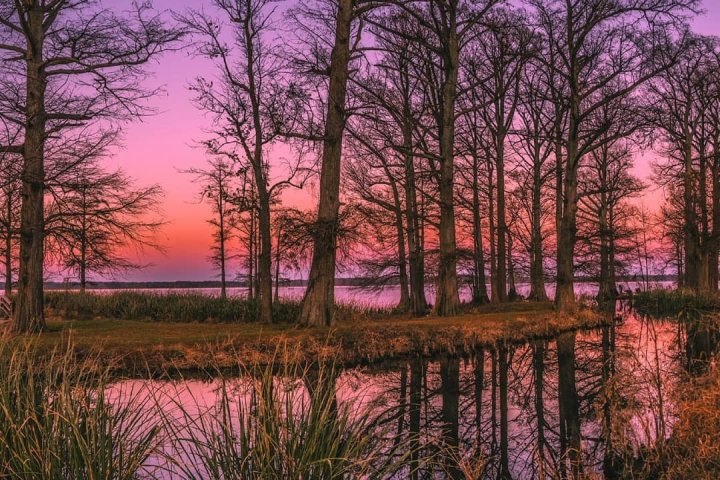
Best Tennessee State Parks to Watch the Sunrise and Sunset - Read ArticleLooking for sunrise or sunset views? Tennessee State Parks deliver stunning scenes across lakes, forests, and gorges. Discover top spots to watch the sun show off. -
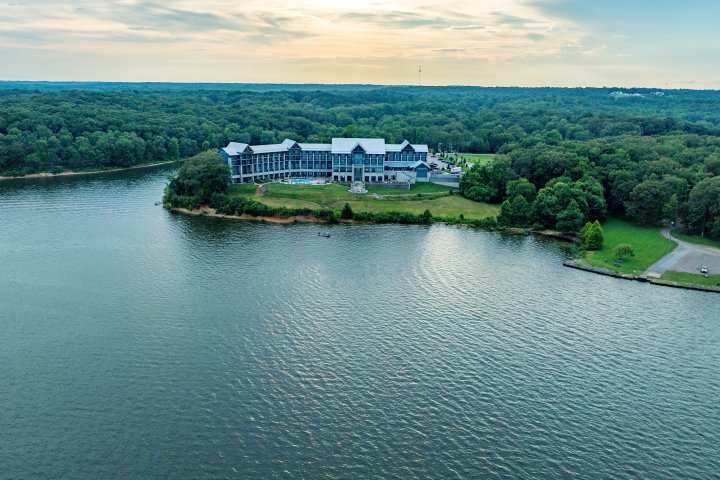
Best of the Best: Premium Cabin & Lodge Rentals
Best of the Best: Premium Cabin & Lodge Rentals - Read ArticleExperience the outdoors with modern comfort. These ten premium cabins and lodges in Tennessee State Parks make your next adventure unforgettable. -
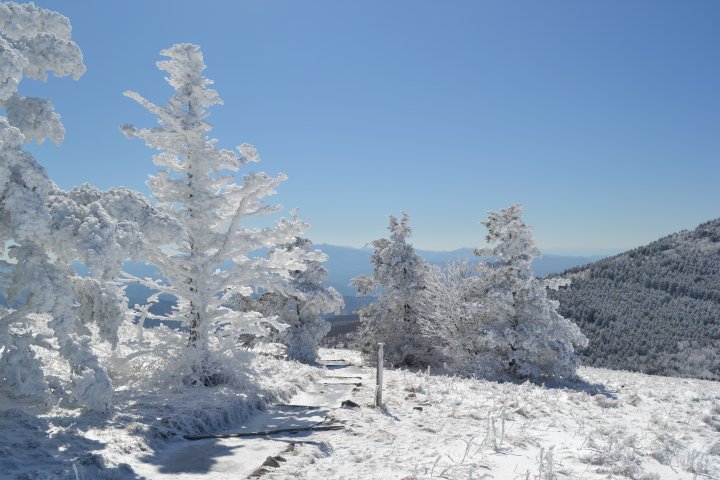
The Best State Parks for Winter Camping in Tennessee
The Best State Parks for Winter Camping in Tennessee - Read ArticleFor winter-ready adventurers, Tennessee State Parks campgrounds offer many sites, fewer crowds, and a bug-free off-season stay without being stuck indoors. -
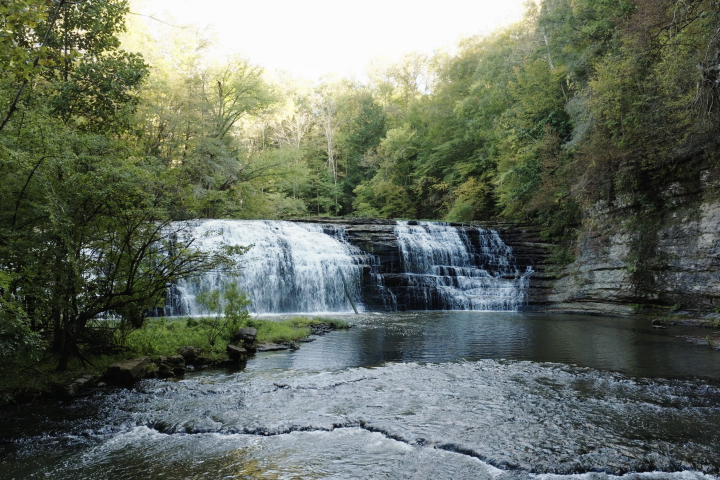
Waterfalls in Middle Tennessee: What to See and Where to Stay
Waterfalls in Middle Tennessee: What to See and Where to Stay - Read ArticleTennessee’s most scenic waterfalls are found in state parks. Use this guide to plan your visit and discover where to stay near eight popular falls.