Fort Pillow Highlights
A Place of Remembrance and Reflection
Step back in time at Fort Pillow State Park, where the echoes of the Civil War resonate through the rolling hills and along the mighty Mississippi River. This park isn't just a scenic escape; it's a place rich in historic and archaeological significance.
Discover Fort Pillow State Park
Located on the western edge of Tennessee, approximately 40 miles north of Memphis, Fort Pillow Sate Park’s steep bluffs overlooking the Mississippi River made this area a strategic location during the Civil War. The fort was originally built by Confederate troops in 1861 and named after General Gideon J. Pillow of Maury County. It was abandoned in 1862 due to the Union Navy’s advancement along the Mississippi River. However, Union troops defended the location and the civilians seeking protection there in the Battle of Fort Pillow in 1864.
History
The location of Fort Pillow State Park and the land around it was recognized as a place of strategic importance long before the Civil War.
Native Americans of the Mississippian culture and Chickasaw tribe historically used the area, drawn to its location along the Mississippi River, a vital transportation route. This inherent strategic value would later shape the fort's role in a divided nation.
Perched high on Chickasaw Bluff, the fort commanded a strategic position overlooking the Mississippi River, designed to control river traffic and protect Confederate interests in the region. This location made it a key point in the defense of the Confederacy's western territories.
However, the area's most significant historical event is undoubtedly the Battle of Fort Pillow, which took place on April 12, 1864. Confederate General Nathan Bedford Forrest led an assault on the fort, which was then garrisoned by a mixed force of Union soldiers, including African American troops (United States Colored Troops). The battle resulted in a Confederate victory, but it was marred by controversy and accusations of a massacre of surrendering Union soldiers, particularly the African American troops. The events at Fort Pillow remain a subject of historical debate and have had a lasting impact on the park's identity. The Annual Living History event is held on the closest weekend to April 12, offering a somber reflection on the battle and its consequences.
The area became Fort Pillow State Historical Park in 1971 and stands as a testament to a tumultuous period in American history, a place where visitors can contemplate the complexities of the Civil War and its lasting impact. Fort Pillow offers a unique and enriching experience. The park is located on the First Chickasaw Bluff overlooking waterways. From these vantage points, you can see Arkansas and Tennessee, and how the Mississippi River has changed through time.
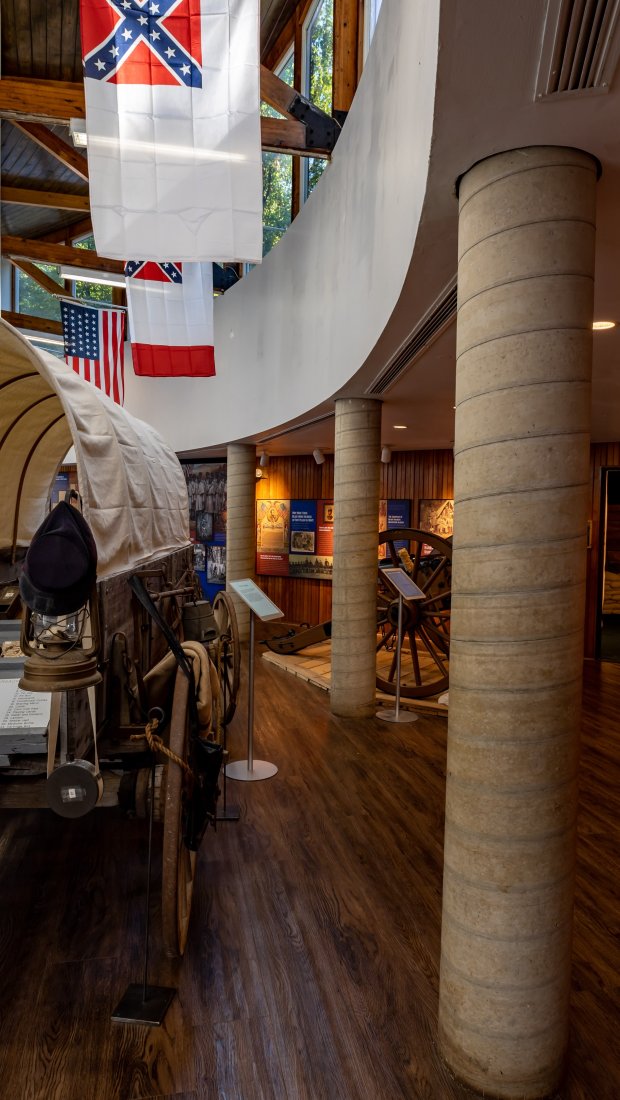
The 1,642-acre Fort Pillow is known for its well-preserved breastworks and reconstructed inner fort. The park’s museum offers Civil War artifacts, including a cannon and interpretive displays relating to the history of Fort Pillow. There is a 12-minute video on the 1864 battle available by request as well as tours of the museum and restored fortifications.
Today, preservation efforts focus on maintaining the remaining fort walls and inner fortifications, preventing erosion, and interpreting the site's complex history. These efforts aim to provide visitors with a balanced and nuanced understanding of the events that transpired at Fort Pillow, encouraging reflection and remembrance.
From the Rangers
-
The Perfect Day
Begin your day with a visit to the park's museum to gain context into the area's history. Next, hike to the restored fortification, where you can immerse yourself in the past and take in the stunning views from the overlook. Conclude your day by watching the sunset from the overlook, where you can witness one of what many consider to be the best sunsets in the world.
-
Insider Information
For a truly unforgettable experience, time your visit to coincide with the sunset at the overlook. The views of the Mississippi River reflecting the setting sun are simply breathtaking. Weekdays are the best time to visit if you're looking to avoid crowds.
-
Know Before You Go
When traveling to Fort Pillow State Park with an RV, avoid Fulton Road/Highway 87 from Brownsville, due to a low railroad underpass. Cell service is limited throughout the park, but you can find service at the Overlook and North Bathhouse. Wi-Fi is available at the campground and Visitor Center.


Land and Water
-
Trails
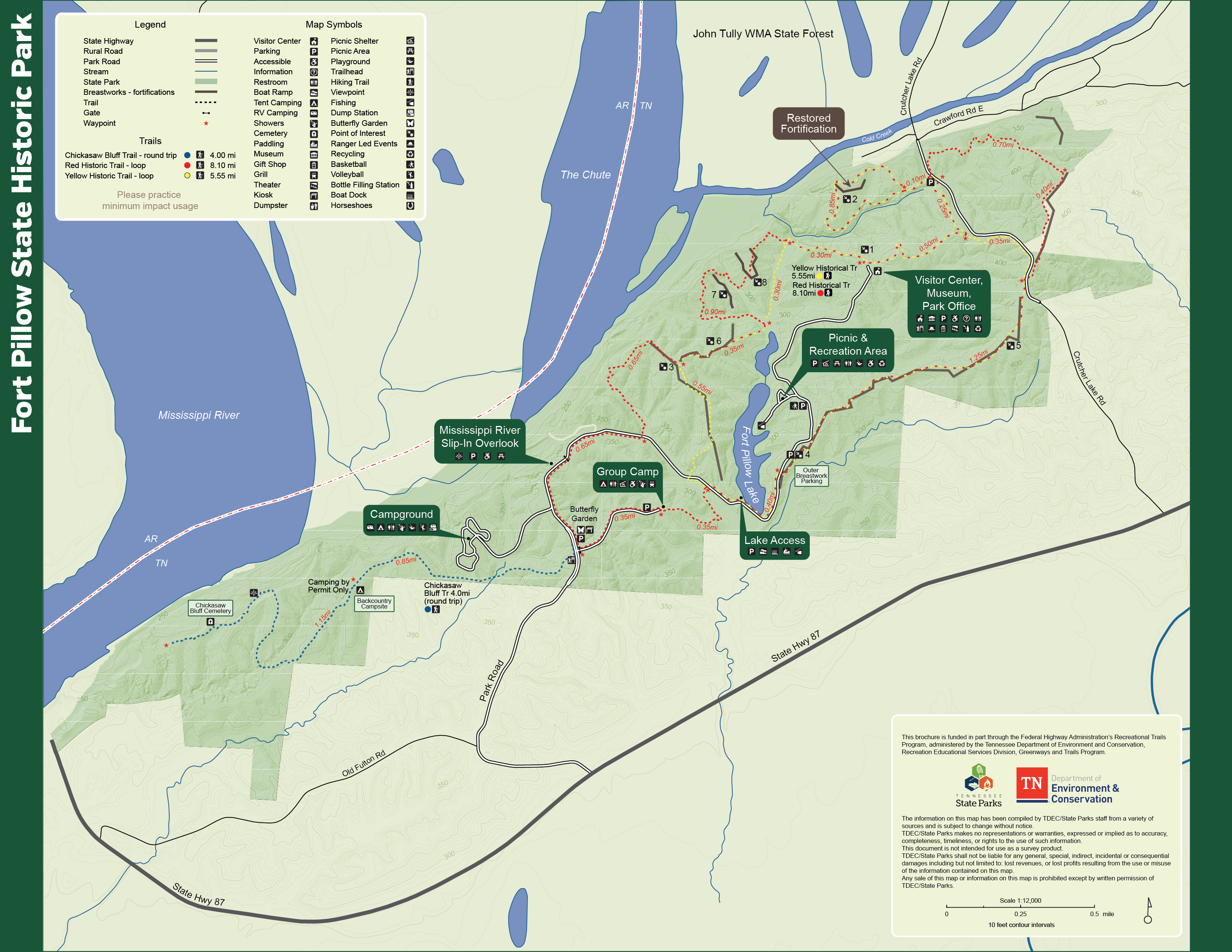
Explore the park's trail system which winds through the historic landscape and offers scenic views of the Mississippi River. All areas throughout the trail system are located on the park trail map.
-
Mountains and Vistas
While not mountainous, Fort Pillow State Park boasts scenic viewpoints from Chickasaw Bluff. From these vantage points, you can see Arkansas and Tennessee, and how the Mississippi River has changed over time.
-
Water Features
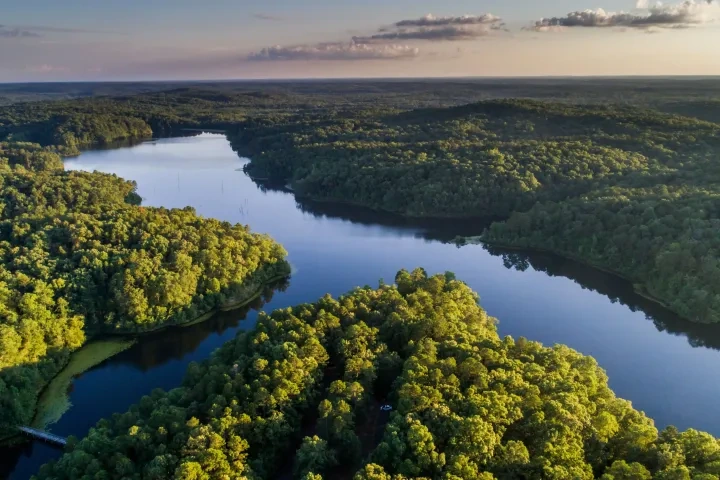
The park's location along the Mississippi River and its associated wetlands creates a unique ecosystem. Explore Beaver Pond, Cold Creek, and the Chute, which offer opportunities for wildlife viewing and aquatic adventures.


Plants
Discover the diverse flora of Fort Pillow State Park.
The flora changes throughout the park, with wetland species below the bluff and upland varieties on the bluff. Be sure to ask a Park Ranger about the unique plant life found in the park.
Plant Types
- Wildflowers (General)
- Upland Hardwood Forest Species
- Oak spp.
- Dogwood
- Mulberry
- Smooth Sumac
- American Trumpet Vine
- Maple spp.
- Jack-in-the-Pulpit
- Mayapple
- American Beech

Animals
Keep an eye out for the diverse fauna calling Fort Pillow State Park home.
The park's location along the Mississippi River makes it a haven for migratory birds, especially during the winter months. Don’t forget to ask a Park Ranger about the animal life found in the park.
Animal Species
- Songbirds
- Waterfowl
- Squirrels
- Nine-banded Armadillo
- Raccoon
- Deer
- Opossums
- Butterflies
Inspiration
-
Unique Ways to Experience Fall Foliage in Tennessee
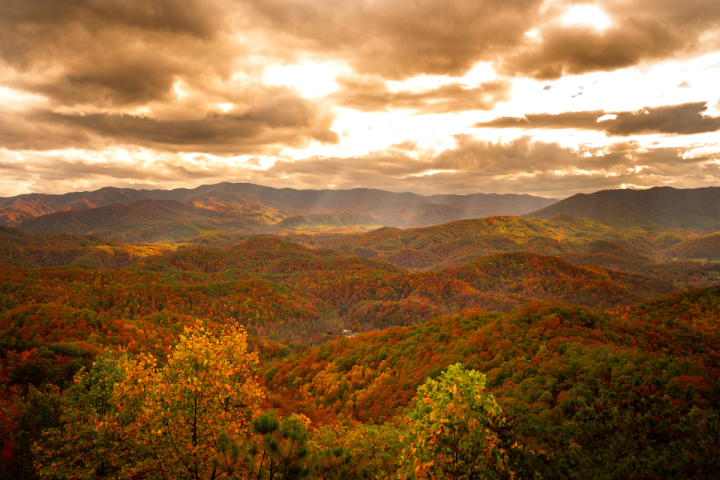
Unique Ways to Experience Fall Foliage in Tennessee - Read ArticleAs leaves change color and crisp air settles in, it's the perfect time to explore Tennessee's natural beauty. With over 60 state parks, you'll find countless opportunities to witness autumn's vibrant hues. Here are some unique suggestions for viewing fall foliage—including what to do and where to visit. -
Four Camping Destinations Near Memphis
Four Camping Destinations Near Memphis - Read ArticleFrom music to BBQ to river views, there’s plenty to love about Memphis. Even better, several Tennessee State Parks nearby offer great spots to camp or park your RV. -

Honor Black History at Tennessee State Parks
Honor Black History at Tennessee State Parks - Read ArticleDuring Black History Month this February—and throughout the year—we invite you to reflect on Black history in Tennessee's state parks. Explore these parks that preserve and share Black history and heritage. -

“A Wonderful Bird is the Pelican…”
“A Wonderful Bird is the Pelican…” - Read ArticleWe often associate pelicans with sea spray, waves and warm beaches, yet one of America’s largest and most majestic birds breeds in the American Heartland and can be seen during its winter migration on inland freshwater and coastal bays and estuaries throughout our continent.