Johnsonville Highlights
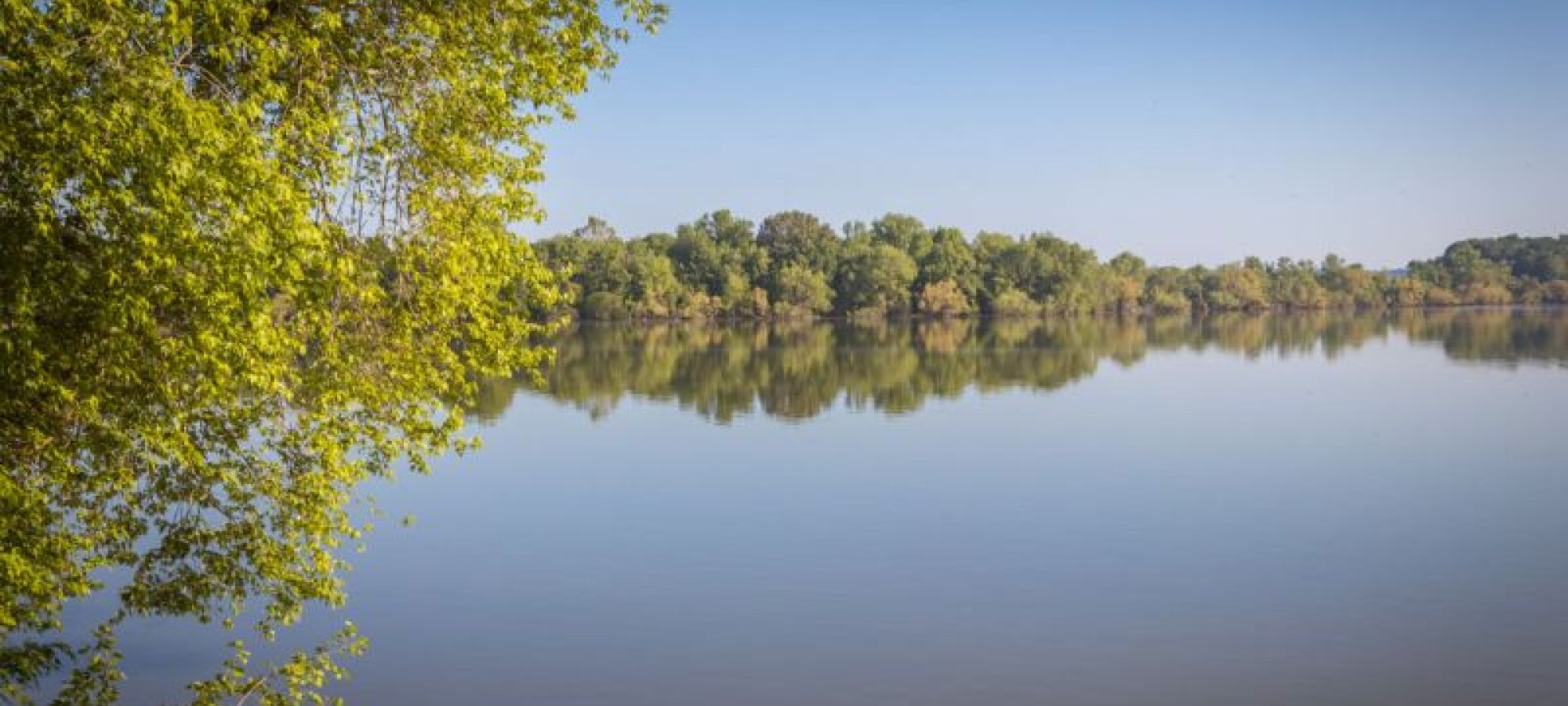
A Town Reborn
Step back in time at Johnsonville State Historic Park where echoes of Civil War battles and whispers of a once-bustling town endure along the banks of the Tennessee River. The park is currently working to repair and restore historic cemeteries within the park, including the African Methodist Cemetery. Johnsonville State Historic Park is a scenic portal to a pivotal period in American history, a place where you can walk in the footsteps of soldiers and imagine the lives of those who called this place home.
Discover Johnsonville State Historic Park
Once a thriving Union supply depot during the Civil War, the town of Johnsonville was strategically located on the Tennessee River. The Battle of Johnsonville in 1864 saw Confederate forces, led by General Nathan Bedford Forrest, launch a devastating attack, nearly obliterating the town. The settlement never fully recovered, and the Tennessee Valley Authority (TVA) acquired the land in 1944. In 1971, it was reborn as a Tennessee State Park, preserving the historical significance of the site while offering a place for reflection and recreation. Today, visitors can explore the remnants of the past, hike along scenic trails, and learn about the stories of those who shaped this unique landscape.
History
The history of Johnsonville State Historic Park is etched into its very soil.
Established in 1864 as a Union supply depot, the town quickly became a vital hub for the war effort. Named for Military Governor Andrew Johnson, Johnsonville's strategic location on the Tennessee River made it a prime target for Confederate forces.
On November 4, 1864, General Nathan Bedford Forrest launched a daring raid on Johnsonville, resulting in the Battle of Johnsonville. The Confederate forces inflicted heavy damage, destroying millions of dollars' worth of supplies and crippling the Union's operations in the area. While it was a tactical victory for the Confederacy, the battle did little to change the overall course of the war.
Following the Civil War, Johnsonville struggled to regain its former prominence. The town experienced a brief resurgence, but it never fully recovered. In 1944, TVA acquired the land, and the town was eventually dismantled.
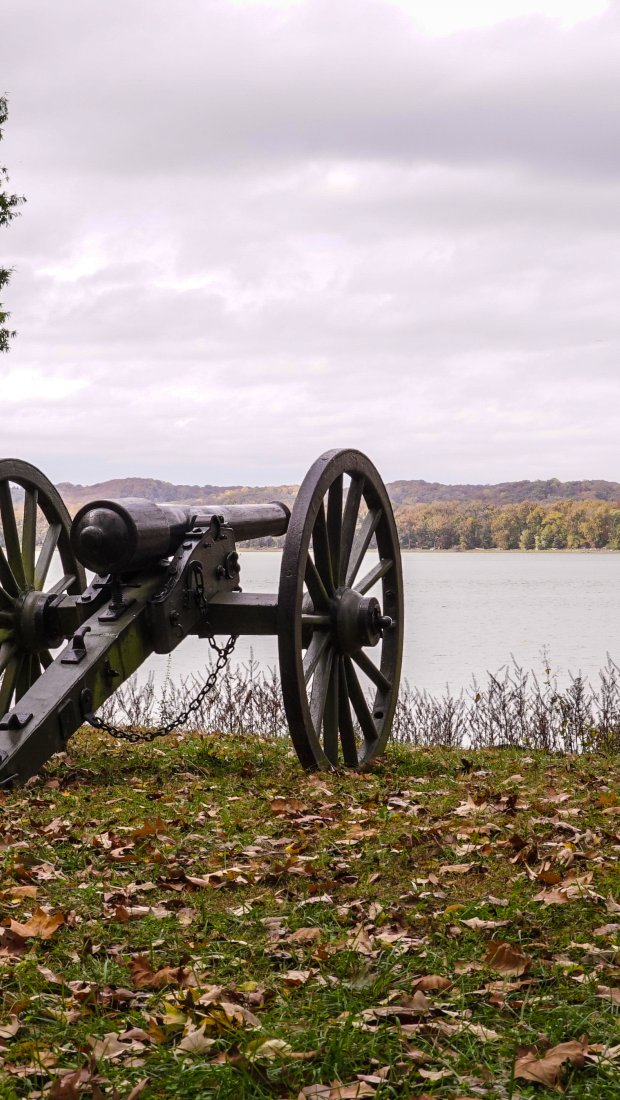
In 1971, Johnsonville State Historic Park was established, preserving the remnants of the town and the battlefield. Today, visitors can explore the upper and lower redoubts of Fort Johnson, listed on the National Register of Historic Places, and learn about the events that unfolded here. The park also features six confirmed African American cemeteries, holding the remains of at least four U.S. Colored Troops veterans and World War I veterans, highlighting the diverse stories intertwined with the site.
The park continues to uncover more of its past through partnerships with organizations like Interprofessional Education at Middle Tennessee State University, with plans to expand the National Register Boundary. Ground-penetrating radar surveys and careful vegetation management are helping to preserve the park's historical features for future generations.
From the Rangers
-
The Perfect Day
A perfect day at Johnsonville State Historic Park begins with a visit to the Visitor Center to learn about the park's history and pick up a map. Next, explore the historical sites along the Tennessee River, imagining the bustling town and the dramatic battle that once took place here. Conclude your day with a peaceful hike on the family-friendly trail system, reflecting on the stories of resilience and change that define this unique park.
-
Insider Information
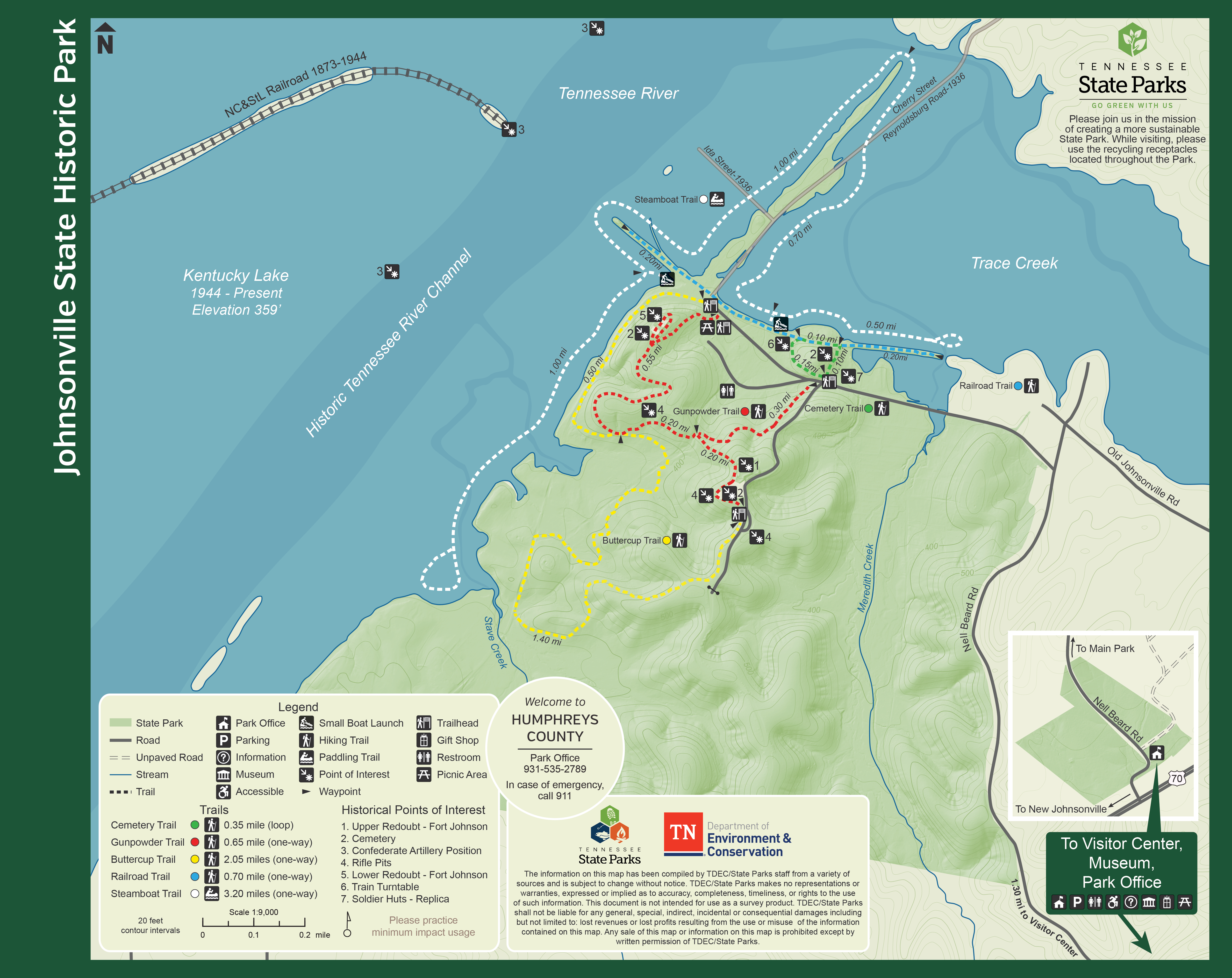
Johnsonville State Historic Park is often called "the best-kept secret in Tennessee State Parks." Explore the former homesites along the Buttercup Trail for a glimpse into the lives of those who once called this place home.
-
Know Before You Go
Johnsonville State Historic Park is primarily a day-use park, so plan your visit accordingly. While the park doesn't offer services for RVs or horse trailers, it does provide consistently reliable cell service throughout most of the park, thanks to a cell tower at the Pebble Isle Marina. Wi-Fi is also available at the Visitor Center.


Johnsonville State Historic Park offers a stacked loop, family-friendly trail system perfect for exploring the park's natural beauty and historical sites.
The trails wind through the landscape, providing scenic views of the Tennessee River and access to former homesites. The Tennessee River defines Johnsonville State Historic Park, offering scenic views and a connection to the park's rich history. While swimming is permitted at your own risk, the river provides a peaceful backdrop for reflection and exploration.
Plants
Explore the park's diverse flora, including trees that change color in the fall.
Join a Ranger-led program to learn more about the unique plant life that thrives in this historic landscape.

Plant Types
- Wildflowers (General)
- Trillium
- Woodland Phlox
- Black-Eyed Susan
- Redbud (Eastern Redbud)
- Dogwood (Flowering Dogwood)
- White Oak
- Red Oak
- Post Oak
- Shagbark Hickory
- Pignut Hickory
- River Birch

Birds
The park provides opportunities to view woodpeckers, nuthatches, bay ducks, ring-billed gulls, and the occasional bald eagle.
Bird Species
- American Coot
- American Goldfinch
- American Robin
- American White Pelican
- American Wigeon
- Bald Eagle
- Barred Owl
- Bay Ducks (Generic)
- Bobolink
- Bonaparte's Gull
- Brown Thrasher
- Bufflehead
- Cackling Goose
- Carolina Chickadee
- Carolina Wren
- Caspian Tern
- Cattle Egret
- Cedar Waxwing
- Common Goldeneye
- Dickcissel
- Double-crested Cormorant
- Eastern Bluebird
- Eastern Phoebe
- Eastern Towhee
- Forster's Tern
- Gadwall
- Great Blue Heron
- Great Egret
- Greater White-fronted Goose
- Greater Yellowlegs
- Green Heron
- Green-winged Teal
- Gull
- Herring Gull
- Hooded Merganser
- Indigo Bunting
- Killdeer
- Mallard
- Northern Mockingbird
- Northern Parula
- Northern Pintail
- Northern Shoveler
- Orchard Oriole
- Osprey
- Ovenbird
- Pied-billed Grebe
- Pileated Woodpecker
- Prothonotary Warbler
- Purple Finch
- Purple Martin
- Red-breasted Merganser
- Red-tailed Hawk
- Red-winged Blackbird
- Ring-billed Gull
- Ring-necked Duck
- Sandhill Crane
- Sandpipers
- Summer Tanager
- Swallows
- Tufted Titmouse
- Vireos
- White-breasted Nuthatch
- Wild Turkey
- Wilson's Snipe
- Wood Duck
- Yellow-bellied Sapsucker
- Yellow-billed Cuckoo
- Yellow-rumped Warbler
Animals
Learn more about the wildlife calling Johnsonville State Historic Park home by taking part in a Ranger-led program.

Animal Species
- Eastern Gray Squirrel
- Opossums
- Raccoon
- White-tailed Deer
- Fox Squirrels
Inspiration
-

Honor Black History at Tennessee State Parks
Honor Black History at Tennessee State Parks - Read ArticleDuring Black History Month this February—and throughout the year—we invite you to reflect on Black history in Tennessee's state parks. Explore these parks that preserve and share Black history and heritage. -

Wonderful Winter Hikes in Tennessee
Wonderful Winter Hikes in Tennessee - Read ArticleWinter is one of the best times to hike at Tennessee State Parks, with quiet trails, fewer bugs, clear views, and dramatic landscapes of icicles and fresh snow. -
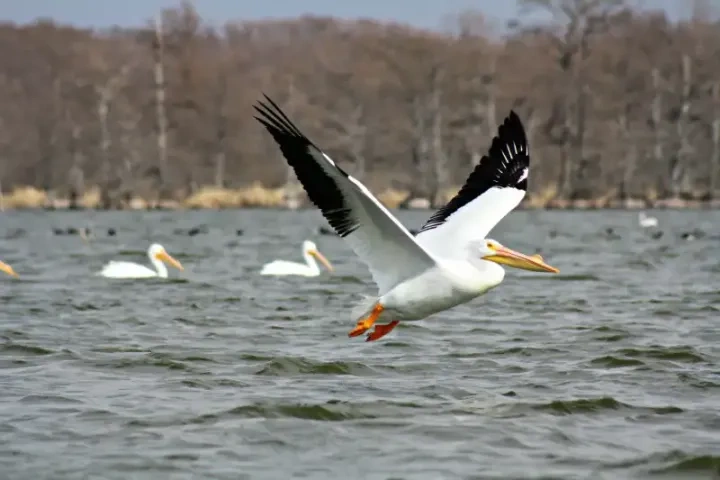
“A Wonderful Bird is the Pelican…”
“A Wonderful Bird is the Pelican…” - Read ArticleWe often associate pelicans with sea spray, waves and warm beaches, yet one of America’s largest and most majestic birds breeds in the American Heartland and can be seen during its winter migration on inland freshwater and coastal bays and estuaries throughout our continent. -
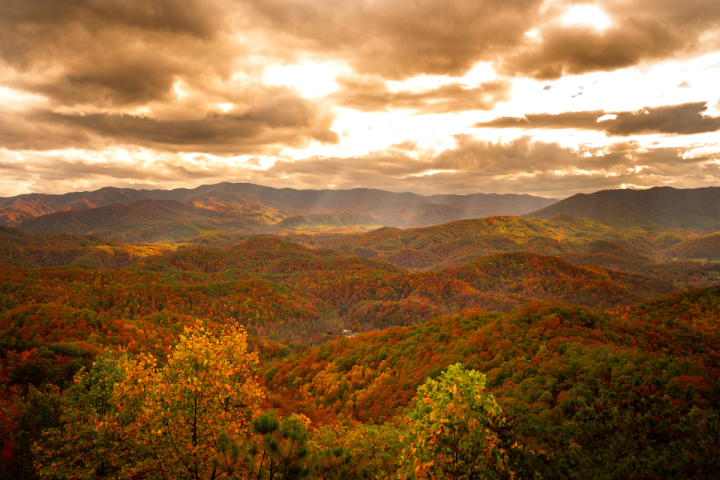
Unique Ways to Experience Fall Foliage in Tennessee
Unique Ways to Experience Fall Foliage in Tennessee - Read ArticleAs leaves change color and crisp air settles in, it's the perfect time to explore Tennessee's natural beauty. With over 60 state parks, you'll find countless opportunities to witness autumn's vibrant hues. Here are some unique suggestions for viewing fall foliage—including what to do and where to visit.