Mousetail Landing Highlights
Notification Alert
Partial Trail Closure
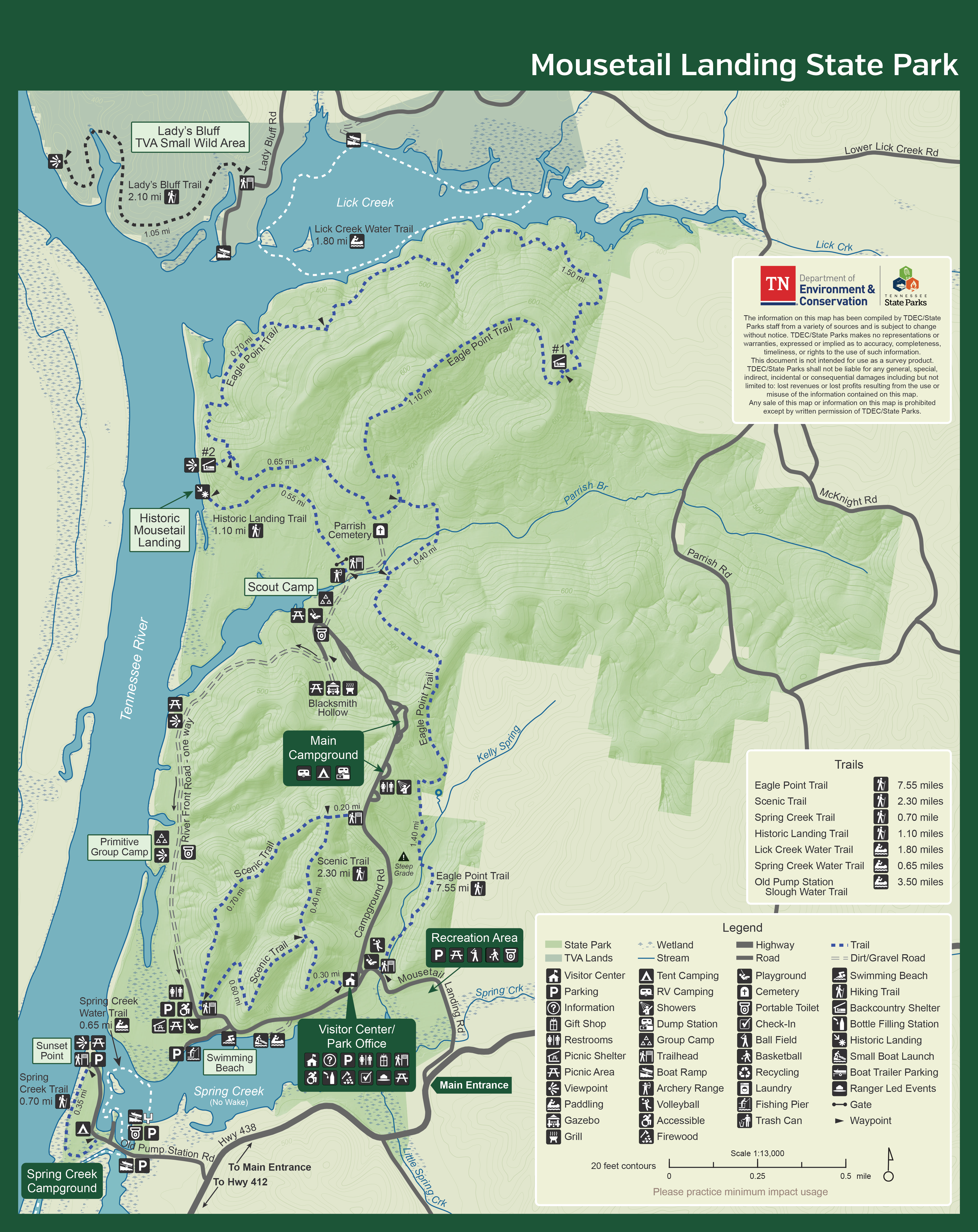
A portion of the 8-mile Eagle Point Loop Trail remains closed due to storm damage. The portion of the trail that remains closed is the section of trail that connects backcountry campsites 1 and 2. Hikers can currently reach both campsites/shelters from the trailhead. The section of the trail between Shelter 1 and Shelter 2 will be reopened as soon as possible.
Thank you for your patience and understanding. If you have any questions, please contact the park office.
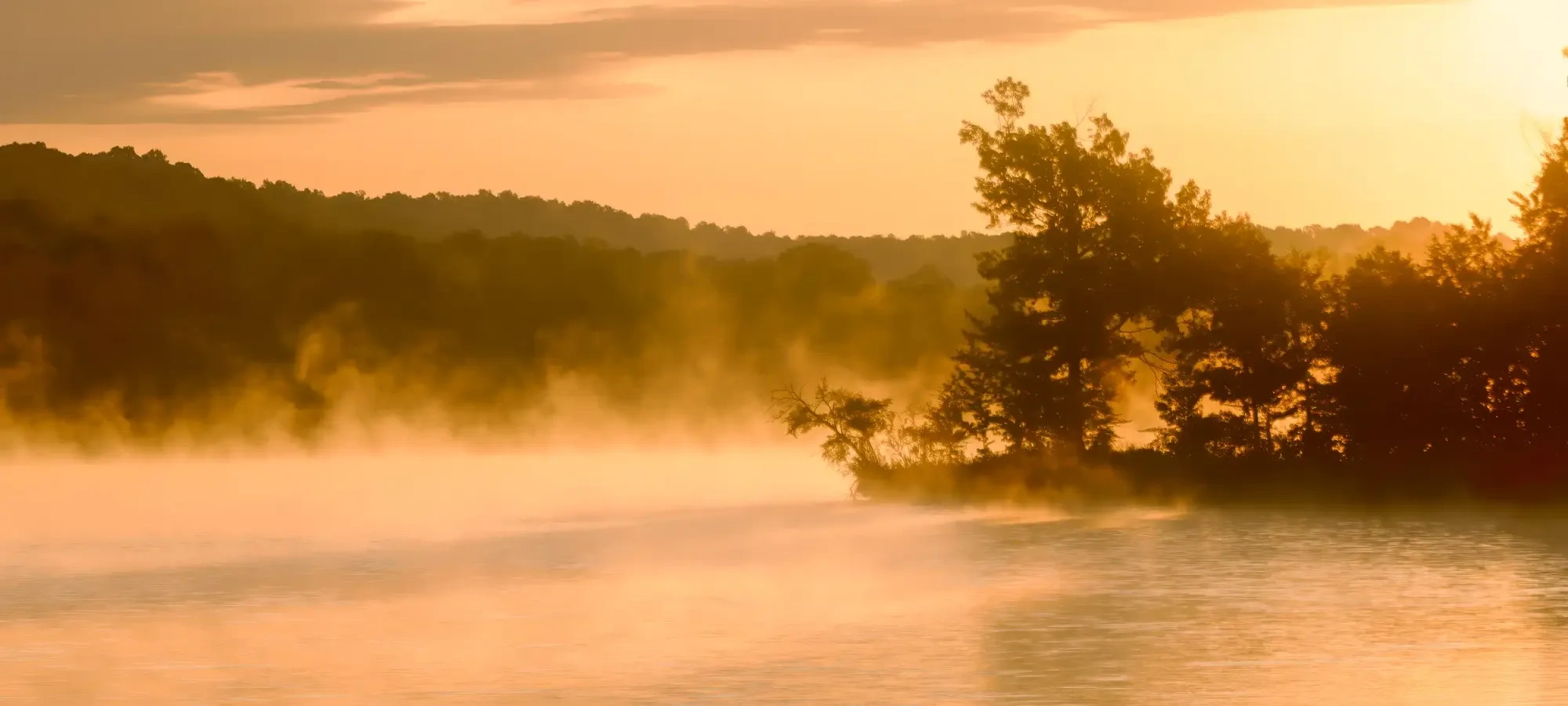
A Haven for Family Fun and Outdoor Activities
Step back in time and immerse yourself in the rich history and natural beauty of Mousetail Landing State Park. Nestled along the banks of the Tennessee River, this park offers a unique blend of outdoor adventure and historical intrigue. From its humble beginnings as a bustling river port to its present-day role as a haven for recreation and wildlife, Mousetail Landing State Park holds a captivating story waiting to be uncovered. Discover the secrets that make this park a must-visit destination.
Discover Mousetail Landing State Park
History
Mousetail Landing State Park's story is deeply rooted in the history of river commerce and early settlement in Tennessee.
As the story goes, Charles Frederick Gotthart moved into the area in the early 1800s and purchased 5,000 acres from a railroad tax auction for $17.61½. Gotthart started a large tannery on what is now the north end of the park, located along the southern shore of Lick Creek, and used tannic acid from oak tree bark to tan hides into leather. During the Civil War era, one of Gotthart’s outbuildings used to store the uncured hides caught fire. Due to the mass exodus of rats fleeing the fire, the landing was given the moniker of “Rat Tail Landing.”
Three men, Conder, Smith, and McDonald, moved into the area, and started a smaller tannery, a general store, and a post office along the shore of the Tennessee River just south of Gotthart’s landing shortly after the fire. Due to the proximity to Rat Tail Landing and the smaller size of the new landing, it was given the name “Mousetail Landing.” Mousetail Landing became a major shipping point for goods along the Tennessee River and hosted a post office, a general store, a large warehouse, and several homesteads.
The park itself was officially established in 1979, preserving this unique history and providing a space for recreation and conservation. While many historical structures have faded with time, visitors can still find foundational stones at the original landing site and remnants of old homesteads scattered throughout the park's backcountry. These remnants serve as a reminder of the people who once lived and worked along the Tennessee River, relying on its resources for their livelihoods.
From the Rangers
-
The Perfect Day
For a truly memorable experience, enjoy a hike on our three-mile Scenic Trail. Then cool off with a dip at the swim beach or in the spring creek at the park entrance. End the day by watching the sunset from Sunset Point in the Spring Creek Campground.
-
Insider Information
Venture off the beaten path and discover Historic Landing Trail, a relatively new trail that follows part of the old mountain bike trail to access the location of the original Mousetail Landing. This in-and-out trail terminates on the bank of the Tennessee River, where the original landing was located. For a breathtaking view, visit the overlook at Shelter #2, offering a panoramic vista of the Bussell Town Unit of the Tennessee National Wildlife Refuge.
-
Know Before You Go
When planning your visit to Mousetail Landing State Park, keep in mind that cell service is limited in most areas of the park, with reliable service only available in the main campground and Sunset Point of the Spring Creek Campground. If you're traveling with an RV, it's best to stay on Highway 412 and avoid Highway 438 West, especially if coming from the east.


Trails
Mousetail Landing State Park offers a variety of trails for hikers of all skill levels. The Spring Creek Trail is an easy, half-mile trail on a natural surface. The three-mile Scenic Trail and four-mile Mountain Bike Trail Easy are both moderate trails on natural surfaces. For visitors seeking a challenge, the park offers two difficult trails: the eight-mile Eagle Point Trail and the nine-mile Mountain Bike Trail Advanced. All trails offer excellent opportunities for wildflower viewing.
Water Features
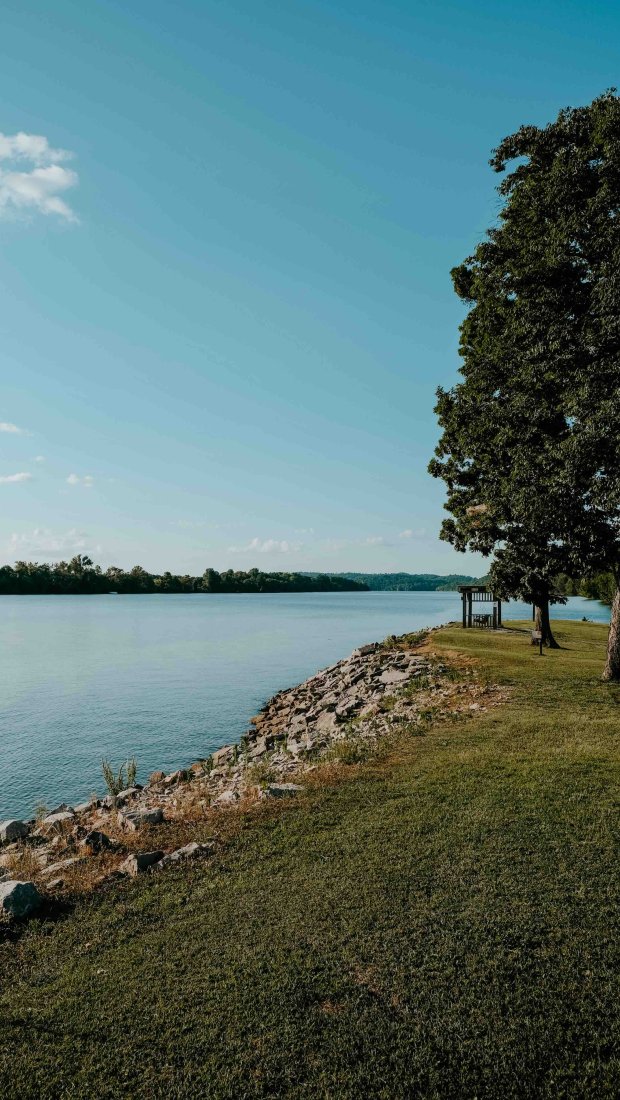
The Tennessee River is a major draw for visitors to Mousetail Landing, offering opportunities for fishing, water sports, paddle sports, and boating. Spring Creek at the Main Park Entrance is also a popular spot for wading and seeing creek critters in the shallow water.


Plants
Mousetail Landing is home to old-growth hardwoods.
In the spring, a variety of wildflowers bloom along the trails. Ask a Park Ranger about the unique flora found in the park.
Plant Types
- Wildflowers (General)
- Hickory
- Oak (Quercus spp.)
Animals
Wildlife abounds at Mousetail Landing, with white-tailed deer, eastern wild turkey, and bald eagles among the most sighted animals.
The park is also an excellent spot for birdwatching, particularly during the fall and spring songbird migrations. Talk to a Park Ranger about the best places to view wildlife.

Animal Species
- Amphibians
- Reptiles
- Copperhead
- Timber Rattlesnake
- Birds
- Bald Eagle
- Wild Turkey
- White-tailed Deer
Inspiration
-
8 of the Best Waterfront Campsites in Tennessee
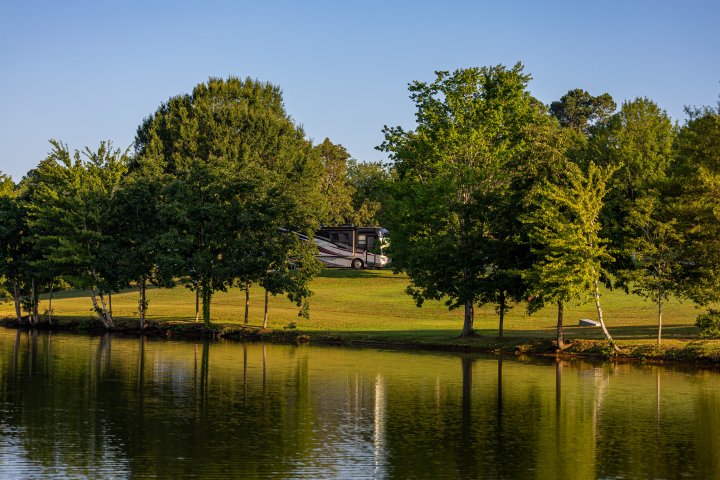
8 of the Best Waterfront Campsites in Tennessee - Read ArticleWe handpicked eight of the best campsites in Tennessee right on the water! Fall asleep to the sounds of the streaming waters or launch your kayak without straying far from camp. Each site can be booked online. -
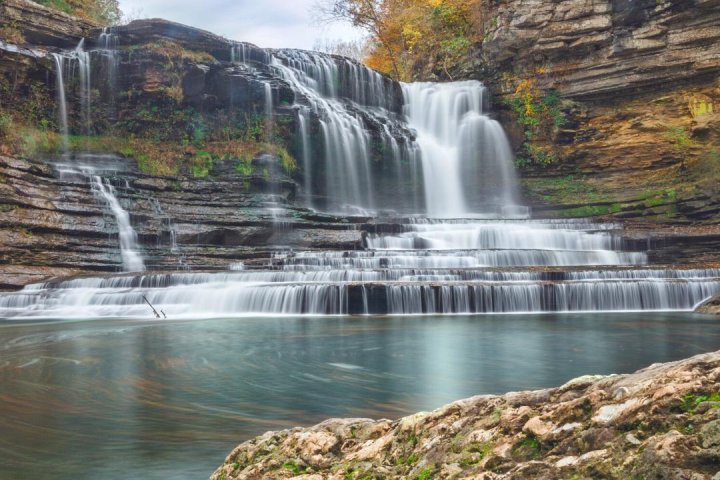
Fall Family Getaways at Tennessee State Parks
Fall Family Getaways at Tennessee State Parks - Read ArticleTo help you plan your fall vacation, we’ve put together a list of family-friendly getaways. Each experience offers a variety of crowd-pleasing activities and overnight accommodations that fit the needs of families. -

Come On In… the Water’s Great!
Come On In… the Water’s Great! - Read ArticleExplore Tennessee State Parks’ best swim beaches, with sandy shores, cool water, and summer fun. -
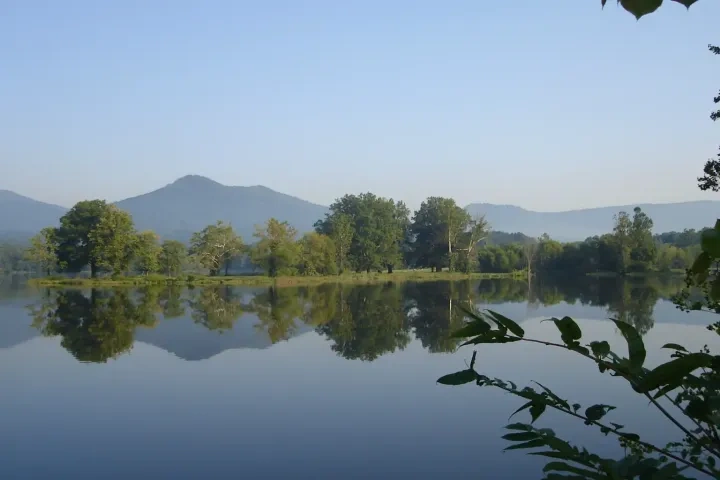
End-of-Summer Bucket List: 4 Must-Do Outdoor Activities
End-of-Summer Bucket List: 4 Must-Do Outdoor Activities - Read ArticleAs summer begins to wind down, August offers the perfect opportunity to tick off those remaining items on your summer bucket list.