
Paris Landing Highlights
Where History Meets Lakeside Beauty
Nestled on the shores of Kentucky Lake, Paris Landing State Park offers a blend of natural beauty and historical significance. From its origins as a bustling river port to its present-day status as a recreational haven, the park provides a diverse range of experiences for every visitor. Whether you're seeking a relaxing lakeside getaway, a challenging round of golf, or a glimpse into Tennessee's past, Paris Landing has something to offer. Discover the rich history and natural wonders that make this park a must-visit destination.
Discover Paris Landing State Park
Paris Landing State Park, established in 1945, carries a name steeped in river history. The park owes its moniker to an old steamboat and freight landing that once thrived on the Tennessee River. In the 1800s, Paris Landing was a vital hub for the delivery of goods and a crucial shipping point for agricultural products and other commodities. Before becoming a state park, the land consisted of private residences and farmland. Today, Paris Landing State Park stands as a testament to the area's rich past, inviting visitors to explore its natural beauty and learn about its historical significance.
History
Paris Landing State Park's story extends beyond its name, weaving together elements of commerce, recreation, and natural beauty.
Established in 1945, the park was created to provide public access to the scenic shores of Kentucky Lake (formerly the Tennessee River). The creation of Kentucky Lake by the Tennessee Valley Authority (TVA) in the 1940s reshaped the landscape and created new opportunities for recreation and tourism in the region. Recognizing this potential, the state of Tennessee developed Paris Landing State Park to offer boating, fishing, and other water-based activities, capitalizing on the newly formed lake's allure.
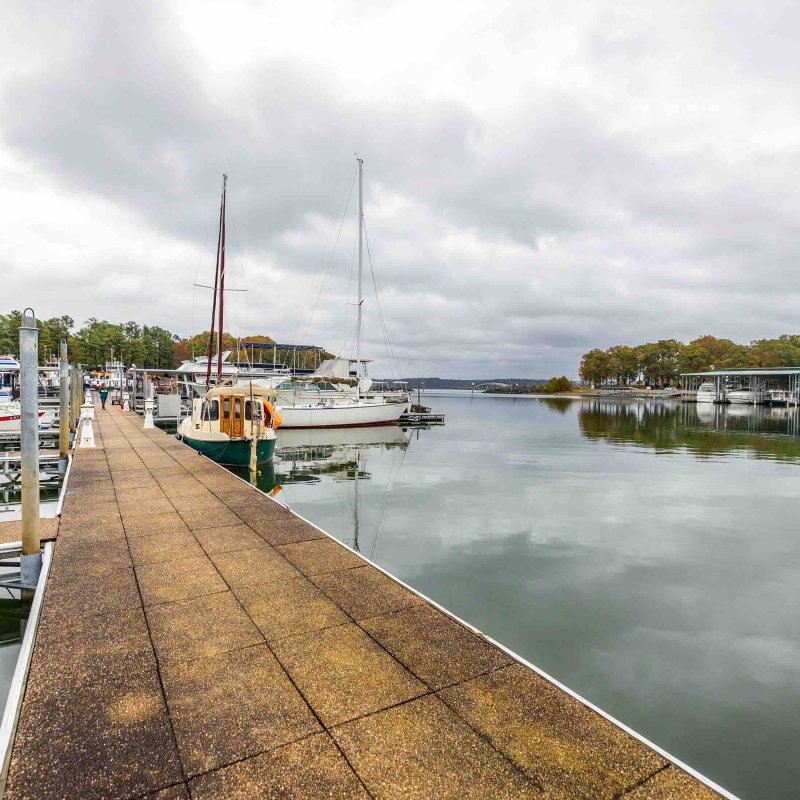
The park's history is also intertwined with transportation across the Tennessee River. Today, a section of the Scott Fitzhugh Bridge, built in 1930 and replaced in 1993, now stands as a historical landmark within the marina. The park honors this legacy by providing access to the water that offers a glimpse of the structure. The park quickly became a popular destination, drawing visitors from across the state and beyond, solidifying its role as a recreational haven and a tribute to the area's transformed landscape.
From the Rangers
-
The Perfect Day
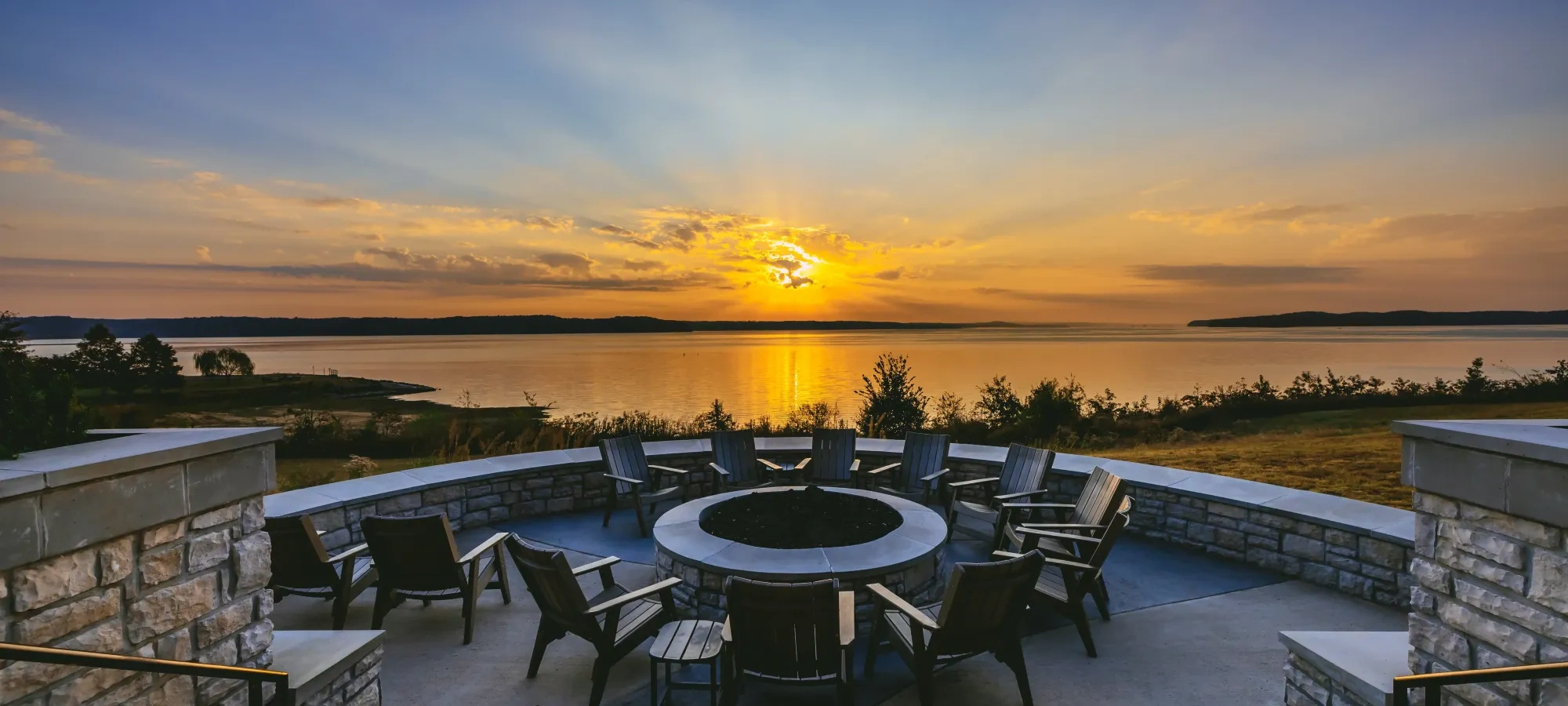
A perfect day at Paris Landing State Park might begin with a morning of fishing on Kentucky Lake, followed by a round of golf at the park's 18-hole course. After working up an appetite, enjoy a delicious meal at the Lodge's restaurant, taking in the scenic views. In the afternoon, explore the park's hiking trails or visit the Nature Center to learn about the local flora and fauna. End the day by watching the sunset from the point just east of the Lodge in the picnic area — a truly unforgettable experience.
-
Insider Information
For a unique perspective, catch the sunrise or moonrise from a point just east of the Lodge in the picnic area. Camp Hazlewood, managed by the park, offers approximately four miles of trails with limestone and sandstone formations, providing a lesser-known area to explore. Visitors seeking a quieter experience should consider visiting on weekdays during the summer, as holidays tend to be the most crowded times.
-
Know Before You Go
Campers should use the north entrance to access the park. The park offers Wi-Fi at the Marina, Lodge, and Pro Shop. Also, be aware that swimming is not allowed in the embayment due to vegetation growth and fishing activities.


Land and Water
-
Trails
The park offers three identified trails in the main area of the park: Raptor Ridge (moderate difficulty), Wetland Loop (easy), and the All-Access Trail (easy). There is also a trail at Camp Hazlewood (moderate difficulty).
-
Scenic Viewpoints
Scenic viewpoints can be found along the shoreline in the picnic area, behind the Lodge, near Cabins 1 through 5, and at the mouth of the Marina Harbor. From the back of the Lodge, the picnic area, and Cabins 1 through 5, visitors can enjoy sweeping views stretching southward across Kentucky Lake. Meanwhile, the mouth of the Marina Harbor offers stunning northern vistas of Kentucky Lake and the western shoreline of Land Between the Lakes.
-
Water Features
Kentucky Lake offers a wealth of water-based activities. Visitors can enjoy swimming at the designated swimming beach or take advantage of the full-service Marina with its three-lane boat ramp for fishing and boating adventures. The lake is also a popular spot for birdwatching and wildlife viewing, particularly in the small embayment on the north side of the picnic area.


Plants
Paris Landing State Park is home to a diverse array of plant life.
Speak with the Park Rangers and those who spend their days in the park to learn about unique species and where to find them. The park's ecosystems range from wetlands and prairies to hardwood forests.
Plant Types
- Black-Eyed Susan
- Bluestem
- Bald Cypress
- Black Walnut
- Dogwood (Flowering Dogwood)
- Hackberry
- Hickory
- Sassafras
- Pines
- Sweetgum
- Eastern Red Cedar
- Red Oak
- River Birch
- White Oak
- WIllows
- Yellow Poplars
- Purple Cone Flower
- Pecan
- White Cedar
- Plume Grasses
- Native Wildflowers
- Eastern Redbud

Birds
At Paris Landing, woodland birding is generally good, but the highlights are waterfowl and bald eagles.
In late fall through spring, waterfowl are abundant. Over 220 species of birds have been recorded for the park.
Bird Species
- American Coot
- American White Pelican
- Bald Eagle
- Blue-gray Gnatcatcher
- Common Loon
- Double-crested Cormorant
- Eastern Phoebe
- Egrets
- Eared Grebe
- Hawk spp.
- Herons
- Horned Grebe
- Indigo Bunting
- Orchard Oriole
- Pied-billed Grebe
- Red-eyed Vireo
- Ring-billed Gull
- Sandhill Crane
- Scarlet Tanager
- Shorebirds
- Short-eared Owl
- Sparrows
- Summer Tanager
- Terns
- Thrushes
- Warbler spp.
- Waterfowl
- White-eyed Vireo
- Woodpecker spp.
- Herring Gull
- Migrating Warblers
- Eastern Turkeys

Animals
Wildlife enthusiasts will find plenty to observe, with opportunities to spot various bird species, bats, insects, frogs, foxes, beavers, otters, and coyotes.
Animal Species
- Insects
- Frogs
- Toads
- Common Snapping Turtle
- Snakes
- Bats
- Squirrels
- Raccoon
- Opossums
- Stripped Skunk
- Red Fox
- Gray Fox
- Beavers
- Coyote
- White-tailed Deer
- River Otter
- Fowler's Toad
- American Bullfrog
- Fox Squirrel
Inspiration
-
10 of the Best Destinations for Fall Break in Tennessee
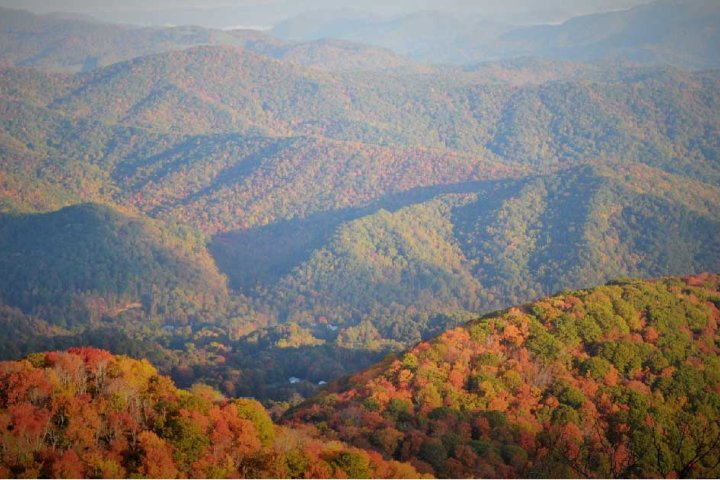
10 of the Best Destinations for Fall Break in Tennessee - Read ArticleTennessee State Parks offer the perfect setting for a memorable fall break vacation. To help you plan, we've compiled ten parks with cabins and campsites perfect for your family vacation or break with friends. -

5 Reasons You Will Love Camping Cabins
5 Reasons You Will Love Camping Cabins - Read ArticleLooking for a hassle-free and affordable vacation? Here are 5 reasons why a camping cabin is the perfect choice! -

Lakefront Luxury: A Family Getaway at the Lodge at Paris Landing
Lakefront Luxury: A Family Getaway at the Lodge at Paris Landing - Read ArticleJoin us as we follow Kari and her family on their unforgettable adventure to the Lodge at Paris Landing! From hiking scenic trails with breathtaking lake views to enjoying amenities at the lodge, this blog will take you through their family getaway to help you plan your own. -

Delicious Tennessee Adventures: 7 Tennessee State Parks with On-Site Restaurants
Delicious Tennessee Adventures: 7 Tennessee State Parks with On-Site Restaurants - Read ArticleExplore seven Tennessee State Parks with on-site restaurants. Hike, swim, or golf by day, then enjoy satisfying meals and scenic views when it’s time to refuel.


