Pickwick Landing Highlights
Notification Alert
Dog Park Closed Due to Storm Damage
Due to damage from Winter Storm Fern, the dog park at Pickwick Landing will be closed until further notice.
We appreciate your patience and understanding while we work to make the necessary repairs. If you have any questions, please contact the park office.
A Paradise on Pickwick Lake
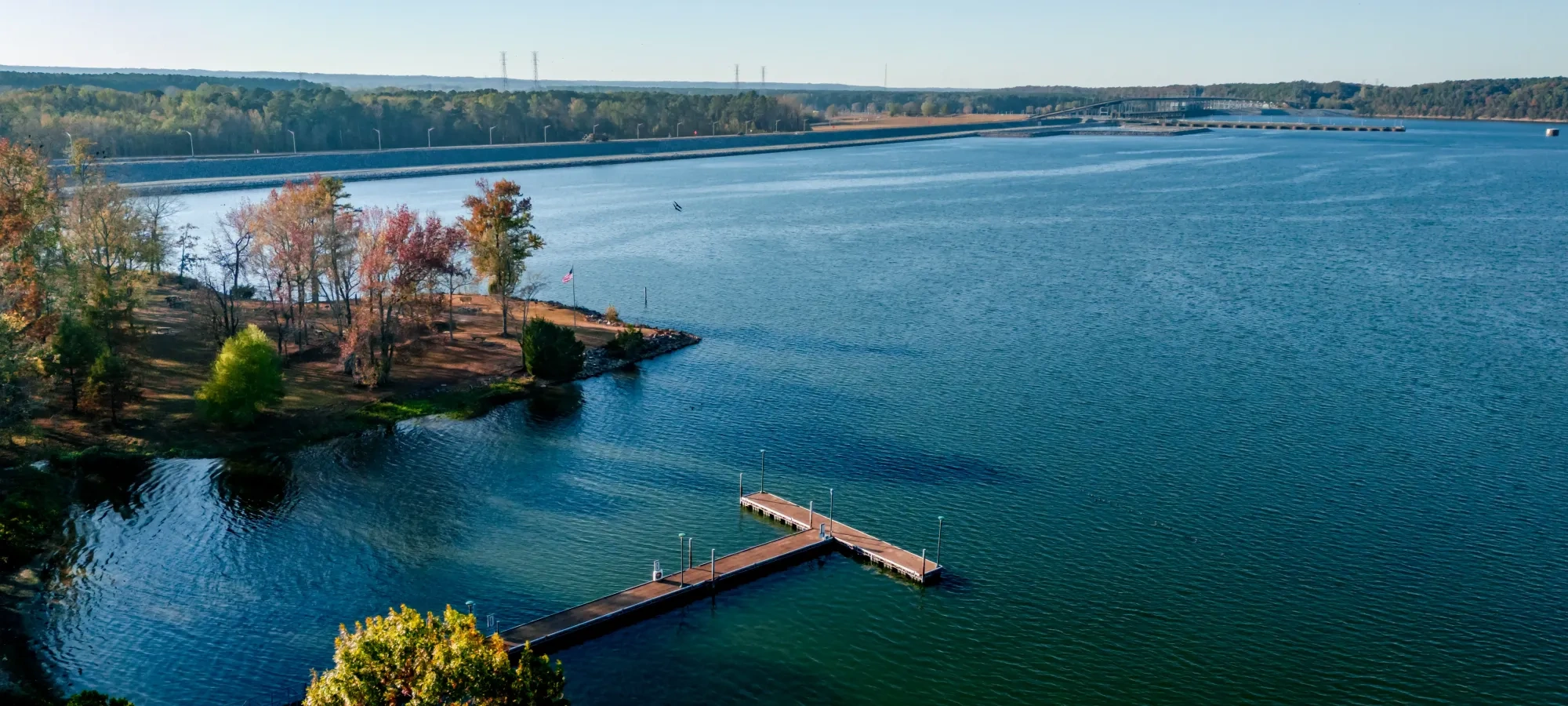
Located along the shores of Pickwick Lake in southwestern Tennessee, Pickwick Landing State Park is a 1,416 acre recreational paradise with a rich history dating back to the New Deal era. Originally developed by the Tennessee Valley Authority (TVA) in the 1930s, this stunning park offers visitors an array of outdoor activities from world-class fishing to scenic hiking trails. Whether you're seeking adventure on the water, a peaceful nature retreat, or a glimpse into Tennessee's past, Pickwick Landing State Park has something special in store for every visitor. Come visit in any season!
Discover Pickwick Landing State Park
Pickwick Landing State Park, a Tennessee treasure on the shores of Pickwick Lake, offers a unique blend of history and recreation that is deeply intertwined with the Tennessee Valley Authority and the New Deal era. Pickwick Village once housed dam construction workers, and a Civilian Conservation Corps camp, Company 3459, built lasting infrastructure. Established in 1972 after a period as a private resort, the park now invites visitors to fish in the legendary Bill Dance Signature Lake, boat and kayak along its waters, explore CCC structures and historical markers, hike scenic trails like the Island Loop, and birdwatch in prime spots like the Lake Trail and the Bruton Branch Recreation Area. Pickwick Landing offers a diverse experience, where adventure, history, and natural beauty converge to create unforgettable memories.
History
Pickwick Landing State Park isn't just a park; it's a living testament to the spirit of innovation and community.
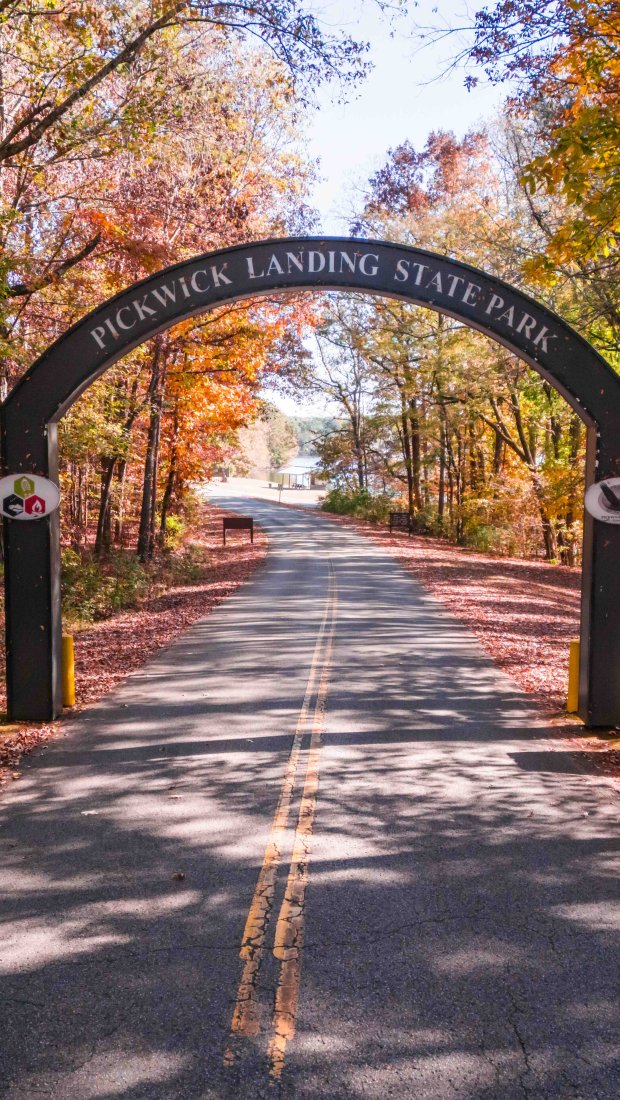
The story of Pickwick Landing State Park is deeply intertwined with the Tennessee Valley Authority (TVA) and President Franklin D. Roosevelt's New Deal programs. Before the 1930s, the area was primarily agricultural, home to a small community that would eventually lend its name to the park. With the advent of the New Deal, the landscape transformed dramatically. TVA established Pickwick Village to house workers and their families during the construction of the Pickwick Dam, a massive project aimed at controlling flooding, generating electricity, and improving navigation on the Tennessee River.
The Civilian Conservation Corps (CCC), another key New Deal initiative, also played a vital role in shaping the area. CCC Company 3459 established a camp nearby and constructed numerous park facilities, many of which are still in use today. These African American CCC enrollees left an indelible mark on the landscape, building picnic shelters, a rock building (formerly a restroom), a roadway bridge on Marina Road, a rock staircase, water fountains, and other structures. Their craftsmanship and dedication are a testament to the spirit of the era.
After the dam's completion, TVA continued to manage the land. From 1949 to 1968, the area was leased and operated as a private resort known as Pickwick Resort. In 1972, the area officially became Pickwick Landing State Park, opening to the public as a recreational haven.
Today, visitors can explore the park's rich history by visiting the CCC Company 3459 memorial near Shelter 6, embarking on the Pickwick (History) Wagon Tour, and discovering the CCC ruins wayside on the Island Loop Trail. Future plans include a Rockhouse Museum and History Trail, as well as interpretive displays in the Park Visitor Center.
The park's name itself is a nod to its past. The dam was named after the Post Office at the river landing. The area's first postmaster, Richardson K. Baird, was fond of the author Charles Dickens and named his office for a collection of stories by Dickens called "The Pickwick Papers."
From the Rangers
-
The Perfect Day
Start your perfect day at Pickwick Landing State Park with a morning hike on the Island Loop Trail, taking in the scenic lake views and historic CCC ruins. Next, visit the Reptile Room to learn about the park's diverse wildlife. Spend the afternoon enjoying water activities by renting a kayak from the Marina and cap off your day with a delicious meal at the park's restaurant while watching the sunset over the dam.
-
Insider Information
For those seeking hidden gems, explore the lesser-known Storybook Trail or discover the Lake & Back Trail. The view from Shelter 5 offers one of the park's best vantage points, while the back side of the Island Loop Trail provides peaceful overlooks away from the crowds. Keep your eyes peeled for eagles and ospreys soaring overhead, and visit from November through February for a more serene experience with fewer visitors.
-
Know Before You Go
When visiting Pickwick Landing State Park, be aware that cell service may be spotty in some areas, particularly around the Marina, for Verizon users. Wi-Fi is available at the Lodge, restaurant, cabins, and Marina. For RV access, the best route is via Hardin Dock Road from Highway 57, next to the Exxon station. Remember to practice water safety by swimming only in designated areas, wearing life jackets during water activities, and staying aware of boat traffic and dam operations.


Land and Water
-
Trails
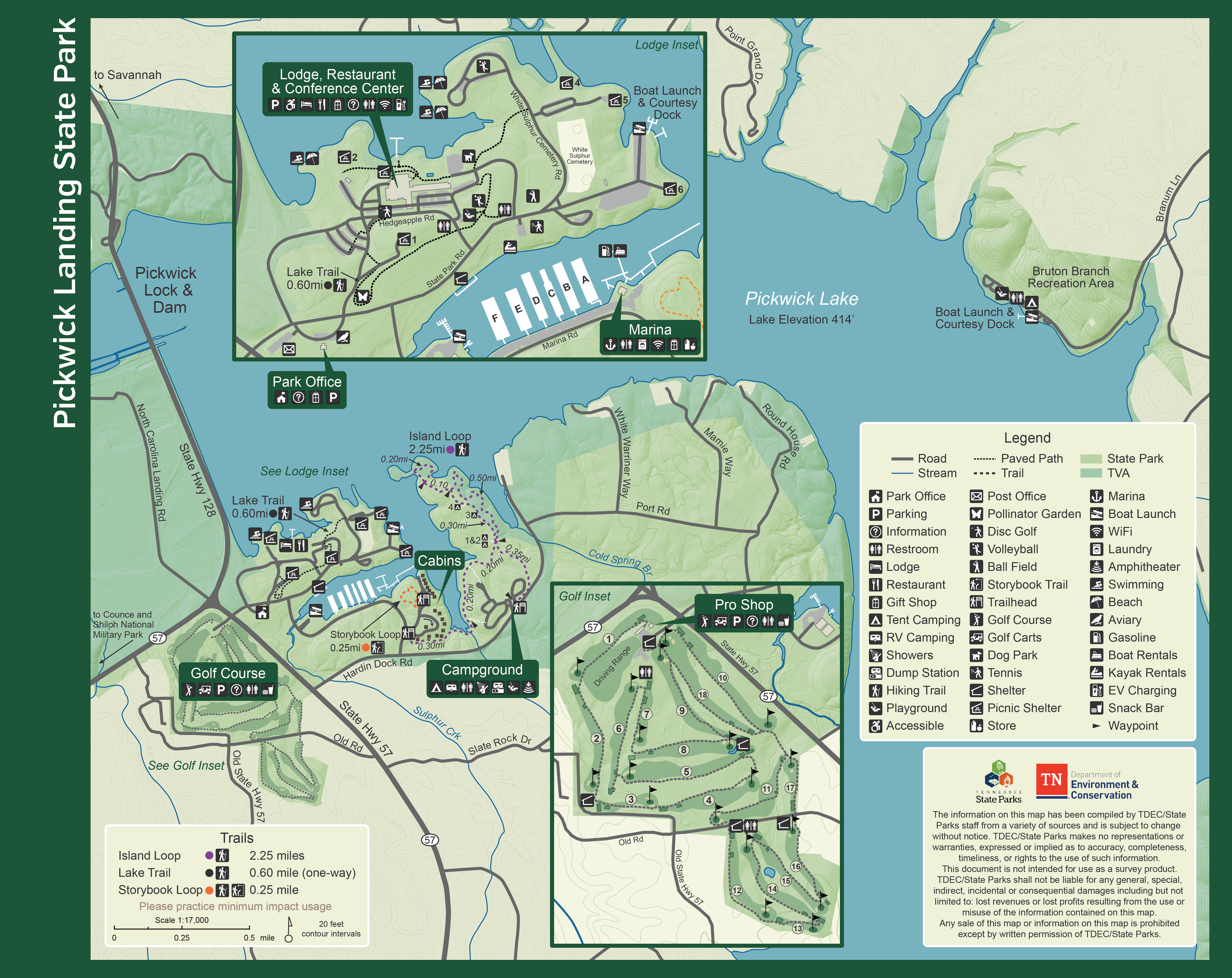
The park offers several scenic hiking opportunities, including the signature Island Loop Trail, which showcases lake views and historic CCC ruins. The Lake Trail is a paved trail winding through the day-use area. The Island Loop Trail provides beautiful spring wildflower viewing opportunities while the Storybook Trail offers an accessible outdoor experience. These well-maintained paths wind through forested areas and along the shoreline, accommodating both casual walkers and nature hikers.
-
Vistas
Visitors can enjoy scenic overlooks of Pickwick Lake from several vantage points. The Island Loop Trail offers multiple lake viewing spots, while Shelter 5 provides one of the park's most impressive panoramic views. The lodge and restaurant also offer stunning views of the lake and dam, particularly during sunset.
-
Water Features
The park's primary water feature is the expansive Pickwick Lake, offering exceptional opportunities for boating, fishing, and water recreation. Three designated swimming beaches provide perfect spots for summer activities and sunbathing. Several creeks meander through the park, including the Cold Springs Branch, White Sulfur Creek, and Slate Rock Creek, offering opportunities for environmental education programs and stream ecology studies. The park's location near Pickwick Dam adds to its unique water landscape, though visitors should always be mindful of dam operations and water safety guidelines.


Plants
Embark on a botanical journey at Pickwick Landing State Park, where you can discover a diverse array of flora that thrives in the Tennessee River watershed.
Although it is not a native plant, the presence of daffodils throughout the park is an annual reminder of the park's unique history.
Learn more by joining a Park Ranger on an insightful tour and learn about the unique adaptations of the plants found in our local environment.
Plant Types
- Daffodil (Cultivated)
- Mayapple
- Spring Ephemerals
- Bald Cypress
- Eastern Red Cedar
- Shagbark Hickory
- High Bush Blueberry
- Smooth Alder
- American Sycamore
- Strawberry Bush
- Cardinal Flower
- Blue Mistflower
- White Snakeroot
- False Nettle
- Halberd-leaf Rosemallow

Birds
Pickwick Landing is one of the best state parks in West Tennessee for winter birding.
With a spotting scope, scan the reservoir for grebes, loons, gulls, and ducks. Hundreds to thousands of ring-billed gulls and American coots are a common sight. Common loons, pied-billed and horned grebes are also commonly seen. Over 145 species of birds have been identified in the park.
Bird Species
- American Coot
- American Goldfinch
- American Robin
- Bald Eagle
- Barred Owl
- Brown Thrasher
- Brown-headed Nuthatch
- Bufflehead
- Carolina Chickadee
- Chipping Sparrow
- Common Loon
- Double-crested Cormorant
- Eastern Bluebird
- Eastern Phoebe
- Great Blue Heron
- Hawk spp.
- Horned Grebe
- Mallard
- Northern Cardinal
- Orchard Oriole
- Pied-billed Grebe
- Pine Warbler
- Red-headed Woodpecker
- Red-shouldered Hawk
- Ring-billed Gull
- Ruddy Duck
- Tufted Titmouse
- White-breasted Nuthatch
- Yellow-billed Cuckoo
- Woodpecker spp.

Animals
Discover the captivating wildlife that calls Pickwick Landing State Park home.
From soaring raptors to playful waterfowl, the park offers ample opportunities for wildlife viewing. Engage with a knowledgeable Park Ranger to uncover the secrets of the park’s diverse fauna and learn about their ecological roles.
Animals
- Fish
- Skunks
- Raccoon
- Opossums
- Foxes
- Deer
- Green Anoles
- American Beaver
- Map Turtle
- American Bullfrog
- Eastern Narrow-mouthed Toad
- Pond Slider
- Rainbow Darter
Inspiration
-
10 of the Best Destinations for Fall Break in Tennessee
10 of the Best Destinations for Fall Break in Tennessee - Read ArticleTennessee State Parks offer the perfect setting for a memorable fall break vacation. To help you plan, we've compiled ten parks with cabins and campsites perfect for your family vacation or break with friends. -
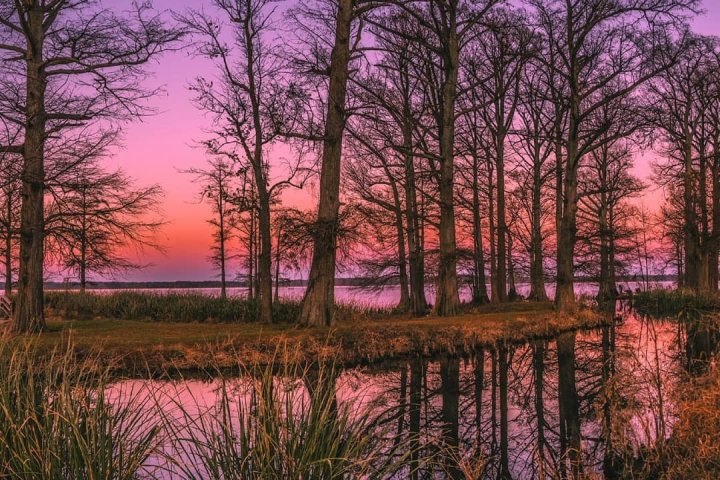
Best Tennessee State Parks to Watch the Sunrise and Sunset
Best Tennessee State Parks to Watch the Sunrise and Sunset - Read ArticleLooking for sunrise or sunset views? Tennessee State Parks deliver stunning scenes across lakes, forests, and gorges. Discover top spots to watch the sun show off. -
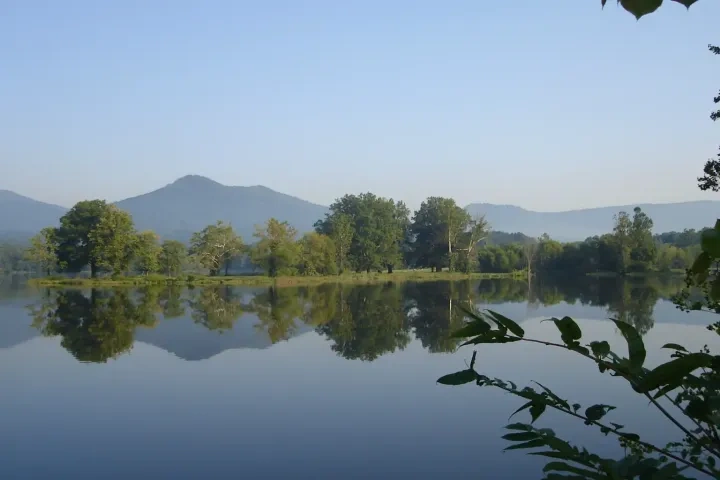
End-of-Summer Bucket List: 4 Must-Do Outdoor Activities
End-of-Summer Bucket List: 4 Must-Do Outdoor Activities - Read ArticleAs summer begins to wind down, August offers the perfect opportunity to tick off those remaining items on your summer bucket list. -
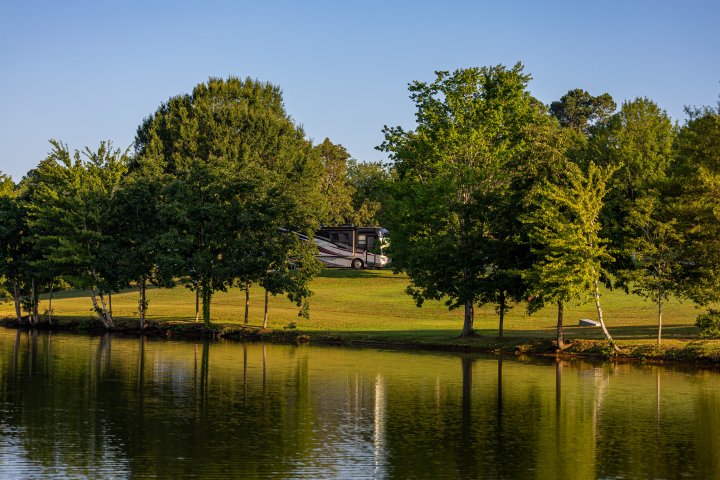
8 of the Best Waterfront Campsites in Tennessee
8 of the Best Waterfront Campsites in Tennessee - Read ArticleWe handpicked eight of the best campsites in Tennessee right on the water! Fall asleep to the sounds of the streaming waters or launch your kayak without straying far from camp. Each site can be booked online.