
Sgt. Alvin C. York Highlights
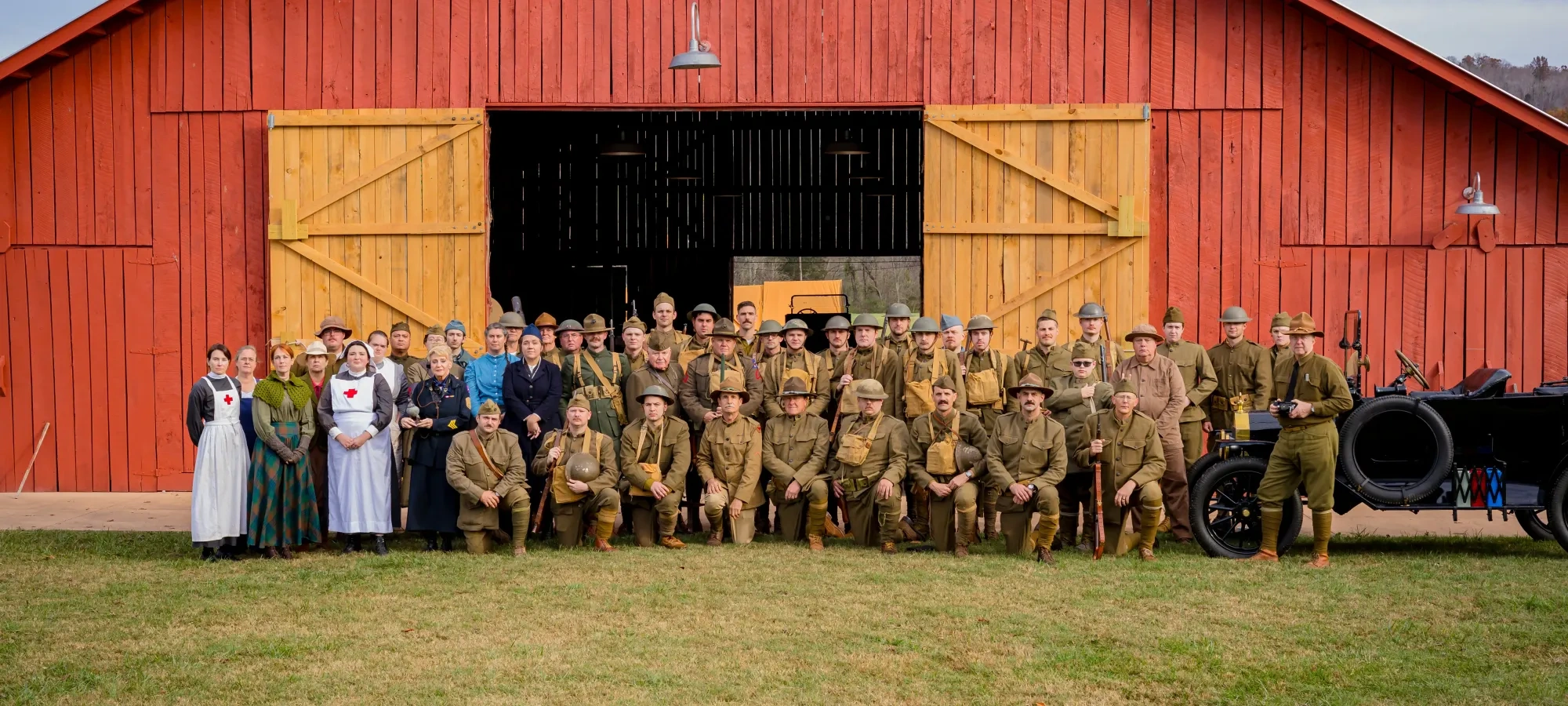
A Hero’s Home
Step back in time and walk in the footsteps of a true American hero at Sgt. Alvin C. York State Historic Park. A preserved piece of history, this is the very land where World War I Medal of Honor recipient Alvin C. York lived and made his mark on the world. Discover the story of a humble Tennessee farmer who became an international icon and learn about the legacy he left behind.
Discover Sgt. Alvin C. York State Park
Sgt. Alvin C. York State Historic Park offers a portal into the life of a man who embodied courage, faith, and service. After his heroic actions in World War I, Alvin C. York returned home a celebrated figure. The Nashville Rotary Club gifted him a farm in 1922 as a token of gratitude for his service. He used his fame not for personal gain, but to improve the lives of the people in his community. He dedicated his life to providing educational opportunities for the children of the isolated and impoverished Wolf River Valley. This park stands as a testament to his commitment, preserving his home, his mill, and the very landscape that shaped him. Walk the grounds, explore the buildings, and feel the spirit of a man who truly made a difference.

History
The story of Sgt. Alvin C. York State Historic Park is interwoven with the life of the man himself.
In 1887, Alvin Cullum York was born in a one-room cabin near Pall Mall, Tennessee. He grew up hunting and farming in the rugged hills of the Wolf River Valley, receiving little formal education. His life took a dramatic turn when he was drafted into the U.S. Army in 1917.
Initially seeking conscientious objector status on religious grounds, York was denied and found himself thrust into the horrors of World War I. During the Meuse-Argonne Offensive in 1918, his unit came under heavy German fire. York, then a corporal, took command and single-handedly attacked a German machine gun nest, killing multiple soldiers and capturing 132 prisoners. His actions earned him the Medal of Honor and international fame, transforming him into an American icon. Upon returning home, York was showered with accolades and gifts, but he chose to use his newfound platform to advocate for education in rural Tennessee.
With the support of the Nashville Rotary Club, he acquired land and established the York Agricultural Institute, providing vocational training and academic instruction to local youth. The first iteration of the park was established in 1967, focusing on the Gristmill area. The rest of the park was incorporated in 1984, following the passing of Ms. Gracie, York's wife.
The York farm and gristmill were added to the U.S. National Register of Historic Places as part of the larger Sergeant York Historic Area in 1973. The York farm was designated a National Historic Landmark on May 11, 1976. Today, the park preserves York's home, gristmill, and other historic structures, offering visitors a glimpse into his life and times. The park also features a replica of the World War I trench where York performed his heroic deeds, allowing visitors to connect with his extraordinary story on a deeper level.
From the Rangers
-
The Perfect Day
Begin your day with a guided tour of the York home, stepping back in time to experience the life of Sgt. Alvin C. York and his family. Afterwards, explore the replica World War I trench, gaining a visceral understanding of the challenges he faced. Conclude your visit with a stop at the York Gristmill, where you can witness the workings of a historic mill and appreciate the natural beauty of the Wolf River.
-
Insider Information
Venture beyond the main attractions and discover the Homestead Loop Trail, accessible from the Visitor Center. This lesser-known path offers a peaceful hike through the serene landscape that York himself once roamed. On weekends, take the driving tour to delve deeper into the history of the area. During the summer, consider a canoe float when offered for a unique perspective of the park's natural beauty.
-
Know Before You Go
When traveling to Sgt. Alvin C. York State Historic Park, consider that Highway 127 from I-40 is recommended for northbound guests coming from Crossville or east of Crossville. Northbound Hwy 111 to Highway 127 is best when coming from Cookeville or west of Cookeville. Large RVs or buses should park in the Reed Creek Road parking lot behind the blacksmith shop. Also, be aware that cell service can be limited, particularly at the shooting match field on Wolf River Loop Road, especially for AT&T users.



Land and Water
-
Trails
Hike Homestead Loop for a peaceful experience that encompasses the York Homestead and features sweeping views of the York Home, the York Gristmill, and the surrounding valley. Explore River Walk Trail for scenic views and Trench Trail for a chillingly accurate World War I replica trench.
-
Mountains and Vistas
While the park itself doesn't have towering peaks, the Yellow Doors overlook, offering a stunning summit view of the Cumberland Mountain Range, can be seen from the park grounds.
-
Caves
The park is home to York Cave, a natural feature of both geological and historical significance. The cave contains human remains as well as Civil War-era saltpeter mines. The cave is also home to the Indiana bat, which is an endangered species. Access to the cave is restricted and requires a permit.
-
Water Features
The Wolf River flows through the park, offering scenic views and wading opportunities below the historic York Gristmill.


Plants
Discover the diverse flora along the Homestead Loop Trail, known for its wildflower viewing opportunities.
Ask a Park Ranger about the unique plant life that thrives in this historic landscape.
Plant Types
- Wildflowers (General)
- Trillium
- Violets
- Dogwood (Flowering Dogwood)
- Pine (Eastern Pine Species)
- Hickory
- White Oak
- Redbud (Eastern Redbud)
Animals
Keep an eye out for deer, wild turkey, and various bird species as you explore the park.
The York Gristmill near the dam, the River Walk Trail, and the Homestead Loop Trail are good spots for viewing wildlife. Ask a Park Ranger about the local fauna and their habitats.

Animal Species
- Red-tailed Hawk
- Peregrine Falcon
- Bald Eagle
- Wild Turkey
- Otters
- Beavers
- Bobcat
- Black Bear
- Deer
- Long-Nosed Gar
- Large Mouth Bass
- Small Mouth Bass
- Brown and Rainbow Trout
Inspiration
-
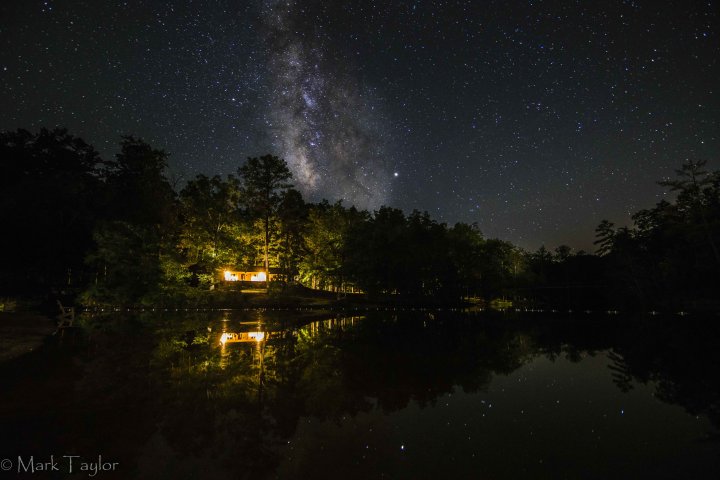
From Glowing Worms to Victorian Villages
From Glowing Worms to Victorian Villages - Read ArticleGlow worms, jaw-dropping sandstone arches, and certified dark skies. There’s a reason we consider Pickett CCC Memorial State Park the hidden gem of the Cumberland Plateau. Find out what to do and where to stay during you visit. -
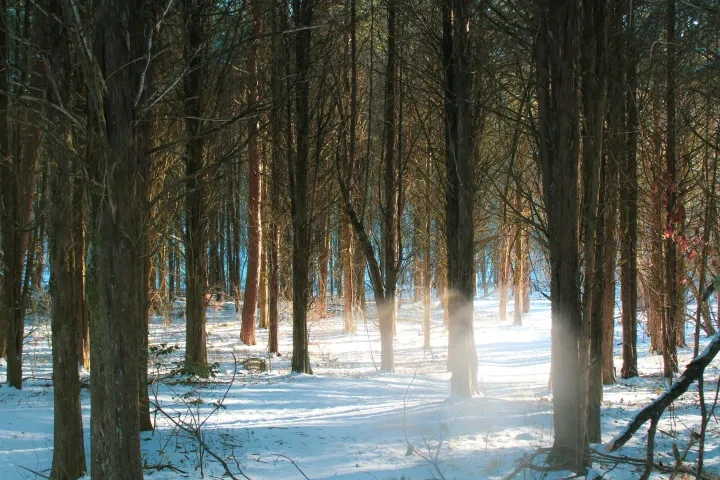
Escape to a Winter Wonderland at These 3 State Parks
Escape to a Winter Wonderland at These 3 State Parks - Read ArticleWake up to a fresh blanket of snow, explore frosty forests, and find cozy bakeries along the way. Here are three Tennessee state parks to visit this winter if you're searching for a cabin getaway in wonderland. -
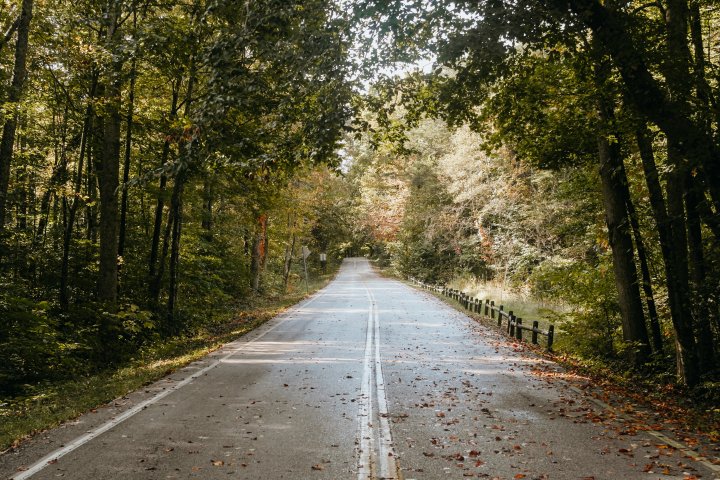
Tennessee State Park Road Trips
Tennessee State Park Road Trips - Read ArticleRoad Trips are great because they’re flexible. We pre-planned five road trips packed with Tennessee State Parks, incredible outdoor adventures, history, and overnight stays. -
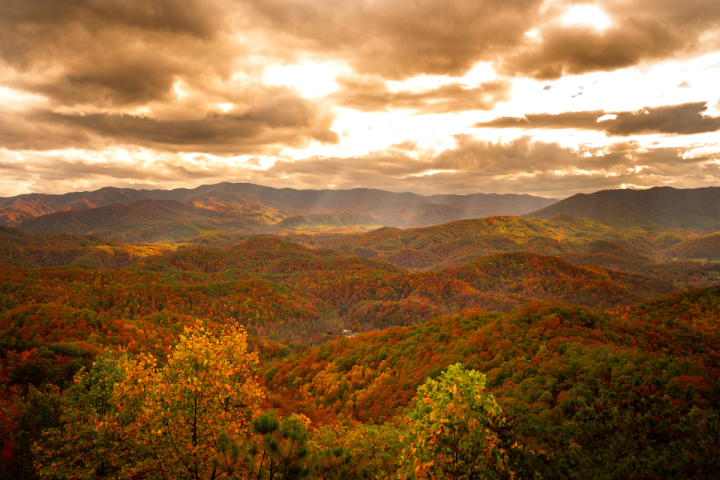
Unique Ways to Experience Fall Foliage in Tennessee
Unique Ways to Experience Fall Foliage in Tennessee - Read ArticleAs leaves change color and crisp air settles in, it's the perfect time to explore Tennessee's natural beauty. With over 60 state parks, you'll find countless opportunities to witness autumn's vibrant hues. Here are some unique suggestions for viewing fall foliage—including what to do and where to visit.


