
Big Ridge Highlights
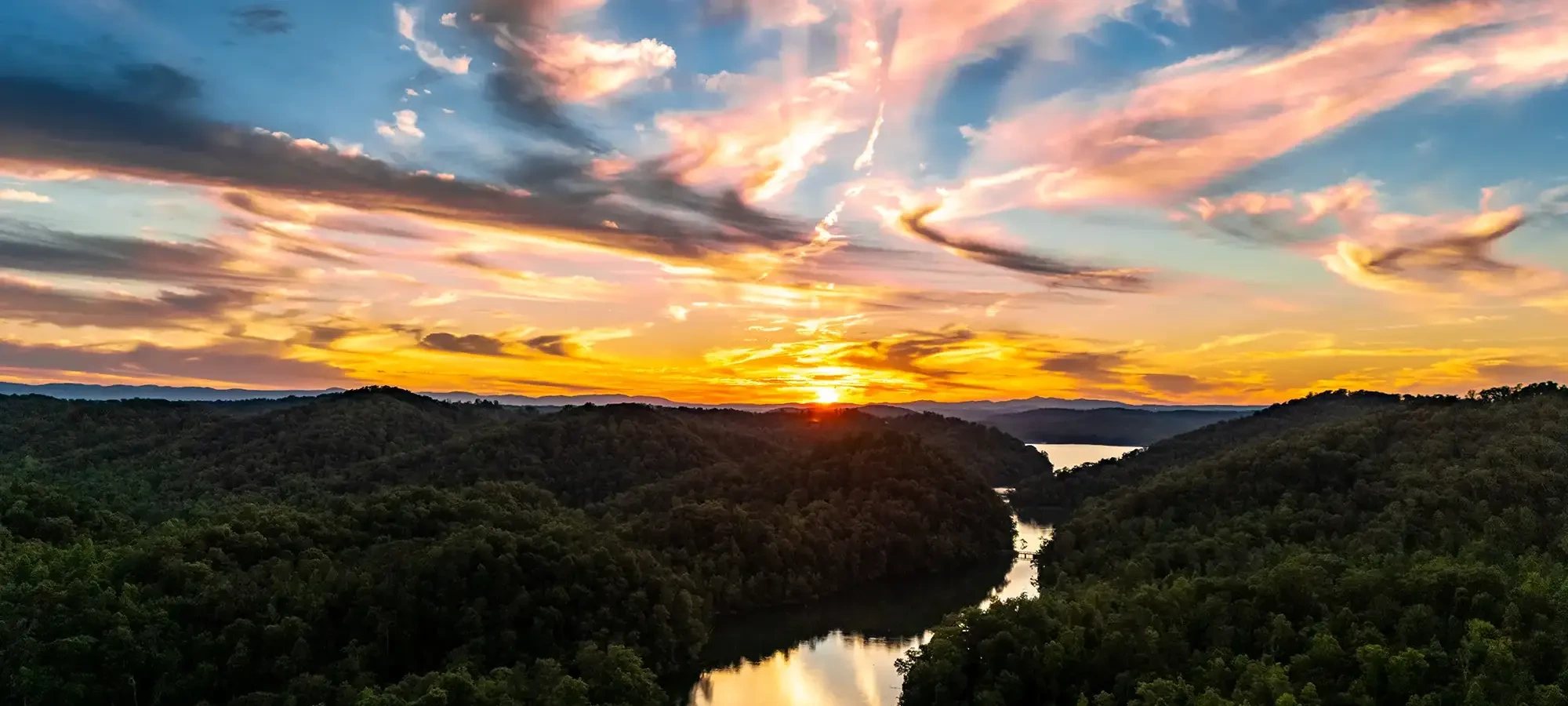
A Ridge Above the Rest
In the foothills of the Appalachian Mountains lies Big Ridge State Park. Big Ridge offers a captivating blend of history, natural beauty, and outdoor adventure. Established in 1949, this park beckons visitors to explore its scenic trails, tranquil lake, and echoes of a bygone era. Intrigued? Discover the stories etched into the very landscape of Big Ridge.
Discover Big Ridge State Park
Big Ridge State Park's story is one of transformation. Before becoming a state park, the land was a patchwork of farmland and homesteads, a testament to the hardy families who carved a life from the rugged terrain. The Tennessee Valley Authority (TVA) played a pivotal role, acquiring the land and eventually leading to the park's creation in 1949.
Today, Big Ridge stands as a haven for recreation and a reminder of the area's rich heritage, inviting visitors to connect with nature and step back in time. For more than four decades, the park has hosted an annual bluegrass festival on the third Friday of August. Its 3,687 acres provide ample space for hiking, fishing, swimming, and simply soaking in the beauty of East Tennessee.
History
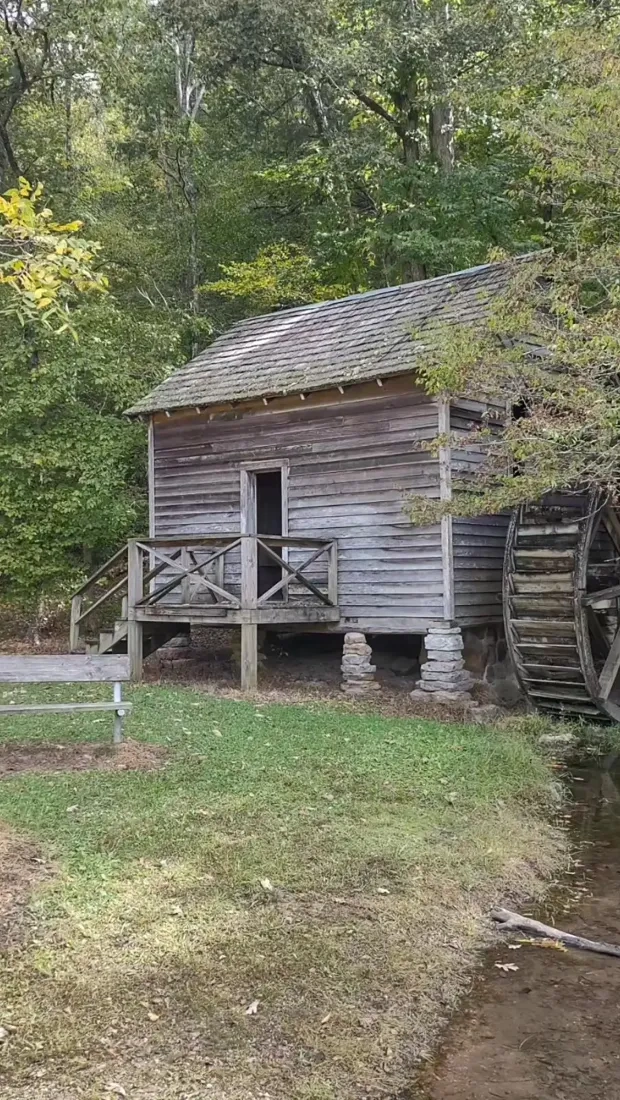
Big Ridge State Park's history is intertwined with the stories of the Civilian Conservation Corps (CCC) and the TVA.
Established in 1949, the park's land was previously farmland and homesteads before being acquired by the TVA. The park's name originates from the numerous ridges covering the land.
The CCC played a vital role in developing the park's infrastructure, constructing iconic structures like the Old Office (gatehouse) and the Swim Beach House, both of which stand as testaments to their craftsmanship. These structures, located near the front entrance, offer a glimpse into the park's early days and the era of the Great Depression.
Big Ridge State Park also holds a place in the history of desegregation. Records indicate that a sit-in occurred at the park, contributing to the eventual desegregation of Tennessee's state parks.
Today, Big Ridge State Park continues to evolve, with ongoing preservation efforts aimed at maintaining its historical features. Grants, donations, and capital projects support the upkeep of the CCC-era structures, ensuring that future generations can appreciate their significance. The park is also home to four cemeteries, offering a glimpse into the lives of those who once called this land home.
From the Rangers
-
The Perfect Day
Start your day with a hike on the Lake Trail and Ghost House Trail, immersing yourself in the park's natural beauty and perhaps encountering some of its resident wildlife. Cool off with a refreshing swim at the free swim beach, followed by a relaxing afternoon of fishing or kayaking on Big Ridge Lake. As the sun begins to set, find a spot along the lake to witness the sky ablaze with color, creating a memorable end to your perfect day.
-
Insider Information
Venture off the beaten path and discover the hidden gems of Big Ridge. The Ghost House Trail offers a unique and slightly spooky experience, while the Fishermen Trail leads to a secluded spot perfect for fishing. For a quick and easy hike, explore the Chestnut Ridge Trail, located near the cabins, and offering a glimpse into the park's diverse environment.
-
Know Before You Go
When traveling to Big Ridge State Park, be aware that GPS may direct you onto back country roads with narrow hairpin curves. For RVs and those with horse trailers, the best route is to take Exit 122 off Interstate 75N, which places you on Highway 61 West. Stay on Highway 61 West for approximately 12 miles, and the park entrance will be on the left. Also, be aware that cell service within the park is limited, with T-Mobile having no service at all.


Trails
Big Ridge State Park boasts a variety of trails, each offering a unique experience. The Lake Trail and Ghost House Trail are popular choices, while the Chestnut Ridge Trail provides a shorter, easier hike.
-
Mountains and Vistas
While not towering peaks, Big Ridge offers scenic views from the foothills of the Appalachian Mountains. Loyston Pointe offers views of the widest part of the Loyston Sea on Norris Lake.
-
Lakes
Big Ridge Lake, spanning 45 acres, is the focal point of the park. Visitors can enjoy swimming, fishing, and boating on its tranquil waters. The sandy beach next to Big Ridge Lake provides swimming enjoyment and offers an enclosed, concrete-bottomed area for children. The park also has access to Norris Lake.


Plants
Big Ridge State Park is home to a diverse array of flora.
The flora changes throughout the seasons, with wildflowers blooming in the spring and colorful foliage in the fall. Talk to a Park Ranger to learn more about the unique plants that call Big Ridge home.

Plant Types
- Ground Seeder
- Pink Lady Slippers
- Spring Flowers
- Trillium
- Trout Lillies
Birds
The trails are good places to see migratory birds in the spring and fall.
Common loons sometimes visit during the winter and can be seen on Norris Lake. Over 110 species of birds have been observed here throughout the year but the autumn months are the best.

Bird Species
- Carolina Wren
- Common Loon
- Eastern Towhee
- Goldfinch
- Gull
- Red-shouldered Hawk
- Woodpecker
- American Woodcock
- Bald Eagle
- Belted Kingfisher
- Blue Jay
- Canada Goose
- Carolina Chickadee
- Dark-eyed Junco
- Eastern Bluebird
- Golden-crowned Kinglet
- Great Blue Heron
- Great Horned Owl
- Hermit Thrush
- Northern Cardinal
- Northern Flicker
- Osprey
- Red-tailed Hawk
- Tufted Titmouse
- Warbler (Generic)
- Wood Duck
Animals
Wildlife abounds at Big Ridge.
Keep an eye out for creatures as you explore the park's trails and wooded areas. Consult with a Park Ranger to discover the best spots for wildlife viewing and to learn about the park's efforts to protect these animal inhabitants.

Animal Species
- Birds
- Deer
- Fish
- Otters
- Squirrels
- Raccoon
Inspiration
-
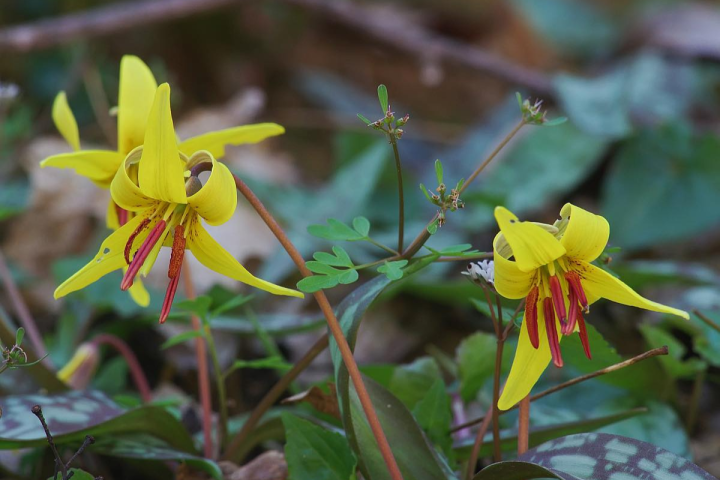
Spring Wildflower Scavenger Hunt
Spring Wildflower Scavenger Hunt - Read ArticleSpring blooms brighten our hiking trails and support pollinators and wildlife. Explore 14 wildflowers and the Tennessee state parks where you can find them. -
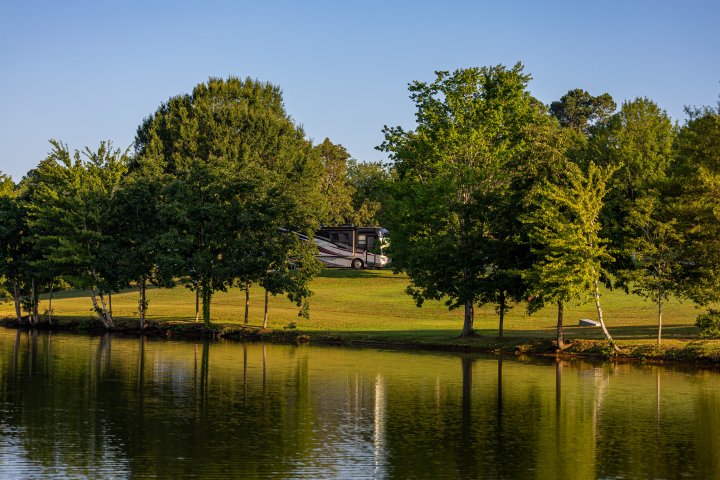
8 of the Best Waterfront Campsites in Tennessee
8 of the Best Waterfront Campsites in Tennessee - Read ArticleWe handpicked eight of the best campsites in Tennessee right on the water! Fall asleep to the sounds of the streaming waters or launch your kayak without straying far from camp. Each site can be booked online. -
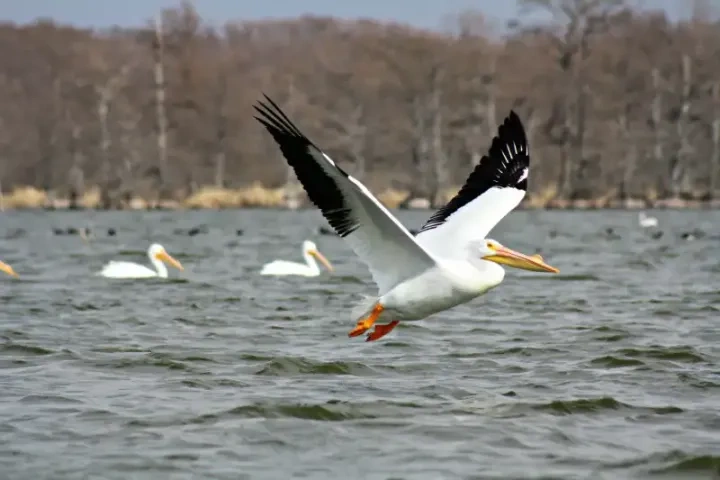
“A Wonderful Bird is the Pelican…”
“A Wonderful Bird is the Pelican…” - Read ArticleWe often associate pelicans with sea spray, waves and warm beaches, yet one of America’s largest and most majestic birds breeds in the American Heartland and can be seen during its winter migration on inland freshwater and coastal bays and estuaries throughout our continent. -
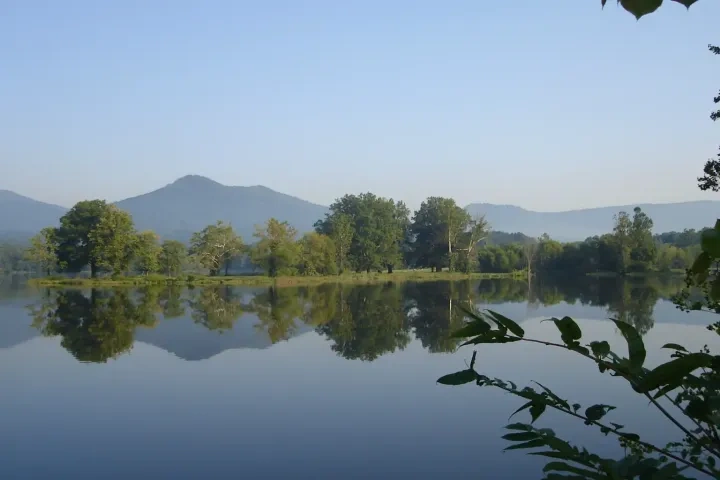
End-of-Summer Bucket List: 4 Must-Do Outdoor Activities
End-of-Summer Bucket List: 4 Must-Do Outdoor Activities - Read ArticleAs summer begins to wind down, August offers the perfect opportunity to tick off those remaining items on your summer bucket list.

