Chickasaw Highlights
A Legacy Forged in the Depression Era
Located in the heart of West Tennessee, Chickasaw State Park whispers tales of resilience and recreation. Born from the hardships of the Great Depression, this park offers a serene escape with its shimmering lakes, rolling forests, and historic structures. Discover the story of how this land transformed from farmland to a beloved state park and learn about the unique features that make it a must-visit destination.
Discover Chickasaw State Park
Chickasaw State Park offers a unique blend of outdoor adventure and historical significance.
Originally farmland, the land was purchased by the United States government during the Great Depression. The Civilian Conservation Corps (CCC) and the Works Progress Administration (WPA) then transformed the area into a recreational haven, constructing cabins, trails, and lakes that still delight visitors today.
Today, Chickasaw State Park stands as a testament to the power of human ingenuity and the enduring appeal of nature. The park invites you to experience the beauty of West Tennessee, explore its rich history, and create lasting memories in its tranquil surroundings.
History
Chickasaw State Park's history is deeply intertwined with the New Deal era.
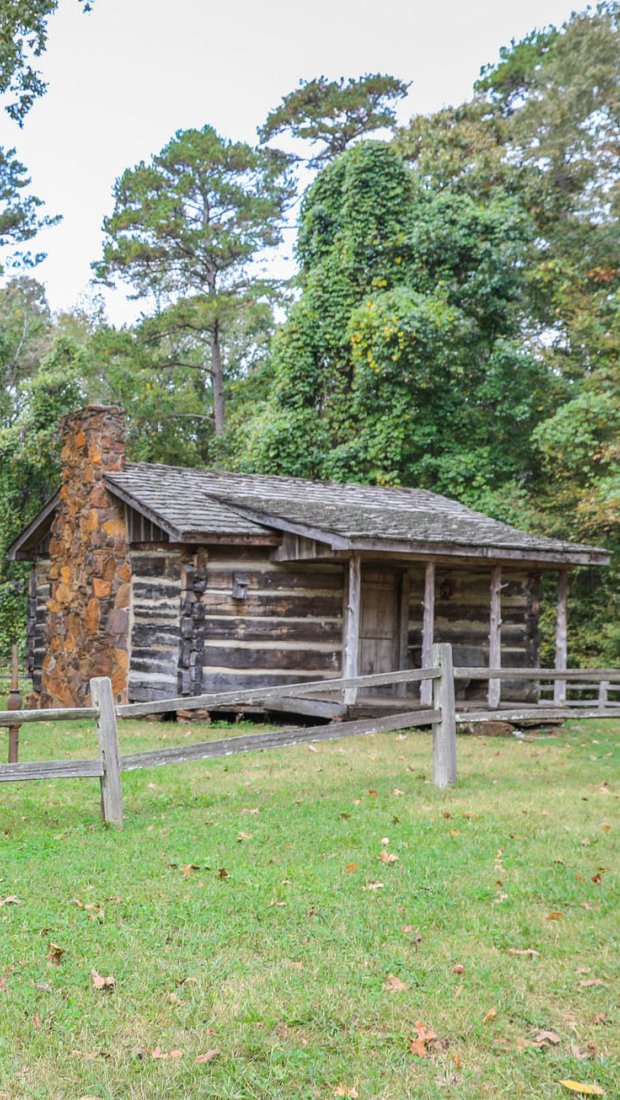
Established in 1937 and officially becoming a state park in 1955, its origins lie in the efforts of the CCC and the WPA to provide employment and create recreational opportunities during the Great Depression. The park's historic structures, including Brewer Cabin, Sagamore Lodge, and eight CCC/WPA cabins, stand as tangible reminders of this period. These structures, located within a quarter mile of the park office, tell the story of the park's creation and the labor of the men who built it. The glass for the Sagamore Lodge was even made to look period accurate.
The park's name pays homage to the Chickasaw tribe, who historically inhabited West Tennessee. Today, Chickasaw State Park preserves this legacy, offering visitors a chance to connect with both the natural and cultural heritage of the region. The park also has eight cemeteries within the state forest.
From the Rangers
-
The Perfect Day
Start your day with a kayak trip on Lake Placid, followed by a walk along the Lakeshore Trail, crossing the iconic footbridge. In the afternoon, explore the trails around Lake Lajoie, the park's longest and often least crowded option. End your day with a picnic by the lake, enjoying the sunset over the water.
-
Insider Information
While the Lakeshore Trail and Lake Placid draw many visitors, the trail around Lake Lajoie offers a more secluded experience. This longer trail provides a chance to immerse yourself in the park's natural beauty away from the crowds. If you're looking for a quieter experience, weekdays and early mornings are great times to visit.


Know Before You Go
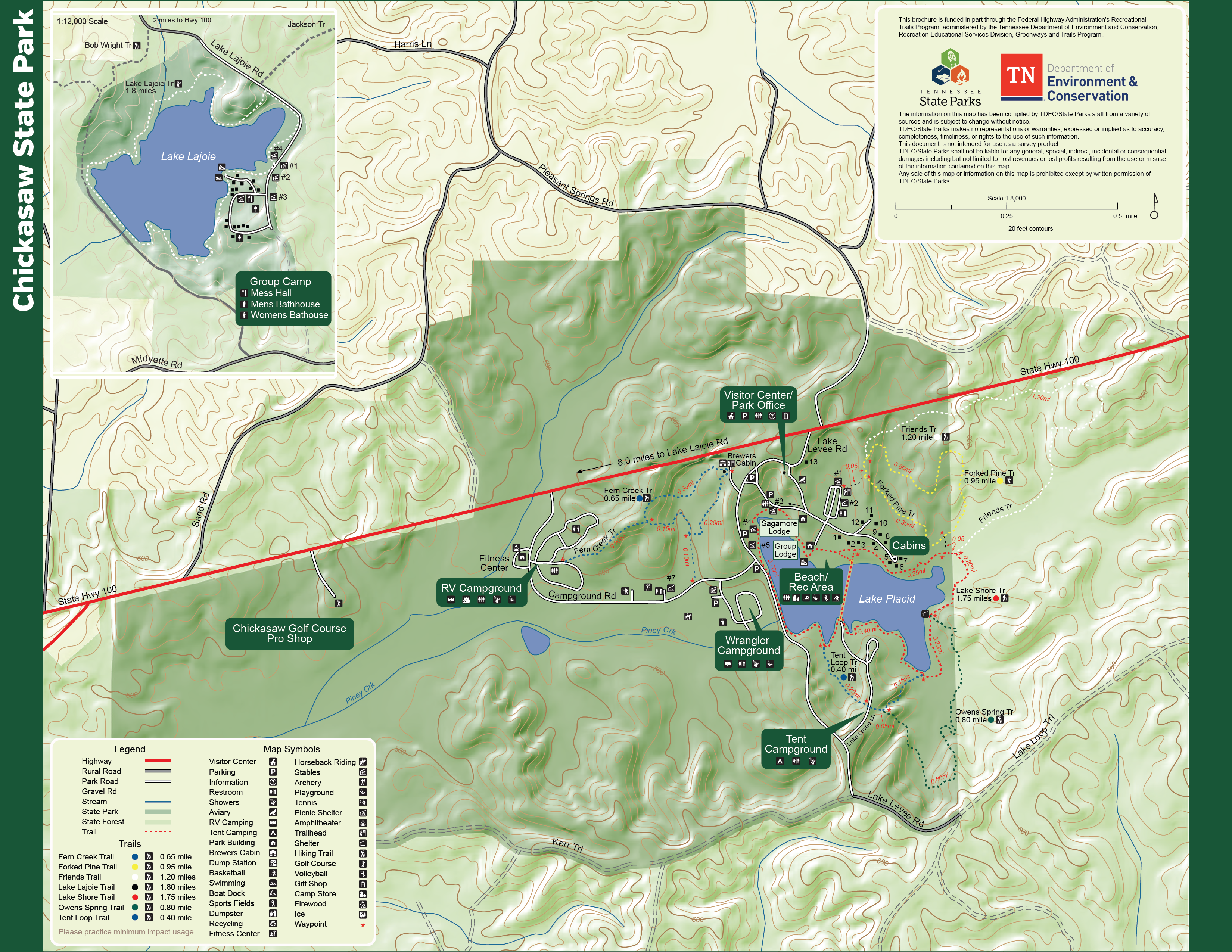
The park offers a variety of recreational opportunities and has a campground and cabins for overnight guests. More than eight miles of trails include easy to moderate hiking paths and bicycle-friendly roads. Guests can utilize the rowboats and pedal boats available for rent on Lake Placid seasonally.
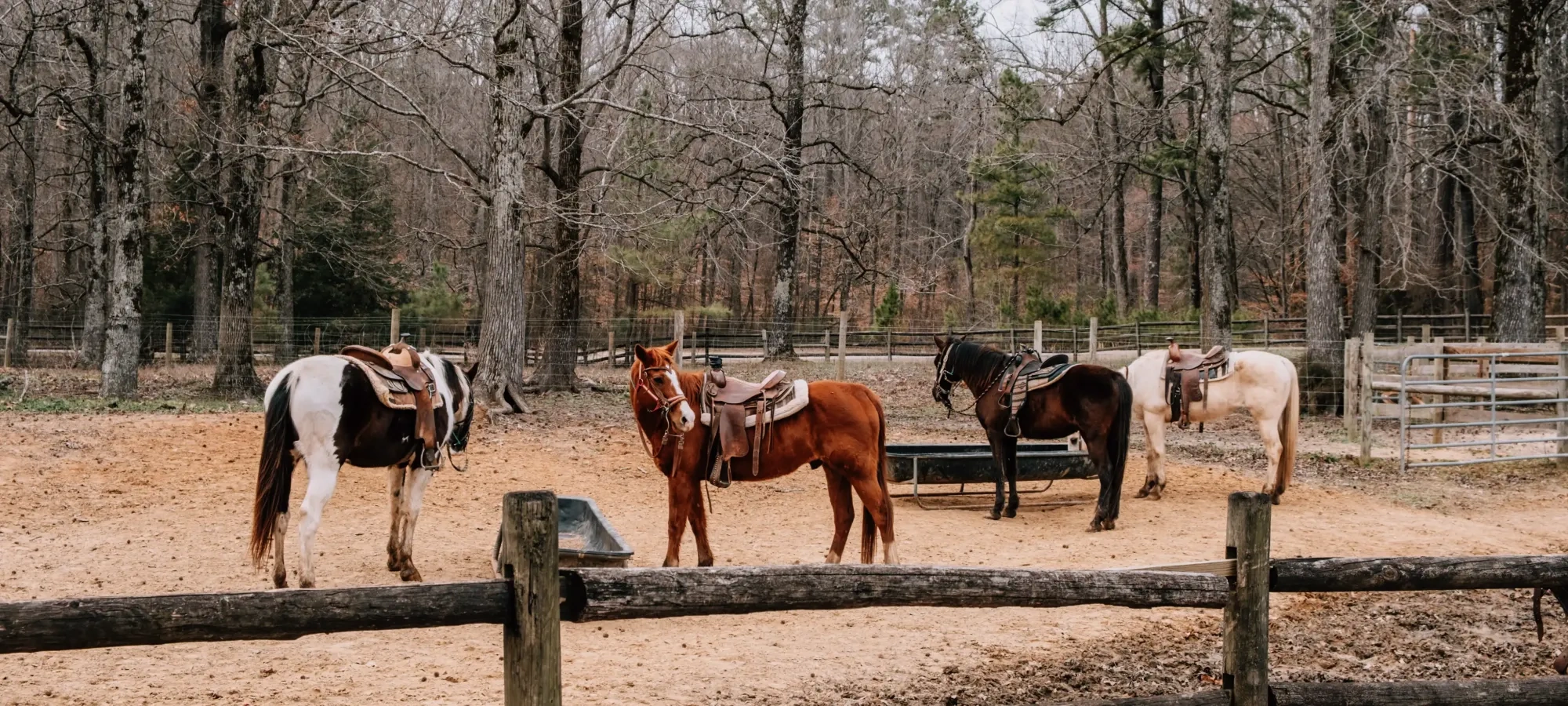
Horseback riding is a popular activity throughout Chickasaw State Park, and horses are available for rent from the park stables. A guided trail takes about an hour to complete. Chickasaw is home to one of the few wrangler campgrounds, designed for visitors traveling with horses. Please note that horses are not allowed on paved roads within the park.
Be aware that Wi-Fi and cell service is limited or nonexistent in most areas of the park. However, Wi-Fi is available in Cabins 1 through 12 and at the RV and Wrangler Campgrounds. The campsite entrance is easier for all trailers but farther from the park office if they need to check in first. There is a large parking lot past the office where trailers can turn around.
Land and Water
-
Water Features
The park's lakes, Placid and Lajoie, are central to the Chickasaw experience. Lake Placid offers a swimming area and opportunities for kayaking and canoeing. Lake Lajoie, located near the group camp, provides a more secluded setting for paddling and enjoying the tranquility of the water. Lajoie Lake is only accessible when the group camp is not rented. Guests can call park office to check if it is booked.
-
Trails
Chickasaw State Park boasts a variety of trails, from easy strolls along the lakeshore to more challenging hikes through the hardwood forests. Lakeshore Trail is a popular choice, offering scenic views of Lake Placid and access to the iconic footbridge. For a longer and less crowded option, explore the trail around Lake Lajoie.


Plants
Chickasaw State Park is a haven for a diverse array of plant and animal life.
From the towering trees of the upland forests to the creatures that roam the trails and swim in the lakes, there's always something to discover. Ask a Park Ranger to point out the unique species that thrive in this West Tennessee landscape.

Plant Types
- Wildflowers (General)
- Loblolly Pine
- Oak (Quercus spp.)
- American Persimmon
- Goldenrod spp.
- Late Purple Aster
- Common Jewelweed
- Strawberry Bush
- Eastern Redbud
- Hickory spp.

Birds
Mixed hardwood and pine forests cover the majority of the park.
Year-round residents include owls, woodpeckers, Carolina chickadee, tufted titmouse, white-breasted nuthatch, Carolina wren, and eastern towhee. Nesting migrants such as orchard oriole, red-eyed vireo, wood thrush, and warblers are common in the forest and forest edges. Placid Lake offers views of Canada geese, mallards, barn swallows, and herons. Open areas are good for robins, bluebirds, and killdeer. In total, 130 species of birds have been recorded in the park.
Bird Species
- Acadian Flycatcher
- Bald Eagle
- Barred Owl
- Canada Goose
- Common Yellowthroat
- Dickcissel
- Great Crested Flycatcher
- Hooded Warbler
- Indigo Bunting
- Louisiana Waterthrush
- Northern Bobwhite
- Osprey
- Pine Warbler
- Prothonotary Warbler
- Red-eyed Vireo
- Red-shouldered Hawk
- Red-tailed Hawk
- Ruby-throated Hummingbird
- Summer Tanager
- Tree Swallow
- Vireos
- Warblers
- Waterfowl
- White-breasted Nuthatch
- Wood Thrush
- Woodpecker
- Yellow-throated Warbler
Animals
Wildlife enthusiasts will find plenty to observe.
Keep an eye out for the diverse animals and insects you may find at Chickasaw State Park.

Animal Species
- Deer
- Fish
- Eastern Tiger Swallowtail
- Five-lined Skink
- Common Water Snake
- Raccoon
- Bird-Voiced Tree Frog
- Fowler's Toad
- Dragonflies
- Damselflies
- Turtle spp.
- American Beaver
Inspiration
-
10 of the Best Destinations for Fall Break in Tennessee
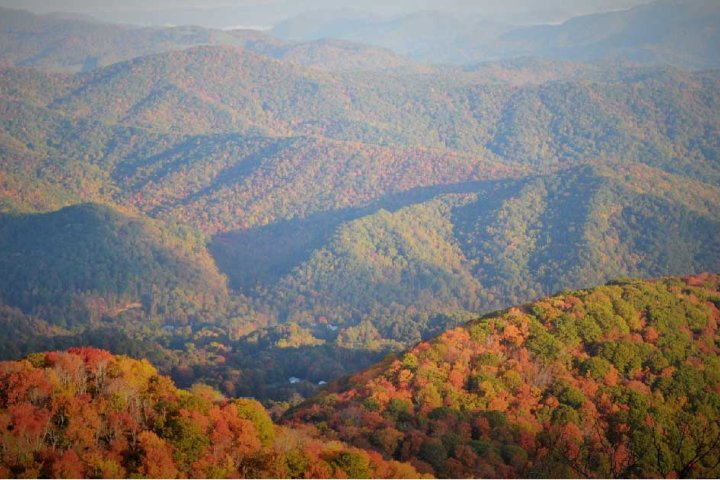
10 of the Best Destinations for Fall Break in Tennessee - Read ArticleTennessee State Parks offer the perfect setting for a memorable fall break vacation. To help you plan, we've compiled ten parks with cabins and campsites perfect for your family vacation or break with friends. -
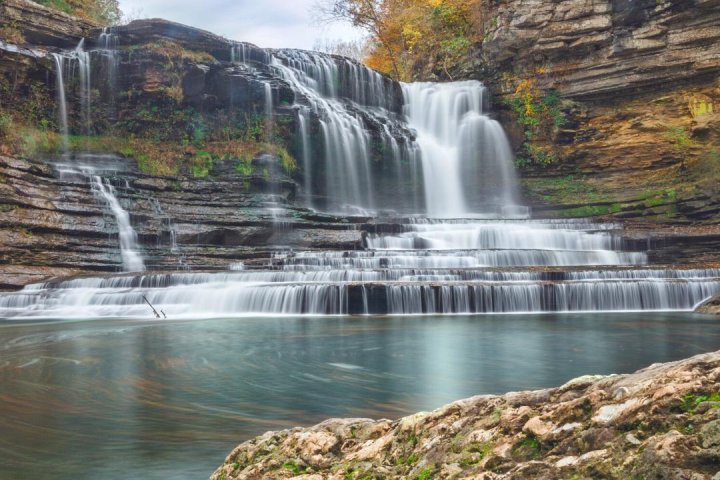
Fall Family Getaways at Tennessee State Parks
Fall Family Getaways at Tennessee State Parks - Read ArticleTo help you plan your fall vacation, we’ve put together a list of family-friendly getaways. Each experience offers a variety of crowd-pleasing activities and overnight accommodations that fit the needs of families. -
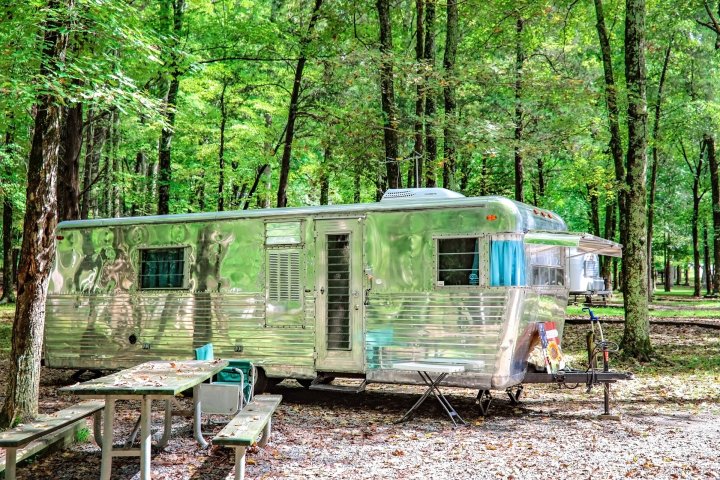
Best RV Campgrounds with Hiking Trails
Best RV Campgrounds with Hiking Trails - Read ArticleGetting access to great trails from your campground is the easiest way to combine your RV getaway with an incredible hike. You can't go wrong choosing one of these outstanding campgrounds with easy access to hiking trails. -
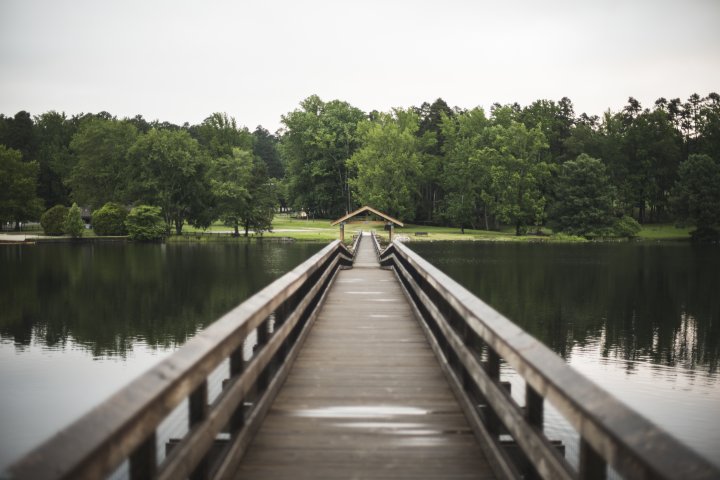
Lakeside Cabin Vacations at Tennessee State Parks
Lakeside Cabin Vacations at Tennessee State Parks - Read ArticleBook a cabin surrounded by the outdoor activities you love. Enjoy spacious, family-friendly cabins with lake views, on-site dining, and staff-led programs.