Old Stone Fort Archaeological Highlights
Notification Alert
Bridge Closure
The bridge at Old Stone Fort State Archaeological Park is closed to vehicle and pedestrian traffic due to construction activity.
A Monumental Mystery
Step into a world where ancient mysteries meet natural beauty at Old Stone Fort State Archaeological Park. This unique destination invites you to explore a prehistoric Native American earthwork, wander alongside cascading waterfalls, and delve into the rich history of middle Tennessee. Discover the secrets held within these ancient grounds, and uncover the stories etched into the landscape.
Discover Old Stone Fort State Archaeological Park
Old Stone Fort State Archaeological Park protects a remarkable legacy: an ancient Native American enclosure mound site dating back to the Middle Woodland period (from 100 BCE to 500 CE). The park's namesake, the "Old Stone Fort," isn't a fort in the traditional sense, but rather a ceremonial gathering place. Imagine generations of people converging within these earthen walls, participating in rituals aligned with the celestial dance of the sun. The precise purpose of this enclosure remains a topic of ongoing archaeological investigation, adding an air of intrigue to your visit. The park invites you to walk along the Enclosure Trail, feel the presence of the past, and ponder the mysteries that still linger.
History
The story of Old Stone Fort Archaeological State Park is a tapestry woven with threads of ancient Native American culture, 19th-century industry, and the Civil War conflict.
The central feature, Site 40CF1, the Old Stone Fort, is an ancient Native American earthwork enclosure overlooking the confluence of the Duck and Little Duck rivers and originates in the Middle Woodland period of regional prehistory. This prehistoric site is one of the most well-preserved in the region, making it a valuable historical site.
Beyond its prehistoric roots, the land also served as a mill town in the late 19th century and as a site for gunpowder production for the Confederacy during the Civil War. Today, scattered remains of these industries can be found throughout the park, including historic mill foundations and Civil War campsites.
The park was established in 1966 to preserve this unique archaeological site and to provide a space for visitors to connect with the past and the natural world. Today, the park is committed to preserving the park's historical features through interpretation, interpretive panels, and by using natural materials to block sections of mounds to discourage visitors who might tend to cross over.
From the Rangers
-
The Perfect Day
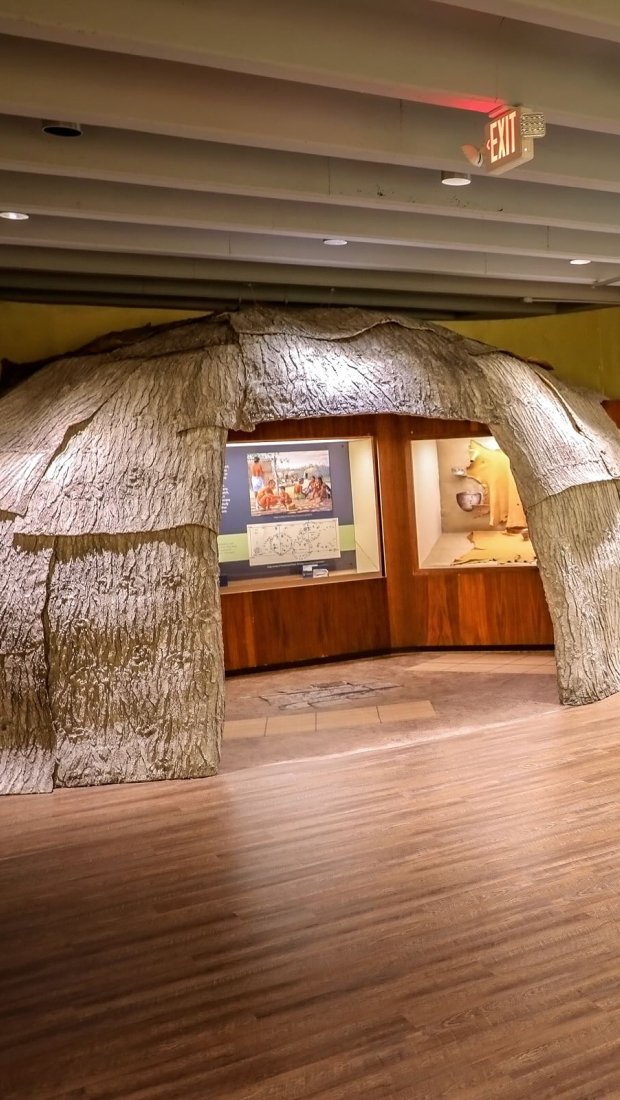
Begin your perfect day with a hike along the Enclosure Trail, winding around the ancient enclosure mound site and alongside the rivers and waterfalls. Next, visit the museum to delve deeper into the history of the Old Stone Fort, watch the park orientation film, and take part in interpretive programming.
-
Insider Information
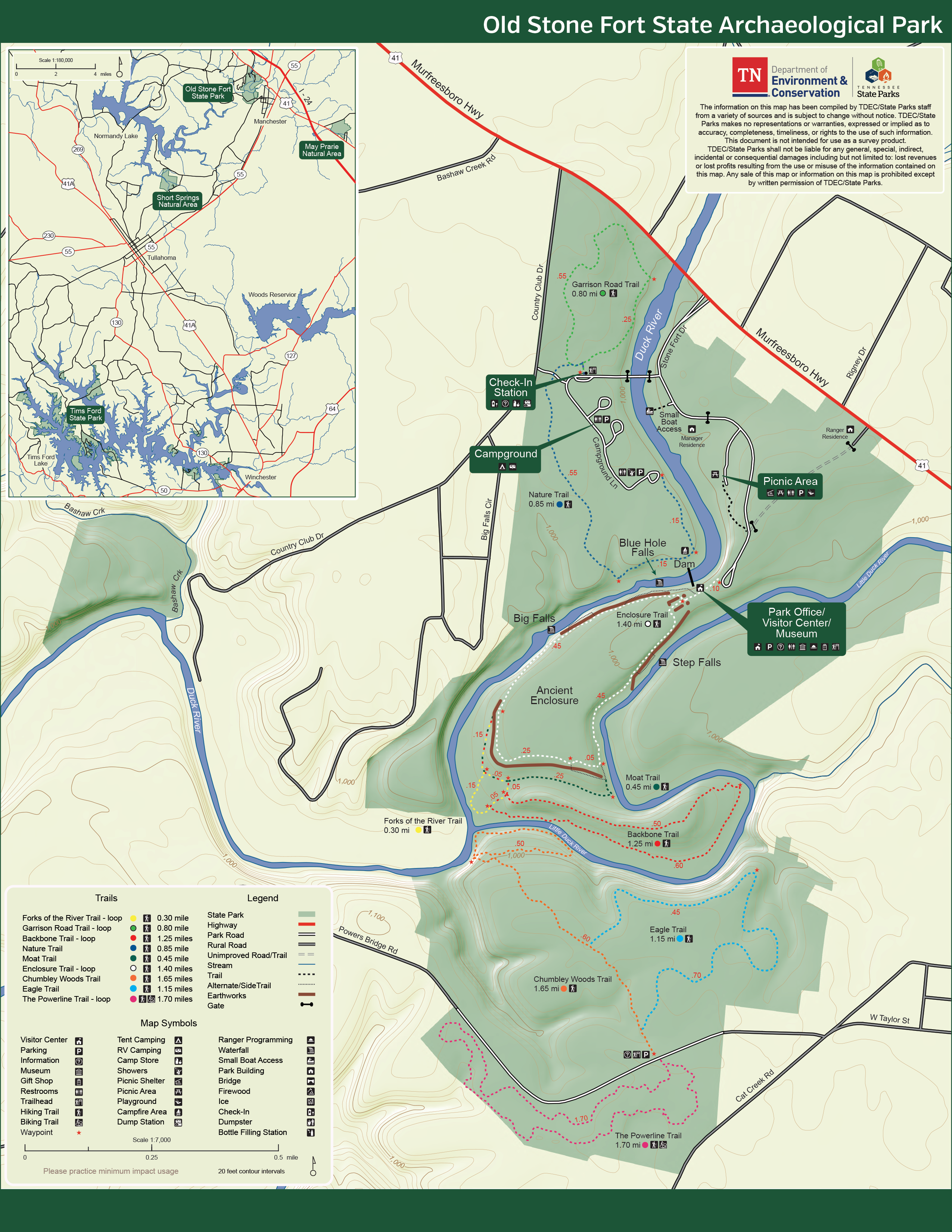
Venture beyond the main trails to discover the hidden gems of Old Stone Fort. Backbone Trail and Moat Trails are less used, offering a quieter experience. The area where the Moat Trail meets Little Duck River is very quiet and peaceful. There is a very beautiful overlook above Blue Hole Falls on the Nature Trail. Also, two parallel mounds point at the spot on the horizon where the summer solstice sunrise first appears.
-
Know Before You Go
When planning your visit, note that the rivers aren't prone to flooding, but should be avoided after heavy rains when the rivers may swell. Also, no fires are allowed other than in the grills provided or fire rings in the picnic area or campground.


Land and Water
-
Trails
Explore over 10 miles of trails, ranging from easy strolls to more challenging hikes. Enclosure Trail offers a close look at the ancient earthworks, while the Backbone Trail provides scenic views from a narrow ridge. The better trails for wildlife viewing are the Backbone Trail, the Moat Trail, the Garrison Road Trail, and the Nature Trail.
-
Water Features
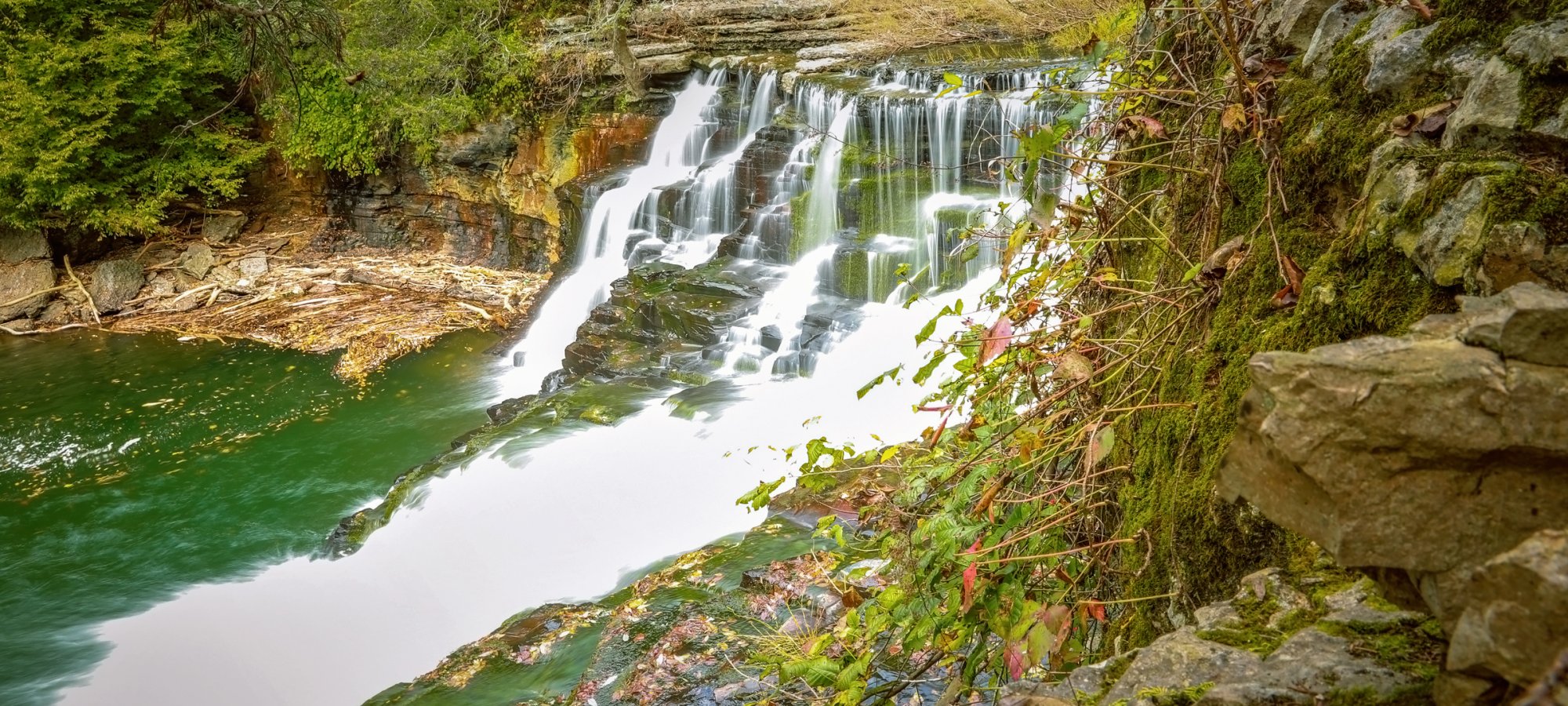
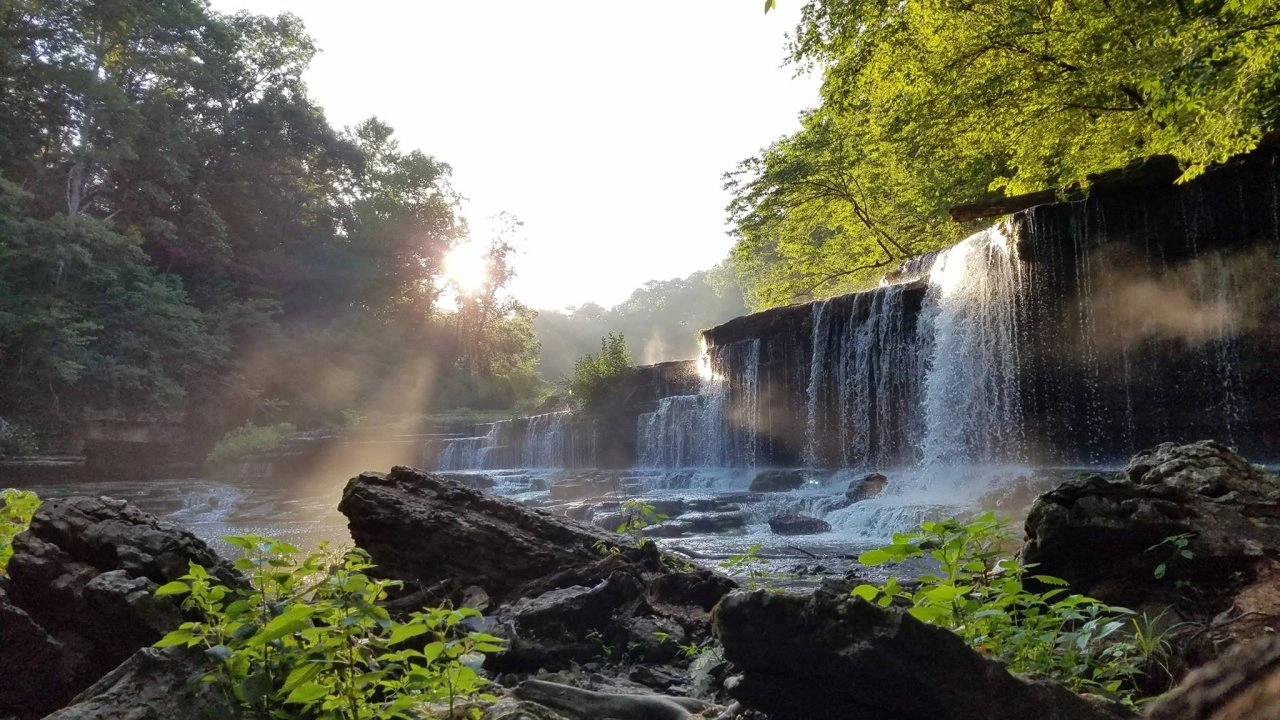
The Duck and Little Duck Rivers converge within the park, creating a picturesque landscape of waterfalls and river gorges. Big Falls is the most visited waterfall in the park with a large pool below. Little (Step) Falls is the most popular fishing and swimming area in the park.


Plants
Ask a Park Ranger to point out what plants you should look for at Old Stone Fort State Archaeological Park.
Plant Types
- Virginia Bluebell
- Trout Lillies

Birds
A 50-acre grass-covered hilltop, embraced by the Enclosure Trail, is believed to have been used as a ceremonial site by Native Americans more than 2000 years ago.
This area is maintained as grassland making it the perfect place to observe grassland bird species. Sit for a while on one of the benches that line the hilltop and listen to the songs of eastern meadowlarks. Northern parula and red-eyed vireo can be heard or seen throughout the summer as well as the occasional wood duck, a bird observed and revered by the Native Americans who occupied this site long ago.
Bird Species
- American Crow
- American Goldfinch
- American Robin
- Baltimore Oriole
- Barn Swallow
- Barred Owl
- Black-throated Green Warbler
- Blue Grosbeak
- Blue Jay
- Blue-gray Gnatcatcher
- Bonaparte's Gull
- Broad-winged Hawk
- Brown Thrasher
- Bufflehead
- Canada Goose
- Carolina Chickadee
- Carolina Wren
- Cedar Waxwing
- Cliff Swallow
- Common Grackle
- Common Loon
- Common Yellowthroat
- Cooper’s Hawk
- Eastern Bluebird
- Eastern Kingbird
- Eastern Meadowlark
- Eastern Phoebe
- Eastern Wood-Pewee
- Golden-crowned Kinglet
- Great Blue Heron
- Green Heron
- Hooded Warbler
- Horned Grebe
- Horned Lark
- Indigo Bunting
- American Kestrel
- Killdeer
- Magnolia Warbler
- Mallard
- Mourning Dove
- Northern Bobwhite
- Northern Cardinal
- Northern Harrier
- Northern Mockingbird
- Northern Parula
- Pied-billed Grebe
- Pileated Woodpecker
- Red-bellied Woodpecker
- Red-shouldered Hawk
- Red-tailed Hawk
- Red-winged Blackbird
- Redhead
- Ring-billed Gull
- Ruby-crowned Kinglet
- Spotted Sandpiper
- American Tree Sparrow
- Summer Tanager
- Turkey Vulture
- White-crowned Sparrow
- White-throated Sparrow
- White-winged Scoter
- Wild Turkey
- Woodpecker
- Yellow-billed Cuckoo
- Yellow-breasted Chat
- Yellow-rumped Warbler

Animals
Be sure to ask a park Ranger and keep an eye out for the unique fauna found within the park.
Animal Species
- Venomous Snakes
- Raccoon
- Otters
- American Beaver
- Deer
- Cougar (Mountain Lion)
Inspiration
-
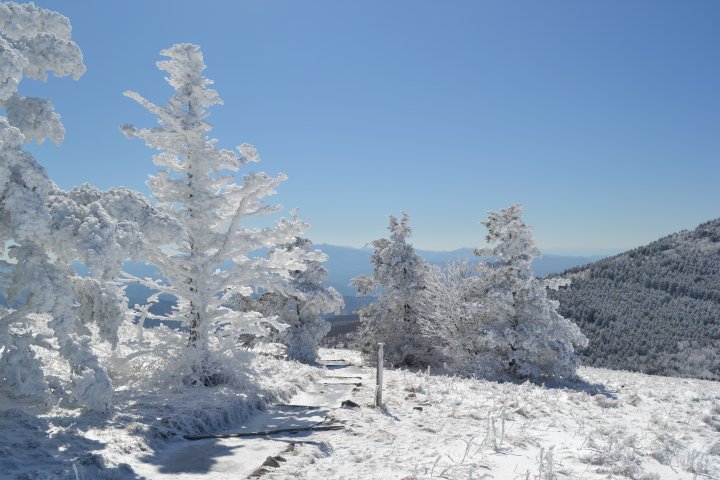
The Best State Parks for Winter Camping in Tennessee
The Best State Parks for Winter Camping in Tennessee - Read ArticleFor winter-ready adventurers, Tennessee State Parks campgrounds offer many sites, fewer crowds, and a bug-free off-season stay without being stuck indoors. -

Ten Incredible State Parks for Family Vacation in Tennessee
Ten Incredible State Parks for Family Vacation in Tennessee - Read ArticlePlanning a family trip is exciting, and Tennessee State Parks make it easy with affordable cabins, lodges, and campsites. Explore ten great family vacation spots. -
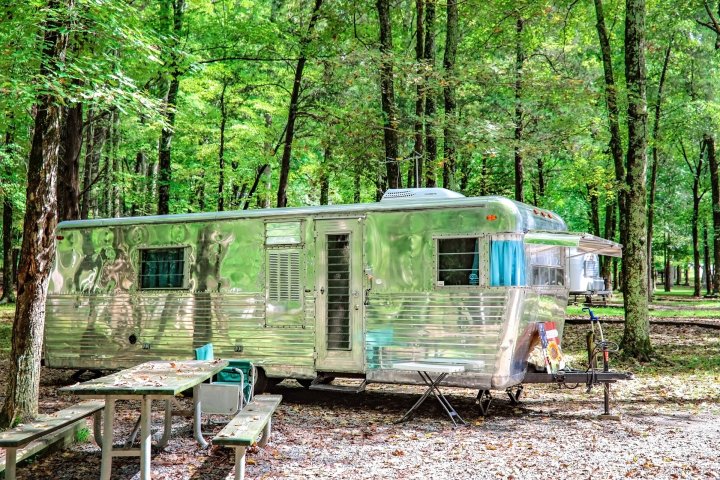
Best RV Campgrounds with Hiking Trails
Best RV Campgrounds with Hiking Trails - Read ArticleGetting access to great trails from your campground is the easiest way to combine your RV getaway with an incredible hike. You can't go wrong choosing one of these outstanding campgrounds with easy access to hiking trails. -
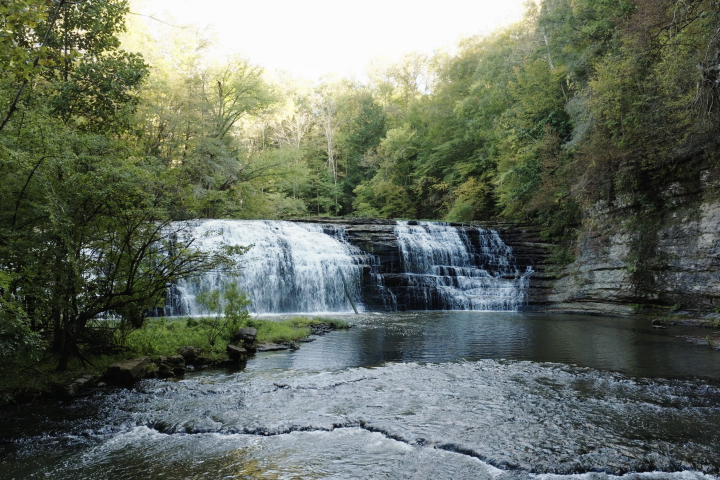
Waterfalls in Middle Tennessee: What to See and Where to Stay
Waterfalls in Middle Tennessee: What to See and Where to Stay - Read ArticleTennessee’s most scenic waterfalls are found in state parks. Use this guide to plan your visit and discover where to stay near eight popular falls.