
Standing Stone Highlights
Notification Alert
Campground Undergoing Renovation
Starting July 7th, the campground at Standing Stone State Park will undergo renovations. This closure is expected to last until late 2026.
Thank you for your patience and understanding. If you have any questions about your upcoming reservation, please call 1 (888) 867-2757.
RV Access Alert
**ATTENTION CAMPERS: If you are traveling with a trailer or RV, please use Hwy. 52 to Hwy. 136, due to inaccessibility to RVs from the south entrance of the park.
A Stone’s Throw to Adventure
Nestled in the rolling hills of Hilham, Tennessee, Standing Stone State Park offers a rare blend of natural beauty, rich history, and timeless adventure. Named for a mysterious canine-shaped stone that once marked the boundary between Native American nations, the park invites you to step back in time and immerse yourself in the serenity of the Highland Rim. Discover the legacy of the WPA, the tranquil waters of beautiful Kelly Lake, the park’s vibrant natural diversity, and the stories whispered by the wind through the trees.
Discover Standing Stone State Park
Standing Stone State Park's story is one of resilience and renewal. In the 1930s, the land that now comprises the park was struggling. Over-farmed and eroded, the soil was depleted, and the community faced hardship. The WPA stepped in, transforming this ravaged landscape into a haven of recreation and conservation. Today, as you hike the trails, fish in Kelly Lake, or simply relax by the WPA dam, you're witnessing the legacy of a community's determination to heal the land and create a place of lasting beauty. It is a place where visitors can find peace, adventure, and a connection to the past.
History
Standing Stone State Park was officially established on March 23, 1939, born out of the vision to rehabilitate sub-marginal farmland plagued by soil erosion.
The land, primarily used for farming, was in dire need of revitalization. The WPA, a New Deal program, played a pivotal role in transforming the area into a state park, providing much-needed jobs and infrastructure improvements during the Great Depression.
The park's name is derived from the "standing stone," a significant landmark that once stood near Monterey, Tennessee. This stone, approximately 12 feet tall and canine in shape, was believed to have served as a boundary marker between the Cherokee and Shawnee tribes. Sadly, the stone was destroyed by dynamite in the 1890s for railroad construction. However, its memory lives on, preserved by a fragment displayed on a monument in Monterey, dedicated in 1895.
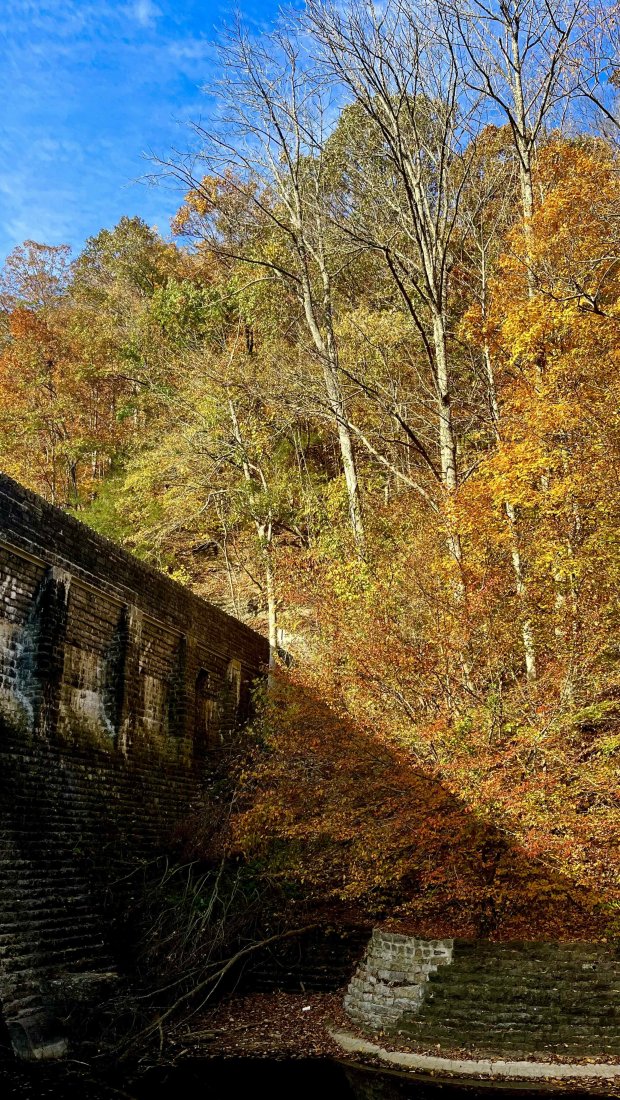
The WPA's impact is evident throughout the park, with historic structures like the dam, rental cabins, rock pillars, and Tea Room standing as testaments to their craftsmanship. These structures, built with local materials and designed to blend seamlessly with the natural environment, showcase the WPA's commitment to sustainable development.
The park has also hosted the National Rolley Hole Marbles Tournament since 1983, a unique event that draws participants and spectators from across the country. This tradition adds yet another layer to the park's rich cultural heritage.
Today, Standing Stone State Park continues to evolve, with ongoing preservation efforts ensuring that its historical features are protected for future generations. Cabins have been refurbished with signoff from the historical commission, and a WPA museum is in the works, promising to further illuminate the park's fascinating past.
From the Rangers
-
The Perfect Day
Begin your day with a scenic hike along a section of the 4.7-mile lake trail, immersing yourself in the beauty of the surrounding forest. Afterwards, rent a boat and spend the afternoon fishing or simply enjoying the tranquility of Kelly Lake. End your day with a relaxing picnic, savoring the beauty of the park as the sun sets. Don't forget to stop by the gift shop for a souvenir to remember your visit!
-
Insider Information
Venture beyond the well-trodden paths and discover Standing Stone's hidden gems. Explore the Beach Road area, where you'll find additional picnic tables, grills, and prime fishing spots. Spring brings a vibrant display of wildflowers along the hiking trail and Beach Road. In the summer, witness the enchanting dance of fireflies near the Overton Lodge and Beach Road. Keep an eye out for bald eagles soaring overhead or otters playing in the lake and creek below the dam. At night, listen to the symphony of owls and frogs echoing through the park.
-
Know Before You Go
If you're traveling with a trailer or RV longer than 30 feet, be sure to access the park via Highway 52 to Highway 136, as the South entrance has a narrow one-lane bridge/dam unsuitable for larger vehicles. Cell service is limited throughout the park, with AT&T generally performing better than Verizon. Wi-Fi is available for overnight guests and at some day-use facilities, including the cabins, the campground, the Tea Room, and the pool.


Trails
Standing Stone State Park offers a network of trails that wind through diverse landscapes, catering to hikers of all skill levels. The 4.7-mile Lake Trail is a popular choice, offering stunning views of Kelly Lake and the surrounding forest. For a shorter trek, the Jordan Spur Trail provides a scenic route through wildflower-rich areas.
-
Mountains and Vistas
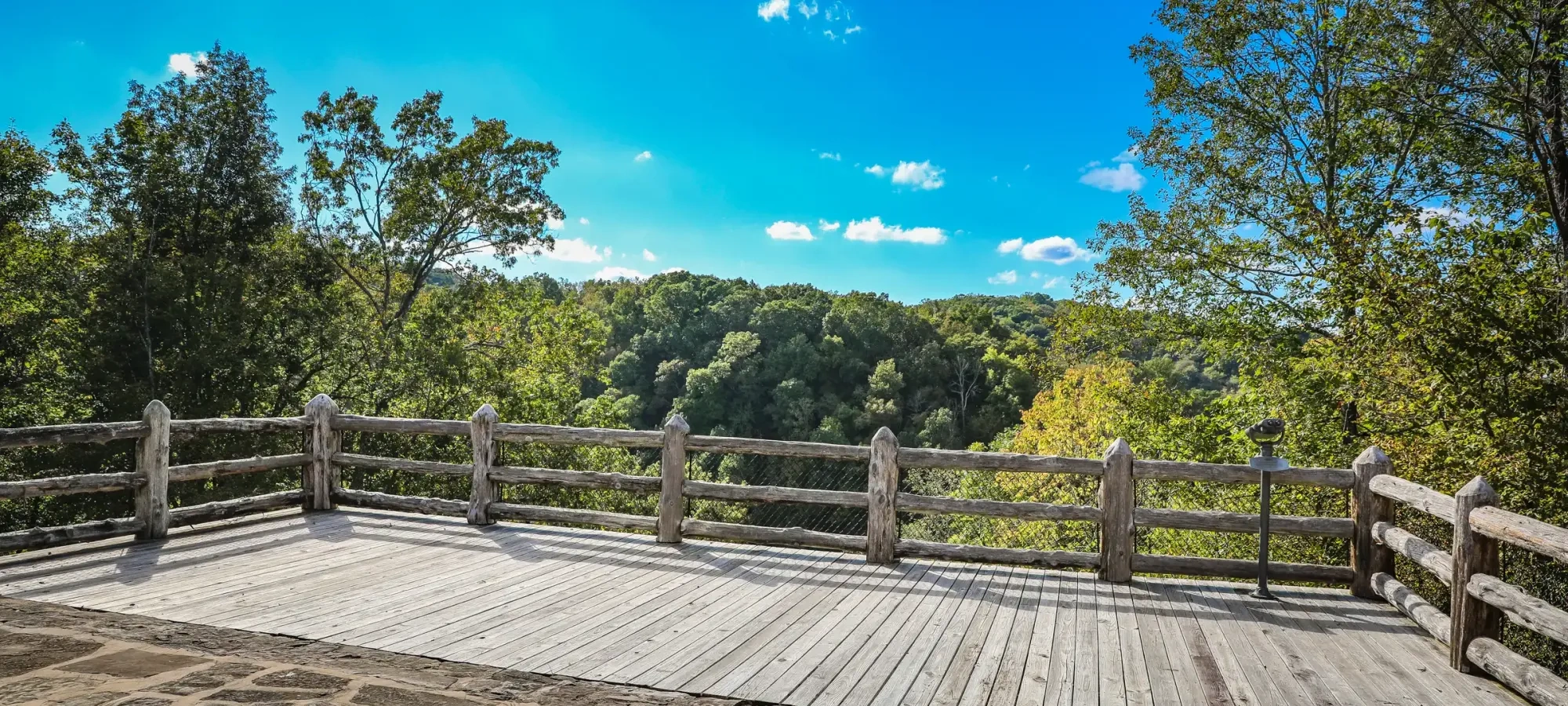
While not situated within a mountain range, Standing Stone State Park is in the Eastern Highland Rim, offering its own unique charm. The back porch of the Tea Room provides the best viewpoint, overlooking the dam and lake, with a color-blind view finder enhancing the experience.
-
Water Features
Kelly Lake is the centerpiece of Standing Stone State Park, offering opportunities for fishing, boating, and scenic relaxation. While swimming in the lake is prohibited, visitors can enjoy wading in the creek below the dam. Additionally, several ephemeral cascades can be found along Beach Road after rain events, adding to the park's natural beauty.


Plants
Standing Stone State Park boasts a diverse array of flora, with a high abundance of wildflowers and trees.
Most of the park is a deciduous forest, with a small pine area along sections of the lake. To learn more about the unique plants found in the park, be sure to contact a Park Ranger during your visit.
Birds
Kelly Lake supports many red-eared sliders and painted turtles, great blue herons, and migrating waterfowl.
Barred owls are regularly heard around the cabin area. The gravel road below the dam goes past fields managed as meadows, attracting American goldfinch and common yellowthroat.


Animals
The park is home to a variety of wildlife, with deer and squirrels being the most commonly seen animals.
Otters are frequently seen in the lake or creek, and various bird species can be observed throughout the park. For a deeper understanding of the park fauna, consider joining a Ranger-led program or asking a Park Ranger during your visit.
Animal Species
- Timber Rattlesnake
- Copperhead
- Birds
- Squirrels
- Opossums
- Raccoon
- Otters
- Red Fox
- Bobcat
- Coyote
- Deer
Inspiration
-
10 of the Best Destinations for Fall Break in Tennessee
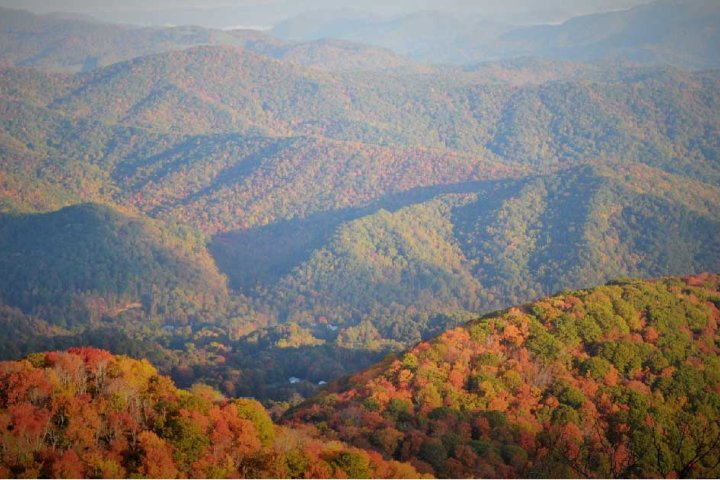
10 of the Best Destinations for Fall Break in Tennessee - Read ArticleTennessee State Parks offer the perfect setting for a memorable fall break vacation. To help you plan, we've compiled ten parks with cabins and campsites perfect for your family vacation or break with friends. -
5 Ways to Enjoy Standing Stone State Park
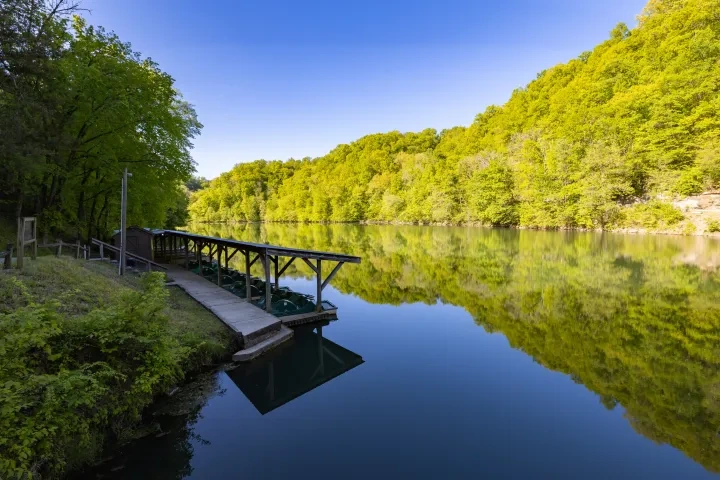
5 Ways to Enjoy Standing Stone State Park - Read ArticleExplore the diverse activities and natural beauty of Standing Stone State Park. From camping and hiking to wildflower hunting and playing marbles, there's something for everyone to enjoy. -
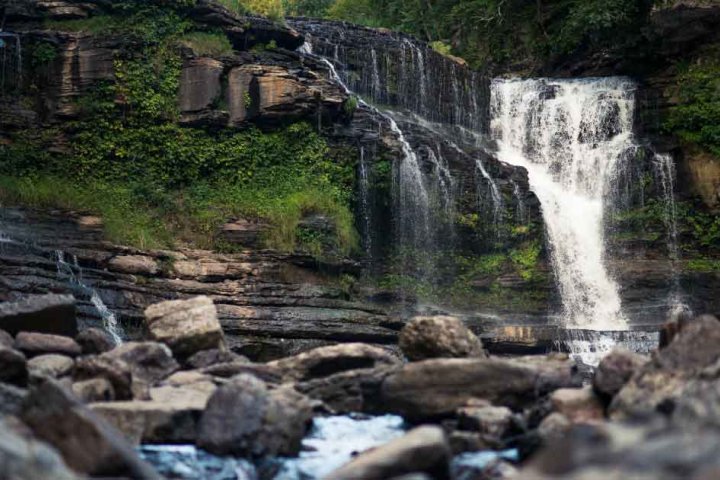
Four Camping Destinations Near Cookeville
Four Camping Destinations Near Cookeville - Read ArticleClose to some of Tennessee’s best waterfalls and overlooks, Cookeville makes camping easy. Explore three nearby campgrounds perfect for a quick outdoor getaway. -
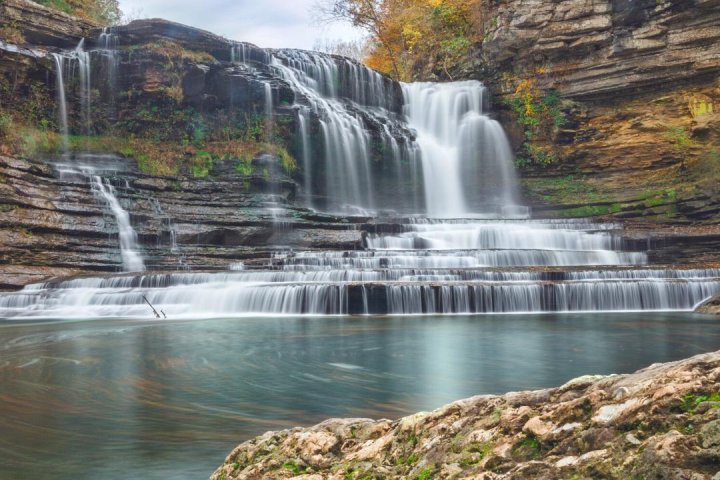
Fall Family Getaways at Tennessee State Parks
Fall Family Getaways at Tennessee State Parks - Read ArticleTo help you plan your fall vacation, we’ve put together a list of family-friendly getaways. Each experience offers a variety of crowd-pleasing activities and overnight accommodations that fit the needs of families.


