
T.O. Fuller Highlights
Notification Alert
Detour required for Park Access
Due to I-55 construction/exit ramp bridge demolition, exit #7 (Third Street/Hwy 61) will be closed. Traffic congestion is expected, so park visitors are encouraged to use Exit #8 (New Horn Lake Road) for Mitchell Road access and exit #9 (Mallory Avenue) for Plant Road access to T.O. Fuller State Park from I-55.
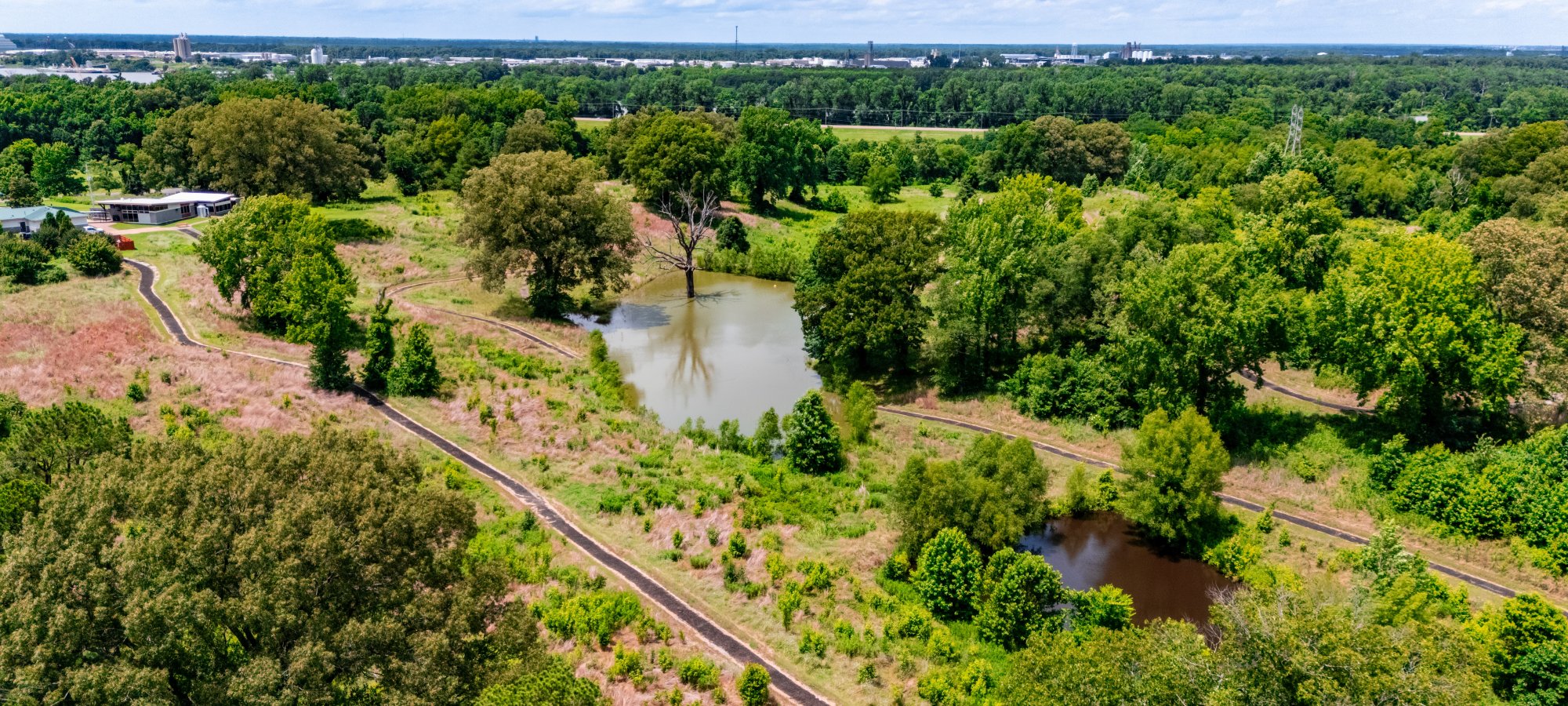
A Sanctuary in the City
Escape the urban hustle and bustle and step into a world of natural beauty and rich history at T.O. Fuller State Park. This unique oasis, nestled within the city of Memphis, offers a surprising blend of outdoor adventure and cultural significance. Discover the stories etched into the land, from ancient Native American settlements to the struggles and triumphs of African American communities. Uncover the hidden gems and unique experiences that await you at T.O. Fuller State Park.
Discover T. O. Fuller State Park
T.O. Fuller State Park is a testament to resilience and a symbol of progress. Established in 1938 as Shelby County Negro State Park, it was one of the few recreational areas available to African Americans during segregation. Today, the park stands as a reminder of those times, offering a place for everyone to connect with nature, learn about history, and create lasting memories. Explore the trails, discover the stories, and experience the unique spirit of T.O. Fuller State Park.
History
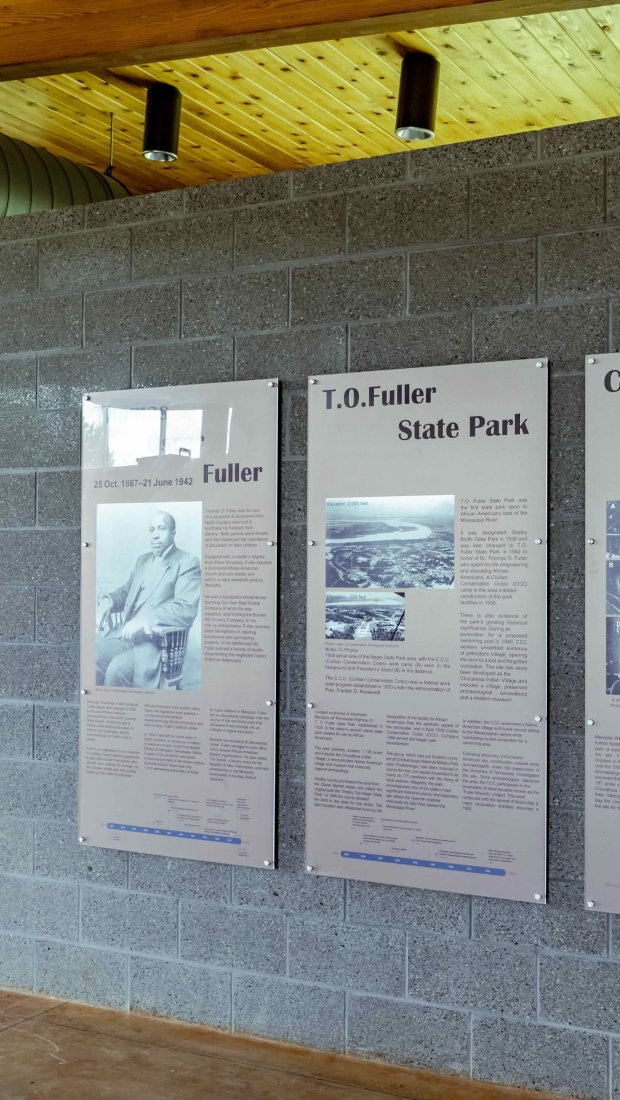
The land that now comprises T.O. Fuller State Park has a long and complex history.
Before becoming a park, the area was known as the Ensley Plantation, where enslaved Africans and later, convicts, were forced to work the fields. After the Civil War, freedmen established a community called Boxtown, constructing homes from discarded boxcars.
In 1938, the Civilian Conservation Corps (CCC) began construction on Shelby County Negro State Park, providing recreational opportunities for African Americans during segregation. The park was renamed T.O. Fuller State Park in 1942 to honor Dr. Thomas Oscar Fuller, an educator, pastor, and community leader who championed African American rights. After being elected to the North Carolina Senate in 1898, Dr. Thomas Oscar Fuller relocated to Memphis to fill a position as a Baptist minister. The relocation was a direct result of the turmoil created by his election as the first African American senator. After relocating to Memphis, Dr. Fuller allied himself with Mayor E.H. Crump in an effort to grow the relevance of the Black vote by increasing voter turnout. In 1942, Mayor Crump renamed the park in honor of Dr. Fuller..
Today, T.O. Fuller State Park continues to preserve and share its rich history through interpretive programs, exhibits, and ongoing archaeological research. Park Rangers continue to discover homestead sites and additional mounds located within the park. Within the Chucalissa area, pre-historic Native-American mounds can be viewed.
From the Rangers
-
The Perfect Day
Start your day with an invigorating hike along Discovery Loop, weaving through Chickasaw Bluffs and enjoying the diverse flora and fauna. In the afternoon, explore the C.H. Nash Museum at Chucalissa, an archeological site and museum operated by the University of Memphis, and delve into the area's Native American history. As evening approaches, find a peaceful spot along Riverport Road to witness the beauty of migrating waterfowl and the sunset over McKellar Lake.
-
Insider Information
For a truly unique experience, venture along Riverport Road during migration season to witness a stunning array of bird species. In the fall, the Wildlife Habitat Area explodes with the vibrant colors of goldenrod and ironweed flowers. After heavy rains, keep an eye out for beavers and otters playing in the ephemeral creeks.
-
Know Before You Go
Cell service is limited in the campground and on trails, but you can find the best reception on top of the bluff near the Interpretive Center and Tires to Trails entrance. The archeological site, Chucalissa Indian Village, and C. H. Nash Museum are operated by the University of Memphis. Visitors should be aware of the presence of venomous snakes in the park's ponds and wetlands.


Trails
T.O. Fuller State Park boasts a network of trails that caters to all skill levels. Discovery Loop offers a moderate challenge with uphill sections along the Chickasaw Bluffs, while the Tires to Trails meanders through the Wildlife Habitat Area, showcasing intentional grasslands that transition into wetlands. The Honeysuckle Trail, the Initiation Loop, and the Chickasaw Bluff Hiking Trail are lesser-known trails at the park.
-
Bluffs and Overlooks
T.O. Fuller State Park sits atop the Chickasaw Bluff (Nature) Hiking Trail, offering scenic overlooks. -
Water Features
The park features several bodies of water, including McKellar Lake, Cypress Creek, Horn Lake Cutoff, and several unnamed ponds. These water features provide habitat for diverse wildlife and offer opportunities for birding and wildlife viewing.


Plants
Discover a diverse array of flora at T.O. Fuller State Park, from towering trees to vibrant wildflowers.
The flora changes depending on location—whether Chickasaw Bluff, grassland, forest, or wetland. Talk to a Park Ranger to learn more about the unique plant life that thrives in this urban oasis.

Plant Types
- Ironweed
- American Pokeweed
- Bald Cypress
- Black Walnut
- Blackberry
- Broom Sedge
- Chickweed
- Daffodil (Cultivated)
- Goldenrod
- Hickory
- Honey Locust
- Horsetail
- Mayapple
- Purple Passionflower
- Persimmon
- Virginia Pine
- Poison Ivy
- Red Maple
- River Birch
- River Cane
- Stinging Nettle
- Swamp Oak (Willow Oak)
- Sweetgum
- Trillium spp.
- Tulip Poplar
- Violets
- Virginia Creeper
- White Oak
- Wisteria
- Yucca
- Virginia Bluebells

Birds
T.O. Fuller State Park now has 215 species of birds observed.
T.O. Fuller State Park occurs on a bluff overlooking the floodplain of the Mississippi River. Lying in the heart of the Mississippi Flyway, the park offers great opportunities to see migrating birds in the spring and fall. Look for warblers, vireos, thrushes, and flycatchers along the eight miles of park trails and along forest edges.
A new wildlife enhancement area containing 2.9 miles of paved trails was dedicated in 2022 consisting of floodplain wetlands, wildflower valleys, native grassy meadows, and upland ponds. The area has already attracted rare black-bellied whistling ducks and nesting black-necked stilts.
Bird Species
- Hawk spp.
- Shorebirds
- Songbirds
- Sparrows
- Waterfowl
- Woodpecker spp.
- Barred Owl
- Black-bellied Whistling-Duck
- Black-necked Stilt
- Egrets
- Great Blue Heron
- Green Heron
- Least Tern
- Loggerhead Shrike
- Mississippi Kite
- Yellow-billed Cuckoo
Animals
T.O. Fuller State Park is a haven for wildlife, attracting a variety of animals to its diverse habitats.
To learn more about the unique animal life that thrives in this urban oasis, talk to a Park Ranger.

Animal Species
- American Beaver
- Deer
- Insects
- Muskrats
- Otters
- Rabbits
- Turtles
- Bobcat
- Copperhead
- Coyote
- Eastern Box Turtle
- Gray Fox
- Raccoon
- Red Fox
- Striped Skunk

Inspiration
-
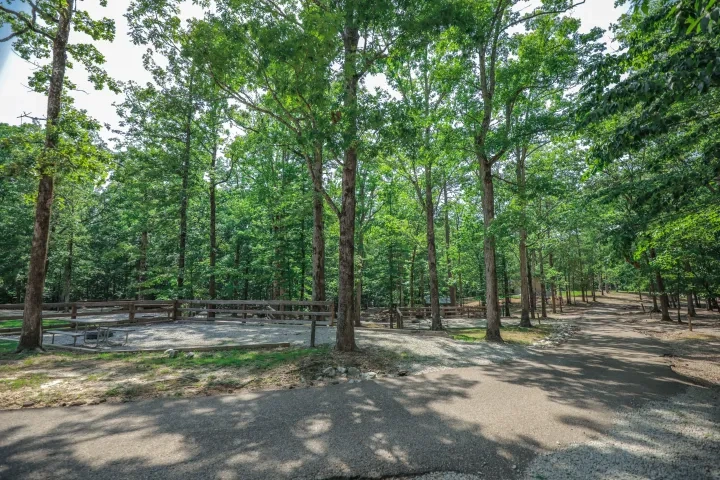
5 Lesser Known Campgrounds to Explore
5 Lesser Known Campgrounds to Explore - Read ArticleApril 3, 2018 | There’s an intrinsic desire inside most people to do something or know something before anyone else. The entire idea of being “cool” or a “trend setter” is that you’re stepping out into an area where few others have ventured. It is the same motive that drove the pioneers and explorers to push westward. It’s the same desire pushing us further and deeper into space exploration and new technology. -
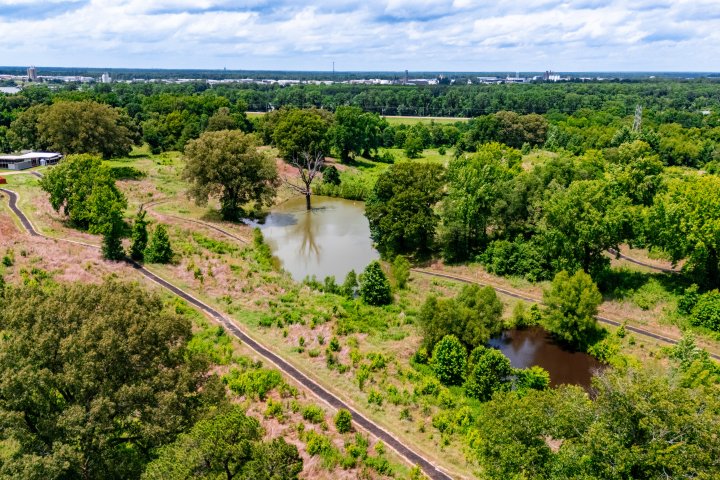
A Tale of Two Parks: Outdoor Adventures in the Heart of Memphis
A Tale of Two Parks: Outdoor Adventures in the Heart of Memphis - Read ArticleGuest Editor Kari Edgens took her family of four to explore the state parks near Memphis, Tennessee. Check out her adventure now! -
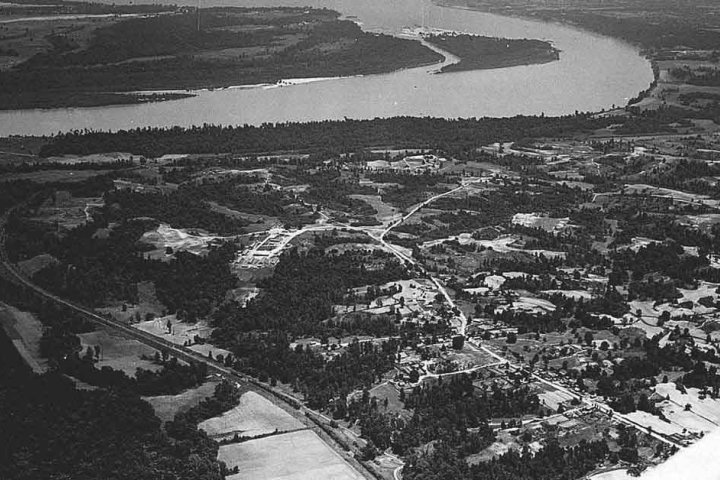
African American History at T.O. Fuller State Park
African American History at T.O. Fuller State Park - Read ArticleFebruary 17, 2021 | As we celebrate Black History Month throughout February, we also recognize the ties to our cultural heritage. Shared and equitable access to our parks is directly tied to our mission to preserve our natural landscape and the history behind it. T. O. Fuller State Park was established for the state’s African American population in an age when segregation barred equal access to the landscape. -

Eight Stroller Friendly State Parks In Tennessee
Eight Stroller Friendly State Parks In Tennessee - Read ArticleTennessee is well known for its beautiful state parks that offer a variety of outdoor activities for families. However, not all state parks are equally accessible for families with young children. Parents with strollers often face challenges due to uneven terrain, steep hills, or narrow paths. In this blog post, we will explore eight state parks in Tennessee that are stroller-friendly and offer a great outdoor experience for families with young children.


