Cumberland Mountain Highlights
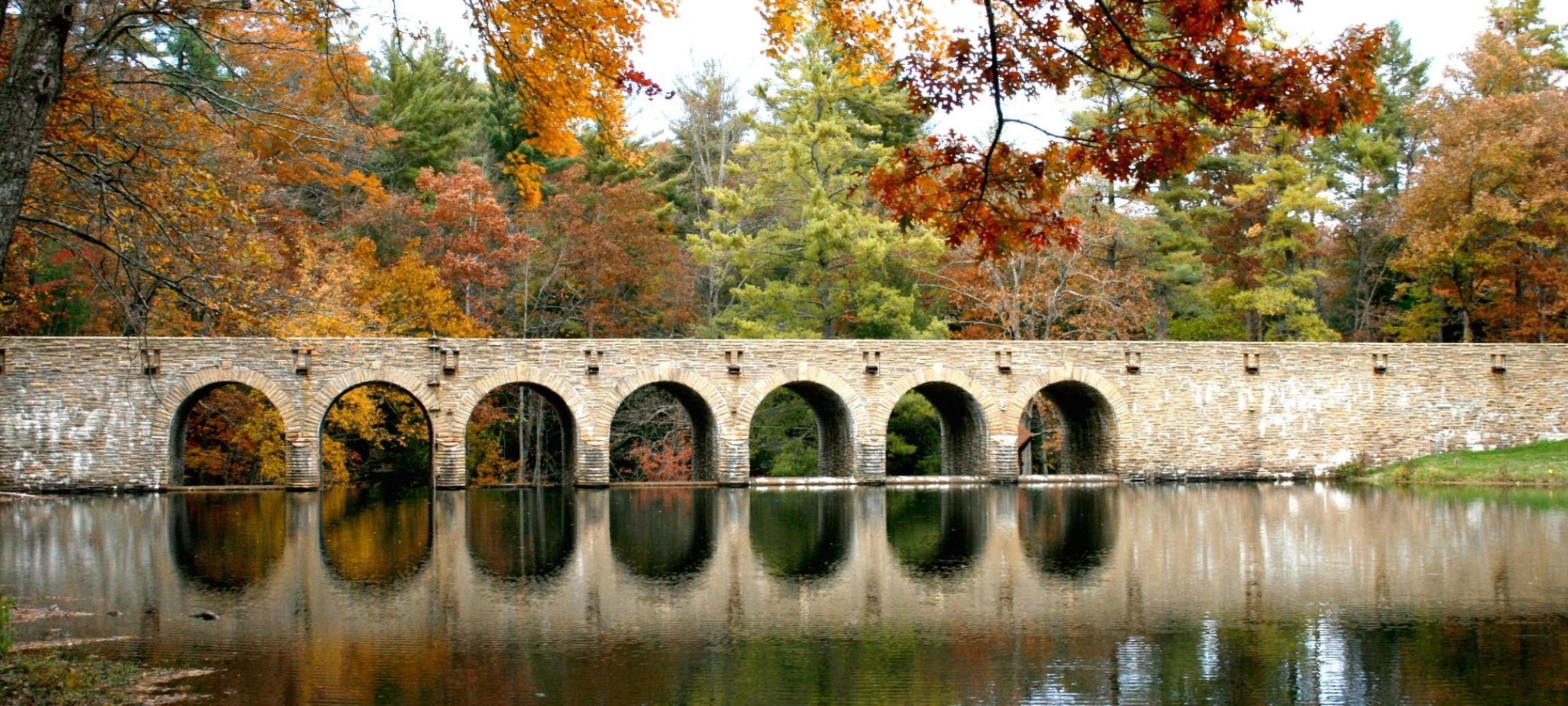
A Bridge to the Past
Step back in time and immerse yourself in the rich history and natural beauty of Cumberland Mountain State Park. This park, born from the vision of the New Deal era, offers a unique blend of outdoor recreation and historical significance. Explore the iconic Civilian Conservation Corps (CCC) structures, hike scenic trails, and discover the stories etched into the very landscape. Uncover more of what makes this park so special.
Explore the Park
Discover Cumberland Mountain State Park
Cumberland Mountain State Park is more than just a beautiful place; it's a testament to human resilience and ingenuity.
During the Great Depression, the Cumberland Homesteads project sought new opportunities for struggling families. The park was conceived as a recreational area for these communities, a place where they could relax, connect with nature, and build a brighter future. Today, the park stands as a living legacy of that era, inviting visitors to experience the spirit of the CCC and the enduring beauty of the Cumberland Plateau. Come and explore the park and see the structures built from 1935 to 1938.

History
The story of Cumberland Mountain State Park begins with the Cumberland Homesteads, a New Deal project resettling 250 Cumberland Plateau families displaced by the Great Depression.
In 1938, the federal government established the park and CCC Company 3464 began construction of the park's iconic structures, including the Crab Orchard Stone Bridge, the largest structure ever built by the CCC. Alvin C. York, the famous World War I hero, was the first project superintendent overseeing the CCC company. When York left the project to go see his movie being made in Hollywood, he made sure the project was run smoothly and according to military rules, as the federal government owned the park until turning it over to the State of Tennessee. Cumberland Mountain State Park opened to the public on July 18, 1940.
The park quickly became a popular destination for outdoor recreation. The CCC's legacy is visible throughout the park, from the rustic cabins to the meticulously crafted trails. Preservation efforts have been ongoing, with renovations to the Old CCC Bathhouse, the original 11 CCC cabins, Coon Hollow Cabin, and the Mill House Lodge Cabin. Today, the park continues to honor its history through exhibits, tours, and interpretive programs.
From the Rangers
-
The Perfect Day
Begin your day with a visit to the park's museum, immersing yourself in the history of the Cumberland Homesteads and the CCC’s impact. Next, capture the iconic CCC bridge from the visitor center and restaurant. After that, hike one of the park's many trails, and end your day with a delicious meal at the park restaurant.
-
Insider Information
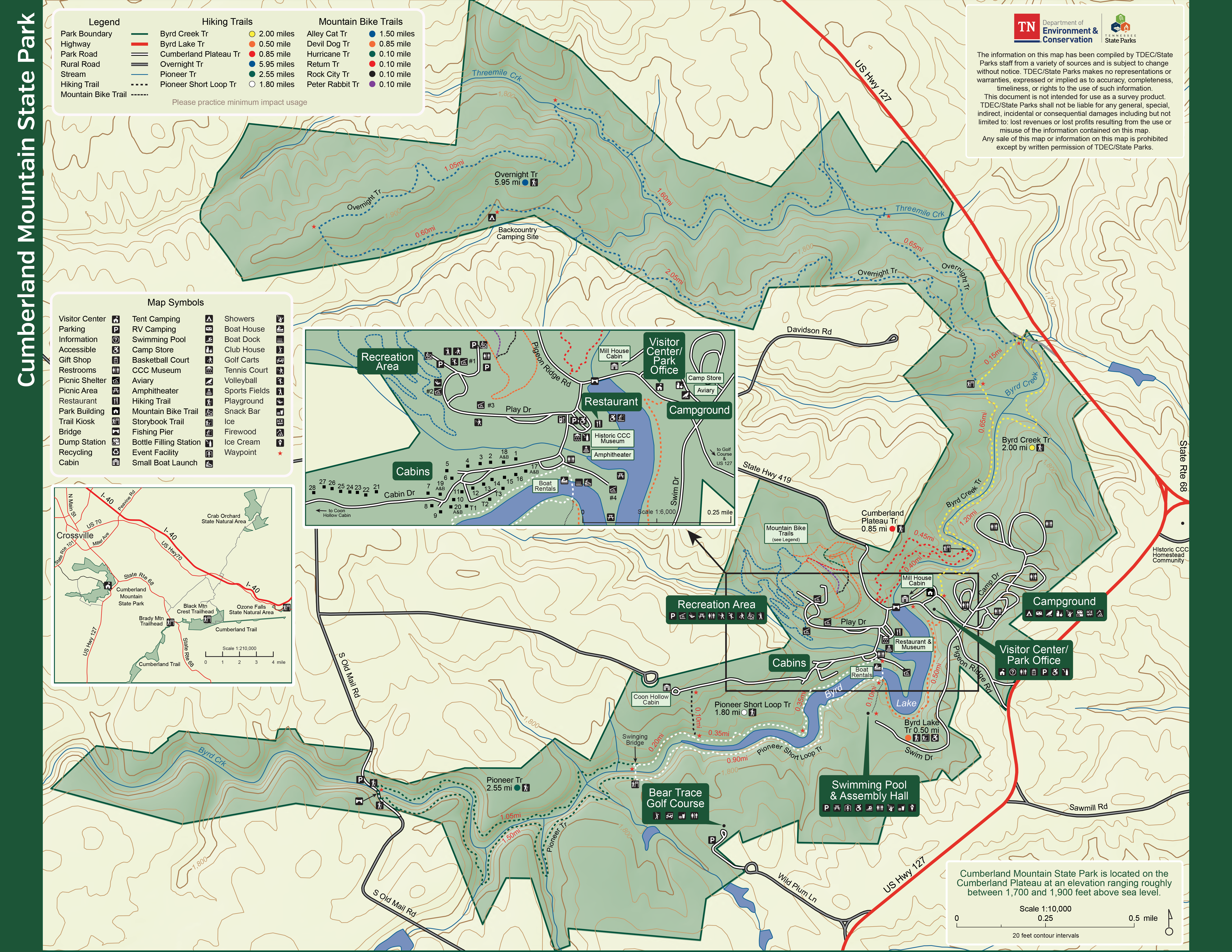
Venture beyond the well-trodden paths and discover the hidden gems of Cumberland Mountain State Park. Explore the rock features on the Pioneer Trail (green in color) and pass between them while hiking. These rock overhangs bring beauty and showcase the rock formations of the Cumberland Plateau. The large forest that encompasses this trail has natural beauty and numerous wildflowers during specific times of the year.
The Jack Nicklaus Bear Trace golf course features a design that capitalizes on elevation changes as well as natural features, such as flowing brooks and clustered, mature pines.
-
Know Before You Go
When visiting Cumberland Mountain State Park, keep in mind that Campground area 1 is open year-round. Campground area 2 closes November 30. Campground areas 3, 4, 5, the boat dock, and the camp store close October 31. Areas begin opening by mid-April. All areas are open by Memorial Day weekend. The swimming pool will close on Labor Day. We close the outside restroom at Shelter 1 in late November (due to it not having heat). There will be no closures for cabins, shelters, and playgrounds throughout the year. Please be aware of seasonal daylight hours and avoid hiking in the dark.


Trails
Cumberland Mountain State Park boasts a variety of trails for all skill levels. The Byrd Lake Trail (orange in color) is paved and ADA accessible, and travels around a portion of Byrd Lake. For a longer hike, try the Overnight Trail (blue in color), a six-mile loop off the Byrd Creek Trail.
-
Mountains and Vistas
Visitors can see more beauty coming to the park by accessing Highway 127 South. From the front entrance of the park, located off Highway 127, visitors can view the mountains (Black Mountain, Brady Mountain, and Hinch Mountain).
-
Water Features
While Cumberland Mountain State Park does not have waterfalls, Byrd Creek flows through the park. But be aware — the creek can be prone to flash flooding.


Plants
Explore the diverse flora of Cumberland Mountain, with native wildflowers blooming throughout the park.
The Cumberland Plateau Trail (red in color) and the Pioneer Trail (green in color) are great for wildflower viewing. Speak with a Park Ranger to learn more about the unique plant life and the impact of the seasons on the park's flora.

Plant Types
- Pink Lady Slippers
- Orchids
Birds
Herons, belted kingfishers, and ducks in migration or wintering can be seen from the lakeshore.
Woodland birds are common. In the summer, expect yellow-billed cuckoo, flycatchers, wood thrush, warblers, blue-gray gnatcatcher, scarlet tanager, indigo bunting, and vireos. Red-tailed hawk, woodpeckers, Carolina chickadee, tufted titmouse, Carolina wren, American goldfinch, and eastern towhee may be encountered year-round. In all, 105 species of birds have been observed.

Bird Species
- American Crow
- American Goldfinch
- American Redstart
- American Robin
- Barred Owl
- Belted Kingfisher
- Blue Jay
- Brown Thrasher
- Bufflehead
- Canada Goose
- Carolina Chickadee
- Carolina Wren
- Common Yellowthroat
- Cooper’s Hawk
- Eastern Bluebird
- Eastern Phoebe
- Eastern Whip-poor-will
- Flycatchers
- Greater Yellowlegs
- Least Sandpiper
- Lesser Yellowlegs
- Mallard
- Marsh Wren
- Mourning Dove
- Northern Bobwhite
- Northern Cardinal
- Northern Flicker
- Ovenbird
- Owls
- Pectoral Sandpiper
- Prairie Warbler
- Red-headed Woodpecker
- Sandhill Crane
- Sedge Wren
- Solitary Sandpiper
- Song Sparrow
- Spotted Sandpiper
- Thrushes
- Tufted Titmouse
- Vireos
- Warblers
- Water Birds
- White-breasted Nuthatch
- White-eyed Vireo
- Wild Turkey
- Woodland Birds
- Woodpecker
- Yellow-breasted Chat
Animals
Keep an eye out for the diverse wildlife that call Cumberland Mountain State Park home.
Shelter 1 and Byrd Lake are great areas for viewing wildlife. To learn more about the unique animal life and the impact of the seasons on the park's fauna, speak with a Park Ranger.

Animal Species
- Squirrels
- Geese
- Skunks
- Raccoon
- Red Fox
- Deer
Inspiration
-
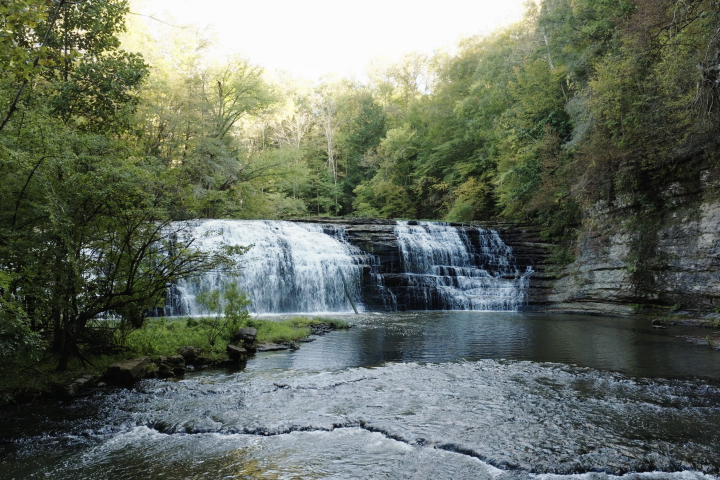
Waterfalls in Middle Tennessee: What to See and Where to Stay
Waterfalls in Middle Tennessee: What to See and Where to Stay - Read ArticleTennessee’s most scenic waterfalls are found in state parks. Use this guide to plan your visit and discover where to stay near eight popular falls. -
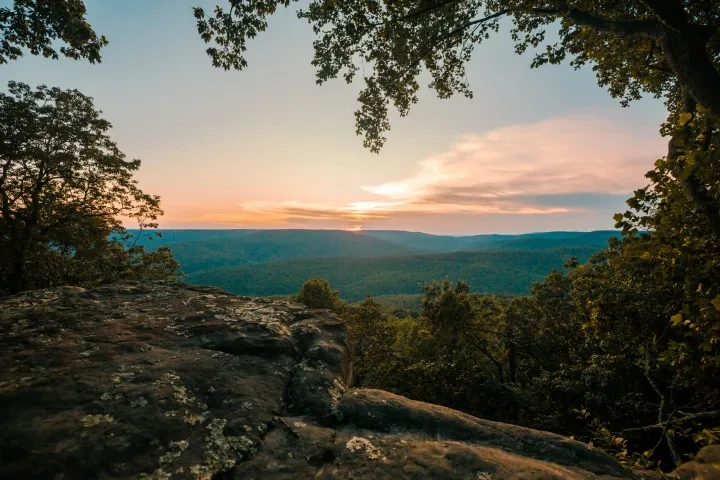
Scenic State Park Overlooks in Tennessee
Scenic State Park Overlooks in Tennessee - Read ArticleWant to enjoy Tennessee’s beauty with everyone in the family? Explore state parks across the region that offer accessible viewpoints for wheelchairs and strollers. -

Delicious Tennessee Adventures: 7 Tennessee State Parks with On-Site Restaurants
Delicious Tennessee Adventures: 7 Tennessee State Parks with On-Site Restaurants - Read ArticleExplore seven Tennessee State Parks with on-site restaurants. Hike, swim, or golf by day, then enjoy satisfying meals and scenic views when it’s time to refuel. -
Four Camping Destinations Near Cookeville
Four Camping Destinations Near Cookeville - Read ArticleClose to some of Tennessee’s best waterfalls and overlooks, Cookeville makes camping easy. Explore three nearby campgrounds perfect for a quick outdoor getaway.