Montgomery Bell Highlights
Iron, Faith, and Renewal
Step into a world where the echoes of iron furnaces mingle with the whispers of faith and the resilience of nature intertwines with human endeavor. Montgomery Bell State Park is more than just a scenic escape; it's a living tapestry woven from the threads of industry, spirituality, and conservation. From its historic ironworks to its tranquil lakes and verdant forests, this park offers a journey through time and a chance to connect with the heart of Tennessee. Visit Montgomery Bell State Park and uncover its captivating story.
Discover Montgomery Bell State Park
History
The history of Montgomery Bell State Park begins in the early 1800s with the rise of the iron industry.
Laurel Furnace, owned by Robert Napier, was key in the iron industry, producing pig iron and hollow ware. The facility utilized enslaved laborers to extract and process iron ore for much of its life and converted to steam power in the 1850s.
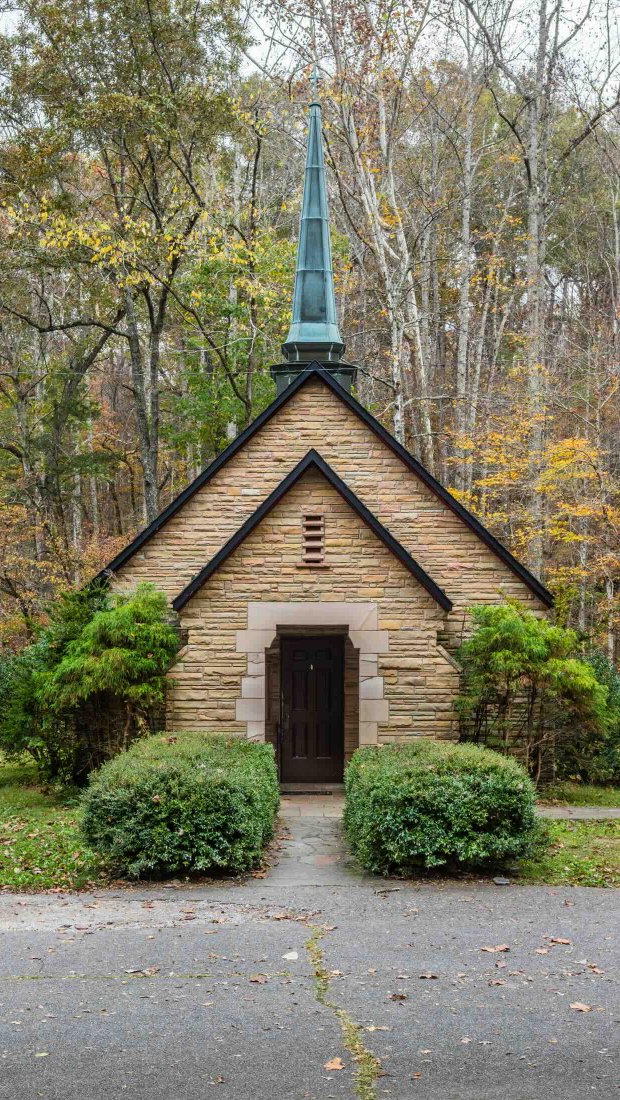
In addition to industry, the area provides a significant site for religious history. In 1810, the Cumberland Presbyterian Church was founded near what is now the park's Group Camp 1.
The Civilian Conservation Corps (CCC) constructed much of the park's original infrastructure during the Great Depression, including the three lakes, Group Camp 1, and various other structures. The CCC camp that worked at Montgomery Bell was a Black company, adding another layer to the park's historical significance.
Montgomery Bell State Park was officially established in 1943, preserving this unique blend of industrial, religious, and conservation history for generations to come. The park’s namesake, Montgomery Bell, was the most famous iron tycoon in the Dickson County area.
Today, preservation efforts continue, with ongoing maintenance of Group Camp 1 and the clearing of residual foundations at the original CCC campsite. The park also showcases its history through the Iron Mike statue at the Park Office and a CCC monument at the entrance to the Lake Woodhaven boat access area.
From the Rangers
-
-
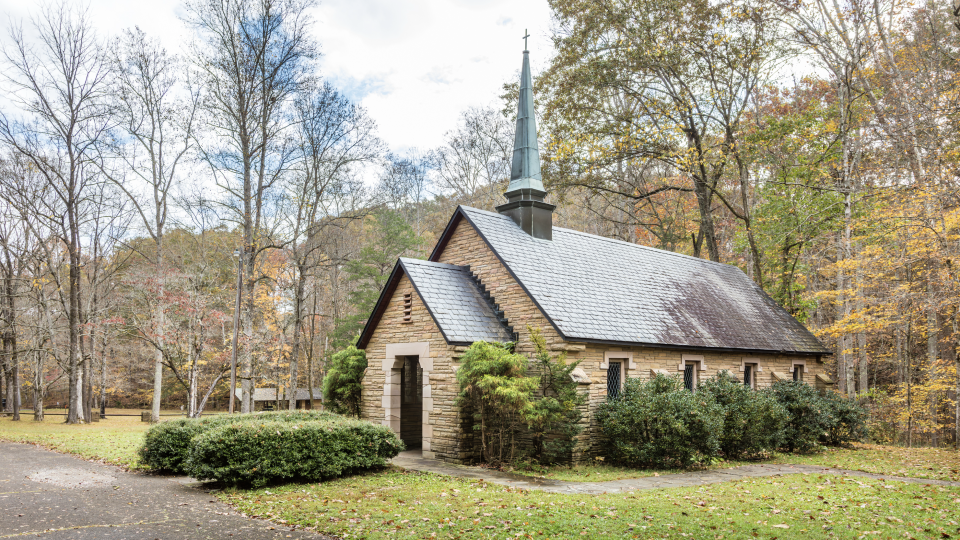 Image Subject By Aerial Innovations Southeast
The Perfect Day
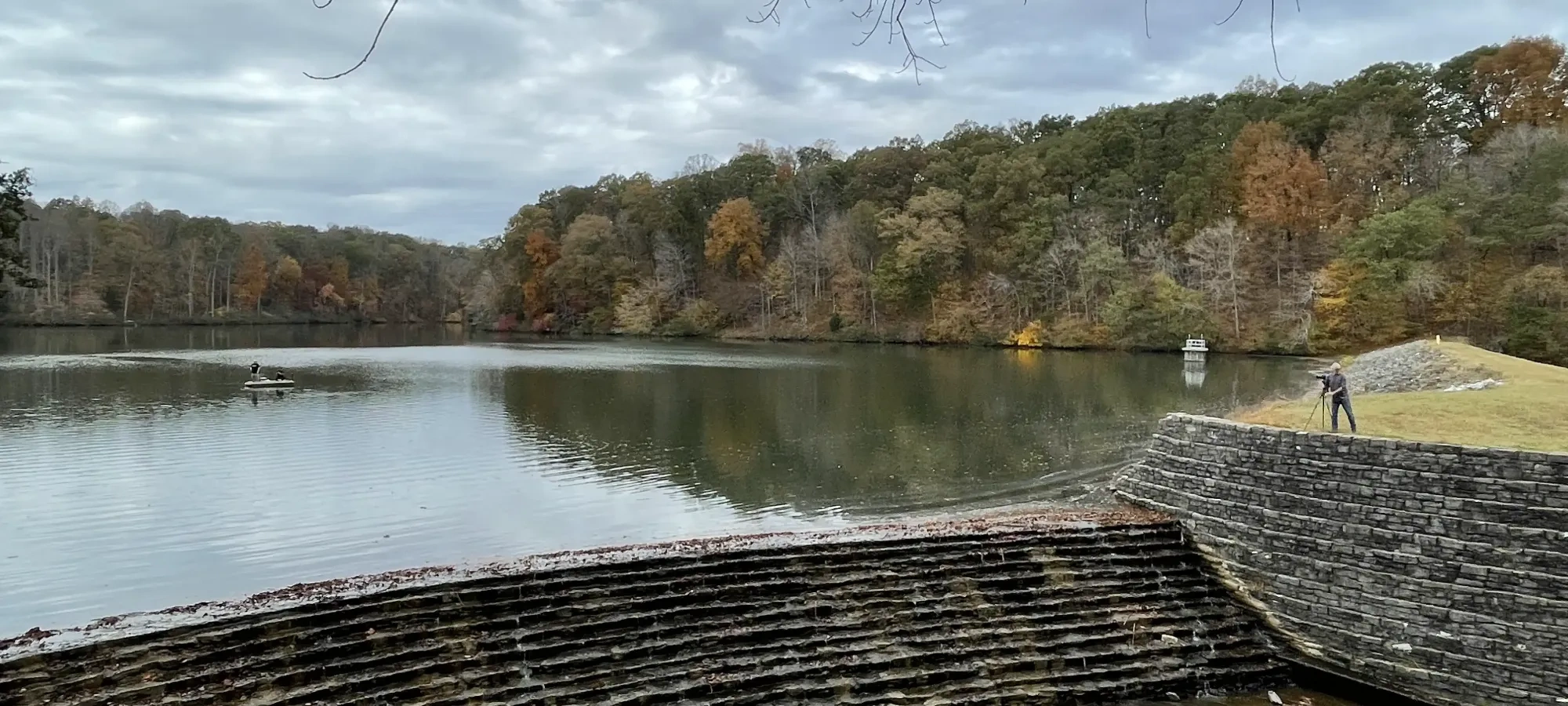
Begin your day with a hike along the Spillway Trail to the scenic Lake Woodhaven Spillway. Then visit the Cumberland Presbyterian Church shrine to admire its stained glass. End your day observing the birds of prey at the Park Office.
-
Insider Information
For a truly immersive experience, venture off the beaten path and discover the hidden gems of Montgomery Bell State Park. In the spring, explore the Hall Springs area, where you'll find a stunning display of wildflowers. Keep an eye out for deer in the evenings, just before sunset, and watch for kingfishers and great blue herons on the lakes and creeks. Between Lake Woodhaven and Lake Acorn, you might even spot eagles soaring overhead.
The 18-hole golf course is a local treasure, with a clubhouse, snack bar, and pro shop, plus a furnished patio that can be reserved for events.
-
Know Before You Go
Before visiting Montgomery Bell State Park, keep in mind that cell service can be spotty, especially near Highway 47 and at Church Hollow, Group Camp 1, and the golf course. Cell phone reception is good at the Park Office and campground. Tengo Internet is available for the campground and cabins. From Exit 182, take Highway 96 all the way down to Highway 70, turn right. For those with RVs or horse trailers, it's best to enter from Highway 70. From Exit 182, take Highway 96 all the way down to Highway 70, turn right.


Trails
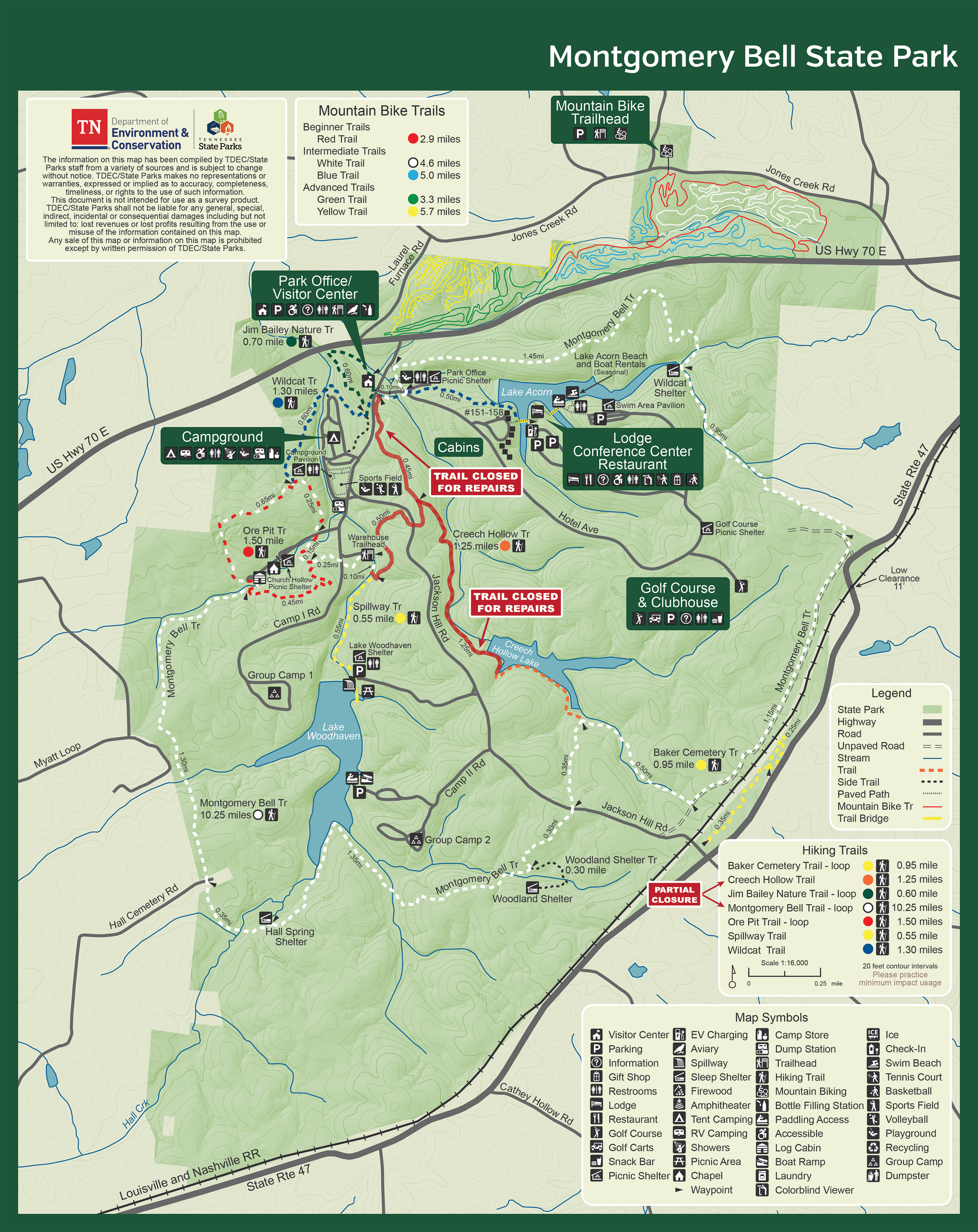
Montgomery Bell State Park boasts a variety of trails for all skill levels, from easy strolls to challenging hikes. The Jim Bailey Trail, the Spillway Trail, and the Montgomery Bell Trail near Hall Springs are particularly rewarding for wildflower viewing in the spring. The Ore Pit trail offers a glimpse into the park's industrial past, leading visitors to the remnants of iron ore mining operations.
-
Scenic Viewpoints
The park offers scenic viewpoints and overlooks that showcase the beauty of the surrounding landscape. The small overlook at Lake Woodhaven Spillway provides a picturesque view of the lake and spillway. The patio/catwalk at the Lodge overlooking Lake Acorn offers another stunning vantage point.
-
Water Features
The park's three lakes — Lake Woodhaven, Lake Acorn, and Creech Hollow Lake—are central to its appeal. Swimming is permitted at the Swim Beach located on Lake Acorn. Canoeing, kayaking, and fishing are popular activities on all three lakes.

Plants
Montgomery Bell State Park is home to a diverse array of flora, with common southeastern species found throughout the park.
The flora changes throughout the park, depending on the habitat. There are areas that stay wet and areas with elevation, as well as a variety of usage and canopy cover. Be sure to speak with a Park Ranger during your visit to learn more about the unique plants of Montgomery Bell.

Plant Types
- Black Walnut
- Wildflowers (General)
- Southeastern Species
- Bluebells
- Bluestem
Birds
The primary habitat is open forest with small field openings and roadway edges.
The lakes attract small numbers of waterfowl such as mallard and wood duck, and bald eagle primarily in winter. Twenty miles of trails wind through woods or adjacent to roadways or fields, allowing observation of such residents as Carolina chickadee, tufted titmouse, white-breasted nuthatch, barred owl, and many more. During migration, a variety of warblers can be seen along with breeding red-eyed and yellow-throated vireos. Northern parula can be heard or seen in summer at the creek next to the visitor center. Montgomery Bell has had 139 species identified.

Bird Species
- American Coot
- American Goldfinch
- American Robin
- Bald Eagle
- Barred Owl
- Belted Kingfisher
- Blue Grosbeak
- Broad-winged Hawk
- Canada Goose
- Carolina Wren
- Cedar Waxwing
- Cerulean Warbler
- Chimney Swift
- Common Yellowthroat
- Cooper’s Hawk
- Double-crested Cormorant
- Eastern Bluebird
- Eastern Kingbird
- Field Sparrow
- Golden-crowned Kinglet
- Great Blue Heron
- Great Egret
- Great Horned Owl
- Green Heron
- Hairy Woodpecker
- Henslow’s Sparrow
- Hooded Warbler
- Indigo Bunting
- Kentucky Warbler
- Louisiana Waterthrush
- Northern Cardinal
- Northern Flicker
- Northern Harrier
- Pileated Woodpecker
- Prairie Warbler
- Prothonotary Warbler
- Red-bellied Woodpecker
- Red-breasted Nuthatch
- Red-headed Woodpecker
- Red-shouldered Hawk
- Red-tailed Hawk
- Ruby-crowned Kinglet
- Ruby-throated Hummingbird
- Song Sparrow
- Summer Tanager
- Swamp Sparrow
- White-throated Sparrow
- Wild Turkey
- Wood Thrush
- Yellow Warbler
- Yellow-bellied Sapsucker
- Yellow-breasted Chat
- Chipping Sparrow
- Grasshopper Sparrow
Animals
The park is teeming with wildlife, offering ample opportunities for animal encounters.
To learn more about the unique animals of Montgomery Bell State Park, be sure to speak with a Park Ranger during your visit.

Animal Species
- Copperhead
- Squirrels
- Deer
- Woodchuck (Groundhog)
Inspiration
-
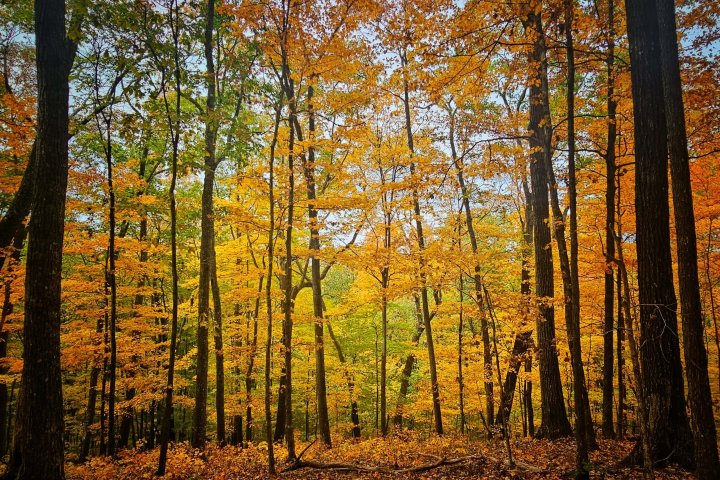
Where and When to View Fall Colors in Tennessee State Parks
Where and When to View Fall Colors in Tennessee State Parks - Read ArticlePlan your fall foliage trip with tips on the best Tennessee State Parks to visit and when colors peak across the state. -
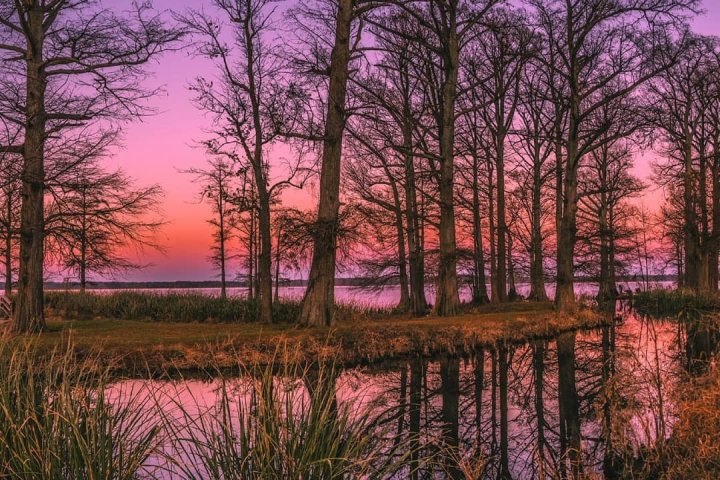
Best Tennessee State Parks to Watch the Sunrise and Sunset
Best Tennessee State Parks to Watch the Sunrise and Sunset - Read ArticleLooking for sunrise or sunset views? Tennessee State Parks deliver stunning scenes across lakes, forests, and gorges. Discover top spots to watch the sun show off. -
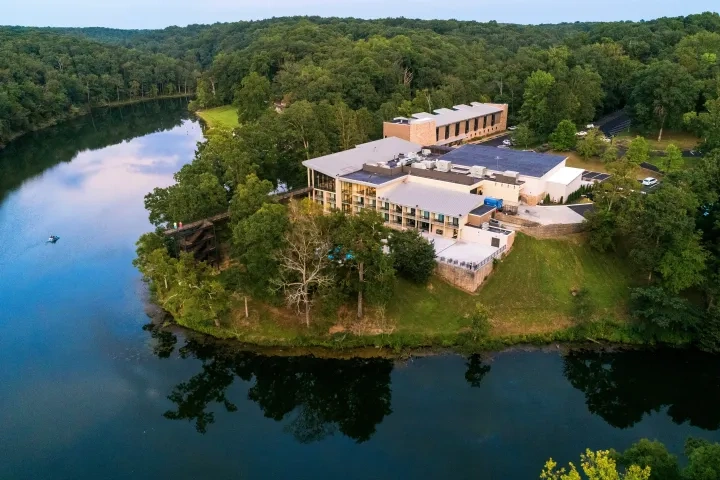
Lakefront Lodge Getaways in Tennessee
Lakefront Lodge Getaways in Tennessee - Read ArticleThese four lakeside lodges offer stunning views, dining, lake access, and endless park activities. Enjoy comfort, nature, and the perfect spot for your next getaway. -

5 State Park Getaways to Take with Your Dog in Tennessee
5 State Park Getaways to Take with Your Dog in Tennessee - Read ArticleEnjoy the outdoors with your furry friend at Tennessee State Parks. With pet-friendly cabins, lodges, and campsites, these parks are perfect for your next trip.