
Sycamore Shoals Highlights
A Crossroads of History: Where Tennessee Began
Step back in time at Sycamore Shoals State Historic Park, where the seeds of Tennessee's story were sown. This park isn't just a place to wander scenic trails; it's a portal to pivotal moments that shaped the state and the nation. From the whispers of Native American gatherings to the echoes of revolution, Sycamore Shoals holds the key to understanding the spirit of the Volunteer State. Intrigued? Discover the full tapestry of tales woven into this land.
Discover Sycamore Shoals State Historic Park
Sycamore Shoals State Historic Park is more than a park; it's a place where cultures collided and a nation began to take shape. For centuries, the area served as a gathering place for Native American tribes — a neutral ground where trade and diplomacy flourished. The shoals themselves, a shallow crossing on the Watauga River, made this location a natural crossroads. As European settlers pushed westward, Sycamore Shoals became a vital point of contact, a place where the dreams of pioneers intertwined with the ancient heritage of the land. It was here that treaties were forged, decisions were made, and the spark of independence ignited, forever changing the course of history. Today, Sycamore Shoals State Historic Park invites you to walk in the footsteps of those who came before, to feel the weight of history, and to connect with the spirit of this remarkable place.

History
The story of Sycamore Shoals State Historic Park is a tapestry woven from threads of Native American heritage, colonial ambition, and revolutionary fervor.
Long before European settlers arrived, the area served as a vital crossroads for indigenous peoples, a place where trails converged and cultures mingled. The very name, "Sycamore Shoals," speaks to the natural significance of the site, referring to the shallow crossing on the Watauga River, its banks lined with the iconic sycamore trees.
As settlers began to push westward, Sycamore Shoals became a focal point, a place where the dreams of pioneers collided with the ancient rhythms of the land. It was here, in 1772, that the Watauga Association was formed — a bold experiment in self-governance that laid the groundwork for the future state of Tennessee. This spirit of independence was further tested in 1775 with the controversial Transylvania Purchase, a land deal that opened vast territories but also ignited conflict with the Cherokee. The flames of war flared in 1776, as Fort Watauga stood as a beacon of resistance against Cherokee attacks, its defenders embodying the resilience of the early settlers.
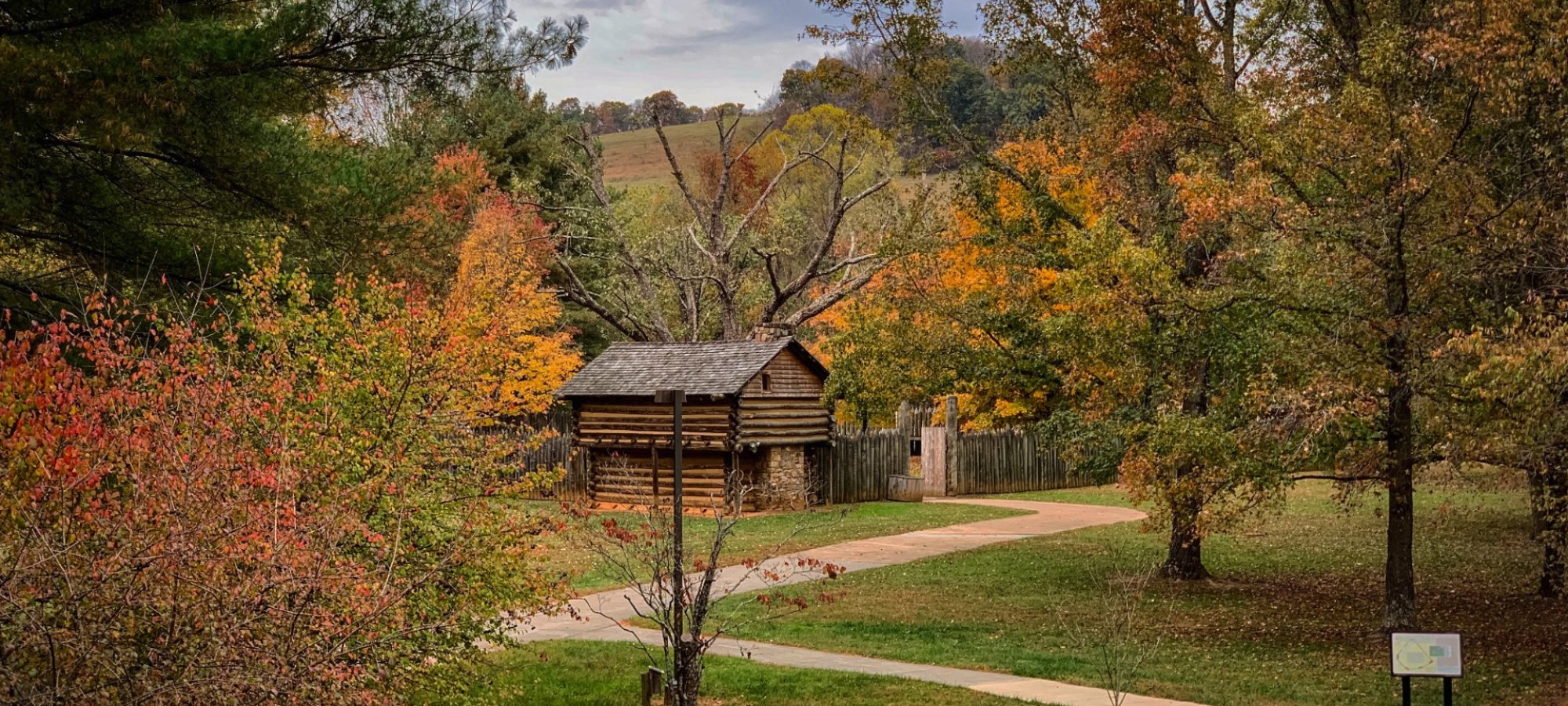
Perhaps the most iconic moment in Sycamore Shoals' history came in 1780, when it served as the mustering point for the Overmountain Men, those hardy frontiersmen who marched to Kings Mountain and delivered a crushing blow to the British, turning the tide of the American Revolution. Today, Sycamore Shoals State Historic Park stands as a testament to this rich and complex past, inviting visitors to explore the reconstructed Fort Watauga, delve into the stories within the museum, and wander the grounds where history unfolded.
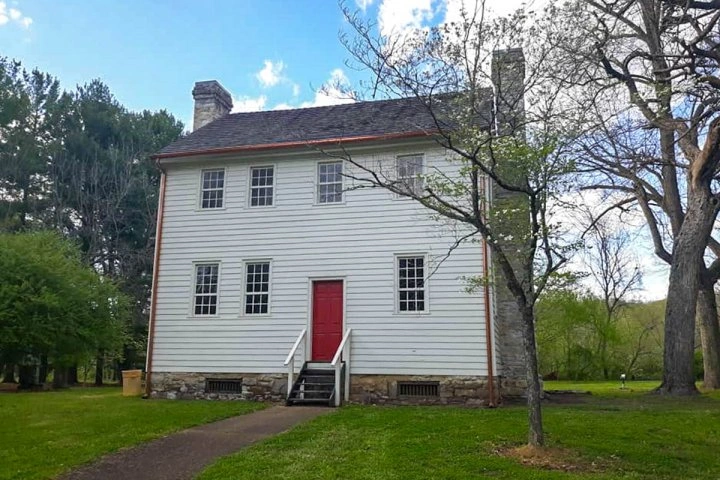
The park was established in 1976 to preserve and interpret the rich history of the area. The park features a reconstructed Fort Watauga, a museum, and the historic Carter Mansion and Sabine Hill State Historic Site, offering visitors a comprehensive glimpse into the past. The park is tied to several historical figures, including Attakullakulla, Dragging Canoe, Nanyehi, John Carter, James Robertson, John Sevier, Matthew Talbot, Ann Robertson, Mary Taylor, Landon Carter, and Elizabeth Carter.
Fort Watauga was reconstructed in the 1970s, and a major maintenance project to replace the fort walls was conducted in 2023. The Carter Mansion was restored in the 1970s and opened as a historic house museum. Sabine Hill was restored by the Tennessee Historical Commission and opened as a historic house museum in 2017.
From the Rangers
-
The Perfect Day
Begin your day with a visit to the park's award-winning museum to immerse yourself in the history of the area. Then, step back in time at the reconstructed Fort Watauga, imagining life on the frontier. Finally, take a leisurely stroll along the Patriots Path walking trail, enjoying the riverside scenery and keeping an eye out for local wildlife.
-
Insider Information
For a truly special experience, walk along the Patriots Path riverside trail. This mile-long loop offers stunning views of the Watauga River and is a prime spot for wildlife viewing. Keep an eye out for great blue herons and bald eagles, which frequently nest along the riverbank.
-
Know Before You Go
Sycamore Shoals State Historic Park is easily accessible via the main road it is located on. Cell service is available throughout the park, but Wi-Fi is not offered. Remember to exercise caution near the Watauga River, as water levels can change rapidly due to releases from the Tennessee Valley Authority (TVA)/Wilbur Dam.


Land and Water
-
Trails
The park features the beautiful mile-long Patriots Path riverside trail, which is dog-friendly and offers scenic views of the Watauga River. This trail is an excellent spot for wildlife viewing and enjoying the natural beauty of the area.
-
Water Features
The Watauga River flows alongside the park trails, providing a beautiful scenic view with farmland on the opposite side. The river is used by families playing in the creek and fly fishers wading in the river.


Plants
To learn more about the unique plant life of the park, be sure to speak with a Park Ranger during your visit.
Plant Types
- Wildflowers (General)
- Sycamore (American Sycamore)
- Redbud (Eastern Redbud)
- River Birch
- Trillium
- Bloodroot
- Violets
- Common Jewelweed
- River Cane
- Eastern White Pine
- Ironweed
Birding
Birding at Sycamore Shoals State Historic Park is good throughout the year, but best during the spring and fall migrations.
The Patriots Path is popular for spotting yellow-crowned night herons, various waterfowl, and migratory warblers along the river. During early May and October, the Lee and Lois Herndon Chapter of the Tennessee Ornithological Society leads Saturday morning bird walks at the park. The walks are a great opportunity for experienced birders and new enthusiasts to meet other birders and naturalists and view the park’s wildlife.

Bird Species
- American Goldfinch
- American Robin
- Belted Kingfisher
- Black-crowned Night Heron
- Blue Jay
- Blue-gray Gnatcatcher
- Blue-winged Teal
- Brown Thrasher
- Bufflehead
- Canada Goose
- Carolina Chickadee
- Carolina Wren
- Cedar Waxwing
- Chimney Swift
- Cliff Swallow
- Cooper’s Hawk
- Downy Woodpecker
- Eastern Bluebird
- Eastern Phoebe
- Eastern Screech-Owl
- Eastern Wood-Pewee
- Golden-crowned Kinglet
- Great Blue Heron
- Great Crested Flycatcher
- Great Egret
- Great Horned Owl
- Hairy Woodpecker
- Indigo Bunting
- Mallard
- Northern Cardinal
- Northern Flicker
- Orchard Oriole
- Osprey
- Pileated Woodpecker
- Red-bellied Woodpecker
- Red-eyed Vireo
- Red-tailed Hawk
- Red-winged Blackbird
- Ring-billed Gull
- Ruby-crowned Kinglet
- Ruby-throated Hummingbird
- Field Sparrow
- Spotted Sandpiper
- Tree Swallow
- Tennessee Warbler
- Tufted Titmouse
- Turkey Vulture
- Vireos
- Warblers
- White-breasted Nuthatch
- White-eyed Vireo
- White-throated Sparrow
- Wild Turkey
- Wood Duck
- Woodpecker
- Yellow-billed Cuckoo
- Yellow-crowned Night-Heron
- Yellow Warbler
- House Finch

Animals
Speak with a Park Ranger to learn more about the unique animal life of the park.
Animal Species
- River Otters
- Deer
- Groundhogs
- White-tailed Deer
- Eastern Cottontail Rabbit
- American Beaver
- Muskrats
- Opossum (Virginia Opossum)
- Raccoon
- Striped Skunk
- Bats (various species, e.g., Big Brown Bat)
- Grey Squirrels
Inspiration
-
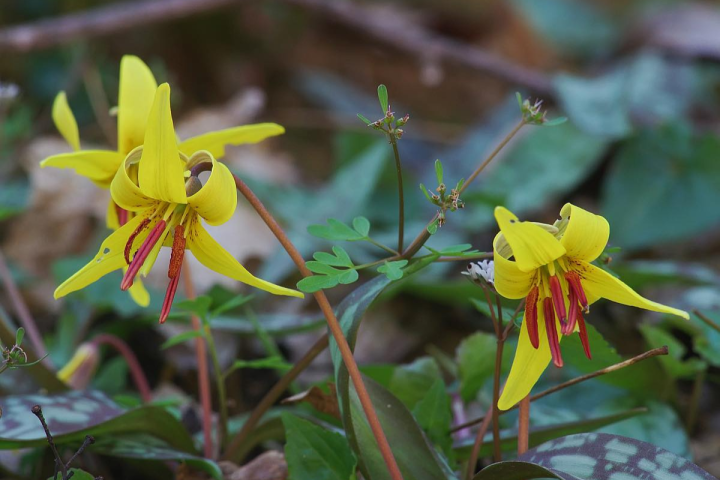
Spring Wildflower Scavenger Hunt
Spring Wildflower Scavenger Hunt - Read ArticleSpring blooms brighten our hiking trails and support pollinators and wildlife. Explore 14 wildflowers and the Tennessee state parks where you can find them. -
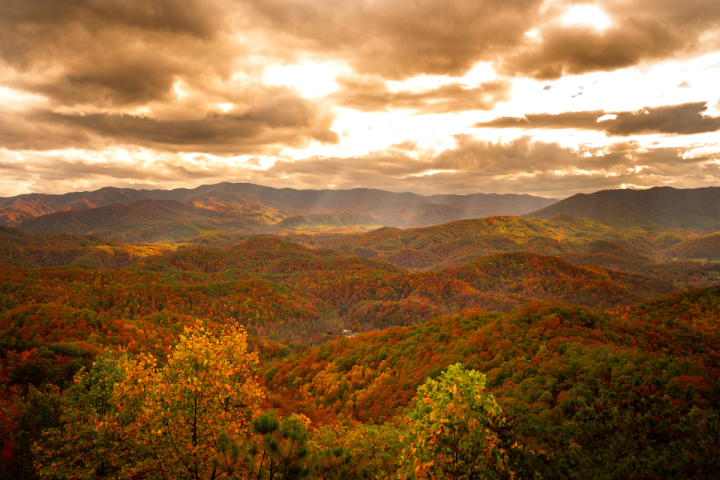
Unique Ways to Experience Fall Foliage in Tennessee
Unique Ways to Experience Fall Foliage in Tennessee - Read ArticleAs leaves change color and crisp air settles in, it's the perfect time to explore Tennessee's natural beauty. With over 60 state parks, you'll find countless opportunities to witness autumn's vibrant hues. Here are some unique suggestions for viewing fall foliage—including what to do and where to visit. -
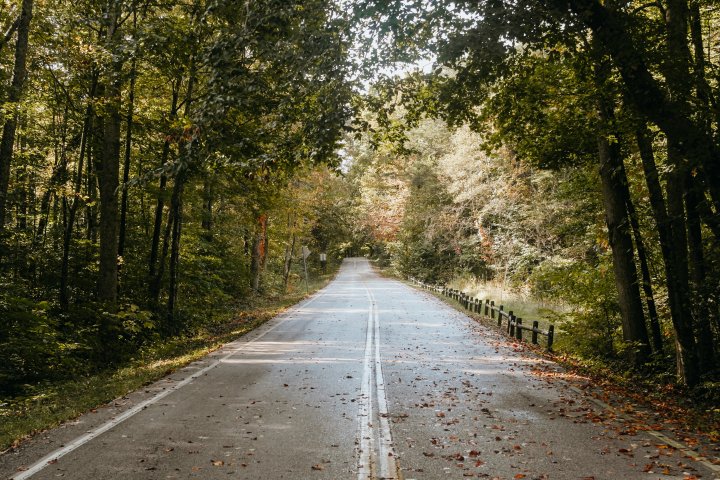
Tennessee State Park Road Trips
Tennessee State Park Road Trips - Read ArticleRoad Trips are great because they’re flexible. We pre-planned five road trips packed with Tennessee State Parks, incredible outdoor adventures, history, and overnight stays. -
The Carter Mansion on Tennessee’s 1700s Frontier
The Carter Mansion on Tennessee’s 1700s Frontier - Read ArticleMarch 20, 2015 | Number 5 in a series of Tennessee State Park History Blogs by Ward Weems.


