Long Hunter Birding
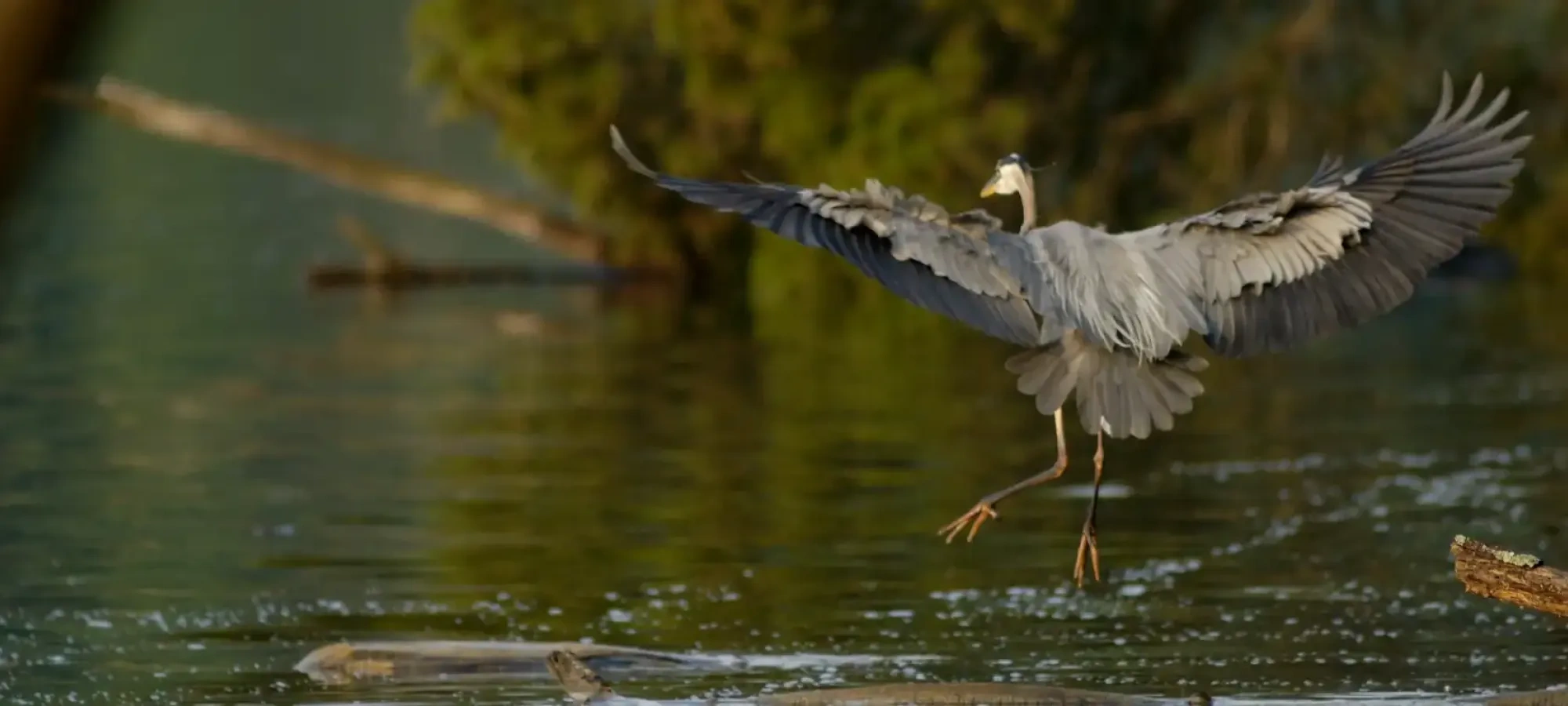
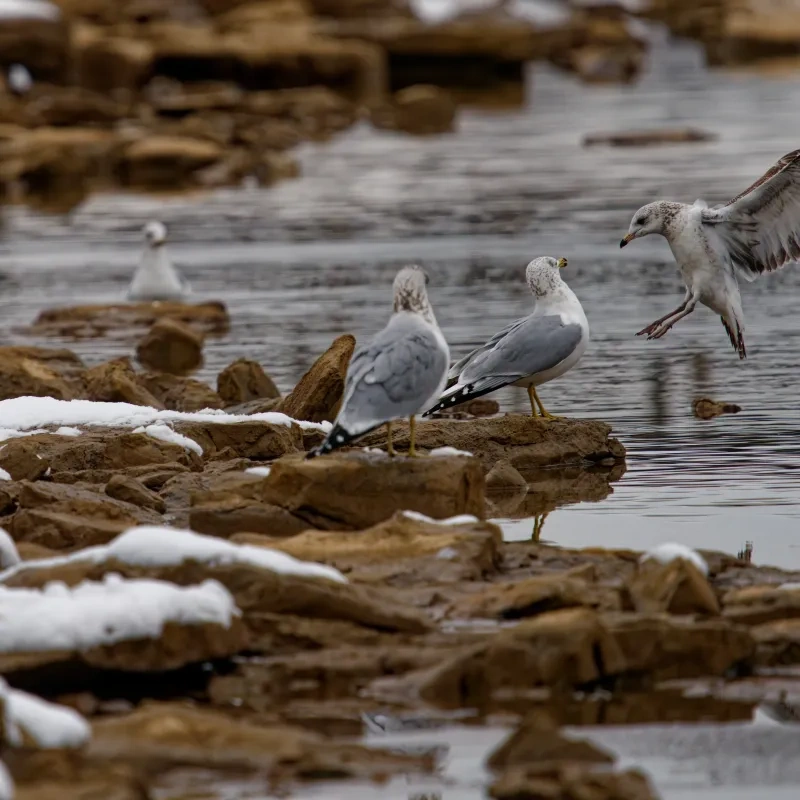
Birding at Long Hunter
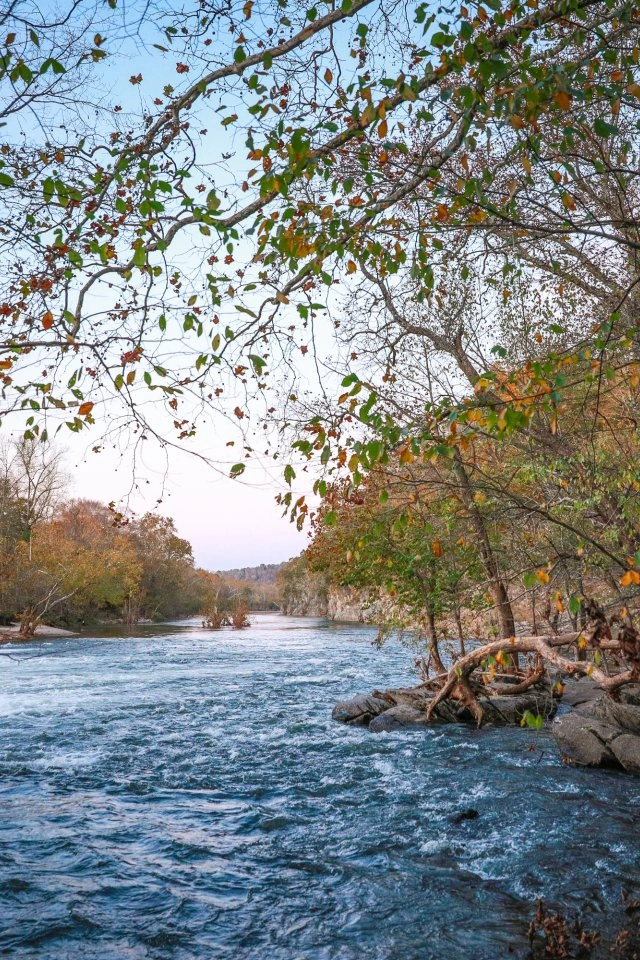
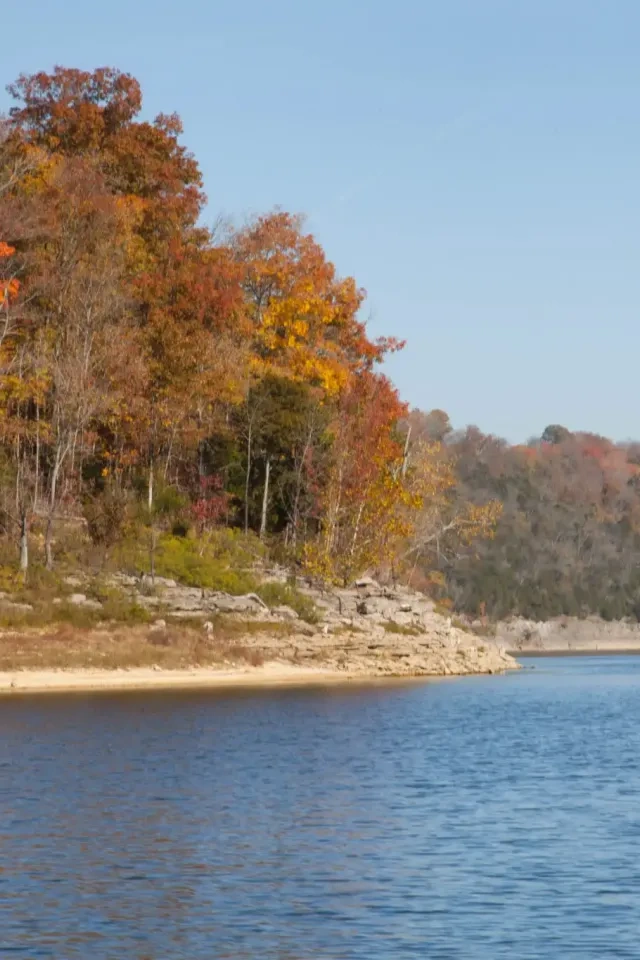
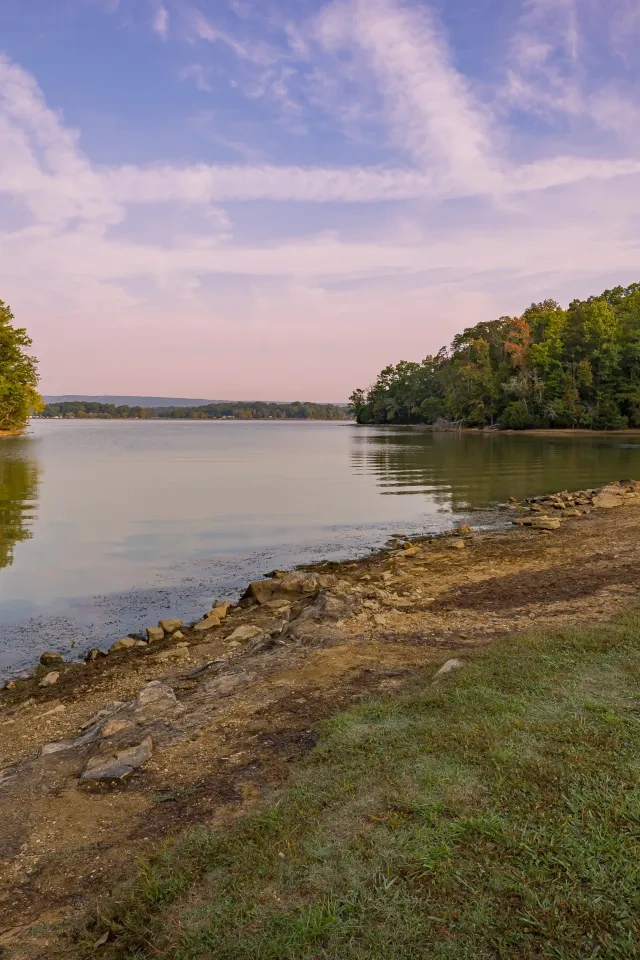
This 2,267-acre park follows 30 miles of shoreline along J. Percy Priest Lake.
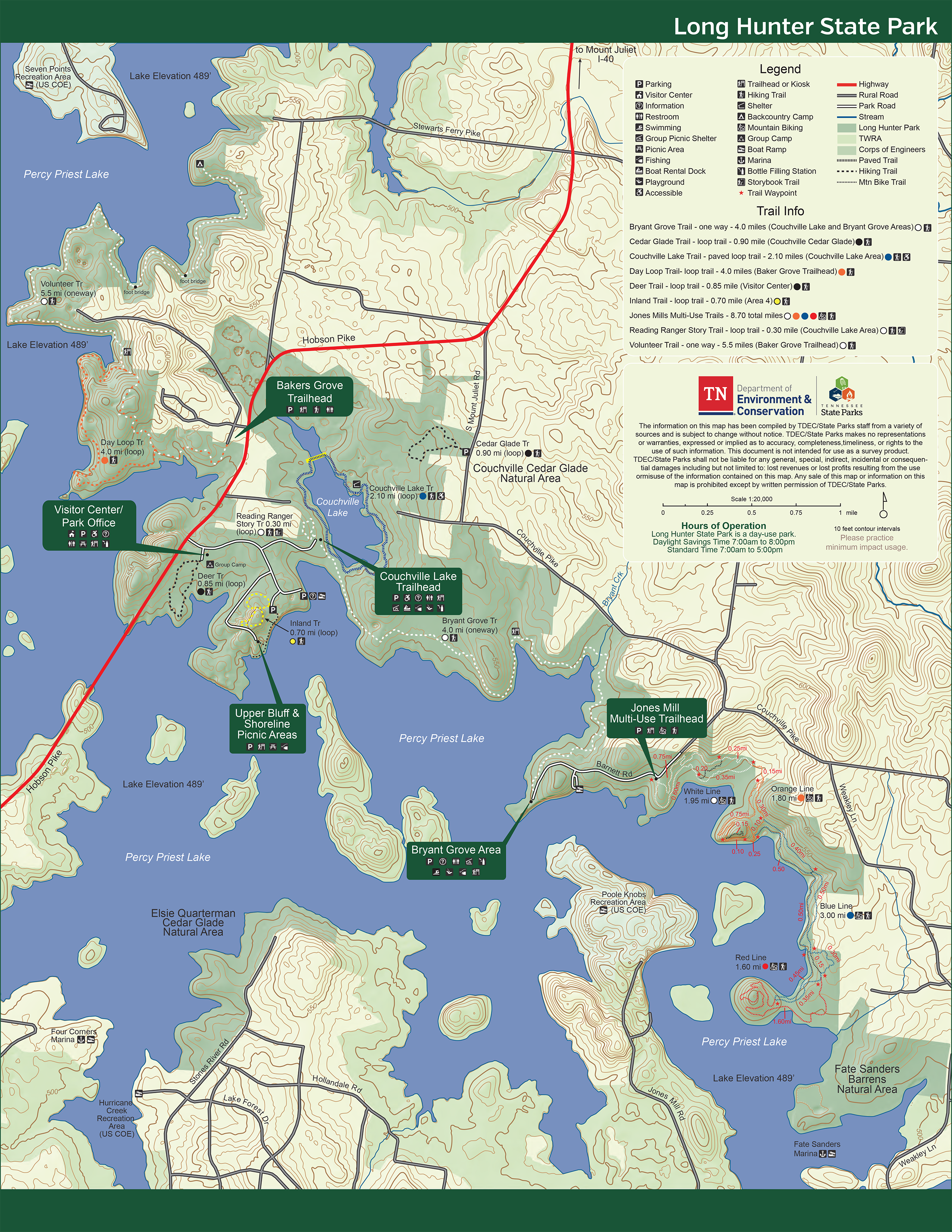
A two-mile paved loop encircles Couchville Lake. Five other hiking trails are present within three units at various access points. Up to 20 species of waterfowl can be seen on J. Percy Priest Lake in winter, including common loon, hooded merganser, bufflehead, horned and pied-billed grebe, gadwall, and lesser scaup. Landbird migrants can be abundant in the woods in spring and fall. Killdeer, common nighthawk, and prairie warbler are breeding residents. Over 202 species have been identified.
Featured Birds
- Field Sparrow
- Song Sparrow
- American Goldfinch
- Cooper’s Hawk
- Carolina Wren
- Great Crested Flycatcher
- White-eyed Vireo
- Common Loon
- Double-crested Cormorant
- Black Vulture
- Turkey Vulture
- Red-bellied Woodpecker
- Pileated Woodpecker
- Prothonotary Warbler
- Yellow Warbler
- Osprey
- Purple Martin
- Northern Rough-winged Swallow
- Ring-billed Gull
- Hooded Merganser
- Barred Owl
- Yellow-billed Cuckoo
- Yellow-bellied Sapsucker
- Scarlet Tanager
- Summer Tanager
- Eastern Wood-Pewee
- Red-eyed Vireo
- Yellow-throated Vireo
- American Redstart
- Black-and-White Warbler
- Migrating Warblers
- Common Nighthawk
- Chuck-will’s-widow
- Killdeer
- Prairie Warbler
- Yellow-breasted Chat
- Orchard Oriole
- Indigo Bunting
- Field Sparrow
- Great Egret
- Common Loon
- Black-crowned Night Heron
- Caspian Tern
- Common Tern
- Forster's Tern
- Blue Grosbeak
- Double-crested Cormorant
- Cattle Egret
- Osprey
- Horned Lark
- Swamp Sparrow
- White-throated Sparrow
- Waders
- Sora
- Shorebirds
Birding Locations
-
Couchville Lake
Featured birds: Black Vulture, Turkey Vulture, Red-bellied Woodpecker, Pileated Woodpecker, Prothonotary WarblerThis flat, paved, mostly shaded trail encircles 110-acre Couchville Lake, traversing an open oak-hickory and successional cedar glade woods. This is one of the most popular walks in the state park system due to its accessibility, lakeshore scenery, abundant wildlife, and arboretum. Couchville Lake has had 125 species observed.
Essential Eligibility Criteria: Travel over asphalt for 2 miles in an estimated 45-90 minutes. Travel over trail for 20 minutes without sitting. Benches are scattered along the trail. Navigate a wooden bridge for 200 feet.
-
-
Inland Trail
Featured birds: Barred Owl, Yellow-billed Cuckoo, Yellow-bellied Sapsucker, Scarlet Tanager, Summer TanagerThis trail winds through open oak-hickory forest with some understory and groundcover growth.
-
-
Couchville Cedar Glade State Natural Area
Featured birds: Common Nighthawk, Chuck-will’s-widow, Killdeer, White-eyed Vireo, Prairie WarblerThis adjacent state natural area preserves an extensive cedar glade/barrens complex. The trail loops around a flat landscape dominated by open limestone and native grass coverage and edges of oak-hickory woods. Couchville Cedar Glade has had 73 species observed.
-
-
Percy Priest Lake: Dam Overlook
Featured birds: Great Egret, Common Loon, Black-crowned Night Heron, Caspian Tern, Forster's TernThe dam area provides extensive views of the lake, where a variety of winter and transient waterfowl stop over. The adjacent Stones River Greenway provides a mix of woodland and shrubland species. Ninety-four species of birds were identified.
-
-
Old Hickory Dam “Snow Bunting” Peninsula Old Hickory Lake Park
Featured birds: Great Blue Heron, Double-crested Cormorant, Cattle Egret, Osprey, KilldeerA large part of Old Hickory Lake can be scanned from this area, with cormorants, grebes, gulls and many winter ducks observed, and occasional sightings of rare species. Largest breeding colonies of wading birds are found on the lake. Over 185 species have been observed.
-
-
Percy Priest WMA, Field Trial Area Entrance
Featured birds: Indigo Bunting, Northern Bobwhite, Blue Grosbeak, Field Sparrow, WadersThe field trail area has a mixture of agricultural fields, old fallow fields, shallow water ponds and a view of Percy Priest Lake. Periodically flooded “goose ponds” are present on both sides of road. 190 bird species identified.
-

Responsible Birding
- Do not endanger the welfare of birds.
- Tread lightly and respect bird habitat.
- Silence is golden.
- Do not use electronic sound devices to attract birds during nesting season, May-July.
- Take extra care when in a nesting area.
- Always respect the law and the rights of others, violators subject to prosecution.
- Do not trespass on private property.
- Avoid pointing your binoculars at other people or their homes.
- Limit group sizes in areas that are not conducive to large crowds.

Discover More at Long Hunter
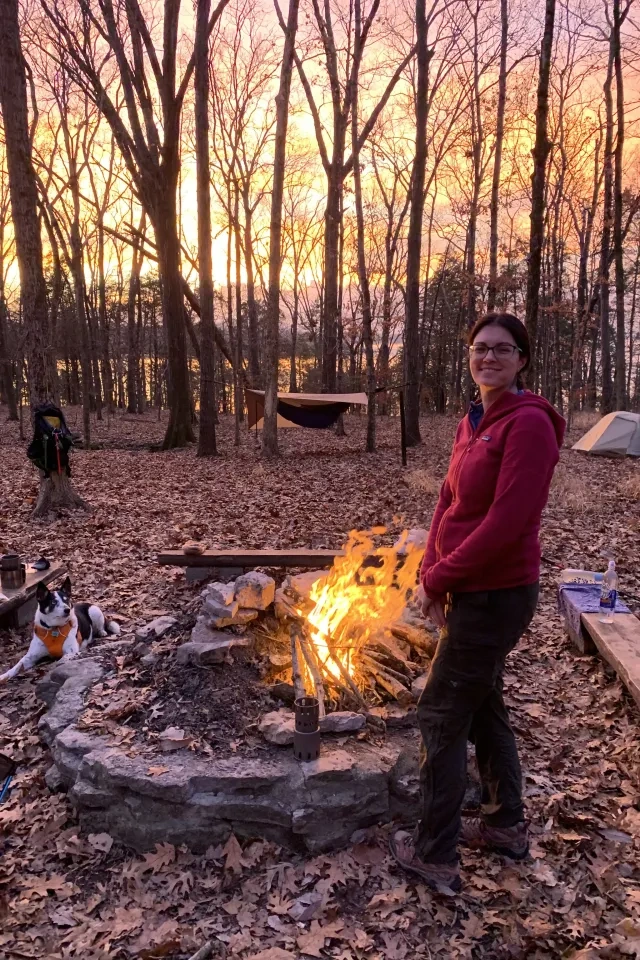


No events are scheduled at this time, but there's always more to explore.