Henry Horton Birding
Warning Alert
Ongoing Construction at Henry Horton State Park
In anticipation of our new lodge opening, there will be a significant impact on the roads and traffic patterns within Henry Horton State Park. We ask that visitors please use caution and follow all road signs while traveling throughout the park's day-use area. A fence will surround the main construction area.
Guests visiting the Visitor Center, Restaurant, Cabins, Shelters, and Conference Hall should expect modified traffic flow and clearly marked detour routes. With construction underway, guests may experience periods of loud construction noise.
Please note:
- Some roads in the lodge area are temporarily closed.
- All guests should follow posted DETOUR signage throughout the park.
- Traffic patterns near the Lodge, Visitor Center, and Day-Use Parking have been adjusted.
- A construction fence surrounds active work zones.
- Guests may experience periods of loud construction noise.
- Please drive slowly and use extra caution when traveling through the park.
Our team will be on-site assisting with directions and parking adjustments to help make your visit as smooth as possible.
We sincerely appreciate your patience and understanding as we begin these exciting enhancements to Henry Horton State Park. We look forward to sharing more soon!
If you have any questions or need assistance during this time, please call the lodge at 931-364-2222 or the park office at 931-364-7724. We look forward to welcoming you!
Birding at Henry Horton
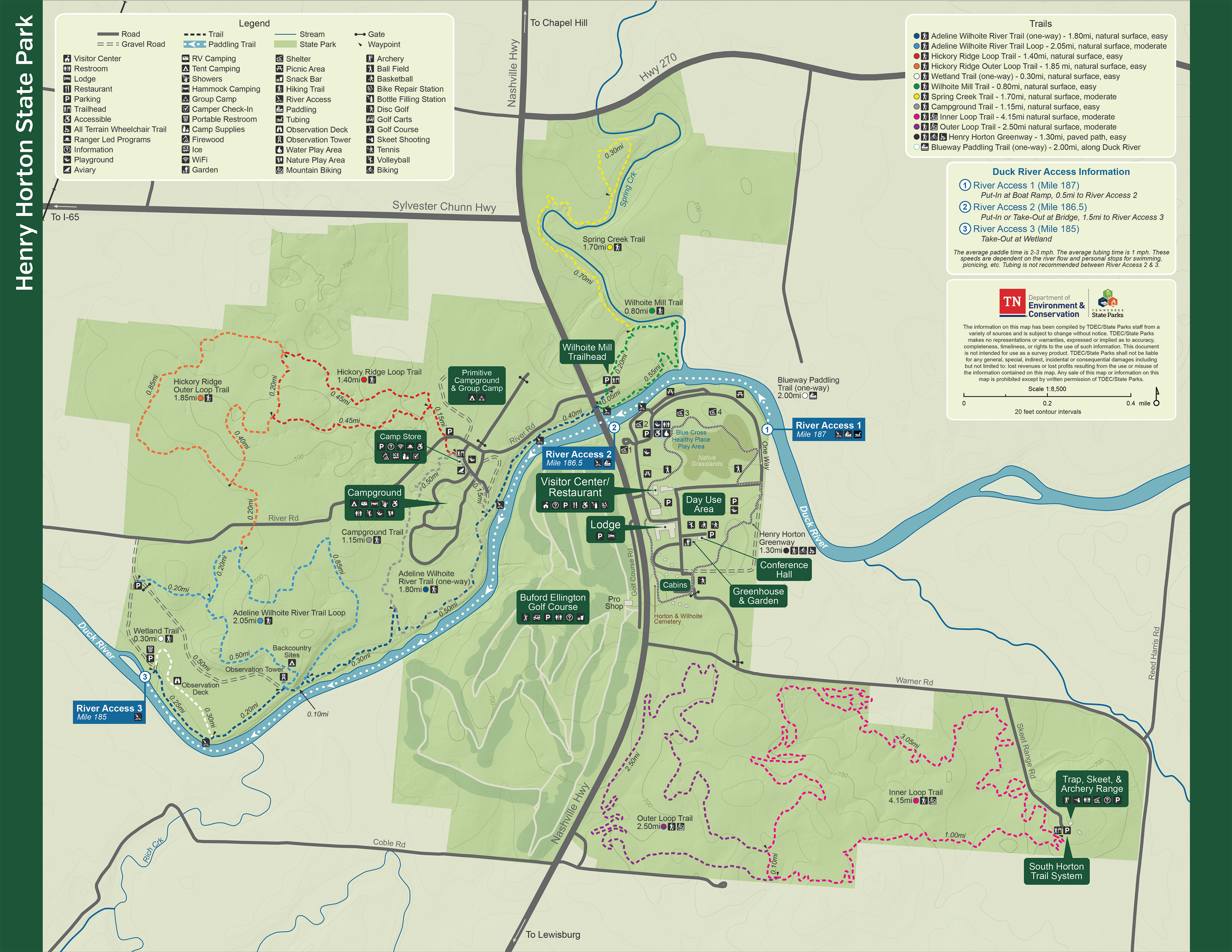
This 1,523-acre park is set in the gently rolling to flat open terrain of Tennessee’s Central Basin.
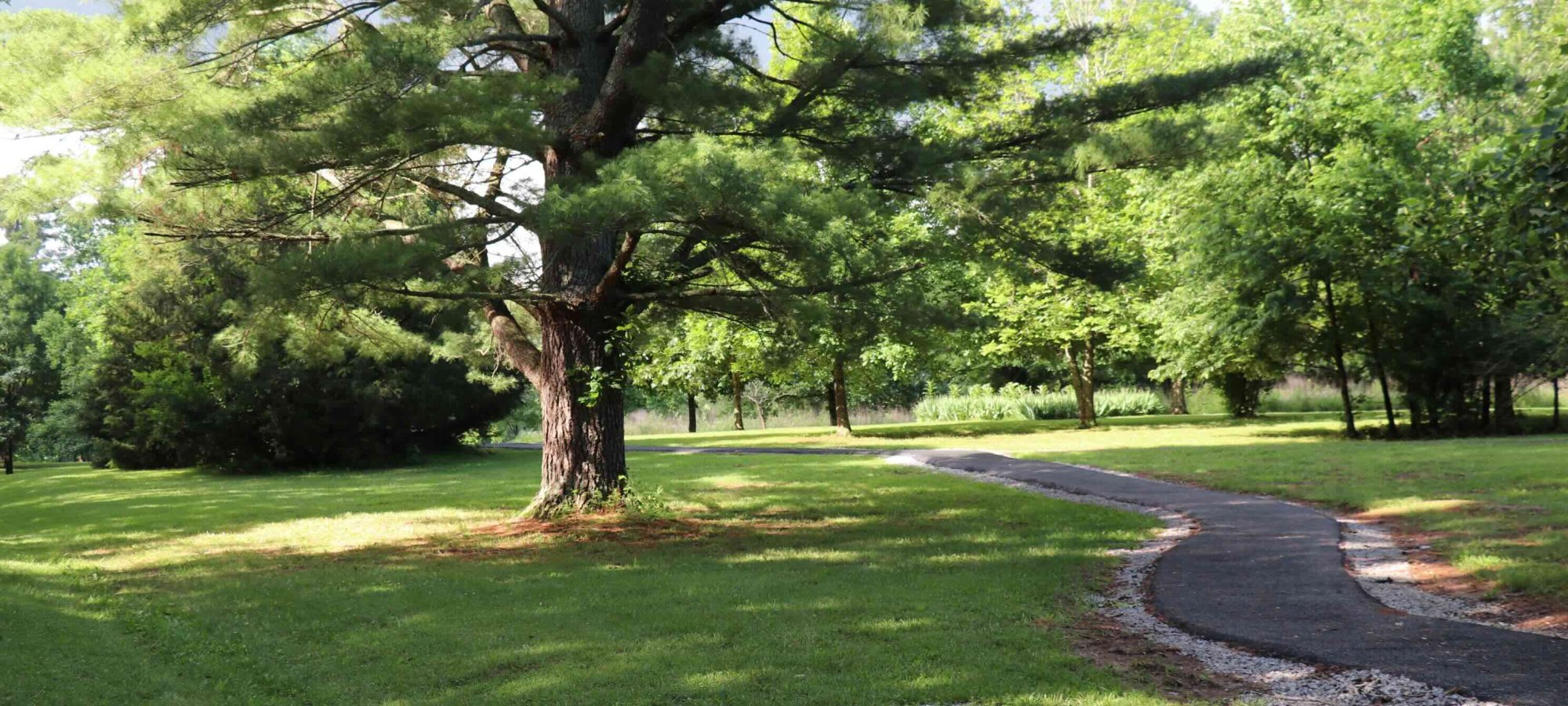
The park's ADA-accessible greenway circles 1.5 miles of the day-use area, passing along the park's native grasslands, pollinator gardens, and a variety of habitats for birds. There are also intentionally placed bluebird boxes around the park, great for observing their behavior throughout the seasons. Barn owls are common along the banks of the Duck River and are often heard and observed around the evening and early morning hours on the Adaline Wilhoite River Trail.
A visit to the Ronnie Bowers Wetland area is a great place to catch a glimpse of migratory birds in the winter and early spring months. The Wetland Trail is a great place for observing a variety of bird species. Over 70 species of birds have been observed throughout the year.
Exploring Henry Horton
Habitats range from limestone cedar glades to mature deciduous forests interspersed with fields and young woodlands.
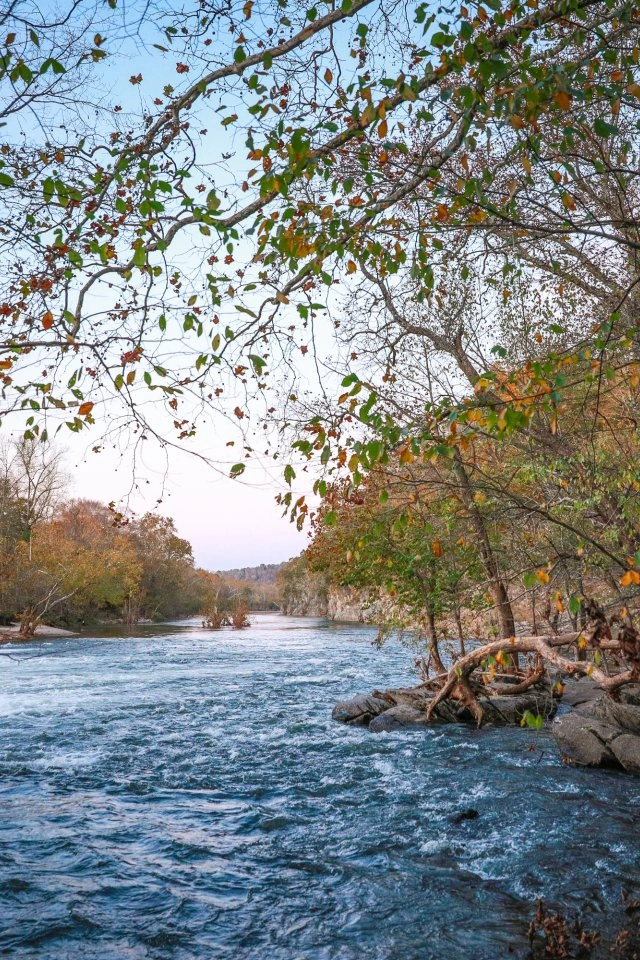
The Duck River, recognized as one of the most biodiverse in the country, bisects the park and is accessible from the Wilhoite Mill Trail, the Adeline Wilhoite Horton River Trail, and the river access in the picnic loop. Herons hunt for fish in the shallows while belted kingfishers fly over. Paved roadways wind past grasslands behind the lodge and along the tree-lined Duck River. Barn owls may be heard from trees here during winter and spring evenings. Turkey, black vultures, and red-tailed hawks soar above open areas.
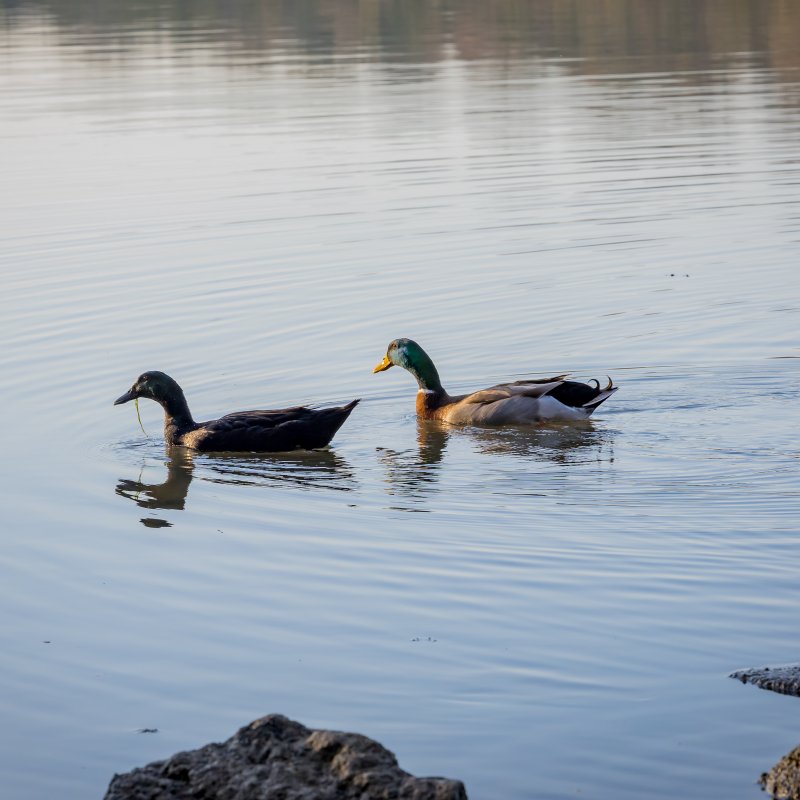
The Adeline Wilhoite Horton River Trail traverses cedar glade and old field habitats, especially good spots for brown thrasher, common yellowthroat, and yellow-breasted chat. The trail features a 20-foot observation tower that overlooks a large native grassland and wetland. From here, ducks, song sparrows, and wild turkey can be seen, while in nearby woods, winter residents such as ruby and golden-crowned kinglets and hermit thrush occur alongside the common Carolina chickadee, white-breasted nuthatch, and barred owl.
During spring and fall migration, a variety of wood warblers present an exciting birding challenge. Over 70 species of birds have been observed throughout the year.

Featured Birds
- Eastern Bluebird
- Barn Owl
- Summer Tanager
- Northern Flicker
- Migrating Warblers
- Song Sparrow
- Great Blue Heron
- Wild Turkey
- Barred Owl
- Louisiana Waterthrush
- Downy Woodpecker
- Hairy Woodpecker
- Prairie Warbler
- Field Sparrow
- American Goldfinch
- Yellow-crowned Night-Heron
- Green Heron
- Carolina Chickadee
- Tufted Titmouse
- Red-bellied Woodpecker
- Turkey Vulture
- Red-tailed Hawk
- Wild Turkey
- Great Horned Owl
- Pileated Woodpecker
- White-breasted Nuthatch
- Scarlet Tanager
- American Redstart
- Indigo Bunting
- Yellow-breasted Chat
- Willow Flycatcher
- Blue-winged Warbler
- Summer Tanager
- Scarlet Tanager
- Wood Thrush
- Red-eyed Vireo
- Wintering Waterfowl
- Red-winged Blackbird
- Eastern Towhee
- Kentucky Warbler
- Prairie Warbler
- Great Crested Flycatcher
- Bald Eagle
- Northern Bobwhite
- Eastern Meadowlark
- Barn Swallow
- Eastern Phoebe
Birding Locations
-
A-Frame Shelter to Disc Golf Course
Featured birds: Eastern Bluebird, Barn Owl, Summer Tanager, Northern Flicker, WarblersThis section of park road allows viewing of riverside hardwoods, Duck River, and a tall stand of pines.
-
-
Wild Turkey Trail
Featured birds: Turkey Vulture, Red-tailed Hawk, Wild Turkey, Great Horned Owl, Pileated WoodpeckerThe trail wanders through mature open forest, past a small pond and into younger successional cedar woods.
-
-
Duck River Complex State Natural Area Cheeks Bend Unit
Featured birds: Field Sparrow, Indigo Bunting, Yellow-breasted Chat, Willow Flycatcher, Blue-winged WarblerComplex consists of six natural areas within Yanahli Wildlife Management Area. The parking lot and trail at Cheeks Bend leads to bluff vistas. Cedar glades and oak-hickory forests mixed with fields provide a mix of edge and forest.
-
-
Williamsport Wildlife Management Area Akin Road Entrance
Featured birds: Waterfowl, Red-winged Blackbird, Eastern Towhee, Kentucky Warbler, Prairie WarblerThis area contains six lakes ranging from 12 - 80 acres. Cedar glades, upland hardwood forest, fields and ridgetops are mixed with cropland, providing a mix of edge and forest for a variety of wildlife. 90 species of bird have been observed.
-
-
Haley-Jaqueth Wildlife Management Area: Barn Parking Area
Featured birds: Wild Turkey, Northern Bobwhite, Eastern Meadowlark, Indigo Bunting, Field SparrowForested tree lines break up agricultural fields across this 200-acre site. Two intermittent creeks and the Harpeth River pass through the property, along which there is a great blue heron rookery. 40 species of bird have been observed.
-

Responsible Birding
- Do not endanger the welfare of birds.
- Tread lightly and respect bird habitat.
- Silence is golden.
- Do not use electronic sound devices to attract birds during nesting season, May-July.
- Take extra care when in a nesting area.
- Always respect the law and the rights of others, violators subject to prosecution.
- Do not trespass on private property.
- Avoid pointing your binoculars at other people or their homes.
- Limit group sizes in areas that are not conducive to large crowds.

Discover More at Henry Horton


No events are scheduled at this time, but there's always more to explore.