Middle Fork Bottoms Hiking

  • family with a dog and a ranger walking down a paved trail while the sun it setting
    • Aerial view of a serene landscape at sunset. A winding road cuts through vast fields and meadows, with a forest and glowing horizon in the background. Peaceful atmosphere.

    Hiking at Middle Fork Bottoms

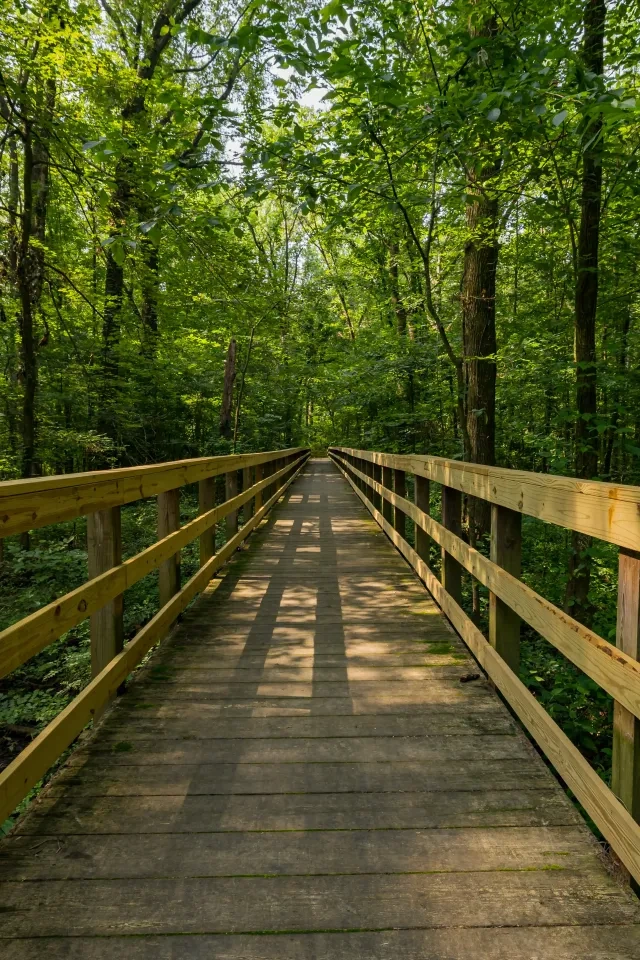
    The park has a four-mile interconnected paved trail.

    All four miles of the park's trail are currently bicycle and wheelchair-accessible. The trail offers visitors opportunities to view some of the incredible wildlife found at the park. 

    Trails

    Showing page 1 of 1
    • Paved Trail

      Middle Fork Bottoms State Park
      Distance
      3.90 mi.
      Difficulty
      Easy
      Surface
      Paved
      The park has a four-mile interconnected paved trail. The trail offers visitors opportunities to view some of the incredible wildlife found at the park. All four miles are currently bicycle and wheelchair-accessible. The park's wildlife and natural resources can be viewed along four miles of interconnecting paved walking trail.
      Availability
      Open
      Allowed
      Biking Hiking wheelchair

    Trail Definitions

    • Cross Slope 

      Describes the degree of incline from one side of the trail path to the other; measured as a percentage. Cross slope aids in water drainage and impacts the overall trail stability.   

    • Grade  

      Describes the rise in elevation over a horizontal distance on the trail; measured as a percentage.  Higher percentages represent a steeper grade indicating a more challenging ascent or descent for hikers.    

    • Standard Ramp Grade

      Serves as a reference guide for the grade of the trail.  Standard Ramp Grade is 8.3% across all trail assessments.  

    • Surface 

      A characteristic of the trail expressed in terms of material type, grading, compaction, and roughness of the path. Possible surface types include soil, gravel, paved, and mulch.   

    • Tread Width    

      Represents the horizontal distance from one edge of the trail path to the other; measurements can vary.  Tread width helps to determine the amount of space a hiker has to pass through. Obstacles on the trail can alter the remaining tread width.   

    • Trail Types: Loop

      Trail returns at or near the point from which you started. 

    • Trail Types: Network 

      Offers multiple route options within one trail, and each route is connected

    • Trail Types: Out and Back

      This type of trail travels out to an endpoint where hikers turn around and travel back to the starting point.   

    • Trail Types: Stacked Loop

      A loop trail contained completely within another trail.   

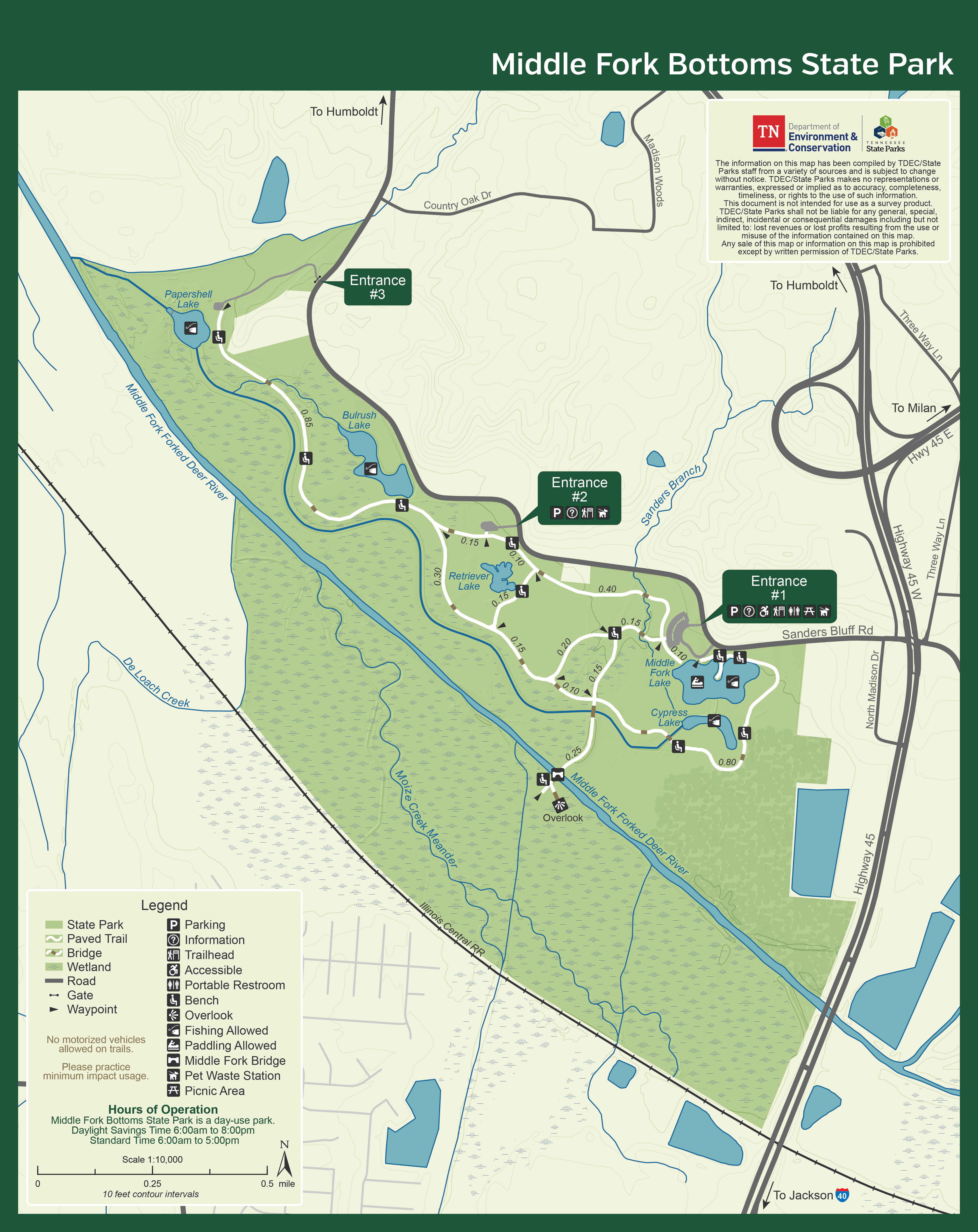
    Need a Map?

    Explore our collection of printable and digital trail maps, organized by park. Whether you’re hiking, camping, or paddling, you’ll find the resources you need to navigate confidently.


    • Aerial view of a pond with a wooden dock extending into it, surrounded by vibrant green fields and trees at sunset.

    Land and Water

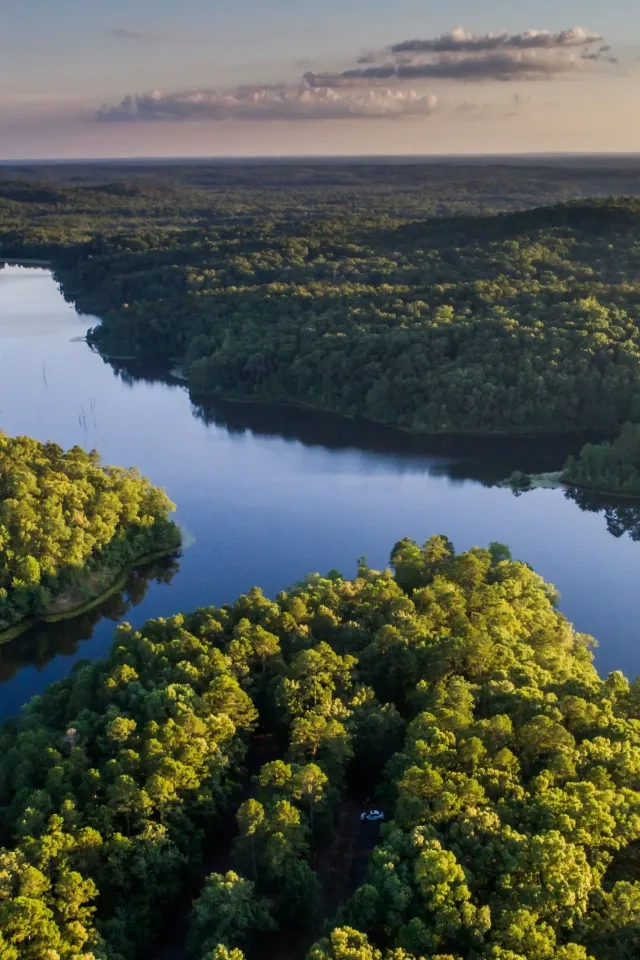
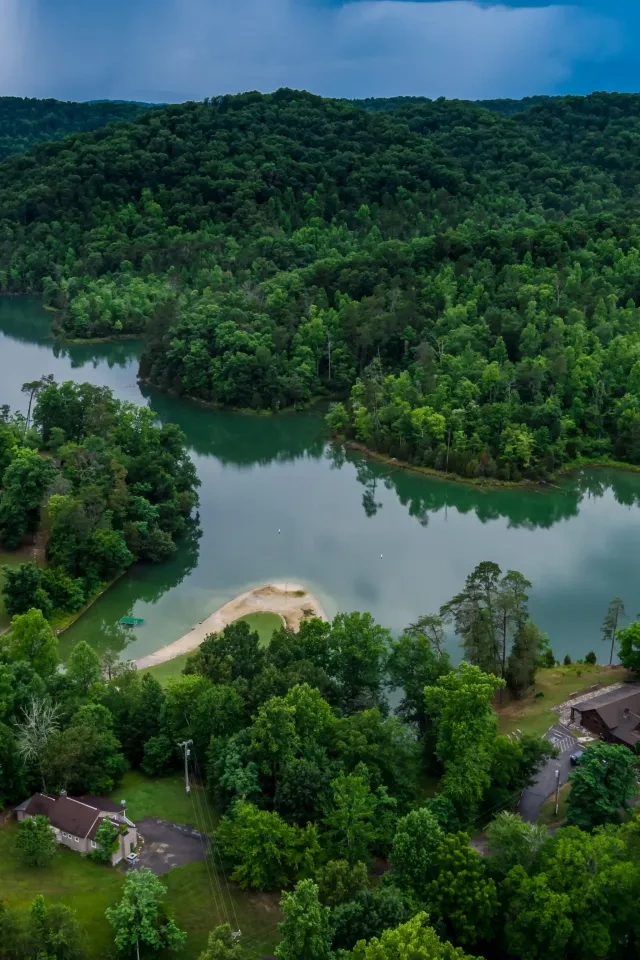
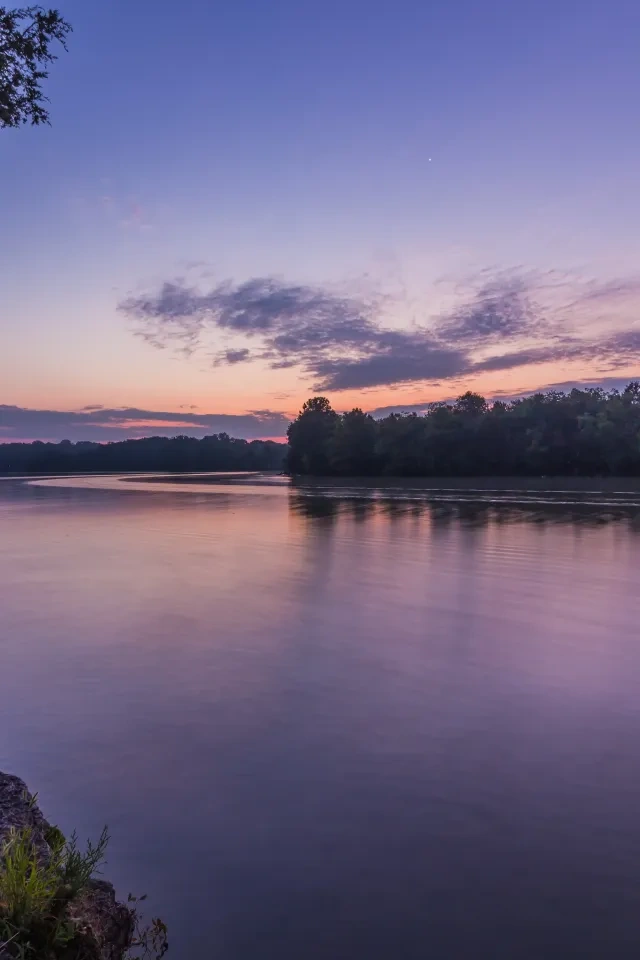
    From the trail, visitors may observe the flora and fauna of several intersecting ecosystems such as a newly planted cypress grove and bottomland hardwood plots, oak savannah, wetland and warm season prairies, river corridor, wetlands and depressions and lakes.  

    The lakes that can be viewed from the trail are:  

    • Papershell Lake 
    • Bullrush Lake 
    • Retriever Lake 
    • Cypress Lake  
    • Middle Fork Lake 

    The trail crosses over the Middle Fork Forked Deer River as well.  

    Skip photo gallery
    Media Crowdriff
    Happenings

    No events are scheduled at this time, but there's always more to explore.

    Find More Events

    Other Activities at Middle Fork Bottoms State Park