Accessibility Information for Trails

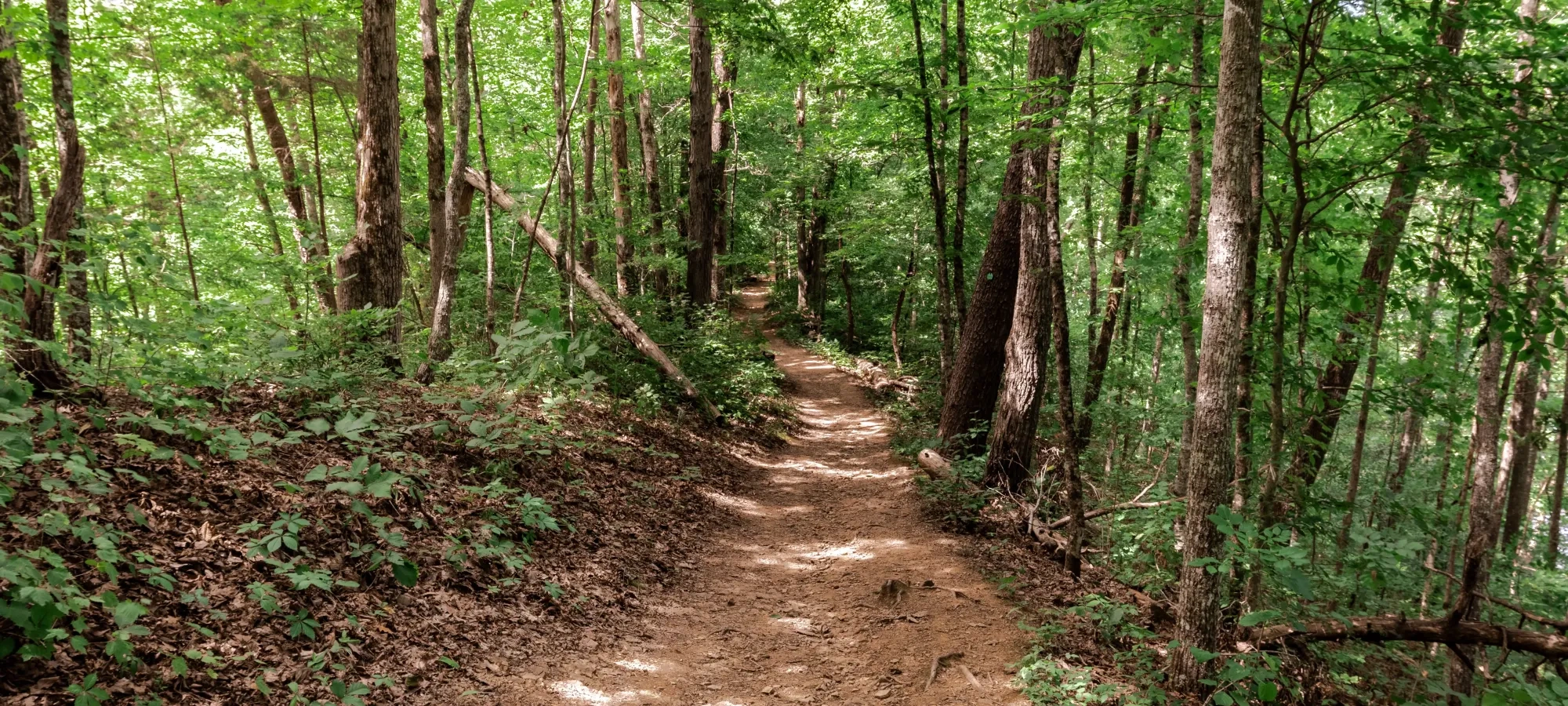
  • Wooded trail with dappled sunlight, surrounded by lush green trees.
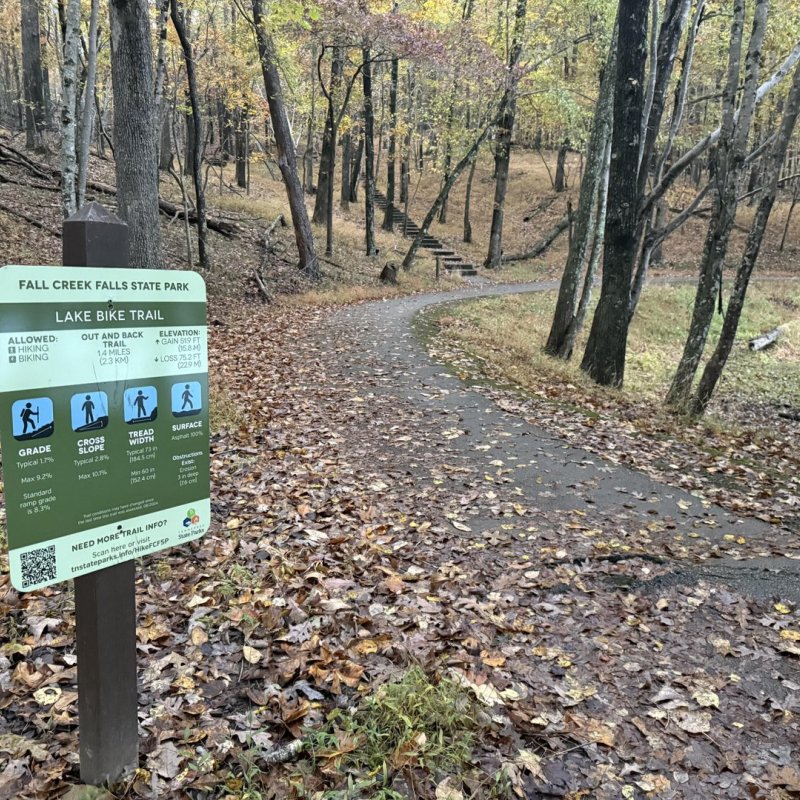
  • Signpost with trail map at a fork in a forested path during autumn.

    Planning Your Hike

    Detailed trail information offers an in-depth look into our trails, ensuring an easier trip planning experience.

    When browsing trails at the parks linked below, you will find key data points such as estimated duration, trail surface type, and allowed uses. This information allows you to find the best trail for you and your hiking partner.

    Tennessee is the first state to use High-Efficiency Trail Assessment Process (HETAP) to provide such information. This modern technology measures specific details such as length, grade, and possible obstructions on a trail, helping hikers decide whether or not they want to use a trail.

    Trail Accessibility Information

    Trail accessibility information provides an in-depth look at our trails, making trip planning easier. At Tennessee State Parks, we recognize that hiking looks different for all individuals, and with hundreds of trails available, we want to make finding the best trail a breeze.

    For visitors like Amy and Lizzy, trail information allows them to make confident choices as they plan a trip to one of their favorite state parks. Watch as they discover what it means to enjoy the outdoors together.
     

    Understanding Trail Accessibility Information

    When browsing trails at the parks linked below, you will find key data points, including estimated duration, trail surface type, typical grade, and allowed uses. This information allows you to find the best trail for you and your hiking partner. The video below will help you read and understand trail accessibility information signs so you are better prepared for your next adventure. 

    Trail Types and Definitions

    • Loop

      A loop trail returns at or near the point from which you started. 

    • Network

      A network offers multiple route options within one trail and each route is connected.

    • Out and Back

      This type of trail travels out to an endpoint where hikers turn around and travel back to the starting point.   

    • Stacked Loop

      A stacked loop trail is contained completely within another trail.   

    • Cross Slope 

      The cross slope is measured as a percentage and describes the degree of incline from one side of the trail path to the other, aids in water drainage, and impacts the overall trail stability.   

    • Grade  

      Trail grade is measured as a percentage and describes the rise in elevation over a horizontal distance on the trail.  Higher percentages represent a steeper grade indicating a more challenging ascent or descent for hikers.

    • Standard Ramp Grade

      The Standard Ramp Grade is 8.3% across all trail assessments and serves as a reference guide for the grade of the trail.  

    • Surface 

      Surface refers to the material type, grading, compaction, and roughness of the path. Possible surface types include soil, gravel, paved, and mulch.   

    • Tread Width 

      This represents the horizontal distance from one edge of the trail path to the other; measurements can vary.  Tread width helps to determine the amount of space a hiker has to pass through. Obstacles on the trail can alter the remaining tread width.   

    Support Trails at Tennessee State Parks

    Imagine arriving at a Tennessee state park, taking in a breath of fresh air, and enjoying the sounds of nature as you stroll along the trail. Did you imagine fallen trees or dangerous paths? Of course not!   

    A well-maintained trail offers educational opportunities, therapeutic benefits, and physical exercise all in one. That’s why high-quality trails are the foundation of our park system. Our trails connect the visitor to the natural, cultural, and historic sites that are worth protecting.   

    Part of what makes the trails at Tennessee State Parks so important is because they are free to everyone to access and enjoy. While there’s no cost to access, the use of trails creates an ongoing cost. Regular foot traffic, misuse, and exposure to the elements pose a threat to our trails.

    Here’s the good news — you can help support the maintenance of trails you love and fund the construction of new trails in Tennessee State Parks! 

    Help ensure trails continue to bring joy for years to come. Support adventure and discovery at Tennessee State Parks through donations to Tennessee State Parks Conservancy.