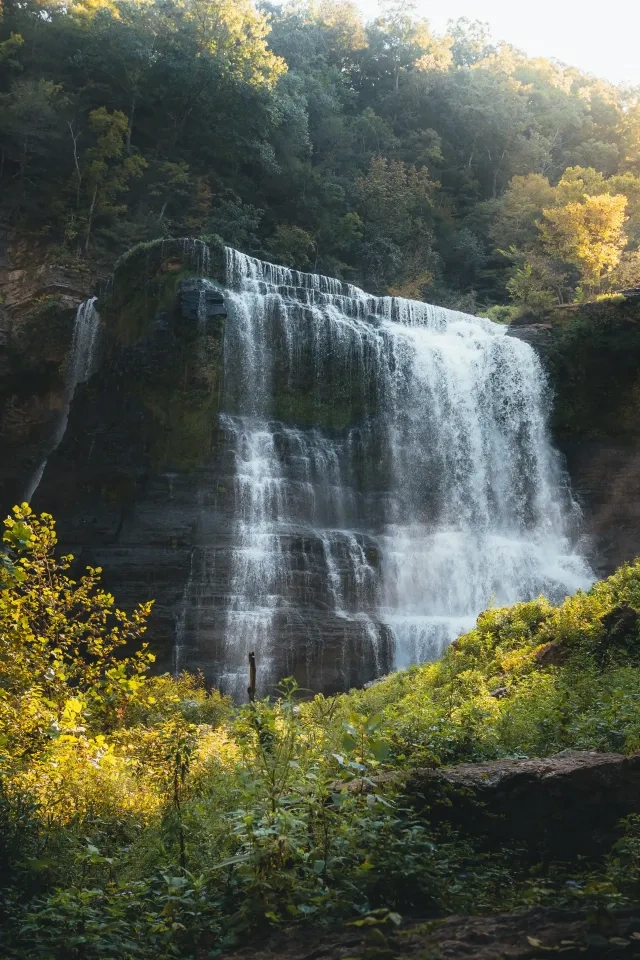
North Chickamauga Creek Gorge Hiking

Warning Alert
Warning

Closures Due To Improvement Project

North Chickamauga Creek Gorge State Park

Important alert for all visitors:

Beginning March 23, 2026 and lasting for approximately one year, improvements will be made to create a safer, more accessible experience for visitors. This includes paving the parking area, improving the park entrance, adding an ADA-accessible river viewing pier, and installing a restroom.

During this time, the following areas will be closed and inaccessible:

  • Montlake Road Entrance and the Main Trailhead
  • Blue Hole Trail & Blue Hole Access
  • Hogskin Loop Trail
  • Stripmine Falls
  • Cumberland Trail from the Main Trailhead to Boston Branch Overlook

Learn more and view the map of the closed area on our safety information page.

Warning

Know Before You Go

North Chickamauga Creek Gorge State Park

The park often experiences high visitation. Please do not park on roadsides or in non-designated areas. If the park is full, please consider visiting another state park in the area.

Access to all areas along the creek may close due to inclement weather and/or rising waters. A four-point, color-coded rating system is used to determine the closing of creek access areas. Rangers and staff may close areas with little to no notice to park visitors. Learn more on our safety information page.
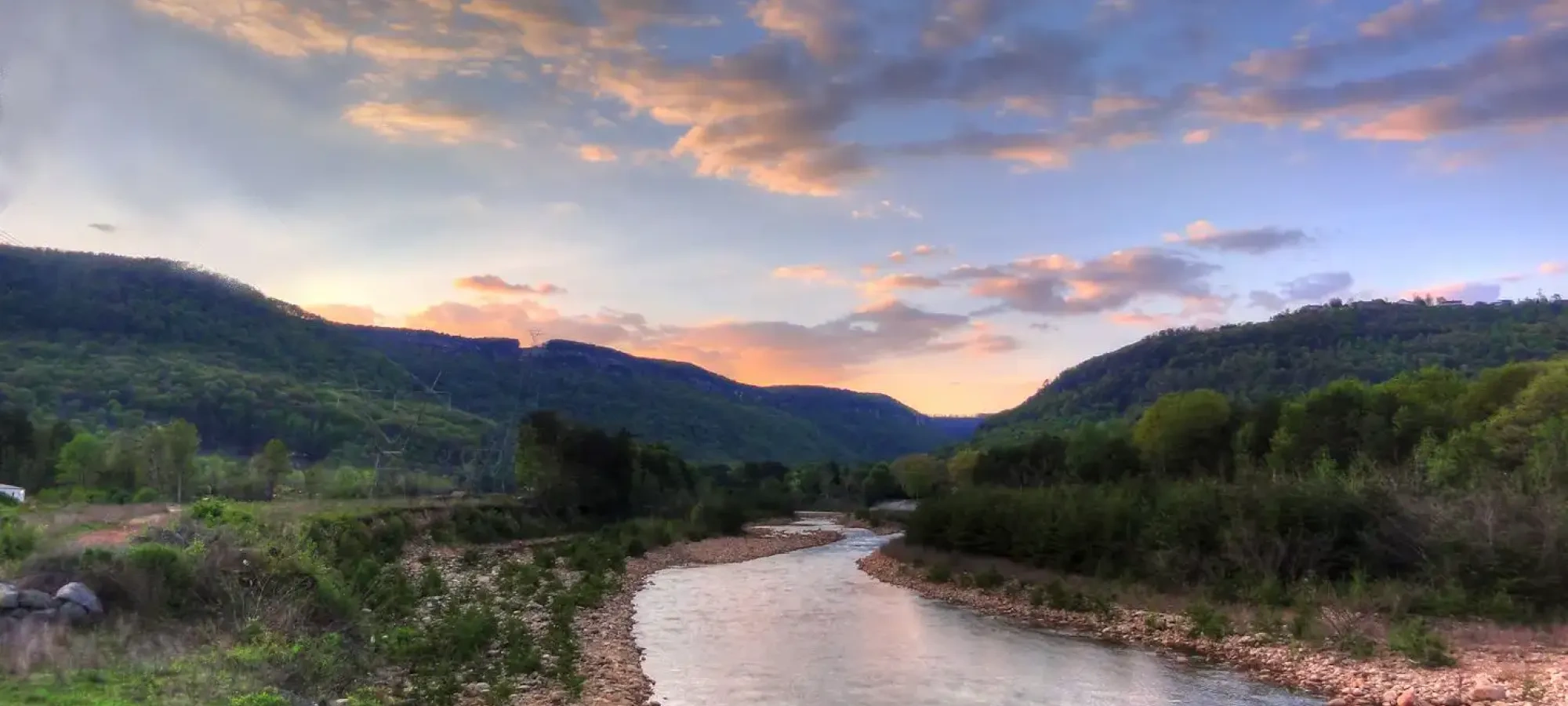
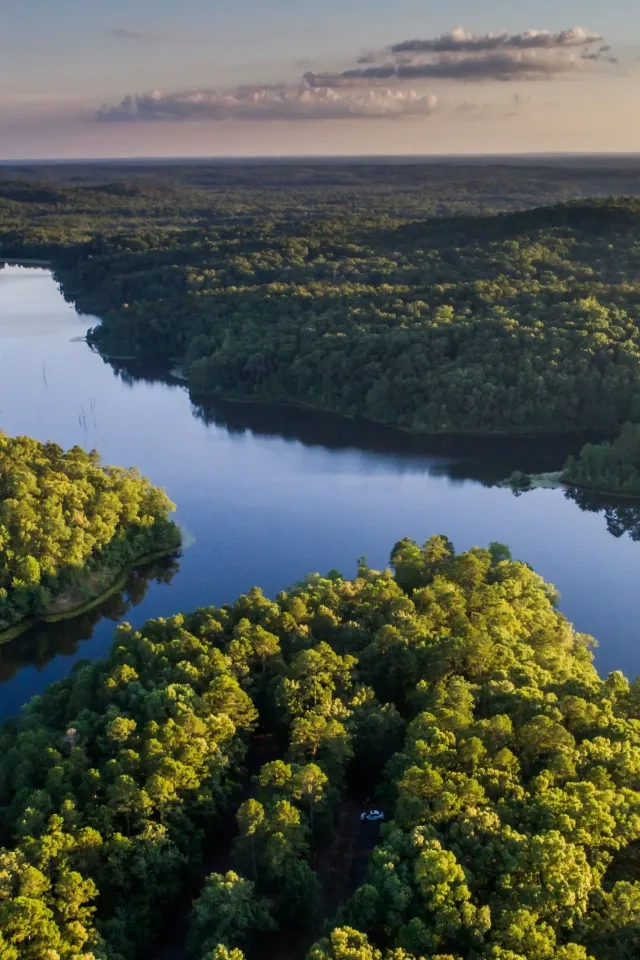
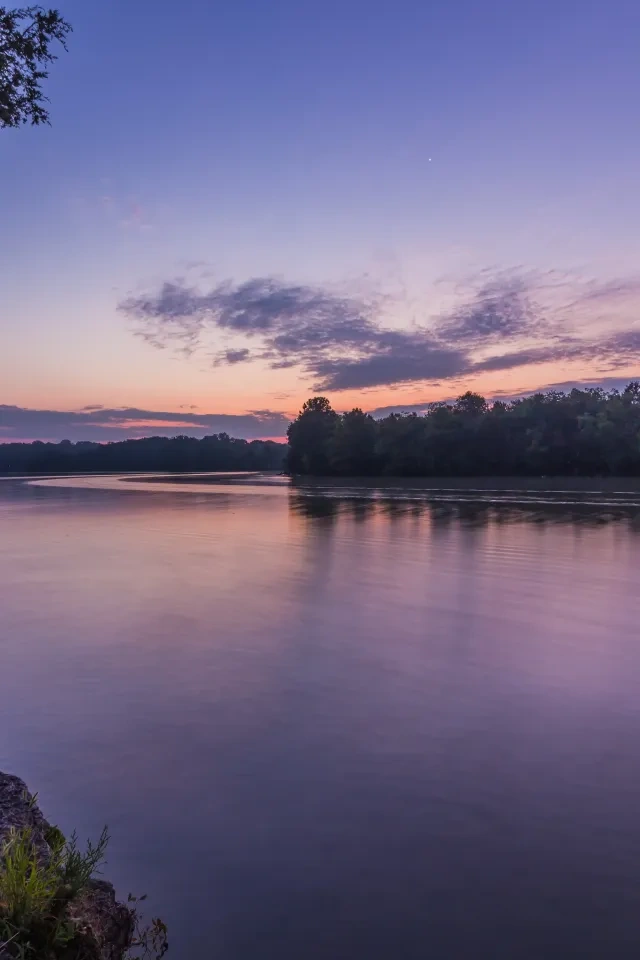
  • River winds through a lush valley at sunset, under colorful clouds.
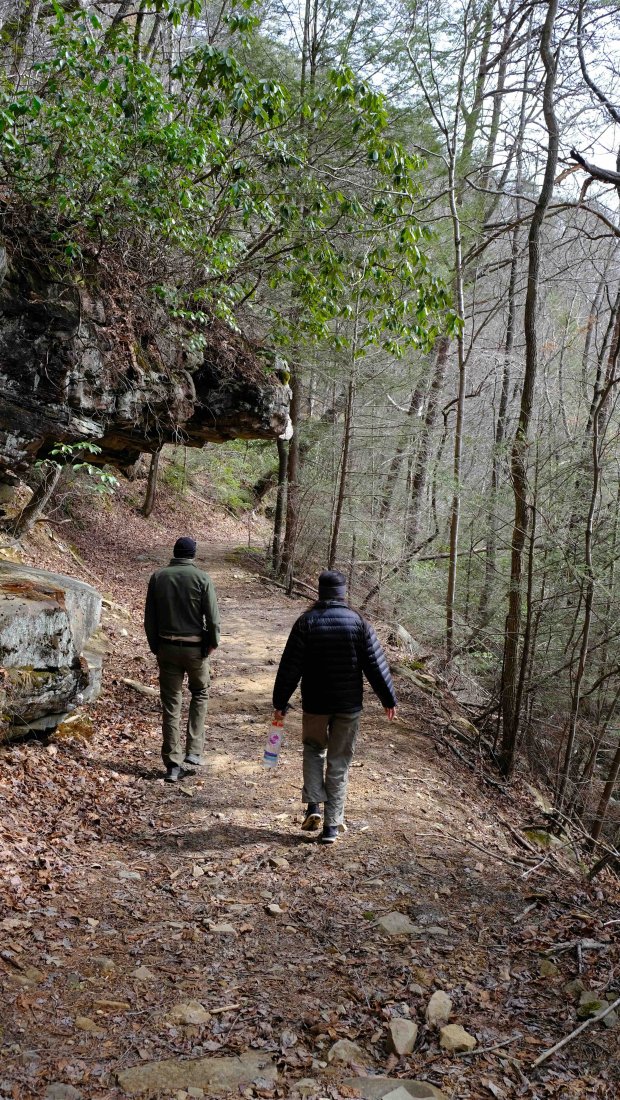
  • two people walking down a natural trail in the fall wearing winter jackets

    Hiking at North Chickamauga Creek Gorge

    Closely connected to the Cumberland Trail, the park has four different sections of trails ranging from 1.4 miles to over 16 miles.

    The trails are considered strenuous with rocky terrains and steep inclines. 

    North Chickamauga Creek Gorge is considered a rugged natural area, and recreational activities within the park are inherently dangerous. It is necessary to traverse uneven, natural trail surfaces to access some areas of the park.  

    Trails throughout the park are a combination of dirt, rock, boulders, and other obstacles and may require water crossings. Trails into the gorge are steep with significant elevation changes. Water crossings can be dangerous due to high water, and trails may be closed for safety. Ascending and descending wooden and stone stairs is necessary to access the backcountry areas of the park.

    Trails

    Showing page 1 of 1
    • Barker Camp Access Road

      North Chickamauga Creek Gorge State Park
      Distance
      1.20 mi.
      Difficulty
      Surface
      gravel
      Availability
      Open
      Allowed
      Hiking

      Barker Camp Access Trail

      North Chickamauga Creek Gorge State Park
      Distance
      1.40 mi.
      Difficulty
      Surface
      Natural
      Availability
      Open
      Allowed
      Hiking

      Clear Branch Loop

      North Chickamauga Creek Gorge State Park
      Distance
      1.75 mi.
      Difficulty
      Difficult
      Surface
      Natural
      Trail users in this section can take the 1.4-mile loop for the shortest mileage loop after first using the 2.30 mile (one way) Flipper Bend Access Trail. Hiking the entire Clear Branch Loop from the Flipper Bend Trailhead is ~6.35 miles.
      Availability
      Open
      Allowed
      Hiking Mountain Biking

      Flipper Bend Loop

      North Chickamauga Creek Gorge State Park
      Distance
      3.50 mi.
      Difficulty
      Difficult
      Surface
      Natural
      For even more of a challenge, trail user can tackle the Flipper Bend Loop - a 4-mile hike that involves a portion of the Clear Branch loop, after the 2.3 mile (one way) Flipper Bend Access Trail. To hike the trail in total using the Flipper Bend trail is is ~8.65 miles.
      Availability
      Open
      Allowed
      Hiking Mountain Biking

    Learn how to stay safe while visiting North Chickamauga Creek Gorge State Park. 

    Trail Definitions

    • Cross Slope 

      Describes the degree of incline from one side of the trail path to the other; measured as a percentage. Cross slope aids in water drainage and impacts the overall trail stability.   

    • Grade  

      Describes the rise in elevation over a horizontal distance on the trail; measured as a percentage.  Higher percentages represent a steeper grade indicating a more challenging ascent or descent for hikers.    

    • Standard Ramp Grade

      Serves as a reference guide for the grade of the trail.  Standard Ramp Grade is 8.3% across all trail assessments.  

    • Surface 

      A characteristic of the trail expressed in terms of material type, grading, compaction, and roughness of the path. Possible surface types include soil, gravel, paved, and mulch.   

    • Tread Width    

      Represents the horizontal distance from one edge of the trail path to the other; measurements can vary.  Tread width helps to determine the amount of space a hiker has to pass through. Obstacles on the trail can alter the remaining tread width.   

    • Trail Types: Loop

      Trail returns at or near the point from which you started. 

    • Trail Types: Network 

      Offers multiple route options within one trail, and each route is connected

    • Trail Types: Out and Back

      This type of trail travels out to an endpoint where hikers turn around and travel back to the starting point.   

    • Trail Types: Stacked Loop

      A loop trail contained completely within another trail.   

    Need a Map?

    Explore our collection of printable and digital trail maps, organized by park. Whether you’re hiking, camping, or paddling, you’ll find the resources you need to navigate confidently.


    Skip photo gallery
    Media Crowdriff
    Happenings

    No events are scheduled at this time, but there's always more to explore.
    Find More Events

    Other Activities at North Chickamauga Creek Gorge State Park