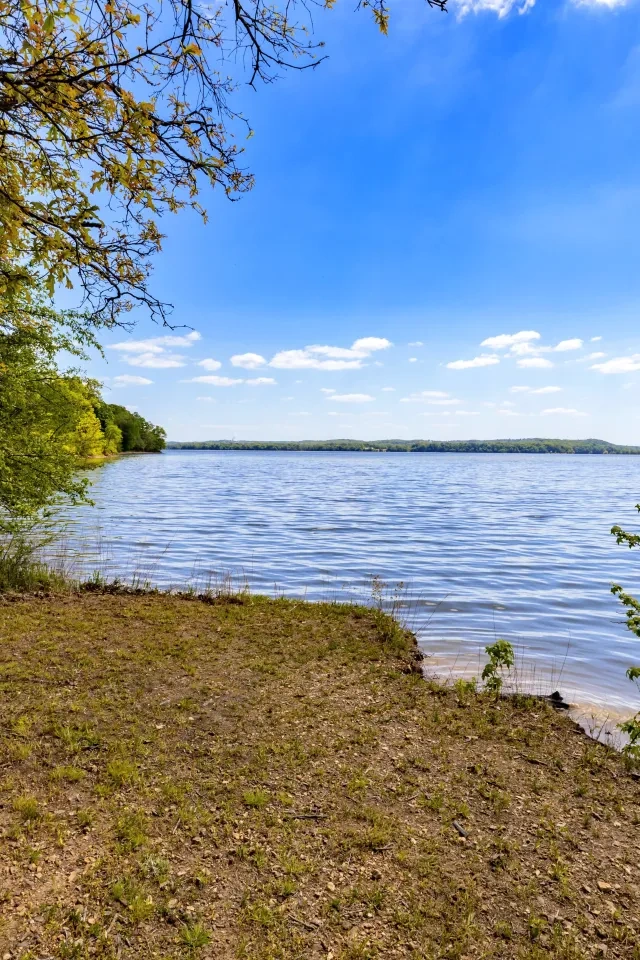
Seven Islands Birding
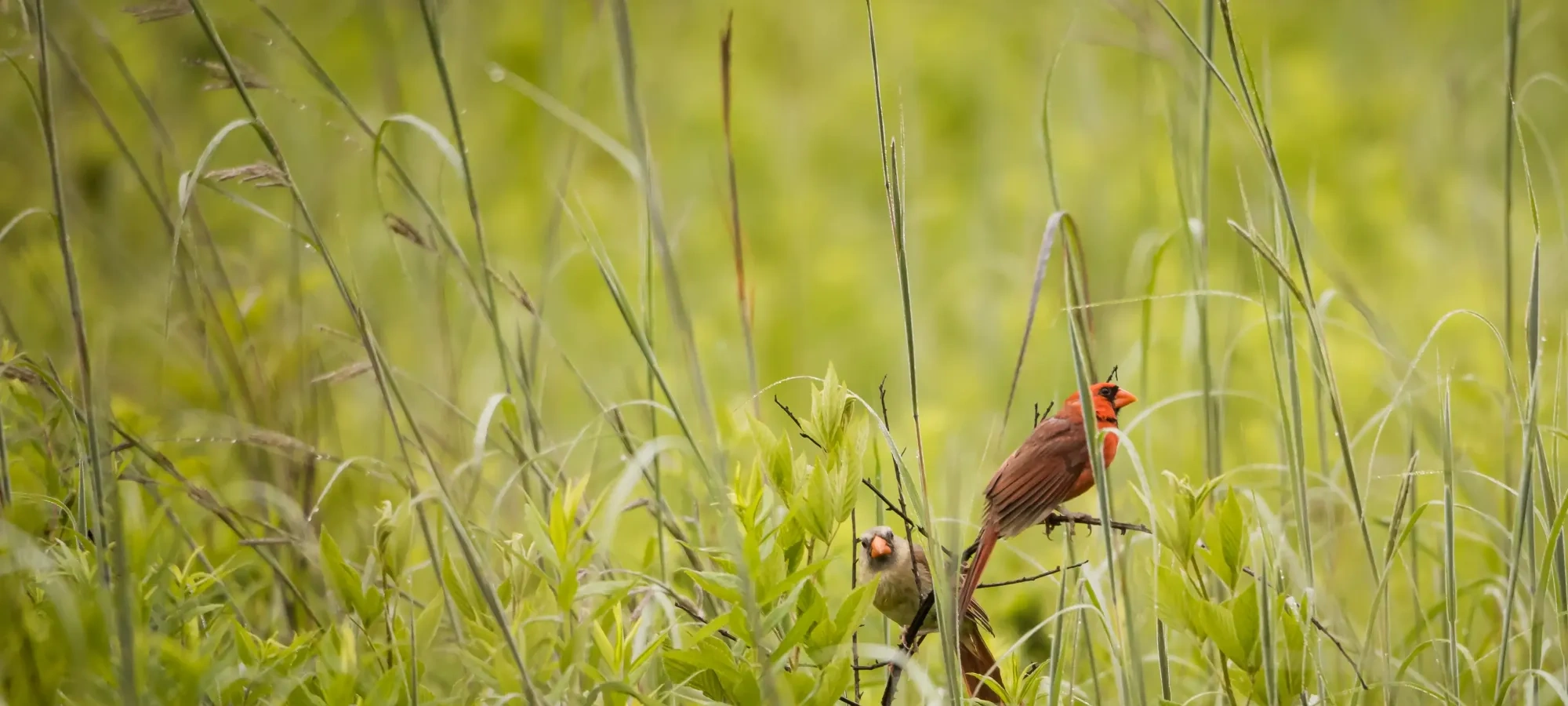
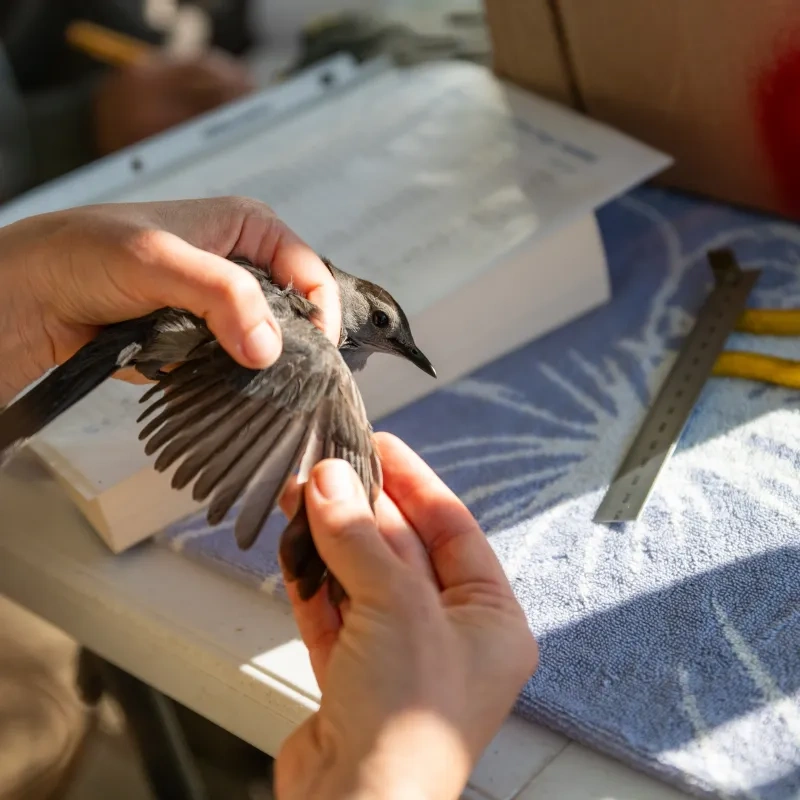
Birding at Seven Islands
From the novice to the professional, birders and researchers find Seven Islands an ideal location for avian observation.
The park is located along the migratory path of many bird species, and during the breeding season, birds can be found nesting at the refuge. Easily heard singing in the summer are common yellowthroat, yellow‐breasted chat, summer tanager, blue grosbeak, and indigo bunting.
In winter, hundreds of sparrows can be found, especially field, savannah, song, swamp, white‐throated, and white‐crowned. Be sure to peek into some of the barns located on the property for a glimpse of a somewhat elusive, nocturnal barn owl.
Guests can easily spend several hours strolling through the park’s varied habitats, enjoying the scenery and song of these feathered jewels. Mornings are usually the best time for birding but late afternoons, before dusk, can also be rewarding.
Featured Birds
- Summer Tanager
- Indigo Bunting
- Yellow-breasted Chat
- Common Yellowthroat
- Northern Bobwhite
- Eastern Bluebird
- Tree Swallow
- American Kestrel
- Northern Harrier
- White-crowned Sparrow
- White-throated Sparrow
- Swamp Sparrow
- Song Sparrow
- Field Sparrow
- Savannah Sparrow
- Red-bellied Woodpecker
- Downy Woodpecker
- Prairie Warbler
- White-eyed Vireo
- Wild Turkey
- Blue-gray Gnatcatcher
- Fox Sparrow
- Hermit Thrush
- Ruby-crowned Kinglet
- Waterfowl
- Green Heron
- Belted Kingfisher
- Prothonotary Warbler
- Orchard Oriole
- Wood Duck
- Osprey
- Bald Eagle
- Great Blue Heron
- Eastern Kingbird
- American Goldfinch
- Broad-winged Hawk
- Warblers
- Pileated Woodpecker
- Scarlet Tanager
- Yellow-billed Cuckoo
- Great Crested Flycatcher
- Yellow-throated Vireo
- Winter Wren
- Peregrine Falcon
- Merlin
- Great Egret
Birding Locations
A hiking map is available at the Park Office.
-
Ijams Nature Center Entrance
Featured birds: Warblers, Yellow-billed Cuckoo, Great Crested Flycatcher, Yellow-throated Vireo, Blue-gray GnatcatcherForests, meadows, and streams are good for migrating songbirds in the spring and fall. The Discovery Trail is great for encountering several warblers. Approximately 150 species of birds have been observed.
-
-
Rankin Wildlife Management and Observation Area
Featured birds: Bald Eagle, Semipalmated Plover, Lesser Yellowlegs, Greater Yellowlegs, Short-Billed DowitcherRankin is a premier East Tennessee site for warm-season waterbirds. Seasonal flooding along Douglas Reservoir creates mudflats and shallow waters ideal for feeding. Over 215 species of birds have been identified.
-

Responsible Birding
- Do not endanger the welfare of birds.
- Tread lightly and respect bird habitat.
- Silence is golden.
- Do not use electronic sound devices to attract birds during nesting season, May-July.
- Take extra care when in a nesting area.
- Always respect the law and the rights of others, violators subject to prosecution.
- Do not trespass on private property.
- Avoid pointing your binoculars at other people or their homes.
- Limit group sizes in areas that are not conducive to large crowds.