Radnor Lake Birding
Notification Alert
EV Chargers Temporarily Unavailable
Due to pending upgrades of the Electric Vehicle Chargers at Radnor Lake State Park, the current chargers are temporarily unavailable.
Thank you for your patience and understanding. If you have any questions, please contact our park office.
Birding at Radnor Lake
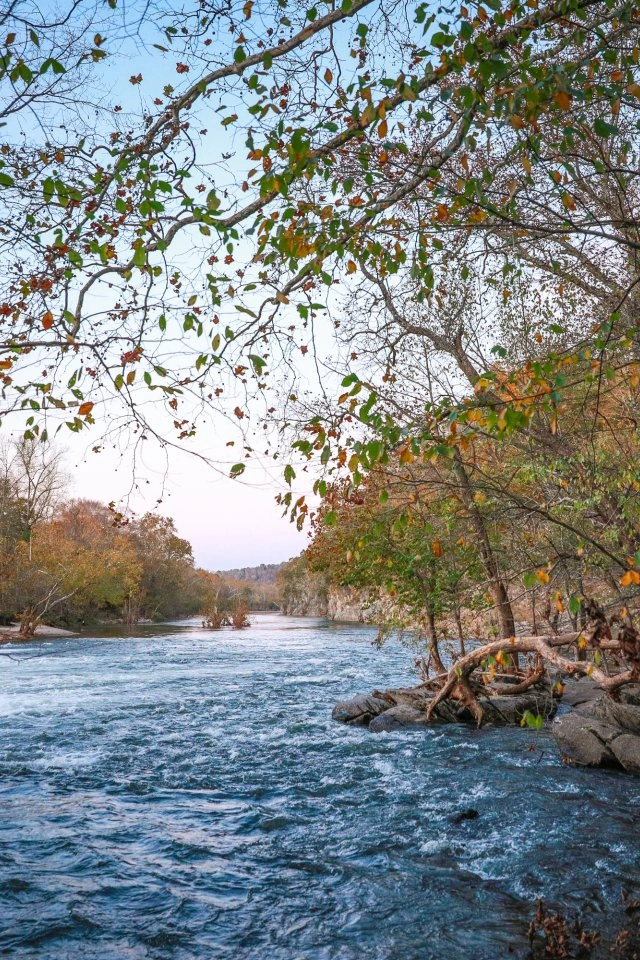
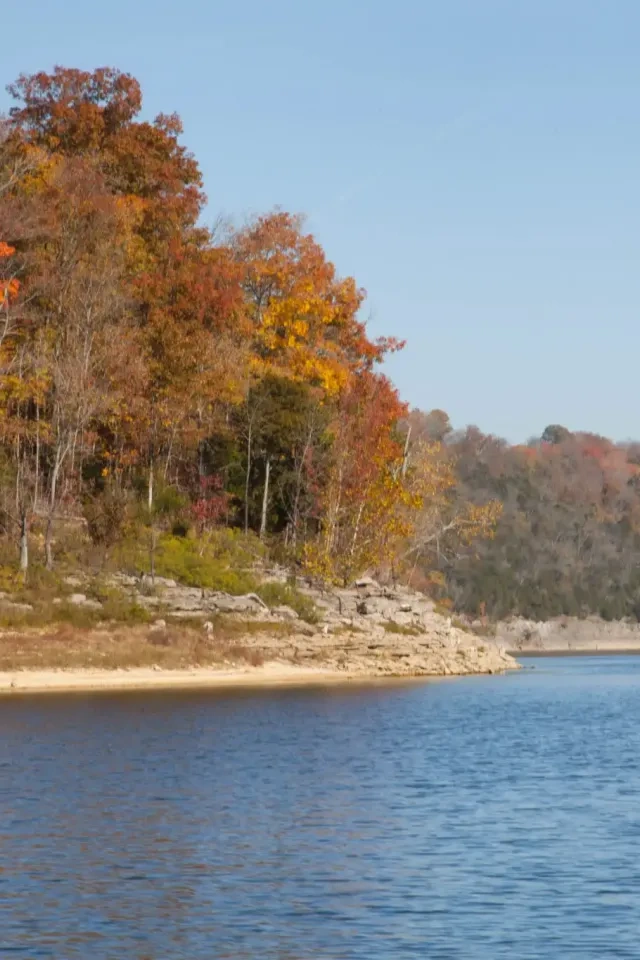
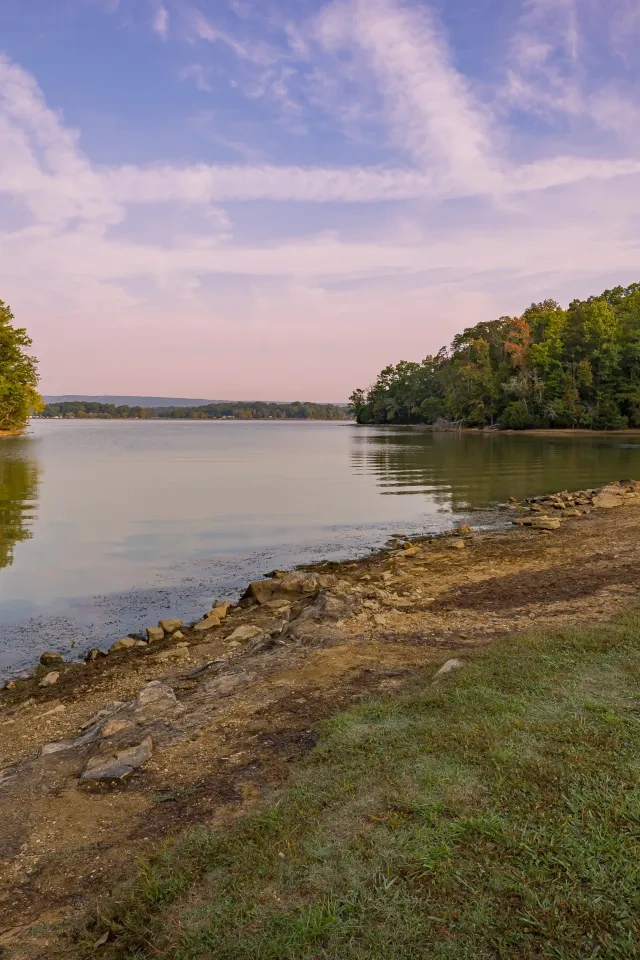
Radnor Lake State Park and Natural Area is 1,402 acres; it provides seven plus miles of trails and roadway that meander through oak-hickory forest and lake shore with 236 bird species reported in the State Natural Area. During the spring and fall, migration is substantial with warblers (37 species have been reported), vireos, and flycatchers allowing for superb chances to see many non-resident species.
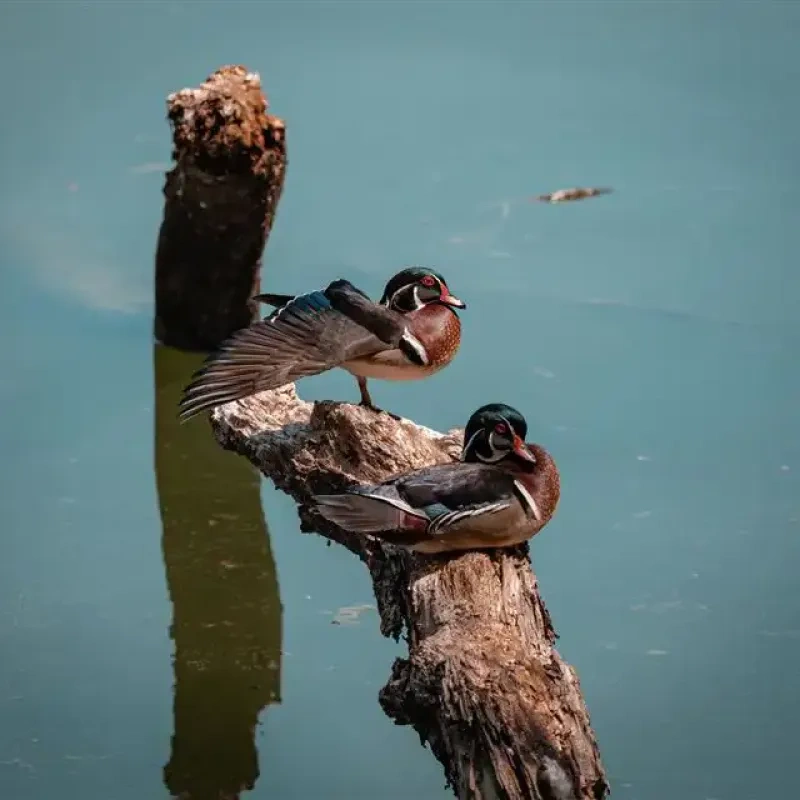
Winter months provide outstanding opportunities to see waterfowl (24 species have been reported) with the lake being a stopover location for migrating ducks.
Plan Your Birding Adventure
Download the Radnor Lake Bird Flyer for quick tips on where and when to spot species.
Take along the Field Checklist of Tennessee Birds to track your sightings and build your life list.
Featured Birds
- Yellow Warbler
- Swallows
- Canada Goose
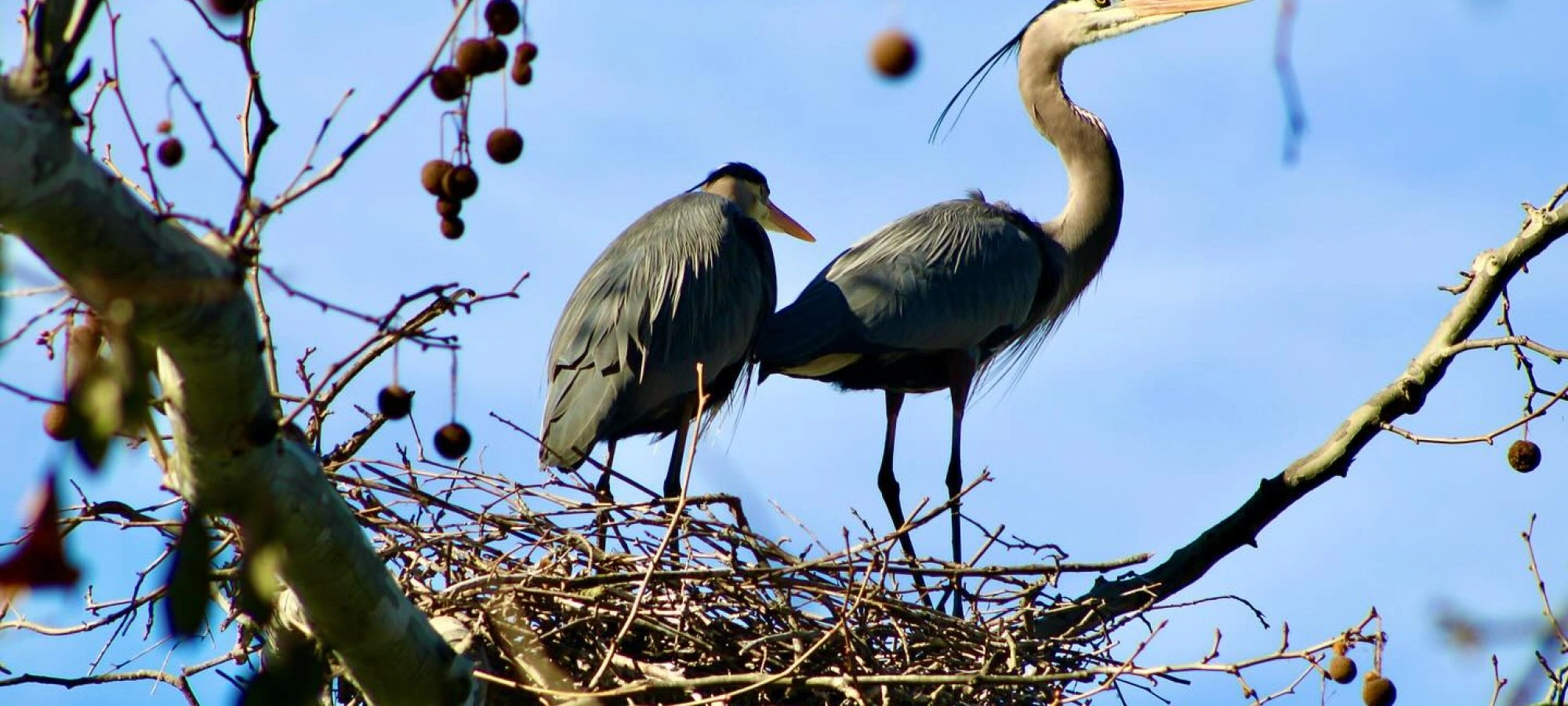
- Great Blue Heron
- Great Crested Flycatcher
- Eastern Phoebe
- Eastern Wood-Pewee
- Cerulean Warbler
- Hooded Warbler
- Pileated Woodpecker
- White-breasted Nuthatch
- Hermit Thrush
- White-throated Sparrow
- Scarlet Tanager
- Summer Tanager
- Red-eyed Vireo
- Bay-breasted Warbler
- Blackpoll Warbler
- Wood Thrush
- Swainson’s Thrush
- Red-bellied Woodpecker
- Barred Owl
- Wild Turkey
- Waterfowl
- Belted Kingfisher
- Double-crested Cormorant
- Horned Grebe
- Spotted Sandpiper
- Eastern Kingbird
- Prothonotary Warbler
- Black Vulture
- Turkey Vulture
- Osprey
- Purple Martin
- Northern Rough-winged Swallow
- Ring-billed Gull
- Hooded Merganser
- Cattle Egret
- Killdeer
- Horned Lark
- Swamp Sparrow
- Song Sparrow
- Indigo Bunting
- Common Yellowthroat
- Blue Grosbeak
- Grasshopper Sparrow
- Henslow’s Sparrow
Birding Locations
-
Spillway Bridge
Featured birds: Yellow Warbler, Swallows, Canada Goose, Great Blue Heron, Great Crested FlycatcherLake spillway is located on the western end of the lake and consists of early successional shrubs that are adjacent to oak-hickory forest. The bridge is excellent for seeing neotropical migrants for it allows you to view them from above.
-
-
Radnor Lake Trail
Main lakeside trail around Lake Radnor mostly flat and wide ADA accessible
-
-
Otter Creek Road Observation Platforms
Featured birds: Waterfowl, Belted Kingfisher, Double-crested Cormorant, Horned Grebe, Spotted SandpiperThe observation platforms are heavily used during the winter by photographers and birders. The platforms are excellent for observing waterfowl and other water-dependent species. During migration, the lake provides a place to rest for migrating waterfowl and other water birds.
-
-
Metro Warner Parks Nature Center
Featured birds: Black Vulture, Turkey Vulture, Red-bellied Woodpecker, Pileated Woodpecker, Prothonotary WarblerThe paved 2.1-mile trail traverses open oak-hickory and successional cedar glade woods, with overlooks onto the 85-acre Couchville Lake. Couchville Lake has had 125 species observed.
-
-
Old Hickory Dam, "Snow Bunting" Peninsula: Old Hickory Beach
Featured birds: Great Blue Heron, Double-crested Cormorant, Cattle Egret, Osprey, KilldeerA large part of Old Hickory Lake can be scanned from this area, with cormorants, grebes, gulls and many winter ducks observed, and occasional sightings of rare species. Large breeding colonies of wading birds are found on the lake. Over 185 species have been observed.
-
-
Bells Bend Park: Nature Center
Featured birds: Indigo Bunting, Common Yellowthroat, Yellow Warbler, Blue Grosbeak, White-throated SparrowThis 880-acre park lies within a bend of the Cumberland River and consists of weedy fields, reclaimed pastures, and riparian woodlands, with several miles of paved and mulched trails. Bells Bend has had 188 species observed.
-


Responsible Birding
- Do not endanger the welfare of birds.
- Tread lightly and respect bird habitat.
- Silence is golden.
- Do not use electronic sound devices to attract birds during nesting season, May-July.
- Take extra care when in a nesting area.
- Always respect the law and the rights of others, violators subject to prosecution.
- Do not trespass on private property.
- Avoid pointing your binoculars at other people or their homes.
- Limit group sizes in areas that are not conducive to large crowds.