Frozen Head Birding
Warning Alert
Renovations at Frozen Head State Park
Frozen Head State Park is undergoing several major renovations. As construction progresses, we will keep you updated on which sections have reopened. We thank you for your patience and understanding. If you have any questions about your reservation, please call 1 (888) 867-2757.
Currently Closed:
- All Big Cove Campsites
- All Flat Fork Campsites
- The Visitor Center (but the public restrooms remain open)
- Shelters B & C
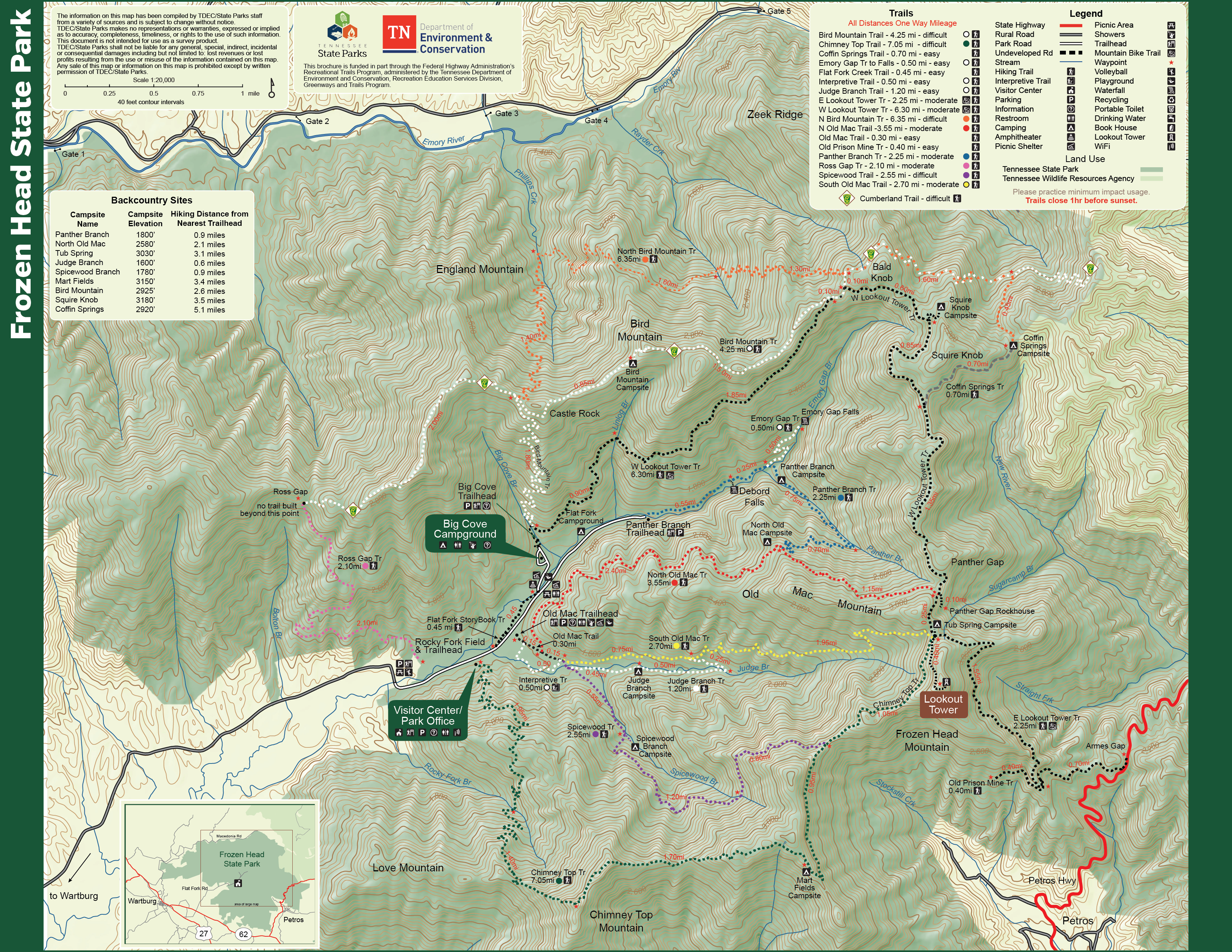
- The Rocky Fork Area (including the Ross Gap Trailhead and volleyball courts)
- A number of trails
- The only accessible trail at this time is the Chimney Top Trail behind the Visitor Center. This trail is considered strenuous with significant elevation gain and up to a 14-mile hike.
During this renovation, we encourage campers to check out our nearby parks. Some nearby parks to consider are:
- Norris Dam State Park: Tent and RV sites and cabins, 41 miles away.
- Cove Lake State Park: Tent and RV sites, 42 miles away.
- Cumberland Mountain State Park: Tent and RV sites and cabins, 47 miles away.
- Big Ridge State Park: Tent and RV sites, 50 miles away.
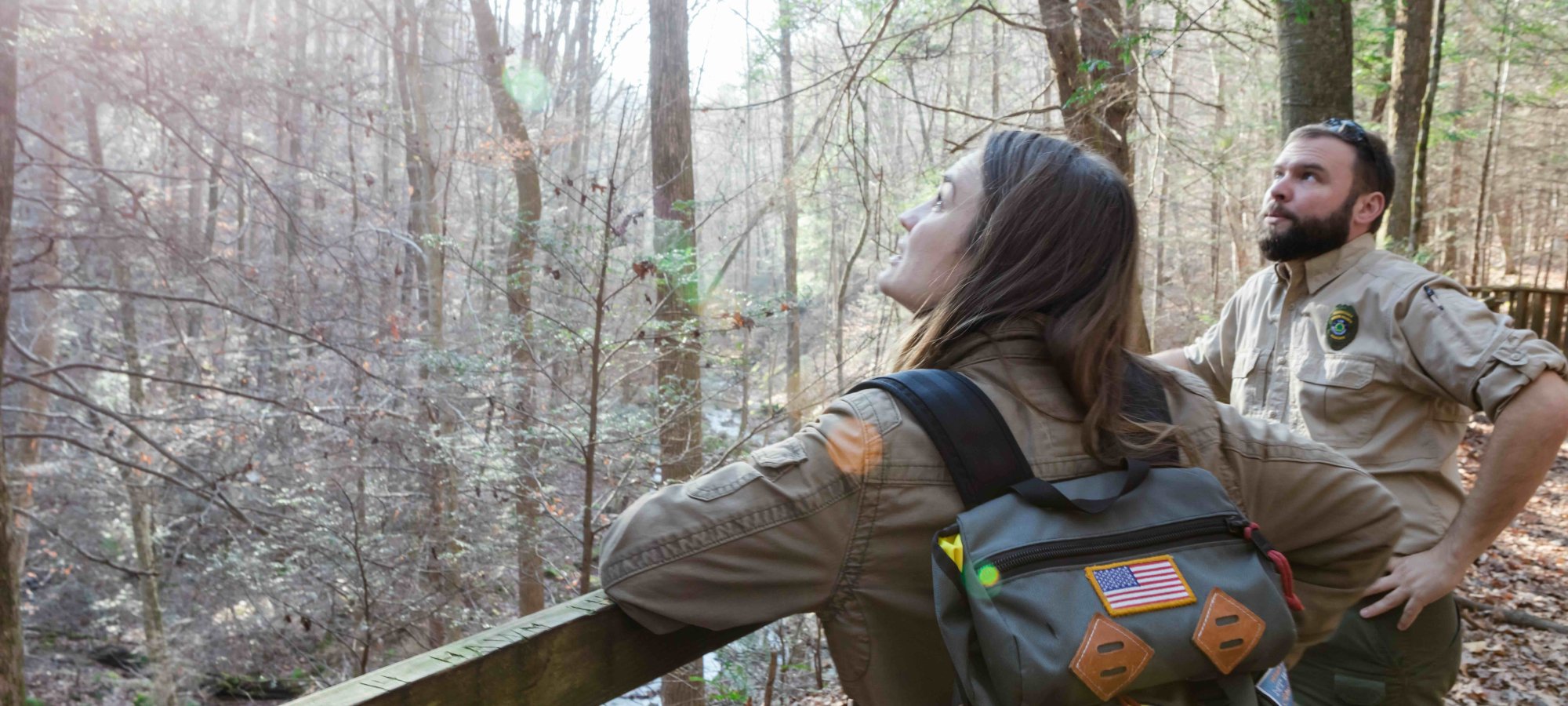
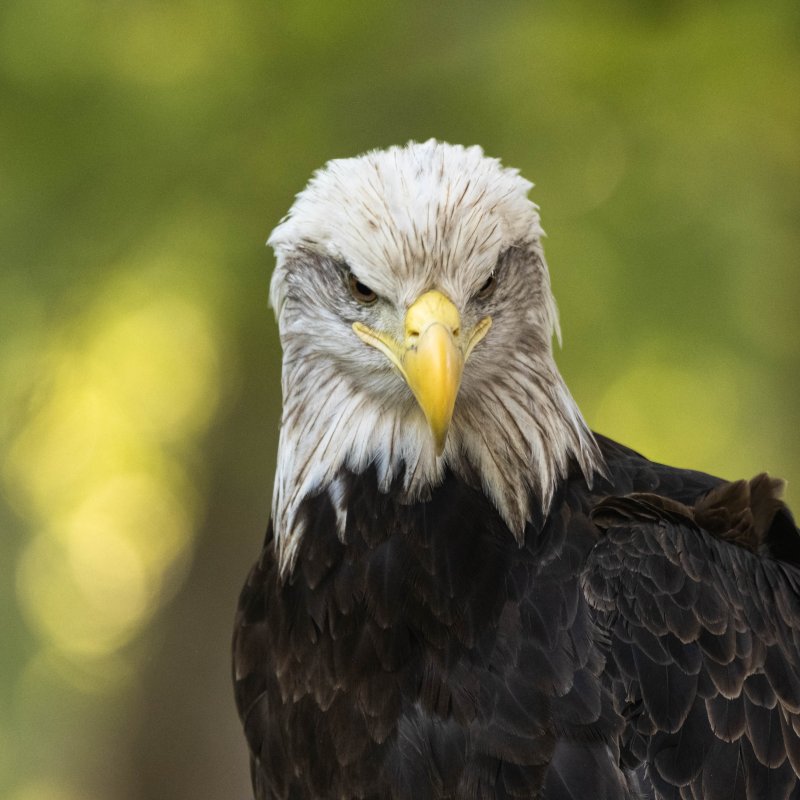
Birding at Frozen Head
The Audubon Society recognizes Frozen Head State Park as part of the South Cumberland Mountains Important Bird Area.
Important Bird Areas, or IBA’s, are sites that provide essential habitat for one or more species of bird.
Frozen Head supports high breeding populations of several Neotropical migrant birds, including the cerulean warbler, as well as breeding populations of a few high elevation species which are rare in Tennessee outside of the Blue Ridge Mountains.
The Natural Area is within the Cumberland Mountains Important Bird Area. Over 130 species of birds have been observed throughout the year.
Experience Birding at Frozen Head
-
Acadian flycatcher, blue-gray gnatcatcher, northern parula and yellow-throated warbler and Louisiana waterthrush are common during spring and summer along the creek. Swainson's warblers have also occurred in this area.
-
Check the fields and field edges for brown thrasher, American robin, and Eastern bluebird. Eastern wood pewee, red-eyed vireo and yellow-throated vireo, wood thrush, black-and-white warbler, ovenbird and scarlet tanager are common in the roadside forests.
-
Cerulean warbler can occasionally be seen - or more often heard - from the main park road. They are much more numerous along many of the park's hiking trails.
-
The park's breeding populations of veery, chestnut-sided warbler, black-throated blue warbler, blackburnian warbler, Canada warbler and rose-breasted grosbeak are only observable by hiking to higher elevations. Ruffed grouse can often be seen from the parks many hiking trails.

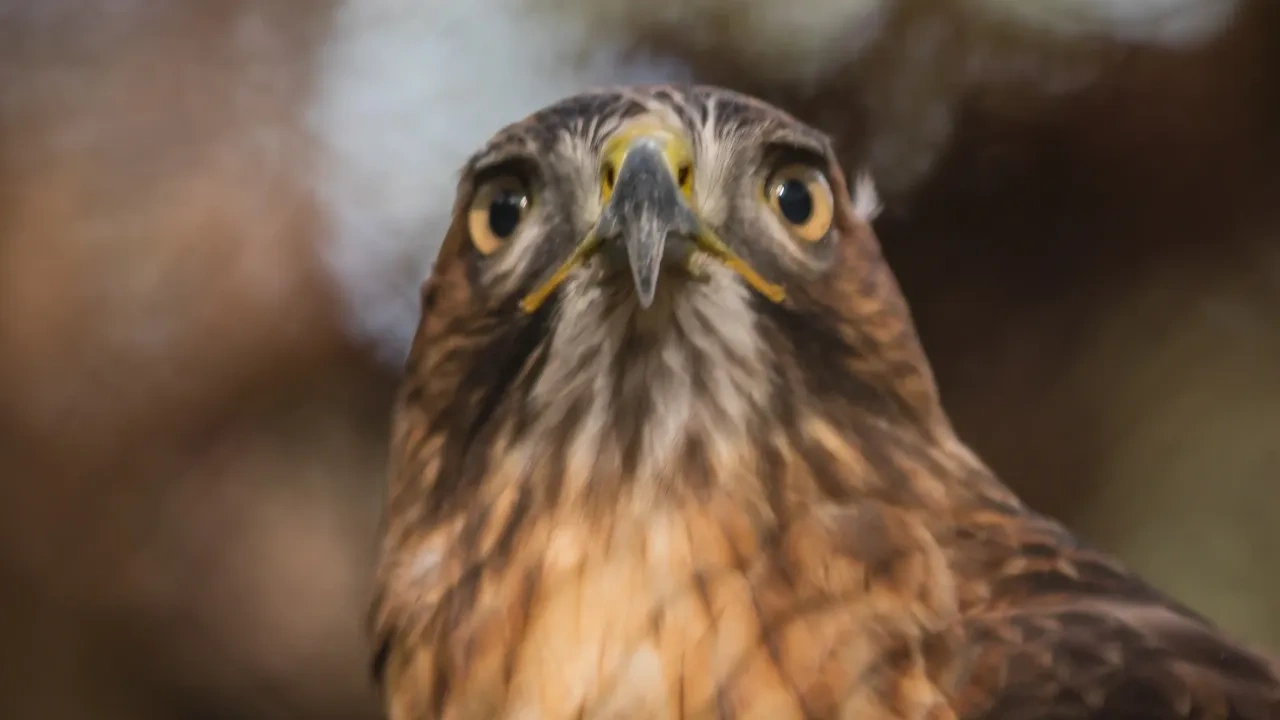

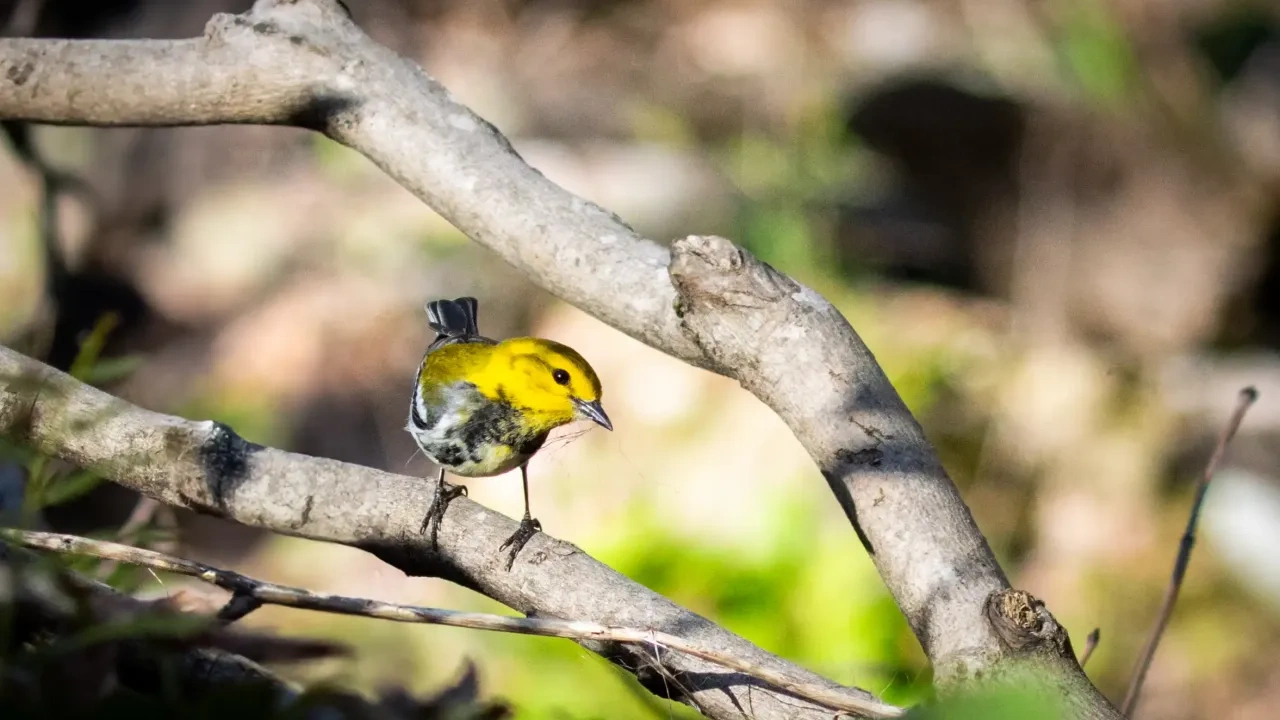
Featured Birds
- Double-crested Cormorant
- Turkey Vulture
- Red-shouldered Hawk
- Broad-winged Hawk
- American Crow
- Woodpecker
- Ruffed Grouse
- Sandhill Crane
- Golden Eagle (rare)
- Red-breasted Nuthatch
- Carolina Chickadee
- Tufted Titmouse
- Northern Cardinal
- Kinglets
- Barred Owl
- Sparrows
- Eastern Screech-Owl
- Cerulean Warbler
- Black-throated Blue Warbler
- Blackburnian Warbler
- Canada Warbler
- Rose-breasted Grosbeak
- Veery
- Hermit Thrush
- Winter Wren
- Northern Parula
- Yellow-throated Warbler
- Louisiana Waterthrush
- Brown Thrasher
- American Robin
- Eastern Bluebird
- Eastern Wood-Pewee
- Scarlet Tanager
- Black-crowned Night Heron
- Great Blue Heron
- Great Egret
- Cattle Egret
- Double-crested Cormorant
- Osprey
- Belted Kingfisher
- Red-winged Blackbird
- American Goldfinch
- Gull
- Geese
- Red-headed Woodpecker
- Prairie Warbler
- Yellow-breasted Chat
- White-eyed Vireo
- Common Yellowthroat
- Ovenbird
- Northern Bobwhite
- Ring-billed Gull
- Bonaparte's Gull
- American Coot
- Mallard
- Double-crested Cormorant
- Cedar Waxwing
- American Goldfinch
- Red-winged Blackbird
- Tree Swallow
- Barn Swallow
- Purple Martin
Birding Locations
-
East Lookout Tower Trail
Featured birds: Double-crested Cormorant, Turkey Vulture, Red-shouldered Hawk, Broad-winged Hawk, American CrowThe tower offers a great view from the top of Frozen Head Mountain. During fall and spring passing flocks of sandhill cranes are often seen or heard.
-
-
Flat Fork Creek Trail
Featured birds: Northern Parula, Yellow-throated Warbler, Louisiana Waterthrush, Brown Thrasher, American RobinThis trail parallels the main park road and Flat Fork Creek. It is a great place to view Louisiana waterthrushes during spring and summer.
-
-
TVA Lakeshore Park (Nearby)
Featured birds: Black-crowned Night Heron, Great Blue Heron, Great Egret, Cattle Egret, Double-crested CormorantTVA manages this wetland park complex. This ecological restoration area acts as an important refuge for waterbirds. 159 species of birds identified.
-
-
Catoosa Wildlife Management Area: Oak Savanna Restoration
Featured birds: Red-headed Woodpecker, Prairie Warbler, Yellow-breasted Chat, White-eyed Vireo, Common Yellowthroat(Hunting Area) Catoosa WMA contains extensive oak-hickory forest, gravel roads and an actively managed oak savanna restoration area to maintain open woodlands and native grass systems that historically occurred in the region before fire was removed from the system and forests dominated the area. Ninety species of birds identified.
-
-
Melton Hill Park (Nearby): Boat Launch
Featured birds: Ring-billed Gull, Bonaparte's Gull, American Coot, Mallard, Double-crested CormorantThis 112-acre park, bordered by the Clinch River, offers excellent waterfowl habitat in the winter and spring. 155 species of birds were identified.
-

Responsible Birding
- Do not endanger the welfare of birds.
- Tread lightly and respect bird habitat.
- Silence is golden.
- Do not use electronic sound devices to attract birds during nesting season, May-July.
- Take extra care when in a nesting area.
- Always respect the law and the rights of others, violators subject to prosecution.
- Do not trespass on private property.
- Avoid pointing your binoculars at other people or their homes.
- Limit group sizes in areas that are not conducive to large crowds.

Discover More at Frozen Head


No events are scheduled at this time, but there's always more to explore.