Montgomery Bell Birding
Birding at Montgomery Bell
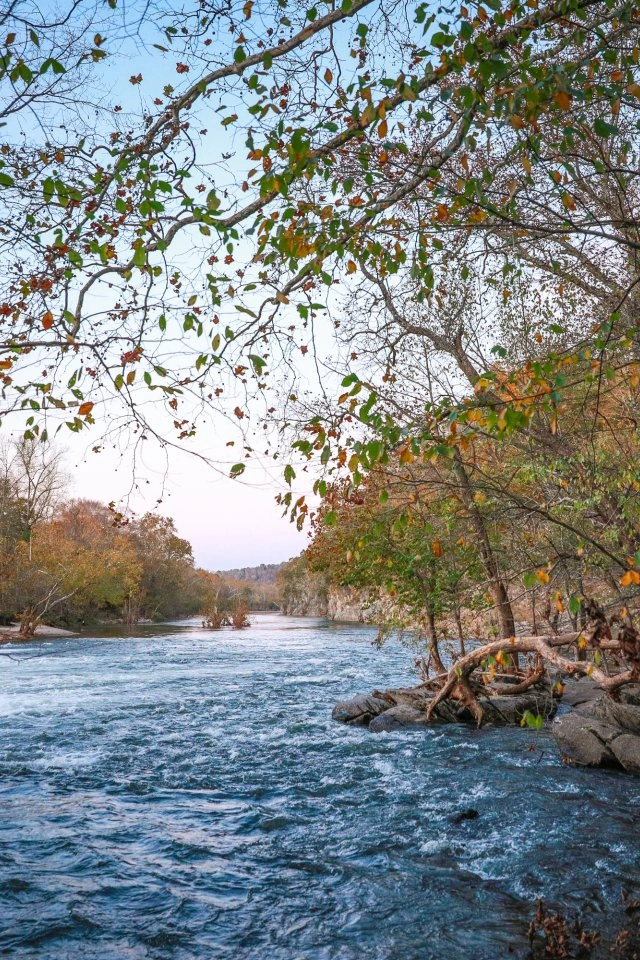
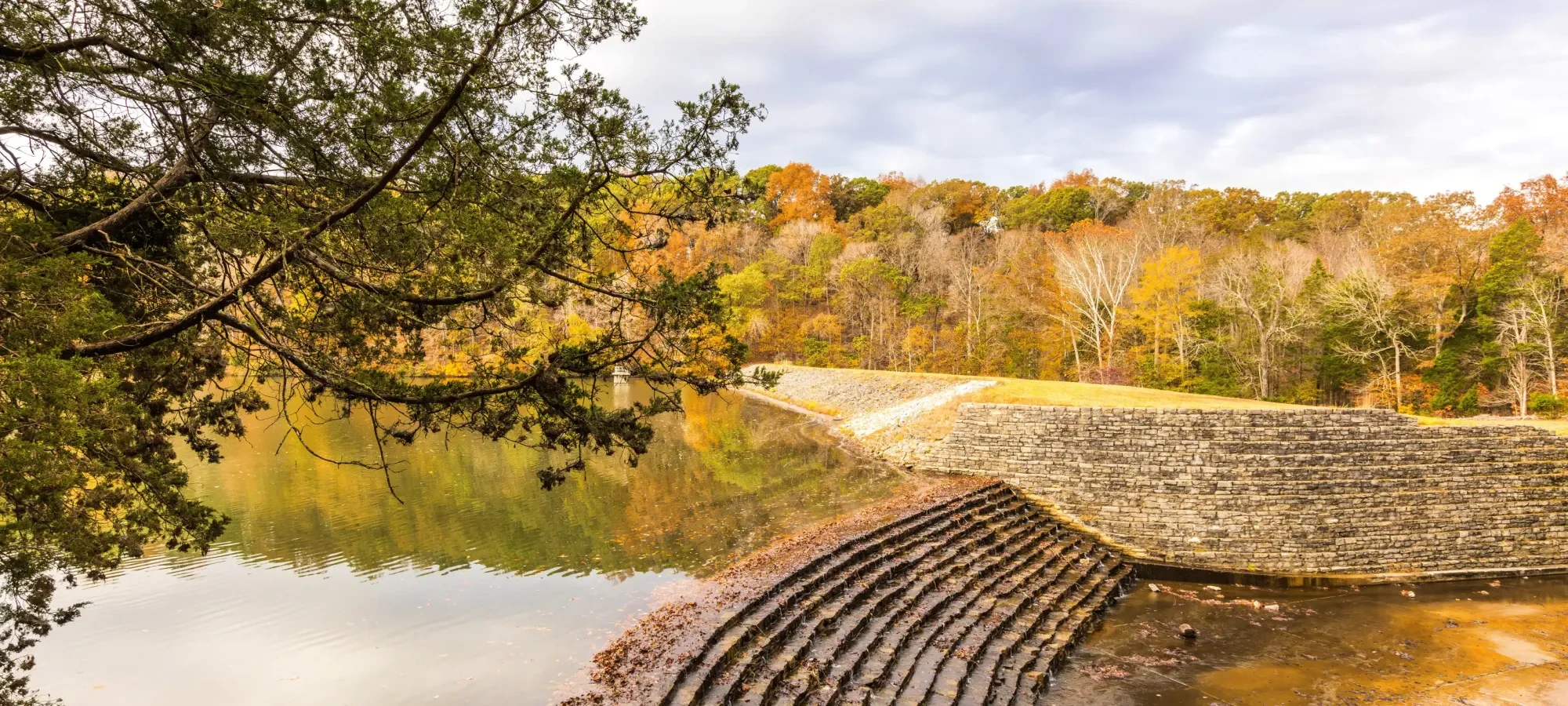
Montgomery Bell State Park's primary habitat is open forest with small field openings and roadway edges.
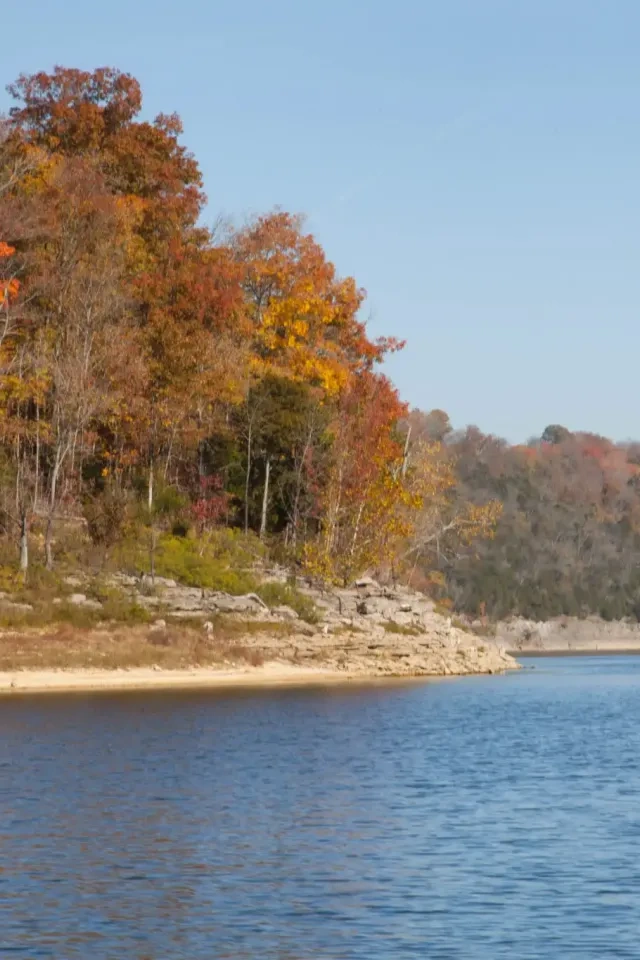
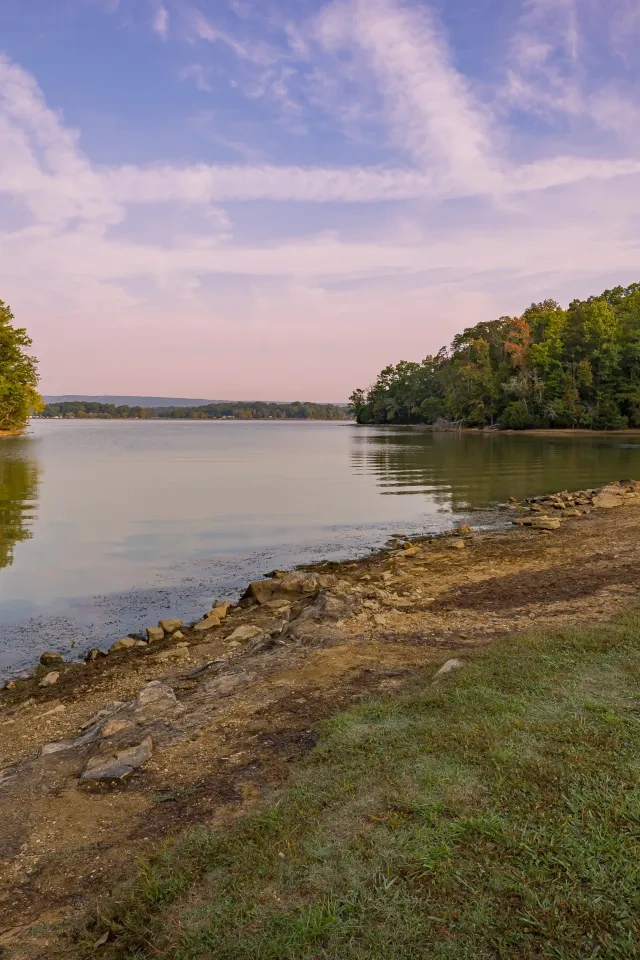
The lakes attract small numbers of waterfowl such as mallard and wood duck, and bald eagle primarily in winter.
Twenty miles of trails wind through woods or adjacent to roadways or fields, allowing observation of such residents as Carolina chickadee, tufted titmouse, white-breasted nuthatch, barred owl, and many more.
During migration, a variety of warblers can be seen along with breeding red-eyed and yellow-throated vireos. Northern parula can be heard or seen in summer at the creek next to the visitor center. Montgomery Bell has identified 159 species.
Featured Birds
- Eastern Bluebird
- American Robin
- Belted Kingfisher
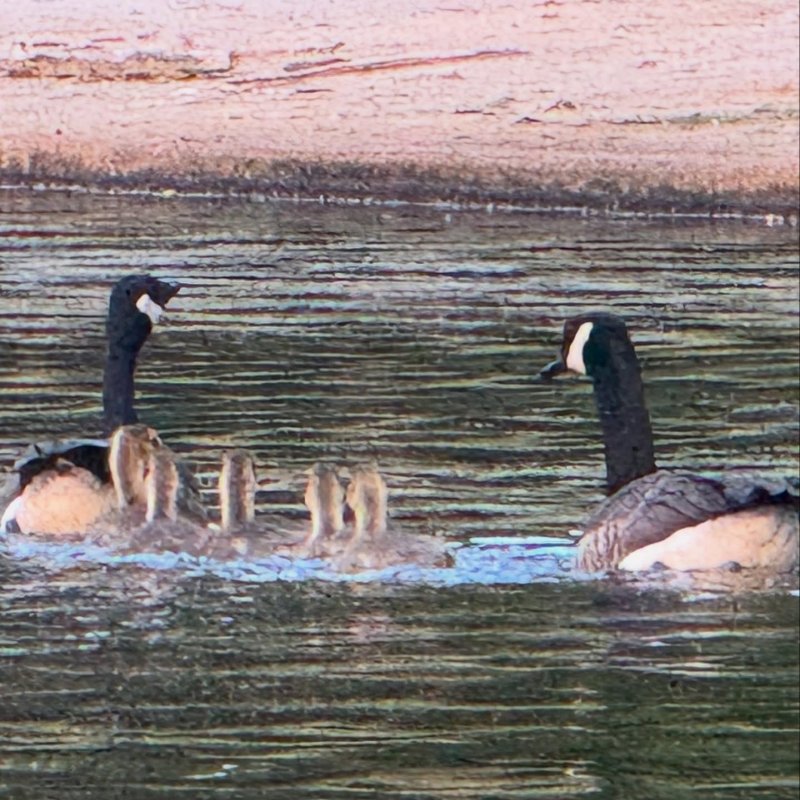
- Canada Goose
- Great Horned Owl
- Summer Tanager
- Ruby-throated Hummingbird
- Northern Flicker
- Red-bellied Woodpecker
- Red-headed Woodpecker
- Chipping Sparrow
- Broad-winged Hawk
- Red-tailed Hawk
- Cooper’s Hawk
- Barred Owl
- Hairy Woodpecker
- Northern Cardinal
- Cedar Waxwing
- Louisiana Waterthrush
- Migrating Warblers
- Barred Owl
- Pileated Woodpecker
- Wood Thrush
- Ruby-crowned Kinglet
- Golden-crowned Kinglet
- Carolina Wren
- Kentucky Warbler
- Hooded Warbler
- White-throated Sparrow
- Swamp Sparrow
- Great Blue Heron
- Green Heron
- American Coot
- Waterfowl
- Red-tailed Hawk
- Great Horned Owl
- Yellow-bellied Sapsucker
- Red-breasted Nuthatch
- Eastern Kingbird
- Chimney Swift
- Indigo Bunting
- Common Yellowthroat
- American Goldfinch
- Bald Eagle
- Great Egret
- Double-crested Cormorant
- Northern Harrier
- Gull
- Sandpipers
- Waders
- Prothonotary Warbler
- Song Sparrow
- Field Sparrow
- Swamp Sparrow
- Wild Turkey
- Red-tailed Hawk
- Red-shouldered Hawk
- Songbirds
- Yellow-breasted Chat
- Yellow Warbler
- Blue Grosbeak
- White-throated Sparrow
- Grasshopper Sparrow
- Henslow’s Sparrow
Birding Locations
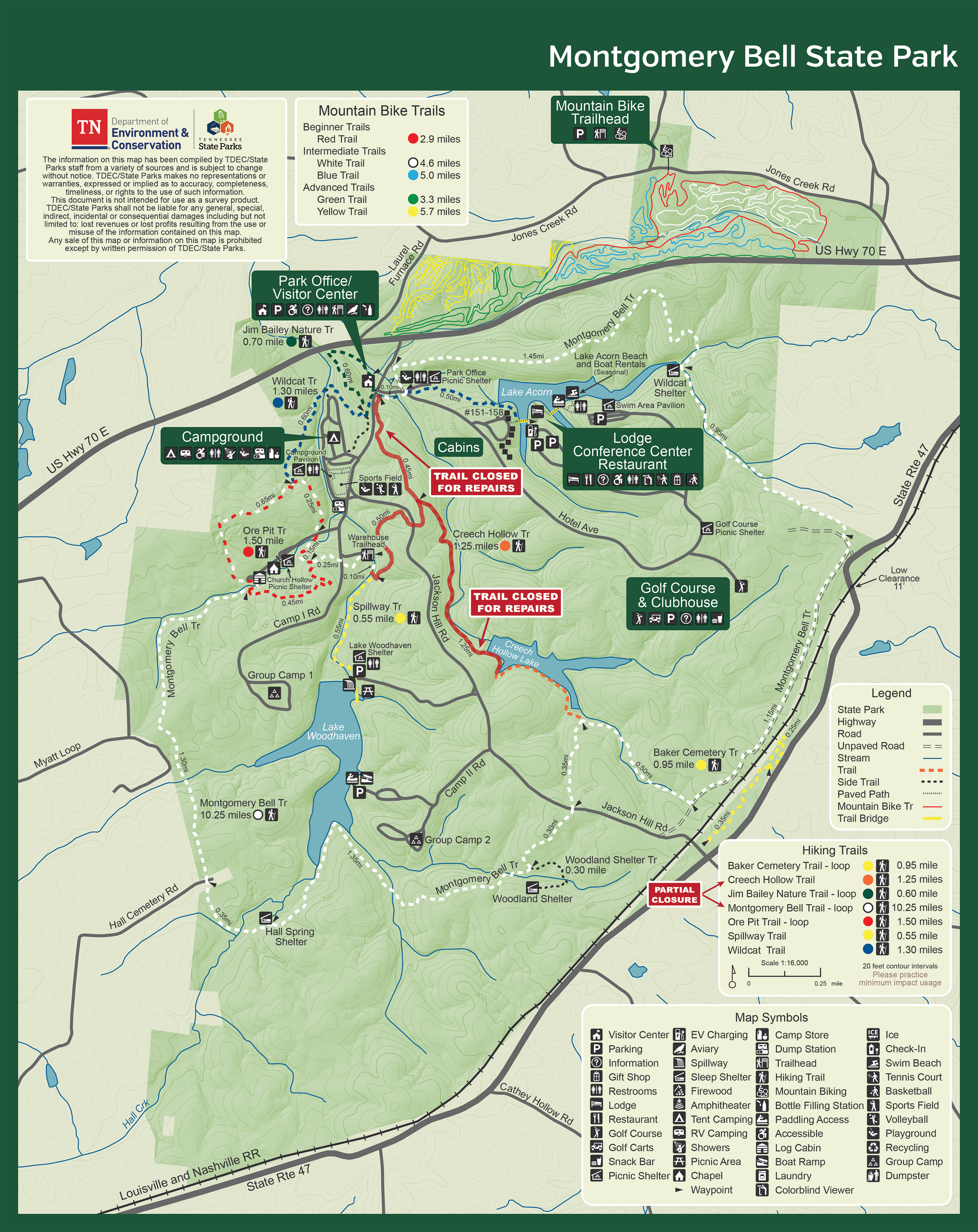
A hiking map is available at the park.
-
Lodge Area
Featured birds: Eastern Bluebird, American Robin, Belted Kingfisher, Canada Goose, Great Horned OwlWood edges and isolated trees adjacent to parking lots are good for ground level to treetop viewing. Lake Acorn behind the inn brings in some aquatic species. Hummingbird feeders next to restaurant windows allow diners easy viewing.
-
-
Church Hollow
Featured birds: Broad-winged Hawk, Red-tailed Hawk, Cooper’s Hawk, Barred Owl, Hairy WoodpeckerThis narrow valley from Group Camp 1 Road to the McAdow cabin offers wood/field edge and stream viewing. Can be combined with the Ore Pit Trail for a .75-mile loop through open woods.
-
-
Hall Spring
Featured birds: Barred Owl, Pileated Woodpecker, Wood Thrush, Ruby-crowned Kinglet, Golden-crowned KingletFrom McAdow cabin, the Ore Pit/Montgomery Bell Trail leads through open woods to Hall Spring and the head of Lake Woodhaven, both areas having heavy understory and wetland growth.
-
-
Creech Hollow Lake
Featured birds: Great Blue Heron, Green Heron, American Coot, Waterfowl, Red-tailed HawkFrom parking area across from Lake Woodhaven Road a short connector trail through open woods meets Creech Hollow Trail near the dam. The trail hugs the open lakeshore.
-
-
Tennessee NWR: Duck River Unit Main Entrance
Featured birds: Wintering Waterfowl, Bald Eagle, Great Egret, Double-crested Cormorant, Northern HarrierThis unit consists of dissected forested uplands, the adjacent waters, seasonal mudflats, and Duck River bottomlands. Main road goes through agricultural fields, open water, and sparse woods. Parking area 2.1 past main entrance offers views of sheltered and open water at levee pump station. Duck River NWR unit has had 261 species identified.
-
-
Cheatham Wildlife Management Area: Checking Station
Featured birds: Wild Turkey, Red-tailed Hawk, Red-shouldered Hawk, Songbirds, Prairie WarblerThis 20,810-acre area contains upland hardwood and some pine forest, fields and scrub habitat, a combination providing a mix of open land, edge and forest for a variety of wildlife. Cheatham WMA has had 111 species observed.
-
-
Bells Bend Park: Nature Center
Featured birds: Indigo Bunting, Common Yellowthroat, Yellow Warbler, Blue Grosbeak, White-throated SparrowThis 880-acre park lies within a bend of the Cumberland River and consists of weedy fields, reclaimed pastures, and riparian woodlands, with several miles of paved and mulched trails. Bells Bend has had 188 species observed.
-

Responsible Birding
- Do not endanger the welfare of birds.
- Tread lightly and respect bird habitat.
- Silence is golden.
- Do not use electronic sound devices to attract birds during nesting season, May-July.
- Take extra care when in a nesting area.
- Always respect the law and the rights of others, violators subject to prosecution.
- Do not trespass on private property.
- Avoid pointing your binoculars at other people or their homes.
- Limit group sizes in areas that are not conducive to large crowds.

Discover More at Montgomery Bell



Visit the Gift Shops
-
The Camp Store
The park’s camp store is your best spot for finding gear, snacks, and accessories to make your camping experience exceptional. The camp store is your go-to destination for ice cream, ingredients for S'mores, and of course a lighter!
Hours: Open seasonal hours
-
Visitor Center Gift Shop
The Visitor Center Gift Shop is the perfect place to pick up a map, learn about the park, or find a souvenir. You’ll find an assortment of apparel and keepsakes to remember your trip to the park.
Address:
1020 Jackson Hill Road, Burns TN, 37029
1-615-797-9052Hours:
Monday - Saturday
8:00 AM to 4:00 PM
Closed Sunday


No events are scheduled at this time, but there's always more to explore.